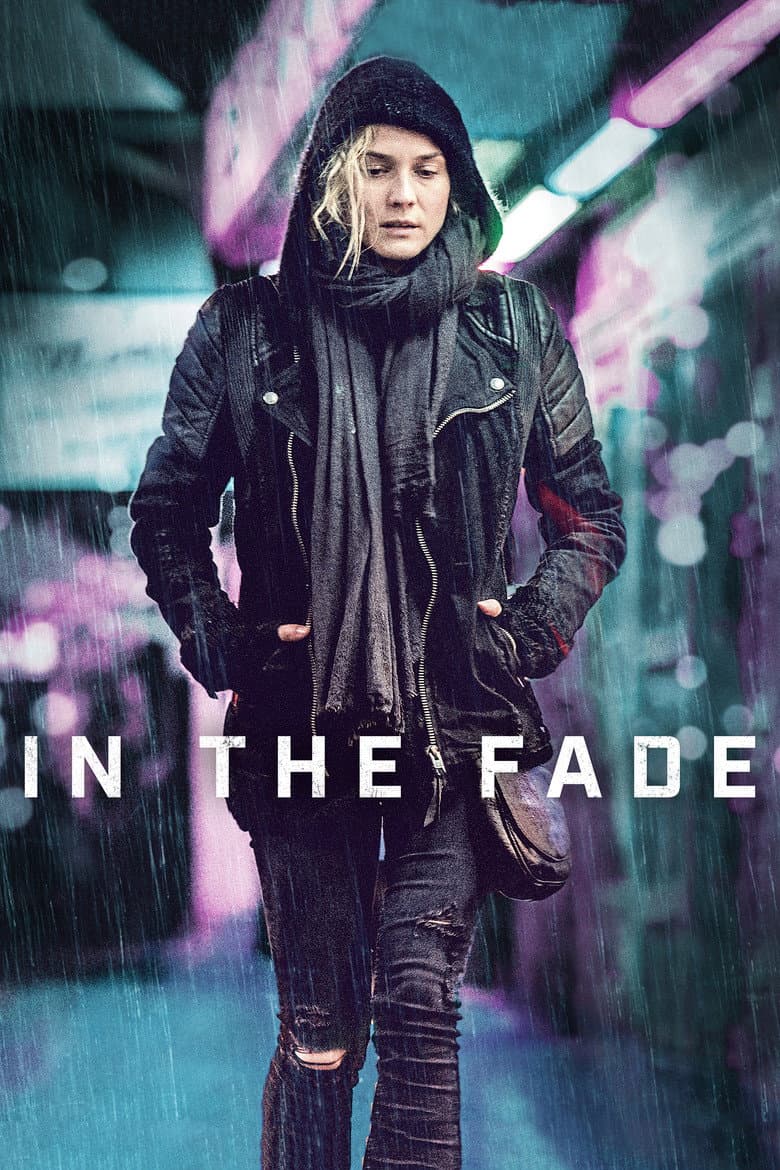
Katja Sekerci is a German mother living near Hamburg with her Kurdish-German husband, Nuri, and their young son. A nail bomb kills Nuri and the boy outside Nuri’s office, and Katja’s safe family life ends in a moment. The police first suspect Nuri’s old drug ties and ask whether he was Muslim or politically active, while Katja insists that neo-Nazis carried out the attack. The film moves from raw grief to a tense trial and then to a bleak revenge trip in Greece. Its mood is harsh, angry, and deeply sad.
In the Fade has a clear identity-driven layer because the murder targets a Kurdish-German family and the police first treat the husband as a possible criminal because of his background. The story presents neo-Nazi racism and the court system’s failure to protect the family as major parts of the conflict. Katja’s white, blonde German identity is chosen as a symbol when she turns against the Nazis, and the film gives her the full revenge role. The film questions whether a state that fails minority victims can deliver justice, although its final act leaves revenge morally painful rather than cleanly heroic.
Community feedback
Was our 67% Woke rating accurate?
Breakdown
These are the editorial factors and ratings behind our score for In the Fade.
Woke representation / casting
Katja is a white, blonde German woman, while Nuri is Kurdish-German, which is believable for modern Hamburg. The film makes Katja’s look part of its message because Akin wanted a blonde, blue-eyed German woman to kill Nazis. Her identity becomes a symbol of German opposition to racism. The supporting cast includes Turkish, Kurdish, Greek, and German characters, but it does not form an artificial one-of-each group.
38%
Woke political dialogue
The film has a few direct lines about identity and bias. Police ask if Nuri was Muslim, Kurdish, or politically active, then investigate his drug past instead of the far right. Katja says Nazis carried out the attack, and the trial keeps returning to how the victims are treated. The dialogue is mostly tied to the plot and avoids long speeches about DEI or modern party politics.
30%
Identity-driven story themes
The film’s central conflict is a racist attack on a Kurdish-German family. Police and news reports first treat the dead husband as a possible criminal because of his background. The trial shows the family receiving little weight while legal doubt protects the neo-Nazi killers. Katja’s rage grows from this failure and leads to a violent answer, so anti-racist and minority-victim themes shape all three sections.
65%
Western institutional / cultural critique
The film repeatedly shows German police and courts treating the Kurdish husband as a likely criminal and questioning his family before taking the far-right threat seriously. The trial gives the killers legal protection while the grieving family has little power. The story links this failure to public indifference toward racist violence. The film does not attack Christianity, family life, or ordinary conservative values.
50%
Woke character or canon changes
Not relevant. The film is an original fictional story inspired by real cases. It does not change a known character, franchise, or historical person.
0%
Anti-woke backlash and complaints
A few small German X accounts made anti-woke complaints about the film’s prize attention and its revenge against neo-Nazis. The posts had little or no reach and received no news pickup or wider campaign. The claims had no proof or wider support. Some right-leaning viewers praised the film as politically incorrect, which is approval rather than backlash.
8%
Creator track record context
Fatih Akin has a repeated record of films about migration, racism, and people caught between cultures. Hark Bohm has a long record of stories about outsiders, class, and cultural conflict. Nurhan Şekerci-Porst has spoken about sexism in the film business and supported gender equality. The other listed producers and crew have little public political record, so the strongest context comes from Akin, Bohm, and Şekerci-Porst.
55%
Production

Movie · 2016
Nate Foster, a young, idealistic FBI agent, goes undercover to take down a radical white supremacy terrorist group.
Movie · 2018
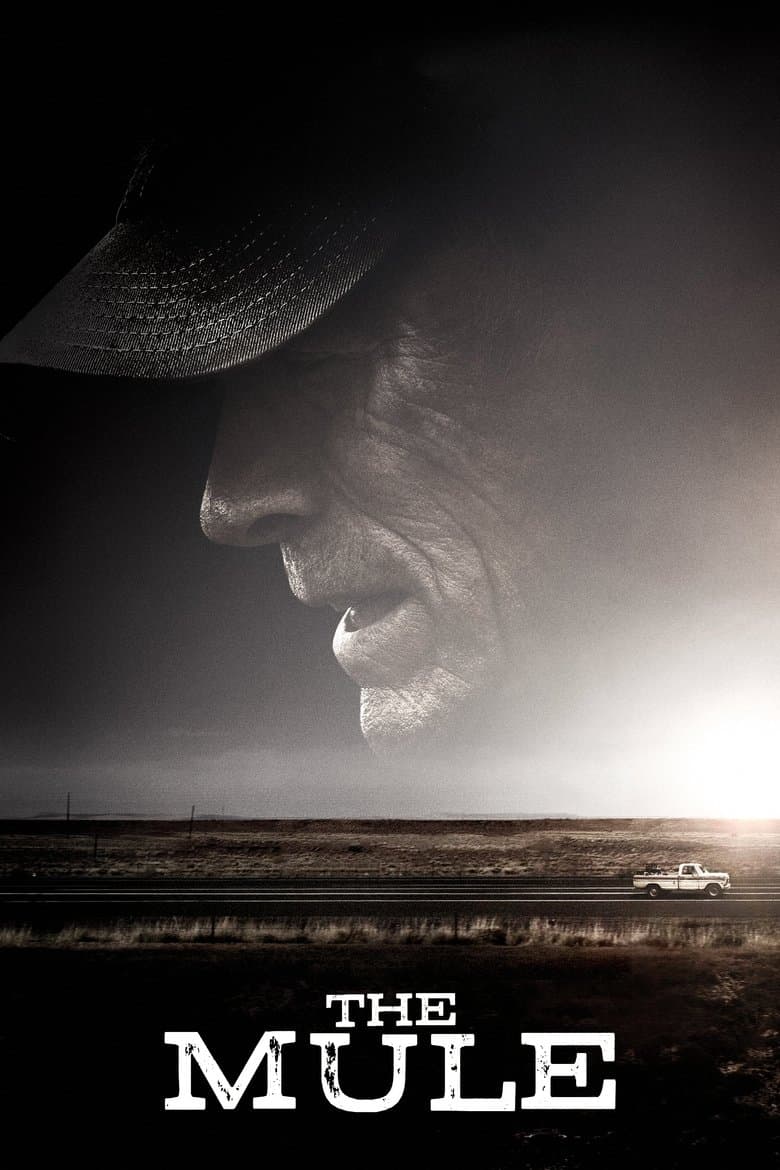
Earl Stone, a man in his eighties, is broke, alone, and facing foreclosure of his business when he is offered a job that simply requires him to drive.
Movie · 2016
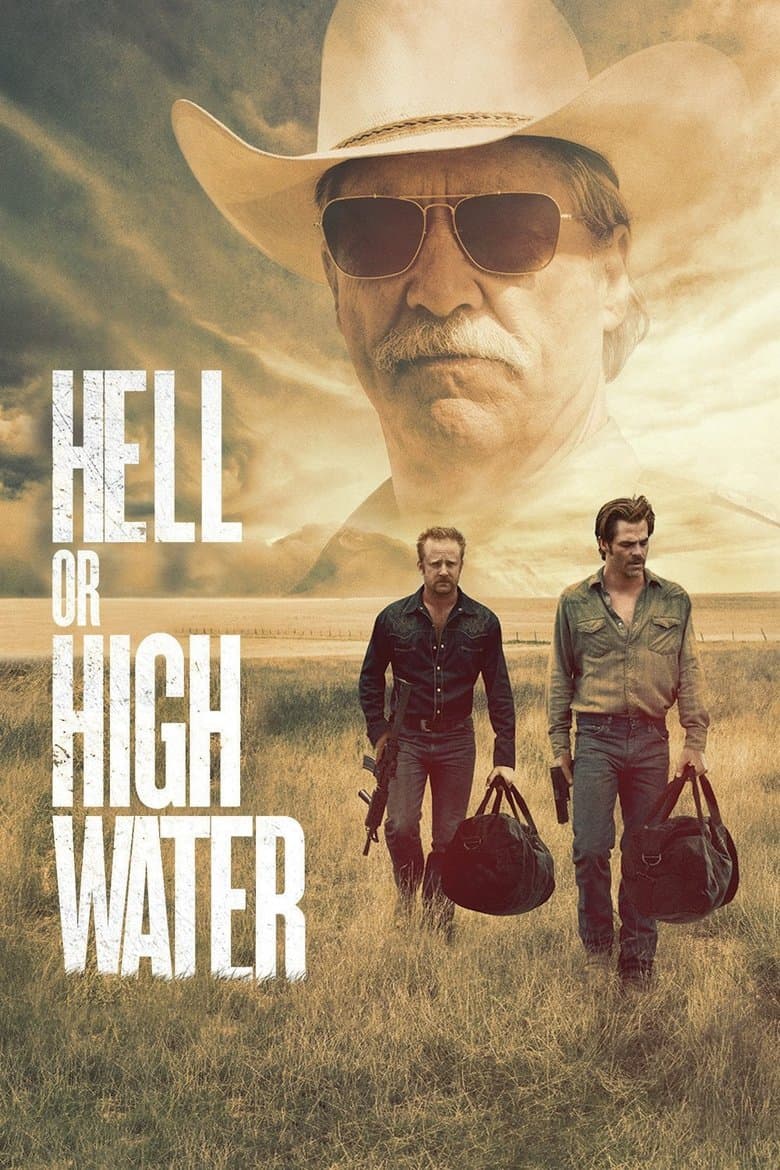
A divorced dad and his ex-con brother resort to a desperate scheme in order to save their family's farm in West Texas.
Movie · 2022
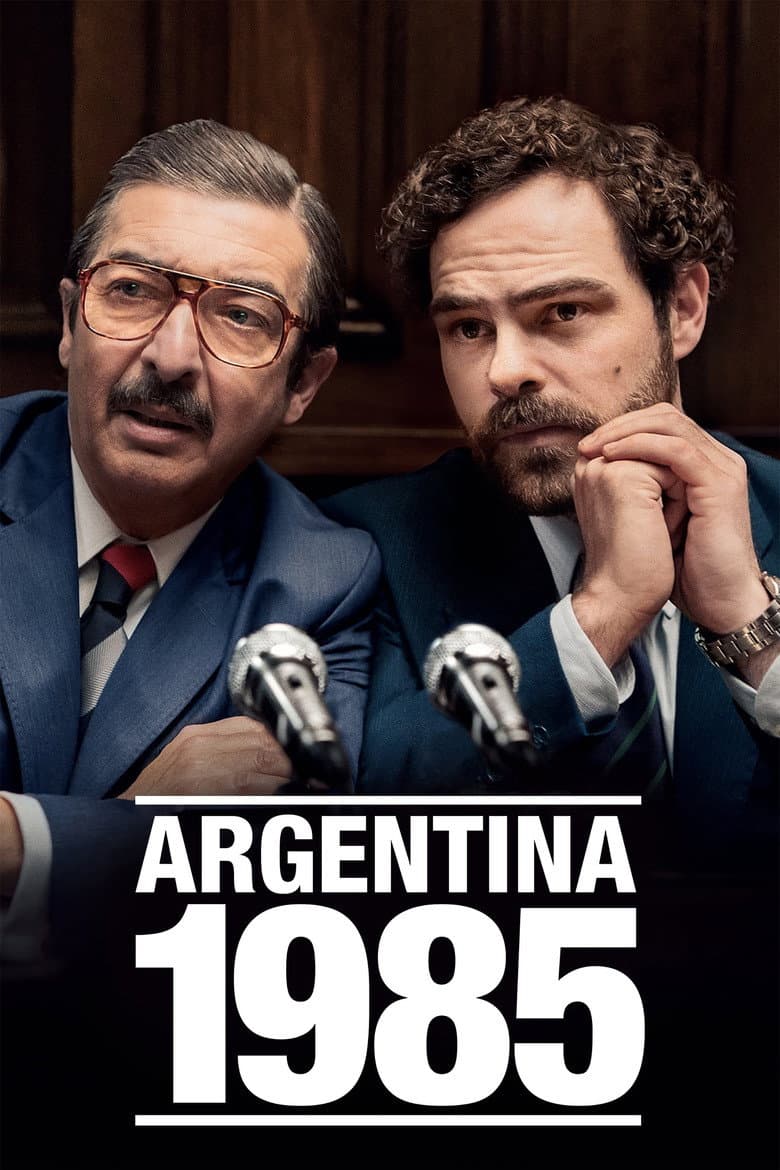
In the 1980s, a team of lawyers takes on the heads of Argentina's bloody military dictatorship in a battle against odds and a race against time.
Movie · 2019
In New York, former convict Pete Koslow, related to the Polish mafia, must deal with both Klimek the General, his ruthless boss, and the twisted ambitions of two federal agents…

Movie · 2018
On the night she plans on taking her own life, 17-year-old 'Lisa McVey' is kidnapped and finds herself fighting to stay alive and is raped.
Movie · 2021
A cold and mysterious new security guard for a Los Angeles cash truck company surprises his co-workers when he unleashes precision skills during a heist.
Movie · 2019
A young agent is tasked with investigating a tangled web of corruption and fraud in New York.
