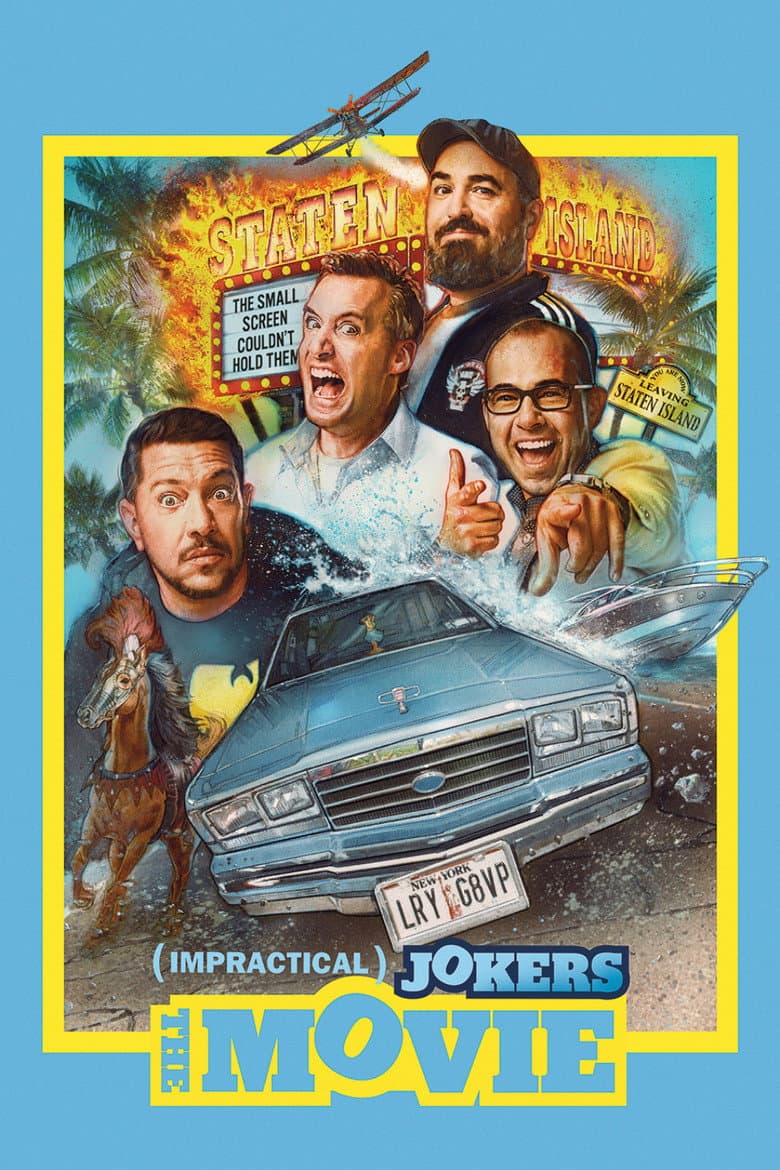
The movie follows four lifelong friends from Staten Island who play comic versions of themselves. A foolish high school stunt at a Paula Abdul concert comes back when Abdul invites them to a party in Miami. She gives them only three passes, so the four men take a road trip and use hidden-camera challenges to decide who must stay behind. The tone is loud, crude, and built around embarrassment, friendship, and prank comedy.
The film has no major political speech or modern activist plot. One roadside prank has two Jokers pretend to be gay and use gay-sex jokes to test strangers, but the scene is a short piece of crude humor and does not create an LGBTQ character or storyline. The cast is led by the four real male comedians, while Paula Abdul plays herself in the made-up story. The main message is that the friends are better together, even after they compete and humiliate each other.
Community feedback
Was our 1% Woke rating accurate?
Breakdown
These are the editorial factors and ratings behind our score for Impractical Jokers: The Movie.
Woke representation / casting
Not present. The four leads are the real four male comedians playing versions of themselves. Paula Abdul and other celebrity cameos play themselves, and the film does not frame the cast as a diversity or identity statement.
0%
Woke political dialogue
Not present. The characters do not give modern identity, DEI, or activist speeches. A social media conference scene mocks an influencer and a presentation, but it does not promote a political cause.
0%
Identity-driven story themes
Not present. The story centers on friendship, competition, embarrassment, and prank comedy. One roadside prank uses a gay stereotype, but the film does not build its plot around LGBTQ identity, representation, or empowerment.
0%
Western institutional / cultural critique
Not present. The film does not attack modern institutions or traditional family roles. It jokes about social media, work, strangers, and celebrity culture, but it does not turn those jokes into a broad political message.
0%
Woke character or canon changes
Not relevant. The film adds a fictional origin story to the established TV format. It does not change a character’s race, gender, sexuality, or hero role.
0%
Anti-woke backlash and complaints
Not present. The supplied X pass found no anti-woke reaction. Other audience comments focused on the weak story, the number of pranks, and the Paula Abdul subplot.
0%
Creator track record context
Chris Henchy’s public work is mainly comedy. The four writers have little or no clear record of activist or DEI work, while Joe Gatto’s charity work is focused on pets, bullying, and disability support. Joe Farrell and Mike Farah have mild progressive-comedy background through I Love You, America and Funny or Die projects. This background is limited and does not shape the film’s prank story.
7%
Production
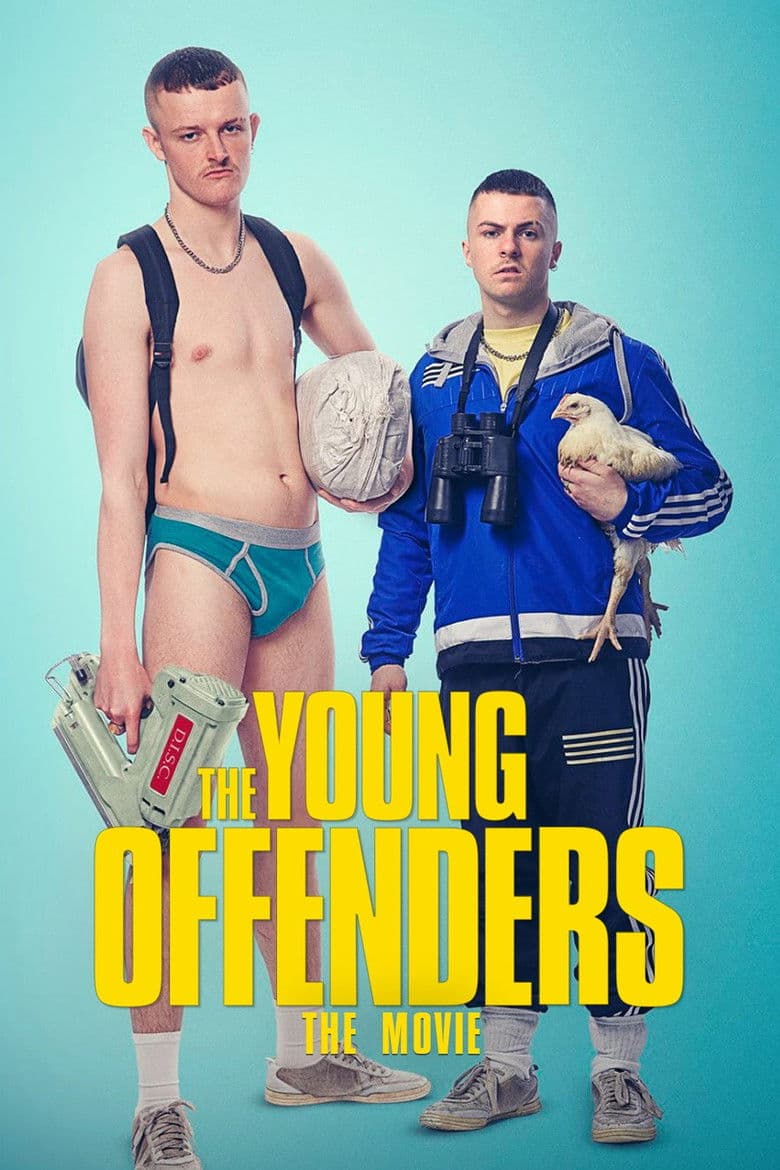
Movie · 2016
Two teenage boys from inner-city Cork steal bicycles and ride off on a 160km quest to find an unrecovered bale of cocaine worth 7,000,000 euros.
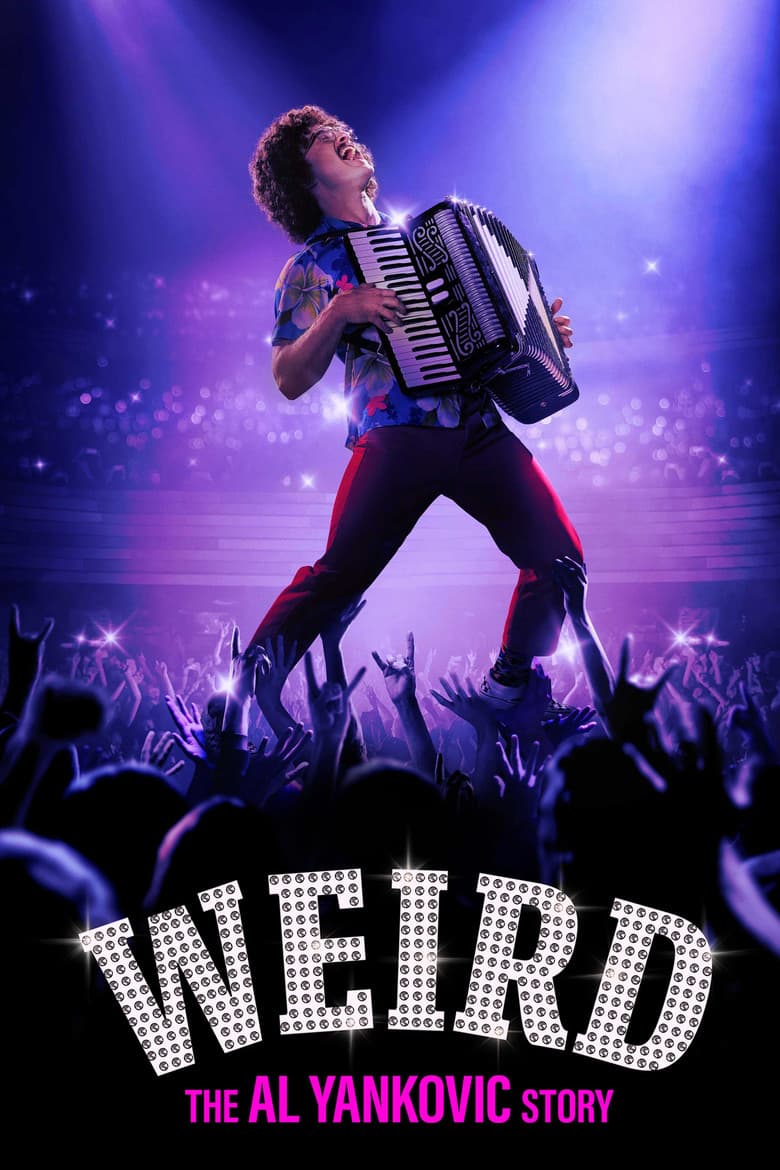
Movie · 2022
Exploring every facet of ‘Weird Al’ Yankovic’s life, from his meteoric rise to fame with early hits like ‘Eat It’ and ‘Like a Surgeon’ to his torrid celebrity love affairs and…
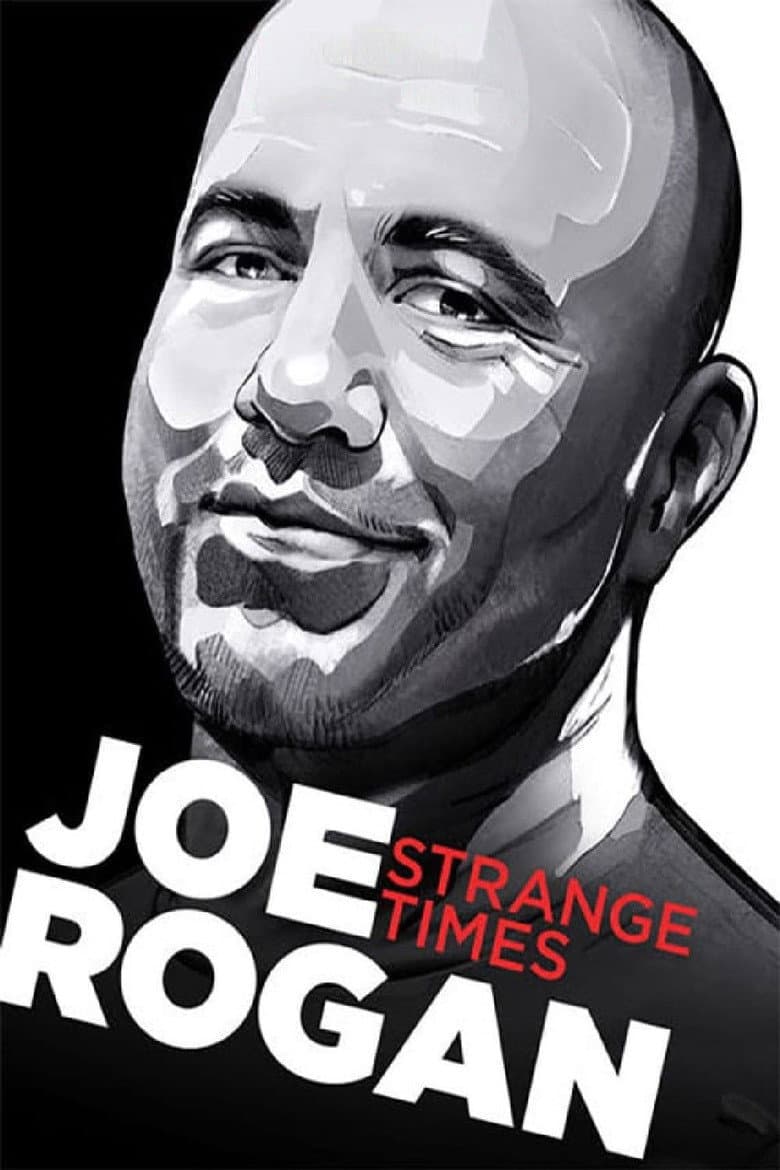
Movie · 2018
Outspoken as ever, comedian Joe Rogan takes on politics, pro wrestling, pot laws, cats, vegans and much more in a stand-up special shot in Boston.
Movie · 2023
From his onstage tackle to the slap heard round the world, Dave Chappelle lets loose in this freewheeling and unfiltered stand-up comedy special.
Movie · 2023
A chaotic intervention. An action-packed stay in rehab. After a weird couple of years, John Mulaney comes out swinging in his return to the stage.
Movie · 2024
Inseparable best friends AJ and Moose decide to run the local pool's snack shack after their plan to sell home-brewed beer goes down the drain.
Movie · 2017
Brigsby Bear Adventures is a children's TV show produced for an audience of one: James. When the show abruptly ends, James's life changes forever, and he sets out to finish the…
Movie · 2018
Adam Sandler takes his comical musical musings back out on the road, from comedy clubs to concert halls to one very unsuspecting subway station.
