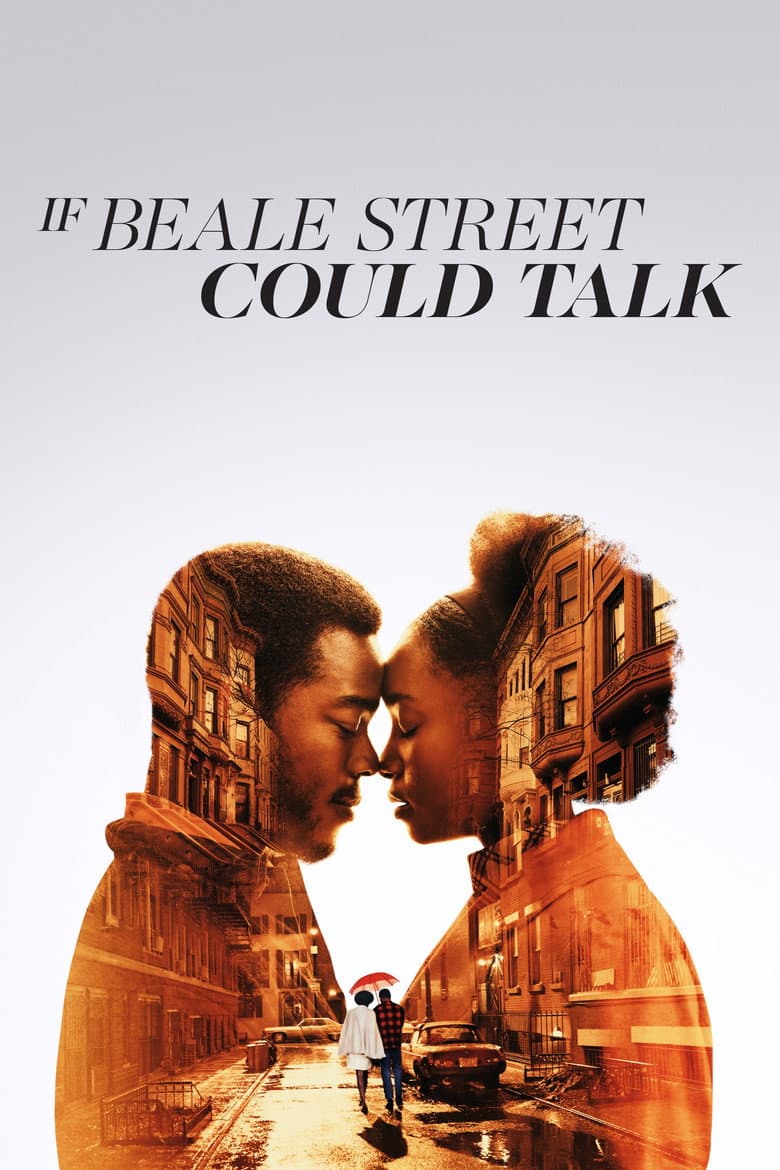
In early 1970s Harlem, nineteen-year-old Tish Rivers falls in love with her childhood friend, Alonzo “Fonny” Hunt. Fonny works as a sculptor, but a white police officer helps send him to jail for a rape he did not commit. Tish is pregnant, and she and both families try to find the woman who can clear Fonny while they wait for his trial. The film moves between warm memories of young love and hard scenes about prison, fear, and family pressure. Its tone is tender, sad, angry, and hopeful.
The story puts Black love and black family life at the center of the movie. Tish's family accepts her pregnancy and works together to protect Fonny, while the film shows racist policing, unfair courts, housing trouble, and prison as forces that threaten their future. The movie presents these problems as part of a wider racial system, and its spoken narration and family talks often explain that view. It also gives Tish a clear path from a shy young woman to a determined mother and partner. These identity-driven themes are not a side plot because they shape the romance, the main conflict, and the ending.
Community feedback
Was our 83% Woke rating accurate?
Breakdown
These are the editorial factors and ratings behind our score for If Beale Street Could Talk.
Woke representation / casting
The movie centers a mostly black cast in a 1970s Harlem black community, which fits the story world. Barry Jenkins said he specifically wanted Tish to be dark-skinned and saw power in showing two dark-skinned black people in love. The casting therefore carries a clear black-love representation message, but it does not use a mismatched group or a quota-style mix. The score stays moderate because the roles also come directly from Baldwin's story.
28%
Woke political dialogue
The narrator links Fonny's case to wider racism against black Americans. The film shows a white police officer using his power to frame Fonny and a legal system that keeps him in prison. Family talks also cover housing discrimination, poverty, and the harm caused by keeping many black men in prison. A line comparing the white man to the devil makes the political message recur beyond one scene.
46%
Identity-driven story themes
The film makes the love and family life of young black people its main subject. It shows Fonny's arrest, jail time, and housing trouble as parts of racism that shape the couple's future. Tish's pregnancy, her growing strength, and support from her family make Black love and family care the answer to pressure. These identity-driven themes shape the romance, the main conflict, and the ending.
72%
Western institutional / cultural critique
The film presents the police and courts as willing to keep an innocent black man in prison. It also shows landlords refusing housing and a white officer using his badge to punish Fonny. The story treats these problems as parts of a wider racial system, not as one bad event. It also shows Fonny's mother using Christianity to shame Tish, while other family members offer love and prayer, so the attack is aimed at hypocrisy rather than all faith.
56%
Woke character or canon changes
The novel describes Fonny as light-skinned, while the film casts Stephan James, who is darker-skinned. Barry Jenkins said he wanted Tish to be dark-skinned and saw special power in showing two dark-skinned black people in love. This is a clear identity-related change to the source, but it affects one casting choice and not the main plot. The adaptation otherwise follows Baldwin's central story.
25%
Anti-woke backlash and complaints
Movieguide called the film politically correct and leftist, saying it treats white society as corrupt and black characters as mostly innocent. Plugged In said the film uses a racist white officer as a symbol of white people and complained that it offers no racial healing. These are clear anti-left complaints, but they came from a small group of Christian review outlets and did not become a major public controversy.
18%
Creator track record context
Barry Jenkins has a sustained record of films about black identity, race, sexuality, and social injustice. James Baldwin's writing and civil-rights work also center race, sexuality, and racial injustice. The listed producers have mostly low or moderate track-record scores, though Adele Romanski and Mark Ceryak have stronger links to films about race and identity. The strongest creator signals come from Jenkins and Baldwin, and they match the movie's race-focused themes.
82%
Production

Movie · 2018
The coming-of-age tale of 16-year-old Lina Vilkas who is deported to Siberia amid Stalin's reign of terror in the Baltic region during WWII.

Movie · 2017
In 1950s London, a renowned dressmaker's meticulous lifestyle begins drastically changing as his relationship with his young muse intensifies.
Movie · 2018
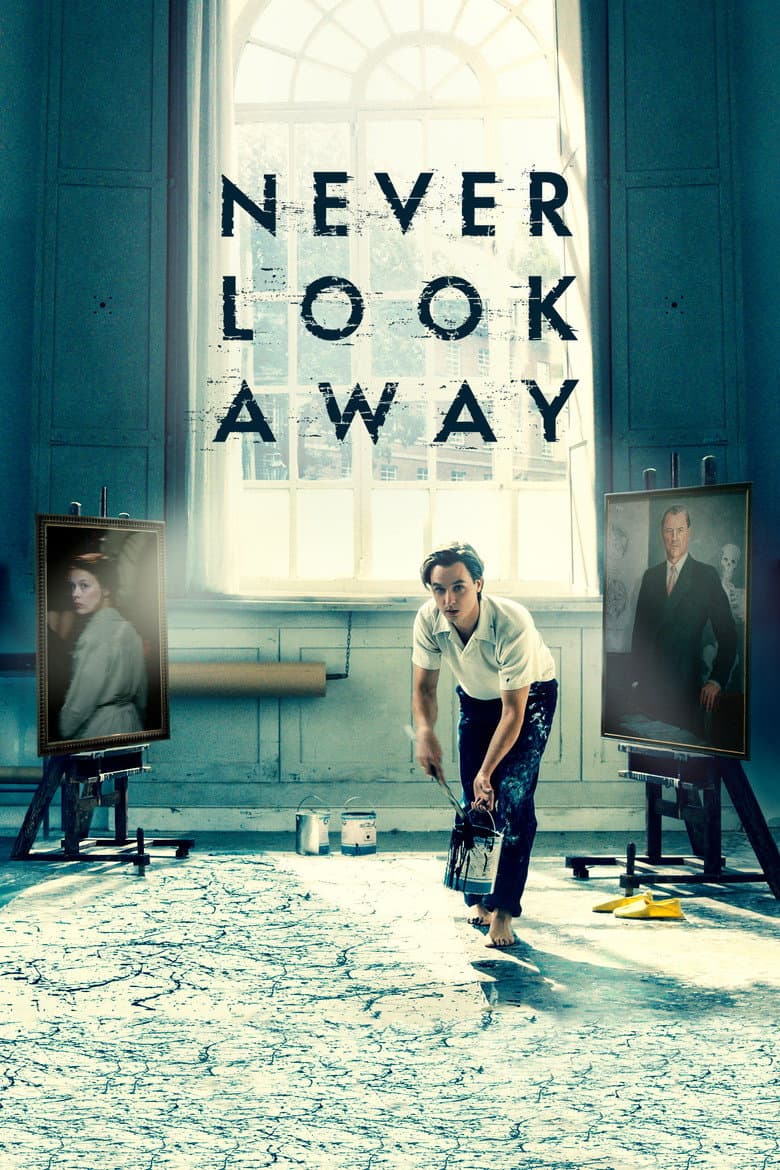
German artist Kurt Barnert has escaped East Germany and now lives in West Germany, but is tormented by his childhood under the Nazis and the GDR regime.

Movie · 2019
After learning that his terminally ill wife has six months to live, a man welcomes the support of his best friend who moves into their home to help out.
Movie · 2018
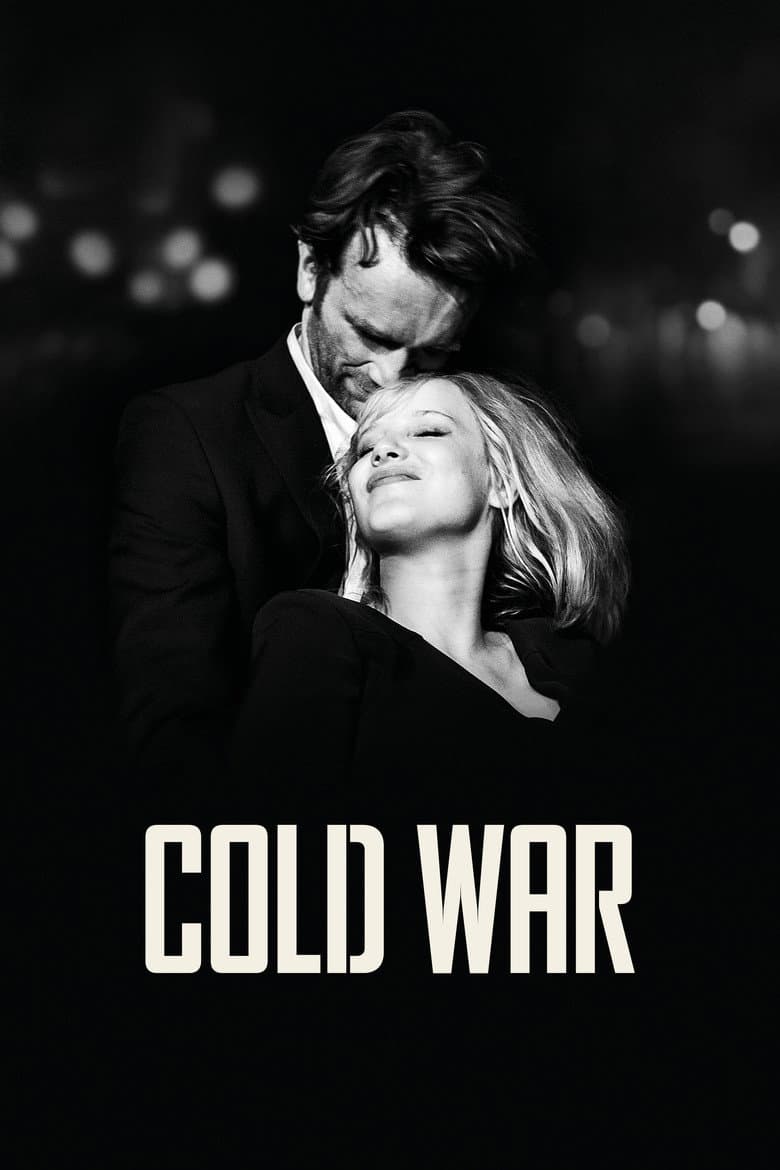
A man and a woman meet in the ruins of post-war Poland. With vastly different backgrounds and temperaments, they are fatally mismatched and yet drawn to each other.

Movie · 2024
Remi and Barnes, two very different teenagers, meet by chance in the winter of their senior year, then spend four days together over the course of a year that will change their…

Movie · 2016
Tough ex-convict Inder and traditional mousy Saraswati fall in love and get married, but a tragedy changes their lives forever.

Movie · 2016
Set during the last days of the Ottoman Empire, a love triangle develops between Mikael, a brilliant medical student, the beautiful and sophisticated artist Ana, and Chris, a…
