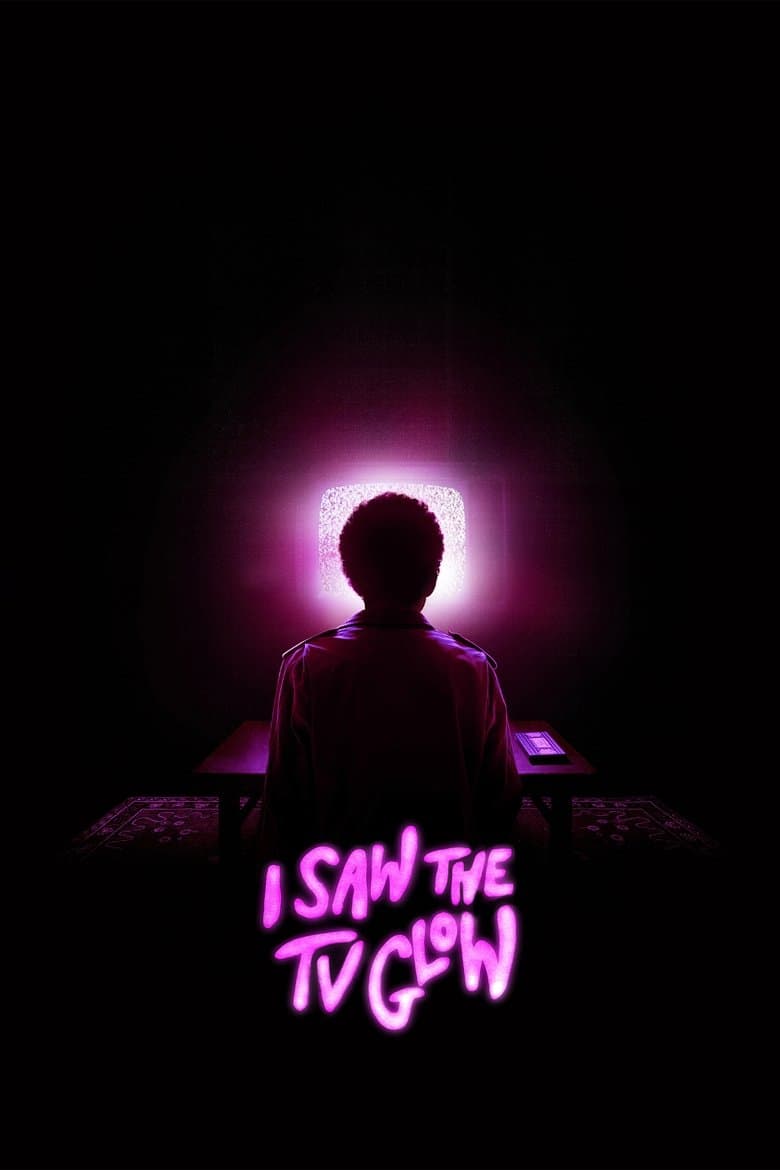
In 1996 suburban America, young Owen meets Maddy, an older student who shares his love of The Pink Opaque, a strange TV show about two girls who fight monsters. The show gives both teens a place to escape from lonely homes, strict rules, and lives that feel wrong. After the show ends and Maddy disappears, Owen grows up, starts a family, and keeps working at an arcade while the world around him seems unreal. The movie uses quiet suburbia, bright TV colors, dread, and a sad sense of lost time to show a person who cannot face what he knows about himself.
The movie is built around a trans and queer view of identity, even though it never uses the word transgender. Owen feels that something inside him has been buried, while Maddy tells him that they are really Isabel and Tara from the show and that they must leave their old lives behind. The image of being buried alive, Owen's fear of being seen as different, and the final scene of him opening his chest all connect the horror to gender dysphoria and hiding who he is. The film treats hiding one's real identity as a life that slowly destroys the self, so the identity message is central rather than a side theme.
Community feedback
Was our 75% Woke rating accurate?
Breakdown
These are the editorial factors and ratings behind our score for I Saw the TV Glow.
Woke representation / casting
Not present. The film has a black lead and a mixed cast, but it does not present race or diversity-first casting as a story point. The main identity message comes from the characters and plot, not from a repeated casting claim.
0%
Woke political dialogue
Not present. The characters talk about liking girls and feeling unlike themselves, but they do not debate laws, parties, or political ideas. The identity content is shown through horror and personal struggle instead of political speeches.
0%
Identity-driven story themes
The film makes a hidden trans and queer identity the main meaning of its horror. Owen sees himself in Isabel, while Maddy sees herself in Tara and urges Owen to leave his old life. The buried-alive scenes and Owen's final act of opening his chest show the cost of hiding from that identity. The story treats self-acceptance as a path toward a more honest life.
95%
Western institutional / cultural critique
The film shows 1990s suburbia as a place where the characters hide parts of themselves. Owen's father blocks the show because he sees it as a program for girls. Maddy faces abuse from her stepfather, and a friend leaves after Maddy says she likes girls. These family and social pressures push the characters toward escape, but the film does not attack religion, capitalism, or government.
35%
Woke character or canon changes
Not relevant. The film is an original story. Its fake TV show copies the feel of 1990s teen horror, but it does not rewrite a known character or real event.
0%
Anti-woke backlash and complaints
A few small X accounts called the film “trans propaganda” or “woke garbage.” One post called it pure propaganda and said that was the only scary part. A parody account grouped it with other woke Hollywood reboots. No major boycott, review-bomb push, or large right-leaning campaign was reported, so the complaints remain fringe.
15%
Creator track record context
Writer-director Jane Schoenbrun has a cached score of 95/100 and a strong public record of trans and queer work. Interviews about this film also describe gender dysphoria, repression, and the need to face one's identity. Sarah Winshall and Luca Intili have smaller cached links to queer and trans films, while most other listed creators have little public activist history. The high score rests mainly on Schoenbrun and matches the film's central theme.
82%
Production
Movie · 2018
Professor Philip Goodman devotes his life to exposing phony psychics and fraudulent supernatural shenanigans.
Movie · 2020
Chloe, a teenager who is confined to a wheelchair, is homeschooled by her mother, Diane. Chloe soon becomes suspicious of her mother and begins to suspect that she may be…
Movie · 2018
A teenager's quest to launch Norwegian Black Metal in Oslo in the 1990s results in a very violent outcome.
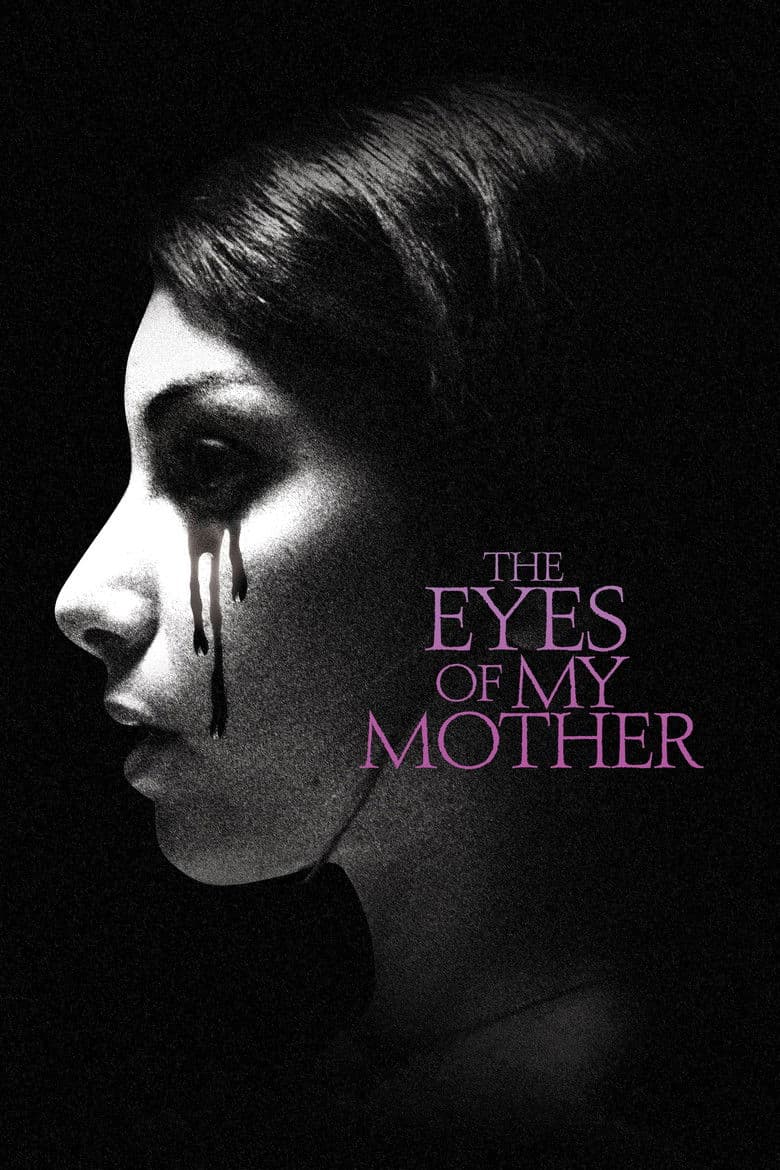
Movie · 2016
A young, lonely woman is consumed by her deepest and darkest desires after tragedy strikes her quiet country life.
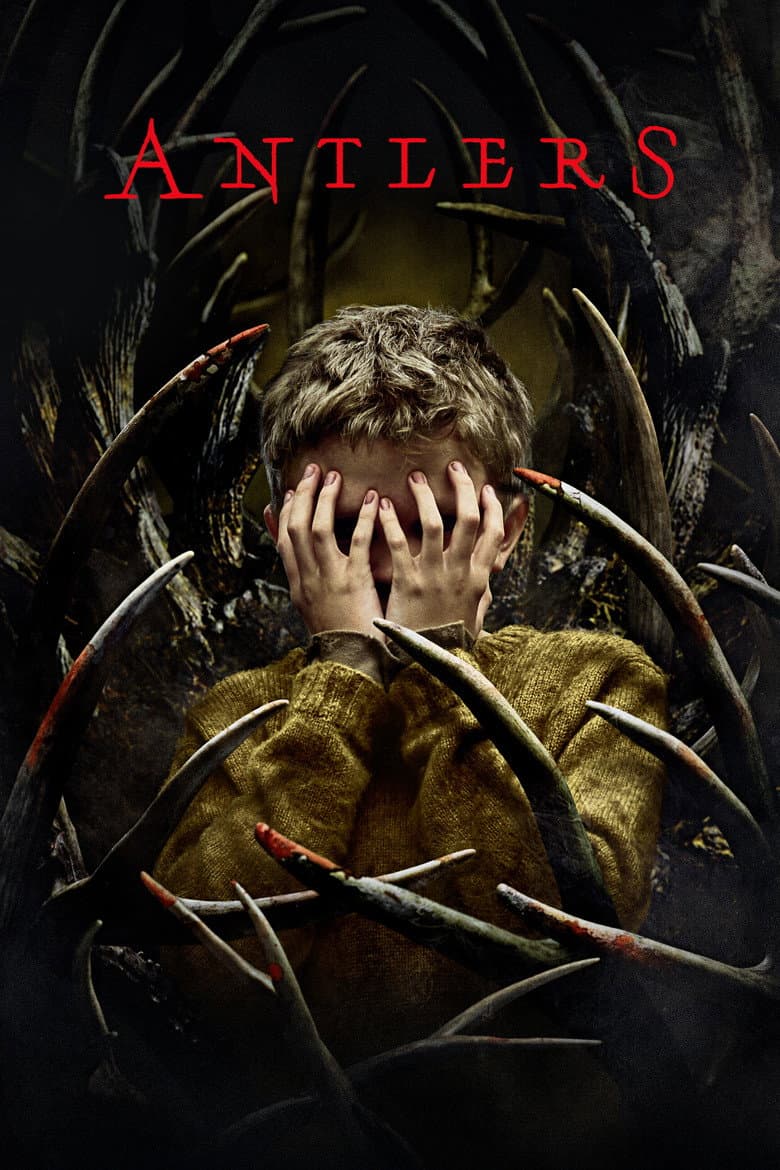
Movie · 2021
A small-town Oregon teacher and her brother, the local sheriff, discover a young student is harbouring a dangerous secret that could have frightening consequences.
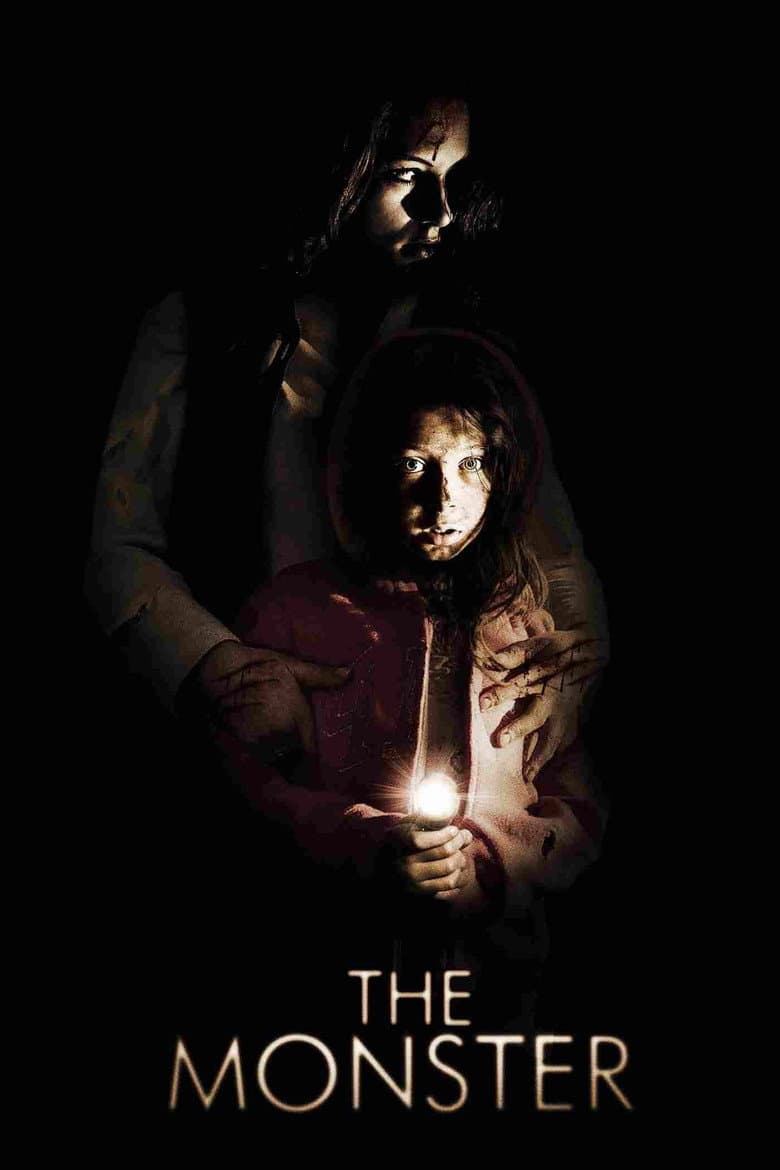
Movie · 2016
A mother and her 10-year old daughter are trapped in a forest. There is something in this forest. Something unlike anything they have heard before.
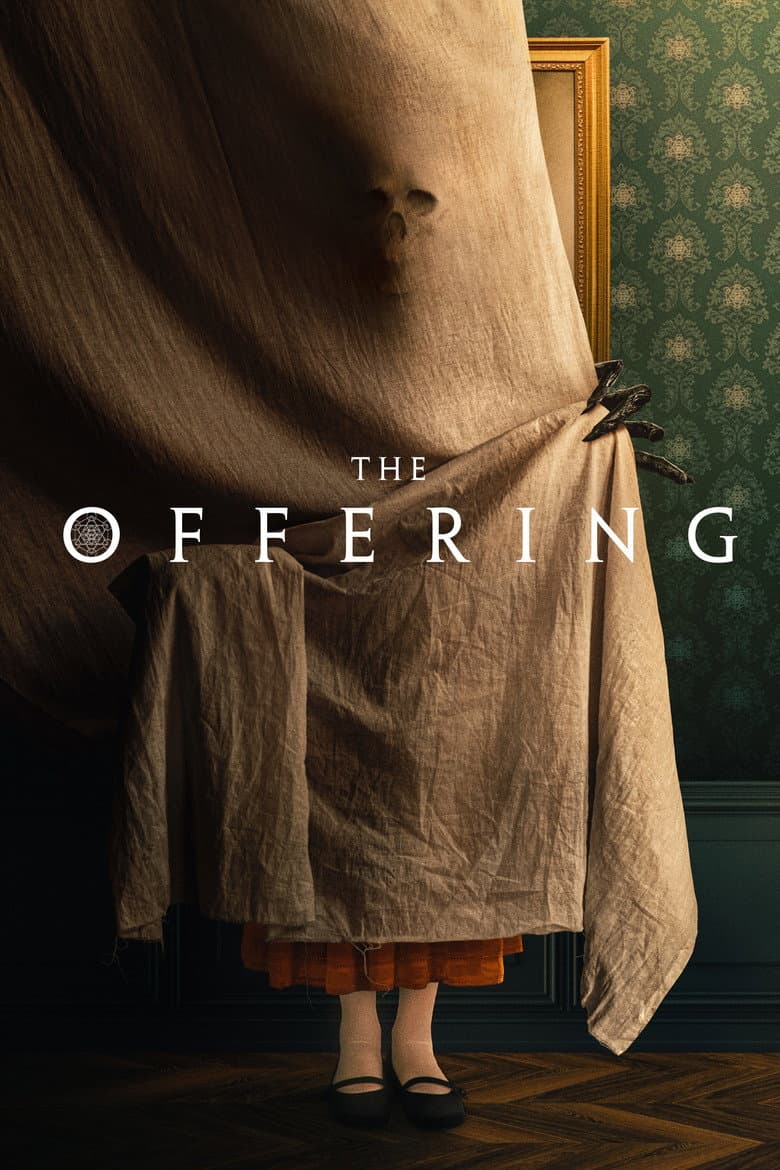
Movie · 2022
In the wake of a young Jewish girl’s disappearance, the son of a Hasidic funeral director returns home with his pregnant wife in hopes of reconciling with his father.
Movie · 2016
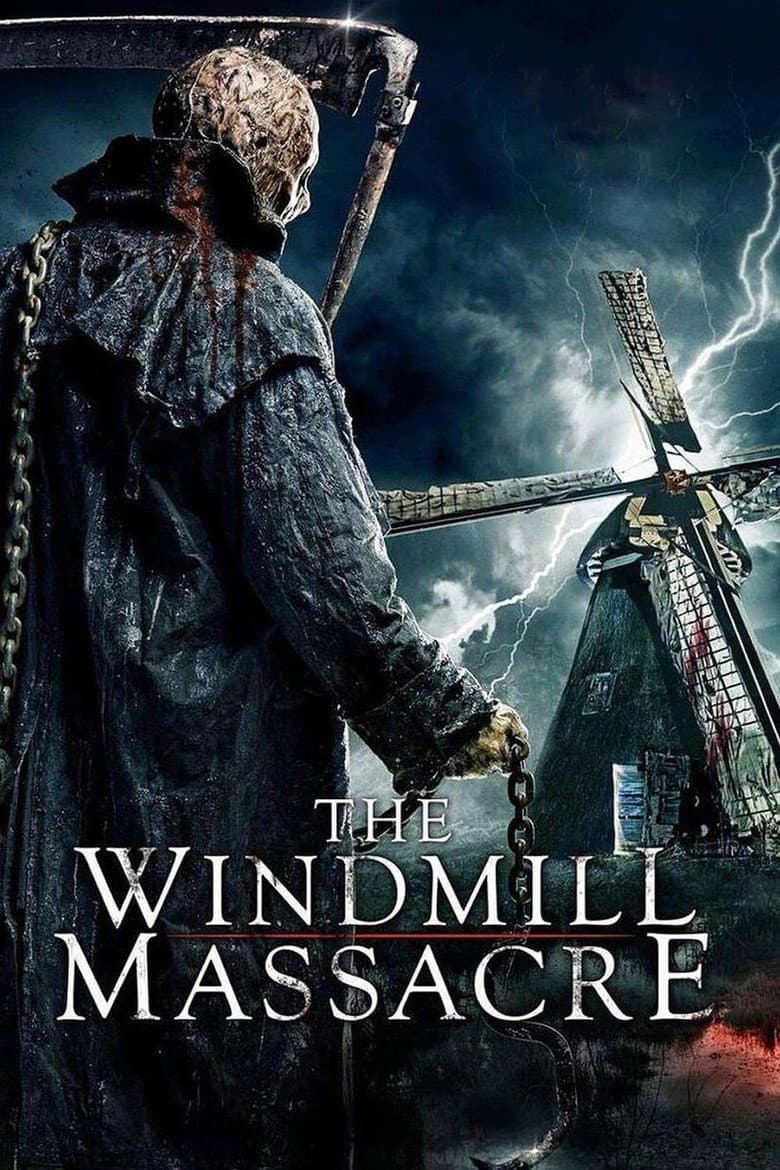
Jennifer, an Australian girl on the run from her past, turns up in Amsterdam and, in a desperate attempt to blend in, joins a coach-load of tourists on a tour of Holland's old…
