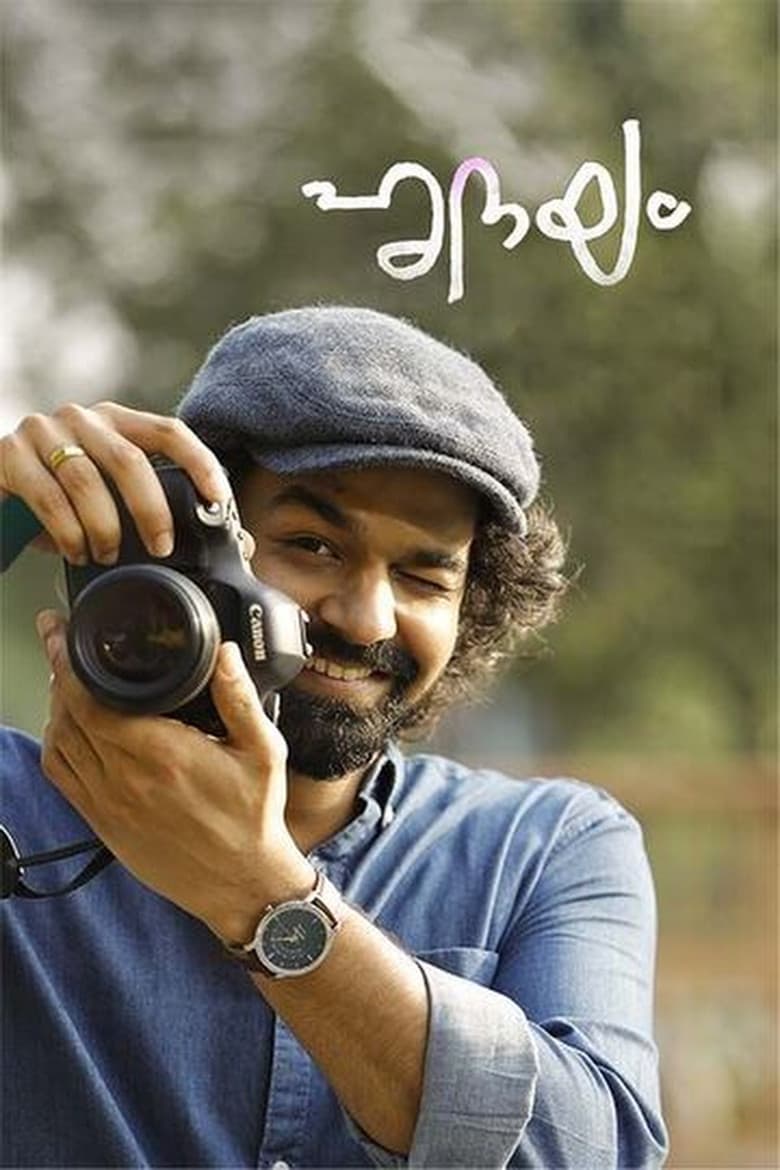
Hridayam follows Arun Neelakandan, a young Malayali man who leaves home for an engineering college in Chennai. He falls in love with Darshana, makes selfish choices, and spends years facing the results of his breakup and destructive college phase. Arun later discovers a love for photography, meets Nithya, marries her, and becomes a father. The film moves between campus fun, heartbreak, friendship, work, marriage, and parenthood with a warm, musical, nostalgic tone. Darshana refuses to excuse Arun's betrayal and later builds an independent life through her video work. Nithya earns her own income and says that she can support Arun if he loses his job, while women friends help each other during unsafe moments. The film treats Arun's jealousy, violence, and cruel ragging as faults that he must outgrow, which gives the romance a mild challenge to old ideas about male control. A playful scene places a devotional Rama song beside the couple eating beef and parotta, creating a brief clash with religious food custom without making that issue the main story.
Community feedback
Was our 43% Woke rating accurate?
Breakdown
These are the editorial factors and ratings behind our score for Hridayam.
Woke representation / casting
Not present. The lead cast is made up of Malayali students and adults in a Malayalam story set between Kerala and Chennai. The Tamil friend fits the Chennai college setting, and the film does not present its casting as a diversity message.
0%
Woke political dialogue
Nithya says she can take care of herself and can support Arun if he loses his job. Her father warns that men may feel bad if a wife earns more, and Nithya rejects that fear. The film uses this exchange as a clear gender-role message, but it does not repeat political speeches.
28%
Identity-driven story themes
Darshana calls out Arun's betrayal and refuses to excuse his behavior. Nithya earns her own money and says she can support Arun if he loses his job. Female friends help Darshana and Nithya in unsafe moments, and the women handle jealousy without turning against each other. These choices give women clear agency, but the story still follows Arun's life more than theirs.
34%
Western institutional / cultural critique
Arun becomes jealous, violent, and controlling after the breakup, and the film treats this phase as a fault. Darshana questions whether marriage could take away her freedom. Nithya rejects the idea that a man must provide for her. The film raises these points inside a personal romance and does not build a wider attack on Western institutions or social systems.
18%
Woke character or canon changes
Not relevant. Hridayam is an original story about Arun, Darshana, and Nithya. It does not retell established characters or a real historical event.
0%
Anti-woke backlash and complaints
Some Hindu nationalist and right-leaning users accused the film of mocking Hindu culture by showing beef and parotta with the devotional song Nagumomu. Several accounts repeated the complaint, and one post was reported to have reached 1.6 million views in 24 hours. South First and Onmanorama covered the dispute, and reactions were mixed. No boycott, review-bomb campaign, or wider backlash about DEI, race, gender swaps, girlboss writing, or LGBT themes was found.
40%
Creator track record context
Vineeth Sreenivasan's career is mainly built around romance, family stories, and youth films. His earlier work includes some socially aware or progressive choices, including Thira and Jacobinte Swargarajyam. His public record does not show a steady activist, DEI, queer, or anti-conservative campaign. Hridayam interviews focus on college memories, music, character growth, and casting actors around their natural personalities.
40%
Production
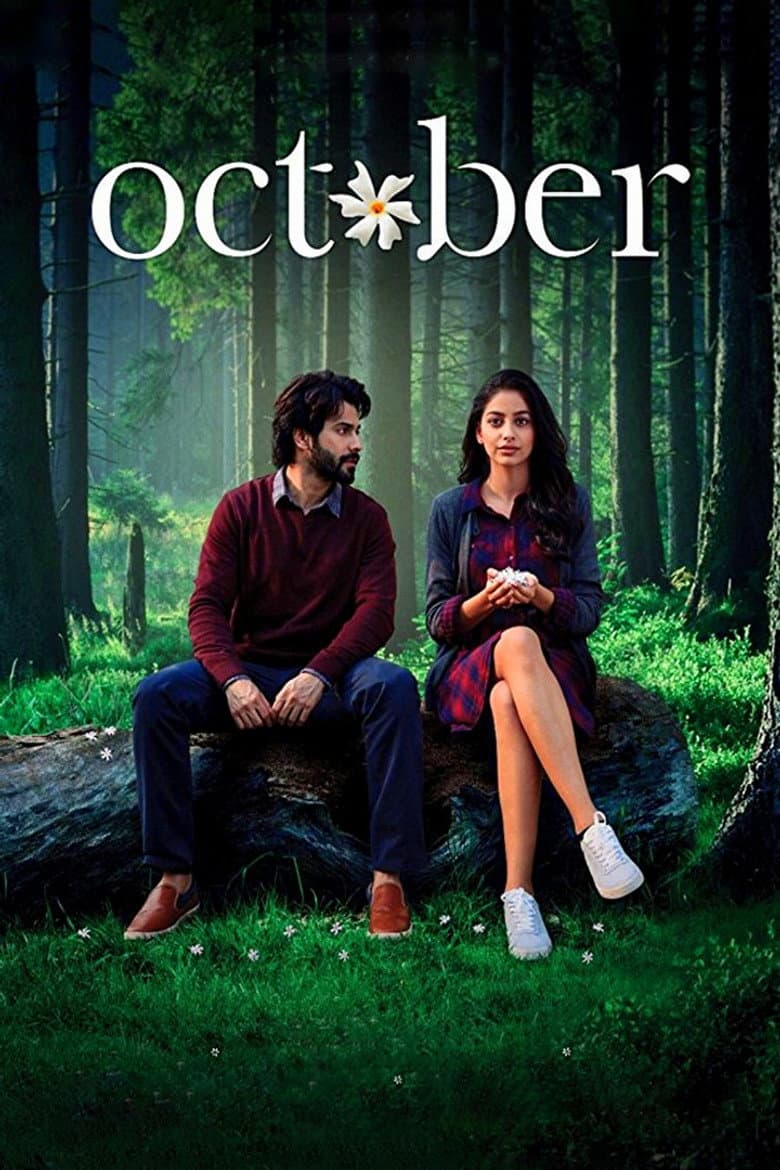
Movie · 2018
Dan, a 21-year-old carefree boy is always surrounded by a bunch of friends and fellow hotel interns who feed off each other's everyday moments, their ups and downs.
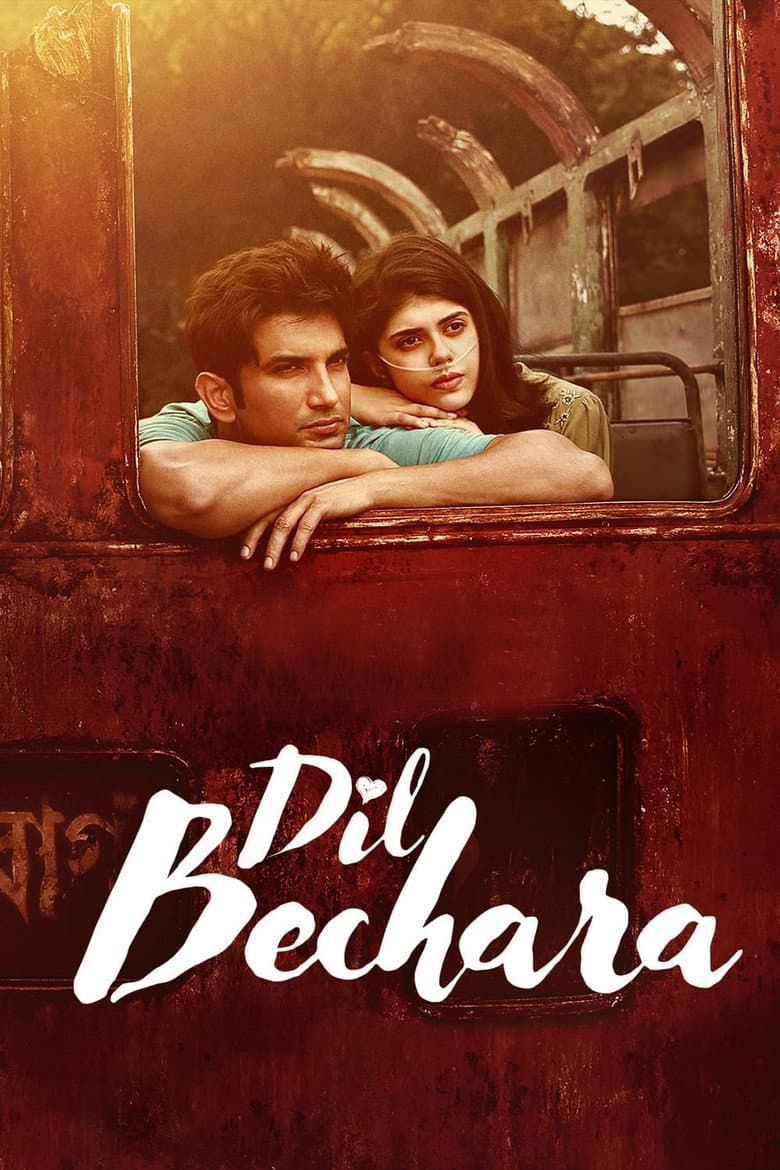
Movie · 2020
Kizie and Manny, two ordinary people brought together by a tragic twist, embark on a bittersweet and extraordinary journey into the heart of that crazy little thing called 'life'.

Movie · 2019
A family dog – with a near-human soul and a philosopher's mind – evaluates his life through the lessons learned by his human owner, a race-car driver.

Movie · 2021
Finley, a talented aspiring violinist, meets Beckett, a famous young movie star, on the way to her college semester abroad program in a small coastal village in Ireland.

Movie · 2022
The summer before college, Auden meets the mysterious Eli, a fellow insomniac. While the seaside town of Colby sleeps, the two embark on nightly quests to help Auden experience…

Movie · 2020
A widow with three children hires a handyman to fix her house during a major storm. When not doing home repairs, he shares his philosophy of believing in the power of the universe…

Movie · 2020
The true-life story of Christian music star Jeremy Camp and his journey of love and loss that looks to prove there is always hope.

Movie · 2016
High schoolers Mitsuha and Taki are complete strangers living separate lives. But one night, they suddenly switch places. Mitsuha wakes up in Taki’s body, and he in hers.
