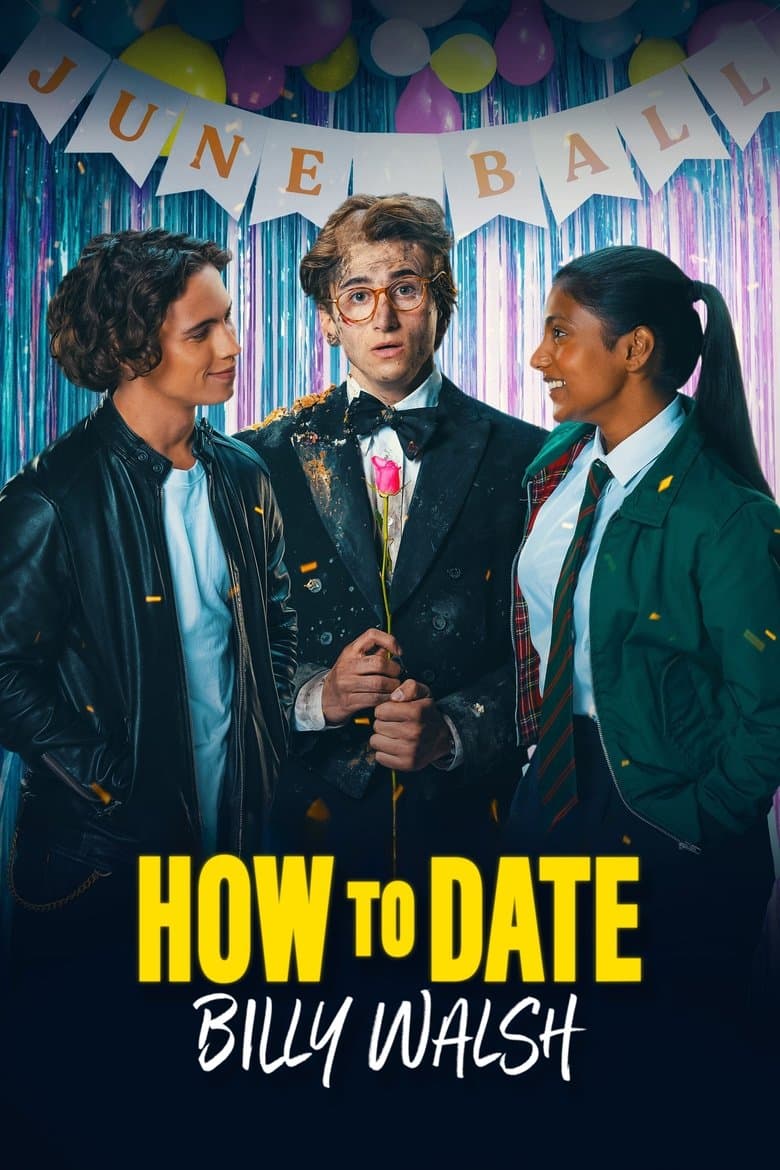
Archie has loved his best friend Amelia since they were children, but he hides his feelings until a new American student arrives at their British school. Amelia quickly falls for Billy Walsh, and Archie creates a fake online love doctor to break them apart. His tricks damage Amelia, Billy, and their friendship before Archie admits what he has done. The film uses bright colors, school dances, jokes, and talks to the audience to tell a messy teen romance.
The film has a diverse school cast, including a lead actress of Indian heritage, her Indian-heritage father, black supporting characters, and an openly gay student. Some boys at school wear dresses, and the film treats these details as normal parts of school life. These choices are visible but stay outside the main romance, which ends with Archie and Amelia together. The strongest message concerns jealousy, selfish behavior, apology, and the need to respect a friend's choices.
Community feedback
Was our 21% Woke rating accurate?
Breakdown
These are the editorial factors and ratings behind our score for How to Date Billy Walsh.
Woke representation / casting
The film gives the main girl role to an actress of Indian heritage and gives her an Indian-heritage father. The school also includes an outwardly gay student, black supporting characters, and boys wearing dresses in the background. This creates a noticeable diversity pattern in a private British school, and the lead actors linked the LGBTQ presence to showing the modern world. The film does not make race or sexuality a main problem in the story.
22%
Woke political dialogue
Not present. The characters talk about love, jealousy, sex, family, and school life. They do not make political, activist, DEI, or current social-issue speeches.
0%
Identity-driven story themes
The film includes an outwardly gay schoolmate and shows boys wearing dresses during school scenes. The lead actors described these details as LGBTQ representation that shows the modern world. The main plot still follows a straight love triangle and does not build its conflict around identity. The identity material is visible but remains a small side element.
16%
Western institutional / cultural critique
Not present. Archie behaves in a jealous and selfish way, but the film treats this as his personal mistake. The story does not connect his behavior to patriarchy, toxic masculinity, family systems, religion, capitalism, or a wider Western social claim.
0%
Woke character or canon changes
Not relevant. The film is an original teen romantic comedy with no established character, book, franchise, or historical event being changed.
0%
Anti-woke backlash and complaints
One Filmweb user review called the movie made according to the latest woke patterns. The comment gave no clear example of political or identity messaging. No major news report or large online campaign treated the movie as woke propaganda, so the complaint appears isolated.
5%
Creator track record context
Greer Taylor Ellison has worked on stories about refugees, racism, and class privilege. Alexander J. Farrell has made films about Syrian refugees and failures in American health insurance, and he says he wants socially engaged films with clear opinions. Casting director Rob Kelly promotes diversity, underrepresented voices, working-class actors, and LGBTQ+ performers. Alex Pillai and most producers have little documented activist or identity-focused history in the cached records.
25%
Production

Movie · 2020
A teenager lives out the hilarious and often tragic consequences of being lethally attractive, until he meets a girl with a congenital defect.
Movie · 2023
The dramatic comedy is based on the true story of writer and pinball wizard Roger Sharpe, chronicling his journey to overturn New York City’s 35-year ban on pinball.
Movie · 2020
A guy meets the woman of his dreams and invites her to his company's corporate retreat, but realizes he sent the invite to the wrong person.
Movie · 2019
Two young people arrive in New York to spend a weekend, but once they arrive they're met with bad weather and a series of adventures.
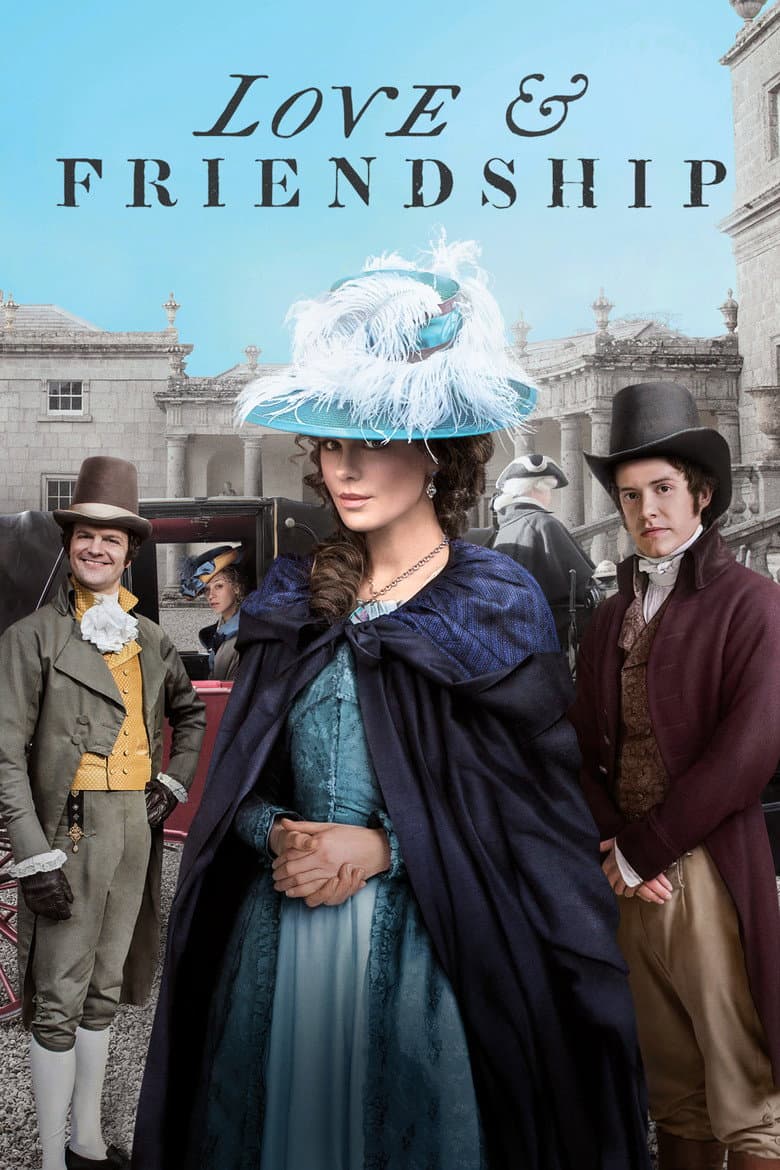
Movie · 2016
From Jane Austen’s novella, the beautiful and cunning Lady Susan Vernon visits the estate of her in-laws to wait out colorful rumors of her dalliances and to find husbands for…
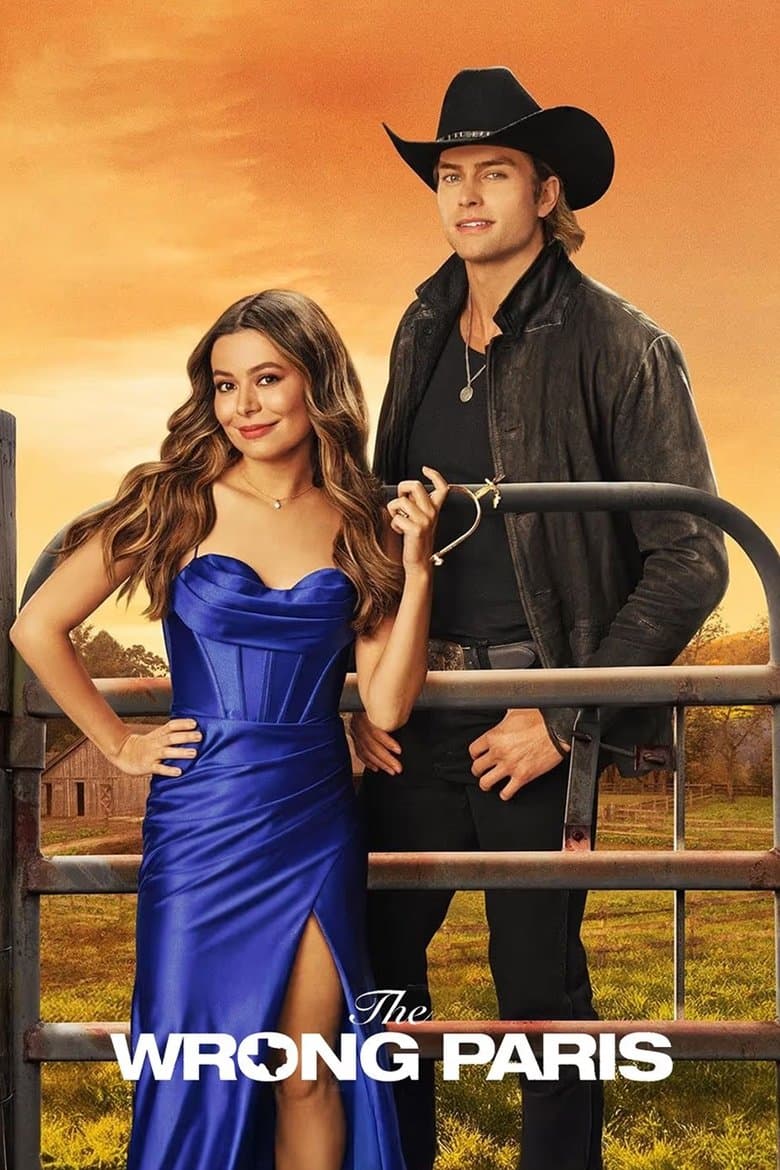
Movie · 2025
Dawn thinks she's joining a dating show in Paris, France, only to land in Paris, Texas. She has an exit plan — until sparks fly with the cowboy bachelor.
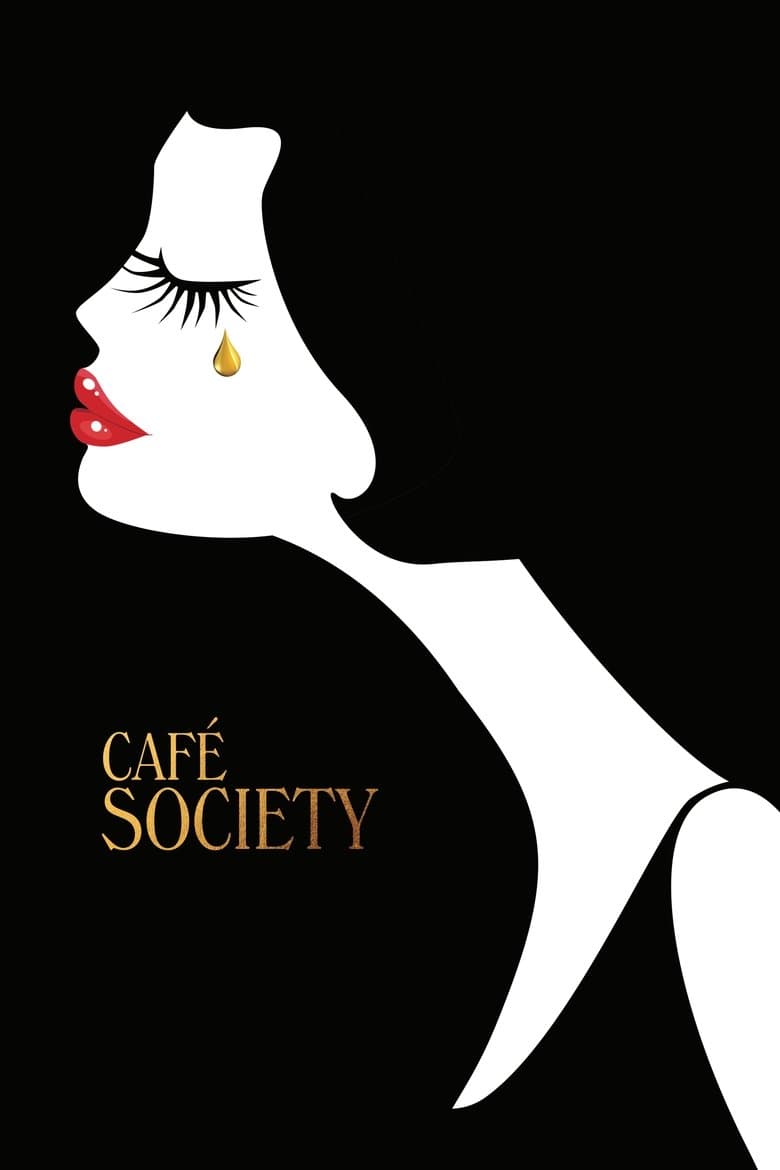
Movie · 2016
The story of a young man who arrives in Hollywood during the 1930s hoping to work in the film industry, falls in love, and finds himself swept up in the vibrant café society that…
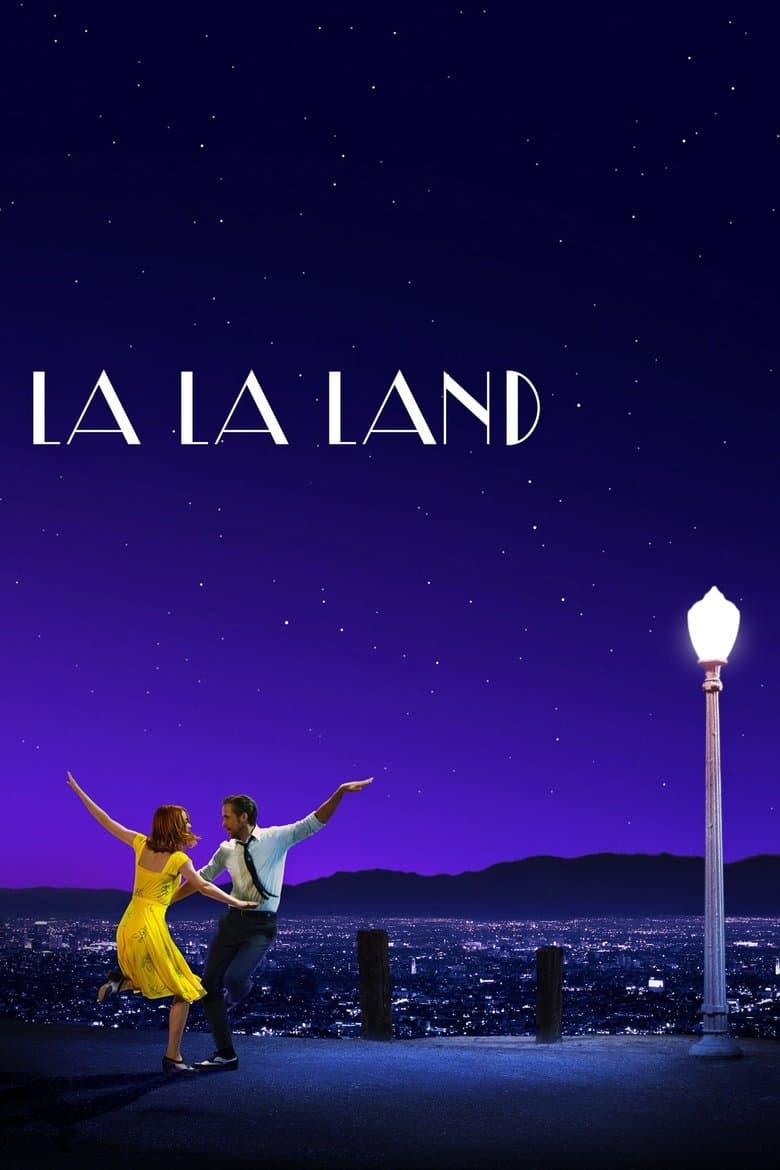
Movie · 2016
Mia, an aspiring actress, serves lattes to movie stars in between auditions and Sebastian, a jazz musician, scrapes by playing cocktail party gigs in dingy bars, but as success…
