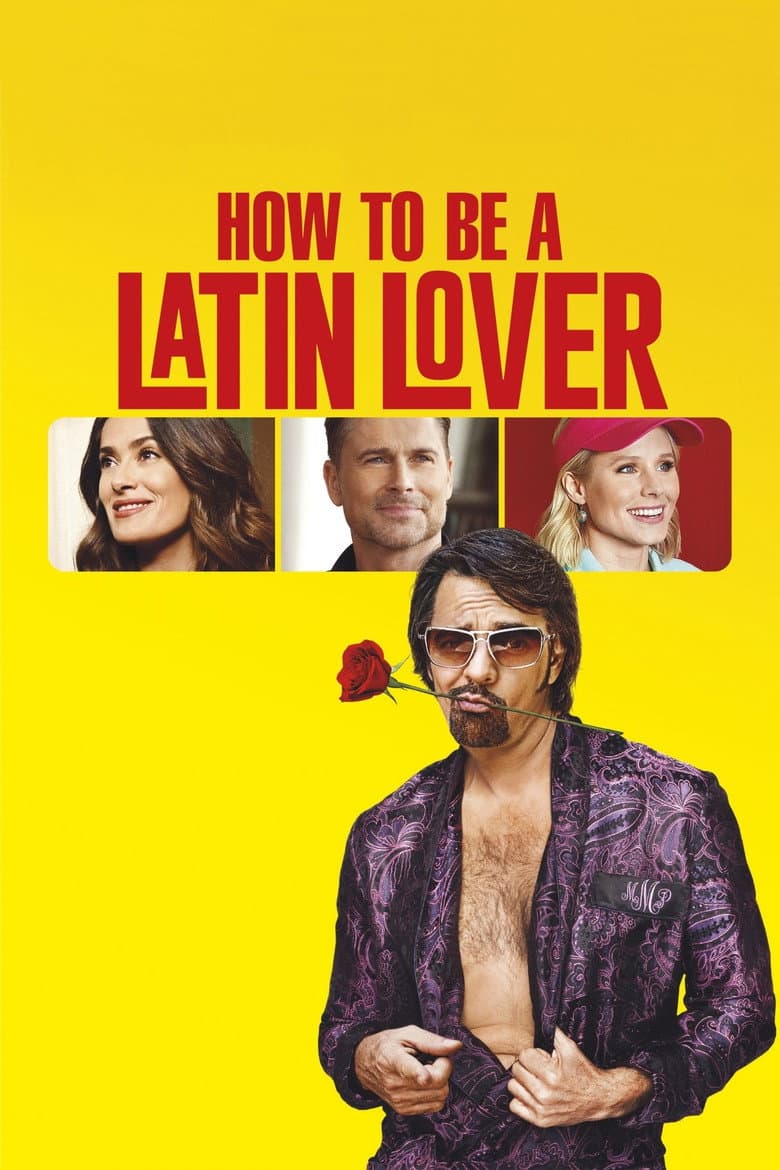
Maximo has spent 25 years living as the husband of a rich older woman who pays for his life. His life collapses when she leaves him for a younger man, so he moves in with his sister Sara and her son Hugo in Los Angeles. Maximo tries to find another wealthy wife while pretending to help Hugo win a school crush. The broad comedy follows his lies, work troubles, and slow return to family life.
The film gives visible space to Latino identity through two Mexican leads and Spanish family talk, but the casting fits the story. It flips the usual romance setup because wealthy women support men who act as trophies, while Sara is the responsible worker and Maximo is the joke. Maximo's sexist lessons to Hugo are treated as selfish and outdated. The story ends by valuing family, work, and respect more than money or status.
Community feedback
Was our 31% Woke rating accurate?
Breakdown
These are the editorial factors and ratings behind our score for How to Be a Latin Lover.
Woke representation / casting
Not present. The main Mexican characters are played by Mexican actors, and their Spanish use fits their family background. The film does not show an engineered mixed group or an identity-swapped role.
0%
Woke political dialogue
Not present. Maximo gives Hugo sexist advice about women and dating. Those lines are old-fashioned jokes from a selfish character, not modern activist or identity-politics dialogue.
0%
Identity-driven story themes
Women hold most of the money and romantic power in the main plot. Maximo and Rick are kept men whose looks are their main value, while Sara is the steady worker and parent. Maximo becomes the selfish joke as the women control his fate. The movie uses this role reversal for comedy and a family lesson rather than a clear activist message.
38%
Western institutional / cultural critique
The film makes Maximo's male entitlement and sexist dating advice look foolish. The film contrasts him with Sara, who works and protects her son while he depends on women. The lesson stays personal and centers on family and respect. The story does not attack Western institutions, religion, capitalism, or society as a whole.
24%
Woke character or canon changes
Not relevant. The movie is an original comedy about Maximo and his family. It does not change an established character, source, or real historical event.
0%
Anti-woke backlash and complaints
Not present. The supplied X pass found no anti-woke complaints. Other reviews questioned stereotypes or representation, but they did not say the movie was pushing woke or DEI politics. No credible boycott or culture-war campaign was found in the other public coverage.
0%
Creator track record context
Eugenio Derbez and Ben Odell have a public focus on Latino representation and breaking Hollywood stereotypes. Deborah Aquila has spoken about wider chances for women and diverse talent. The writers, director, and other producers have mainly comedy or business records. This gives the film mild creator track record context without showing a broad activist record.
28%
Production

Movie · 2022
Exploring every facet of ‘Weird Al’ Yankovic’s life, from his meteoric rise to fame with early hits like ‘Eat It’ and ‘Like a Surgeon’ to his torrid celebrity love affairs and…
Movie · 2016
Two teenage boys from inner-city Cork steal bicycles and ride off on a 160km quest to find an unrecovered bale of cocaine worth 7,000,000 euros.
Movie · 2016
A comedy that follows a group of friends as they navigate their way through the freedoms and responsibilities of unsupervised adulthood.
Movie · 2023
A chaotic intervention. An action-packed stay in rehab. After a weird couple of years, John Mulaney comes out swinging in his return to the stage.
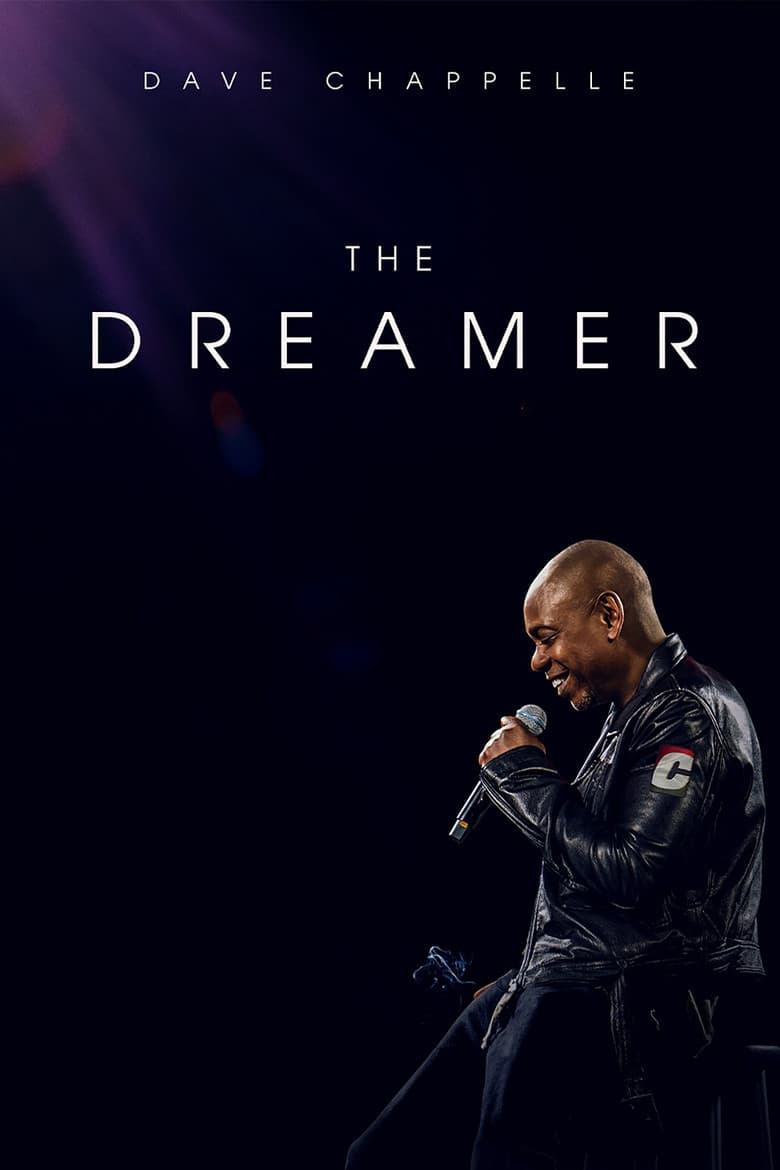
Movie · 2023
From his onstage tackle to the slap heard round the world, Dave Chappelle lets loose in this freewheeling and unfiltered stand-up comedy special.
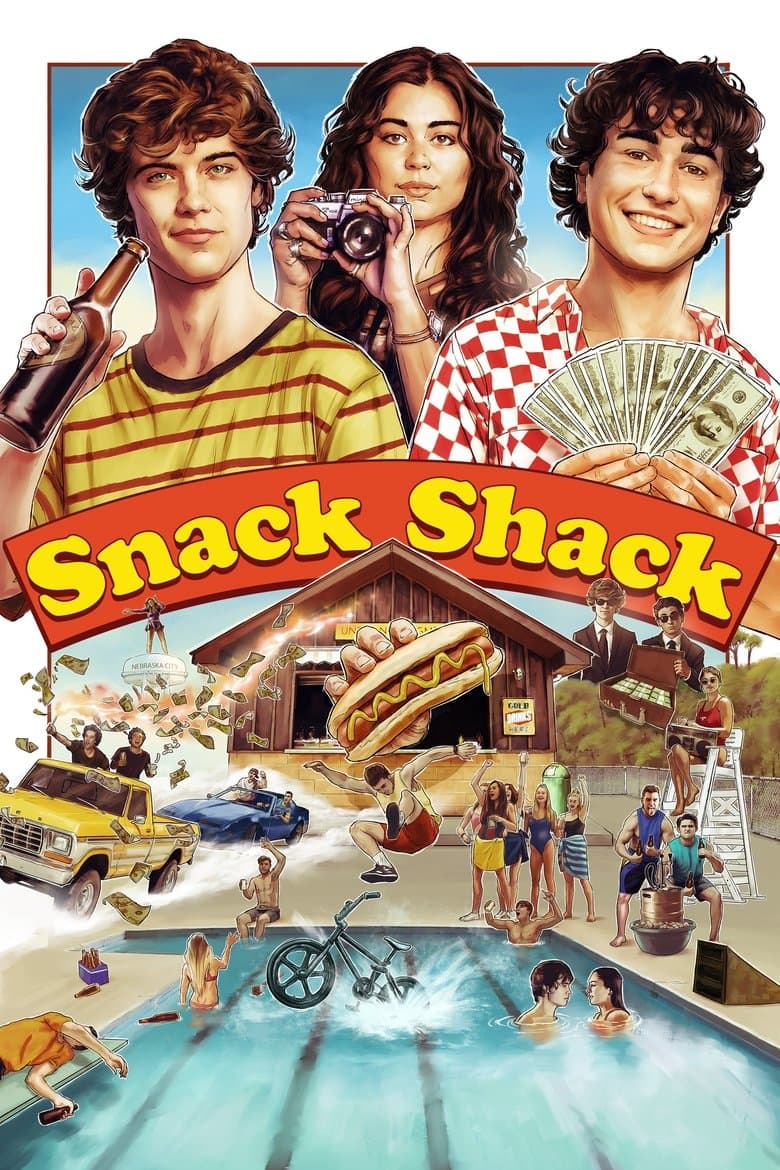
Movie · 2024
Inseparable best friends AJ and Moose decide to run the local pool's snack shack after their plan to sell home-brewed beer goes down the drain.
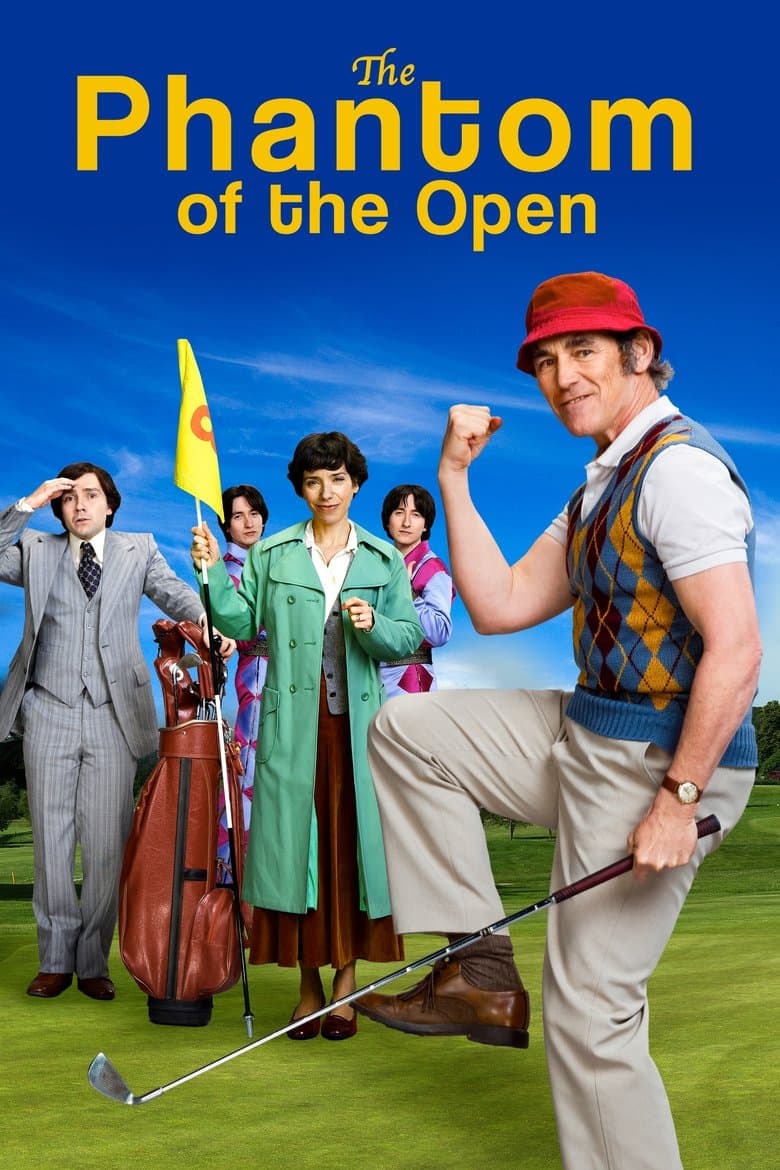
Movie · 2022
Maurice Flitcroft, a dreamer and unrelenting optimist, managed to gain entry to The British Open Golf Championship qualifying in 1976 and subsequently shot the worst round in Open…
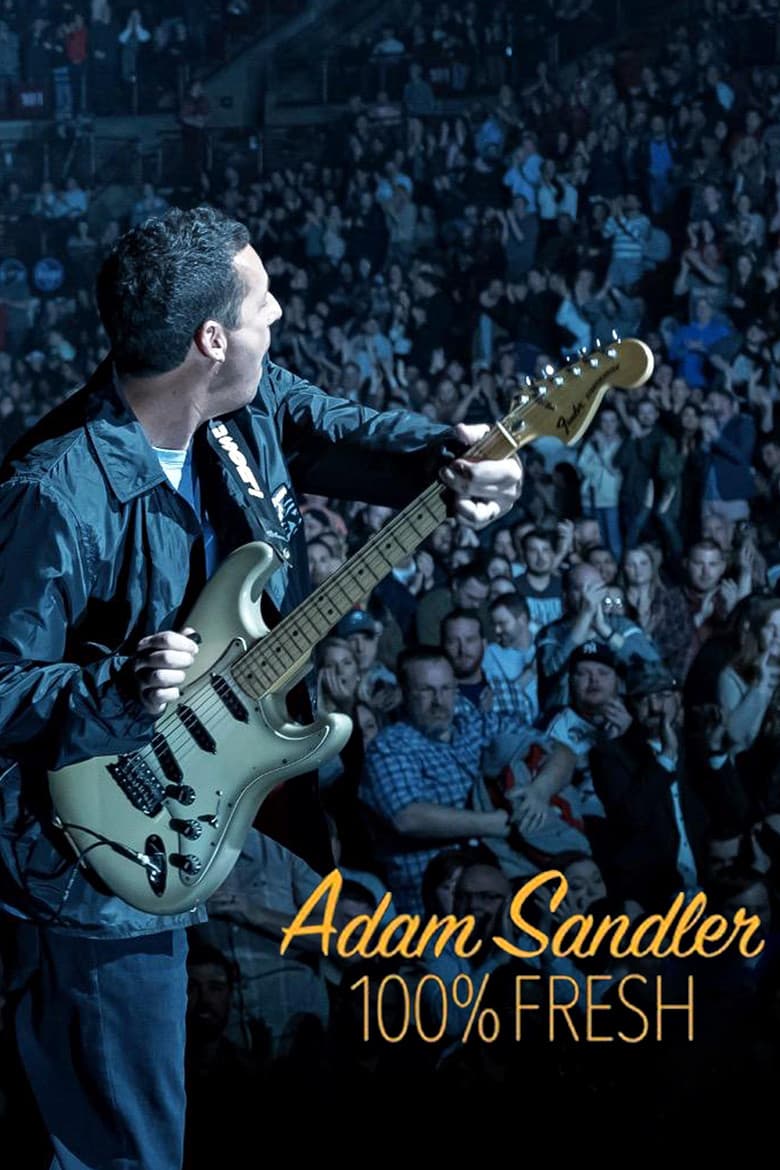
Movie · 2018
Adam Sandler takes his comical musical musings back out on the road, from comedy clubs to concert halls to one very unsuspecting subway station.
