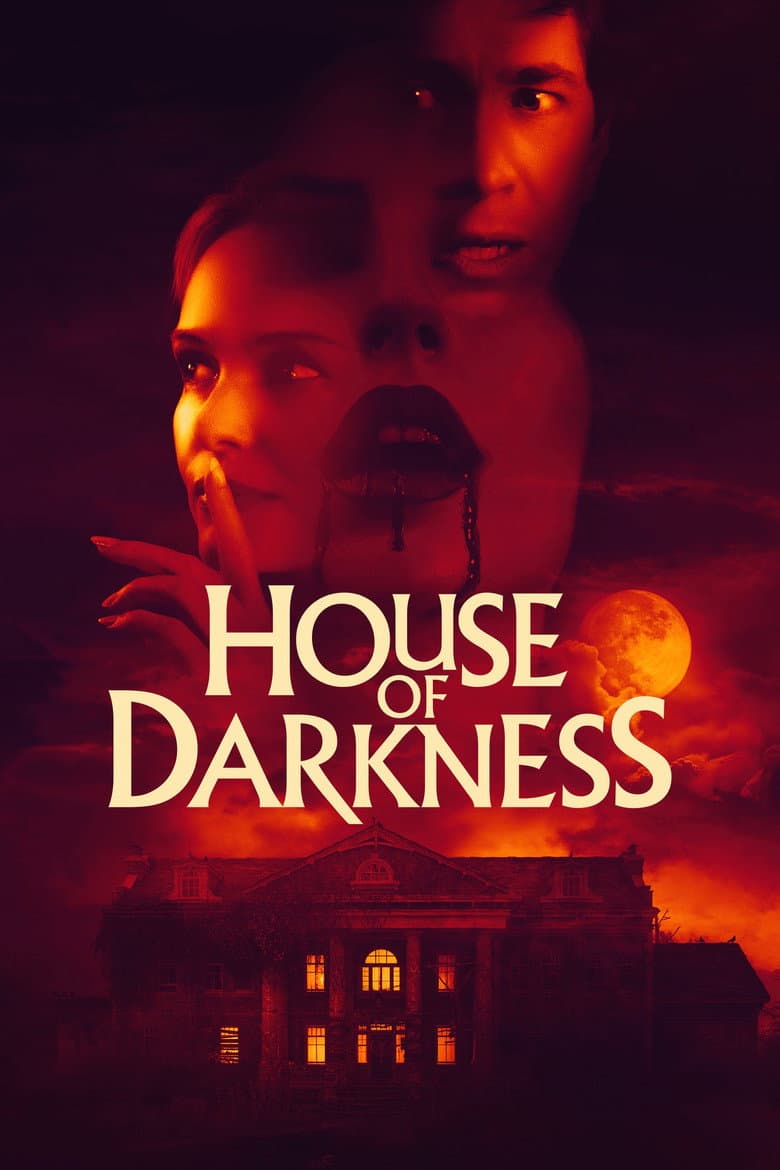
Hap Jackson meets Mina at a bar and drives her to her lonely country mansion, hoping the night will end in sex. Mina welcomes him inside, but her strange questions and the dark house make the visit feel unsafe. Her sisters Lucy and Nora appear as the night grows longer, and the house hides a deadly secret. The slow horror comedy follows Hap as his charm, lies, and growing fear pull him toward a bloody trap.
The film makes gender power part of the main conflict. Hap acts like a nice man, but he treats the date as a prize and assumes he can control the room. The sisters tell a revenge story about women who were hurt by men, then turn that story against him. Their control, his weakness, and the warning about male entitlement shape most of the dialogue and the ending.
Community feedback
Was our 69% Woke rating accurate?
Breakdown
These are the editorial factors and ratings behind our score for House of Darkness.
Woke representation / casting
Not present. The main cast has three women and one man because the story centers on three vampire sisters and a male visitor. The film does not frame their casting as a diversity statement.
0%
Woke political dialogue
Hap talks about sex, lying, and his wish to control the night. Lucy tells a long story about women who were raped and then hunted sexual predators. The sisters question Hap’s honesty, marriage, and moral choices. The dialogue returns to male entitlement and fear across the visit.
47%
Identity-driven story themes
The film makes gender power the main subject of its horror. Hap’s male confidence and sexual entitlement lead him into a trap. The sisters present their history as revenge against men who hurt women and as a test of his behavior. The story turns a casual date into a warning about male control, fear, and violence.
64%
Western institutional / cultural critique
The film criticizes everyday dating culture and the idea that a man should control a sexual encounter. Hap’s confidence is treated as a danger. The sisters question the gender rules behind it. The film does not attack a government, church, company, or other Western institution.
30%
Woke character or canon changes
The film reworks Bram Stoker’s brief vampire sisters into the main characters. The sisters become modern women who hunt men and explain their actions through a revenge story about women harmed by men. The film keeps their female gender and does not use a race swap. The rewrite gives the old characters a new gender-politics role that shapes the whole plot.
38%
Anti-woke backlash and complaints
Some Reddit viewers called the movie man-hating and said it treats all men as guilty. Other comments called the revenge story feminist claptrap or said the sisters kill men without fair reason. Most public reviews focused on the slow pace, weak writing, and predictable ending instead. The supplied X research found no anti-woke posts, so the backlash appears limited and fringe.
24%
Creator track record context
Neil LaBute’s stored creator score is 41/100. His past work often examines harsh male-female power struggles and challenges political correctness. His earlier work also used a female Dracula. The cached producer notes show little public activist or DEI history among the producers.
41%
Production
Movie · 2017
In downtown Madrid, a series of mysterious gunshots trap a motley assortment of people in a decrepit bar.
Movie · 2020
A man with a mysterious past flees the country to escape his own personal hell... only to arrive somewhere much worse.
Movie · 2018
In a suburban community, moms and dads, one after the other, mysteriously feel the irresistible impulse to attack and kill their own offspring.

Movie · 2025
After escaping from a mental hospital, a violent sociopath named Paul begins a dangerous rampage targeting Sofia, a world-famous pop star.

Movie · 2016
Horror junkie Joe Foster gets to live out his ultimate scary movie fantasy courtesy of Fear Inc., a company that specializes in giving you the fright of your life.

Movie · 2021
Paranormal investigators Ed and Lorraine Warren encounter what would become one of the most sensational cases from their files.
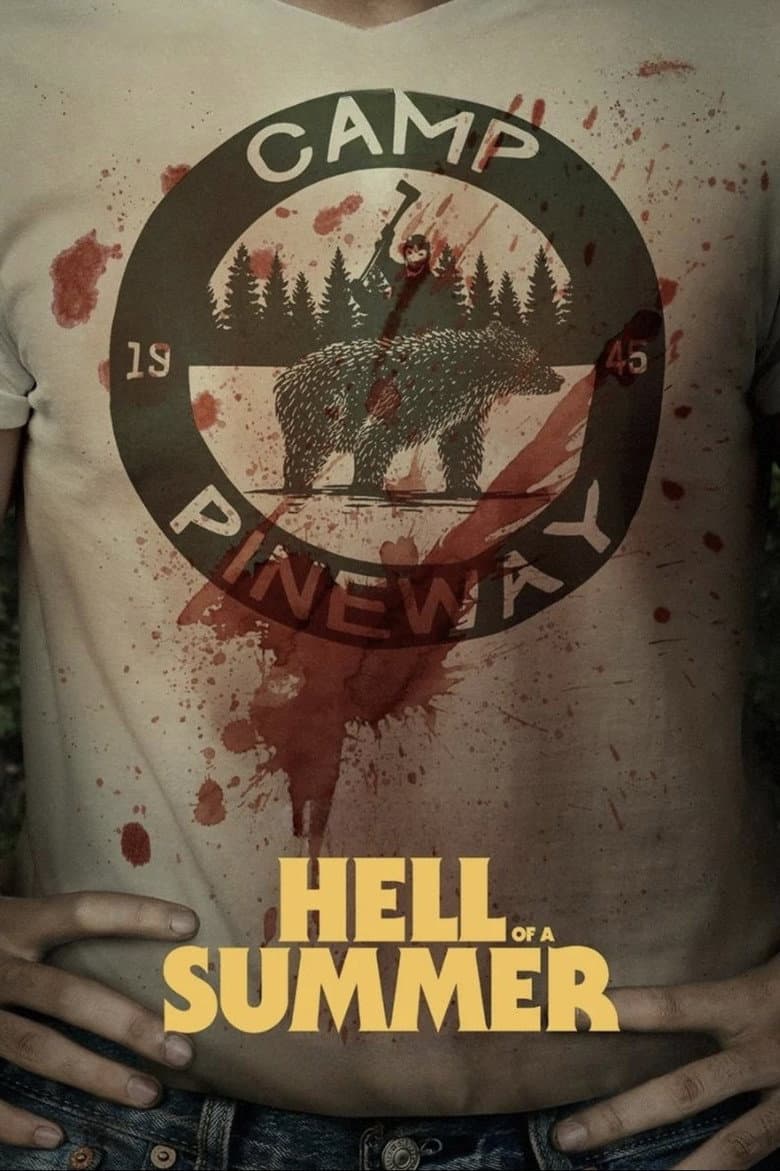
Movie · 2025
When 24-year-old Jason Hochberg arrives for counsellor weekend at his beloved Camp Pineway, his biggest problem is feeling out of touch with his teenage co-workers.
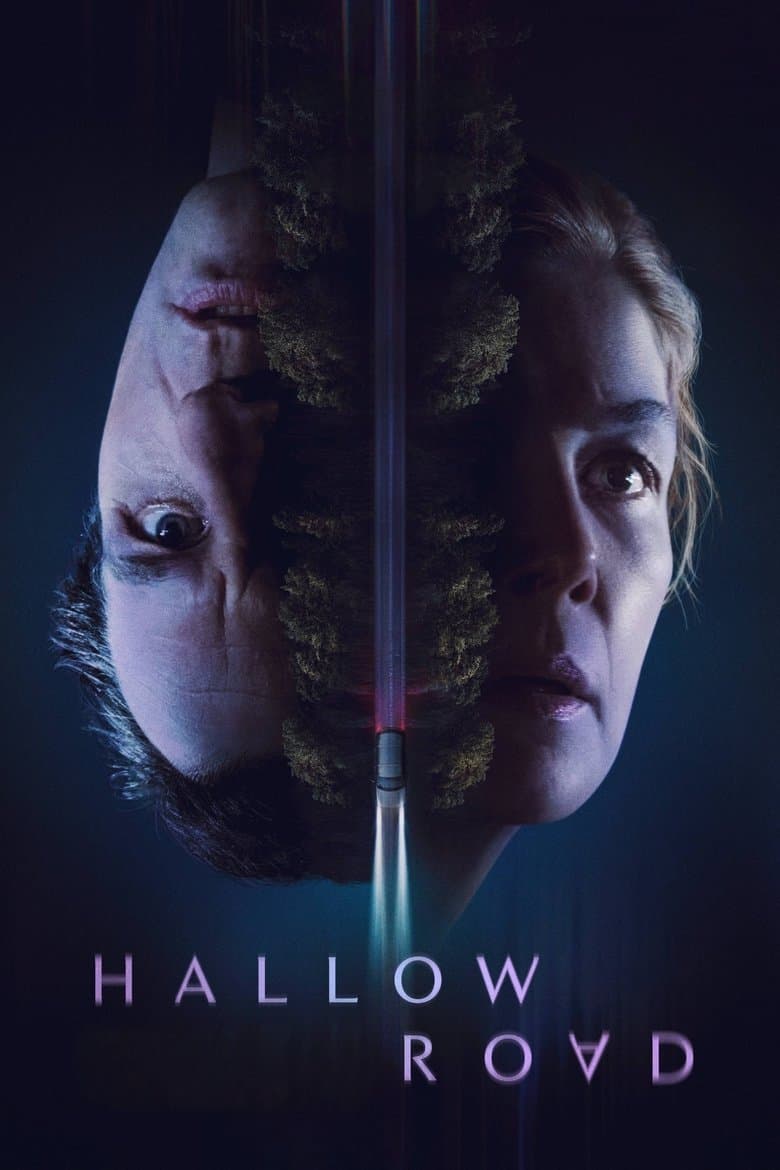
Movie · 2025
Two parents enter a race against time when they receive a distressing late-night phone call from their daughter after she caused a tragic car accident.
