
High Life follows Monte, a convicted killer who lives alone with his baby daughter, Willow, on a failing spaceship. Years earlier, a group of death-row prisoners accepted a mission toward a black hole in hope of earning freedom. A doctor used the crew for dangerous experiments while the ship moved farther from Earth. Monte must repair the ship, raise Willow, and face the truth about how she was born. The film feels cold, slow, strange, and often disturbing.
The film puts sex, reproduction, consent, and control of the body at the center of the story. Dr. Dibs controls sperm, pregnancy, drugs, and medical tests, while Monte is sexually assaulted so his sperm can be used. The story also presents death-row prisoners as disposable tools for a government science mission, which gives the film a clear criticism of punishment and institutional abuse. These ideas matter to the plot, but the movie does not use direct activist speeches or a clear modern identity campaign.
Community feedback
Was our 38% Woke rating accurate?
Breakdown
These are the editorial factors and ratings behind our score for High Life.
Woke representation / casting
Not present. The film uses an international group of prisoners, including women in medical and pilot roles. It does not present the casting as a diversity message or show a clear representation-first pattern.
0%
Woke political dialogue
Not present. The characters do not give direct speeches about modern identity politics, DEI, or current left-wing causes. Their conversations focus on survival, sex, crime, loneliness, and the mission.
0%
Identity-driven story themes
The film makes reproduction, sexual control, consent, and bodily autonomy central to the plot. Dr. Dibs controls the crew’s bodies and uses forced insemination to create a child. Monte is sexually assaulted, while another woman faces an attempted assault by a male prisoner. The story explores gender and sexual power in a strong but unclear way without using modern activist slogans.
44%
Western institutional / cultural critique
The film sends death-row prisoners into space as disposable test subjects for a government mission. The crew is lied to, drugged, and kept alive through strict daily reports. The story shows punishment and scientific authority as cruel, but it does not turn that idea into a broad attack on modern Western culture.
29%
Woke character or canon changes
Not relevant. The film is an original story. It does not change an established character, canon, or historical figure.
0%
Anti-woke backlash and complaints
Not present. No qualifying anti-woke backlash was found. Public complaints focused on graphic sex, sexual violence, slow pacing, confusing storytelling, and the film’s strange art-house style.
0%
Creator track record context
Claire Denis has a recurring record of work about colonialism, race, gender, sexuality, power, and bodily autonomy. Jean-Pol Fargeau has similar themes through long collaborations with Denis. The other key creators have weaker or mixed public records, so the creator signal is meaningful but not dominant.
43%
Production
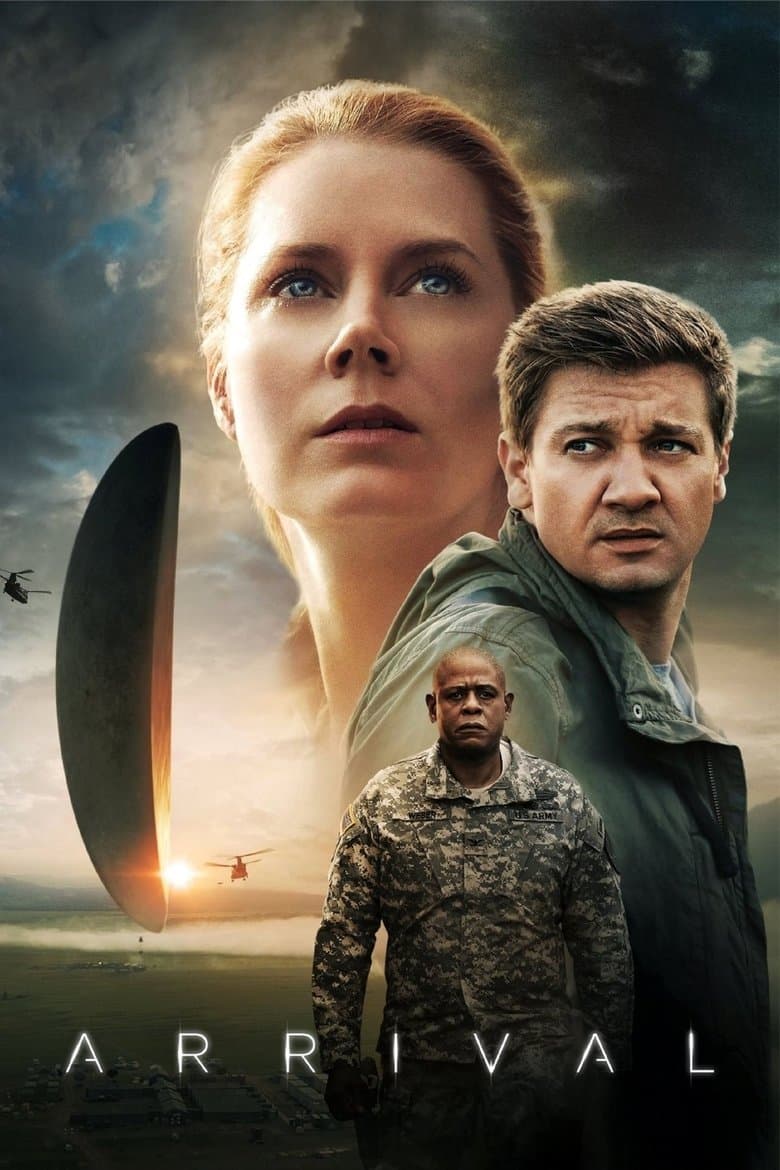
Movie · 2016
Taking place after alien crafts land around the world, an expert linguist is recruited by the military to determine whether they come in peace or are a threat.
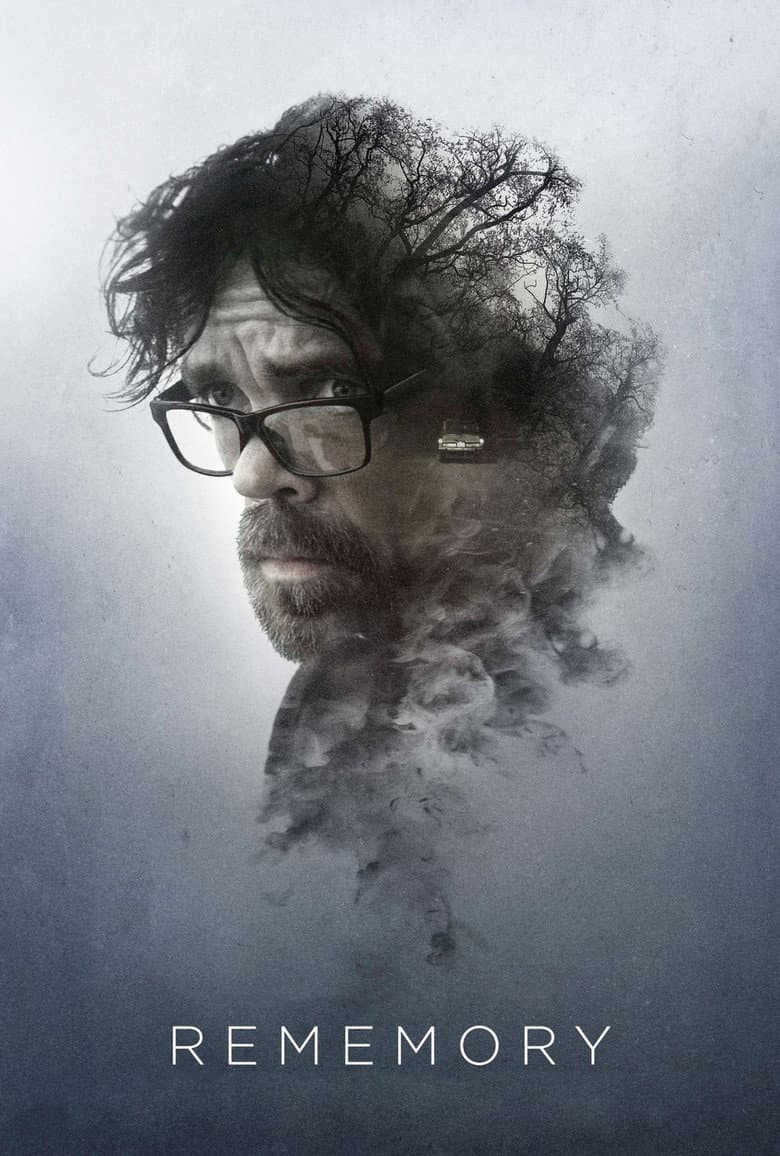
Movie · 2017
The widow of a wise professor stumbles upon one of his inventions that's able to record and play a person's memory.

Movie · 2017
Thirty years after the events of the first film, a new blade runner, LAPD Officer K, unearths a long-buried secret that has the potential to plunge what's left of society into…

Movie · 2021
Eva, a mysterious doctor, searches for an answer to her urgent dilemma as she unravels Dr. Anmuth's Book of Vision.

Movie · 2026
Through unlikely bonds formed during night shifts at a local aquarium, Tova, an elderly widow, learns of a life-changing discovery that may bring her joy and wonder once again.

Movie · 2017
Caesar and his apes are forced into a deadly conflict with an army of humans led by a ruthless Colonel. After the apes suffer unimaginable losses, Caesar wrestles with his darker…
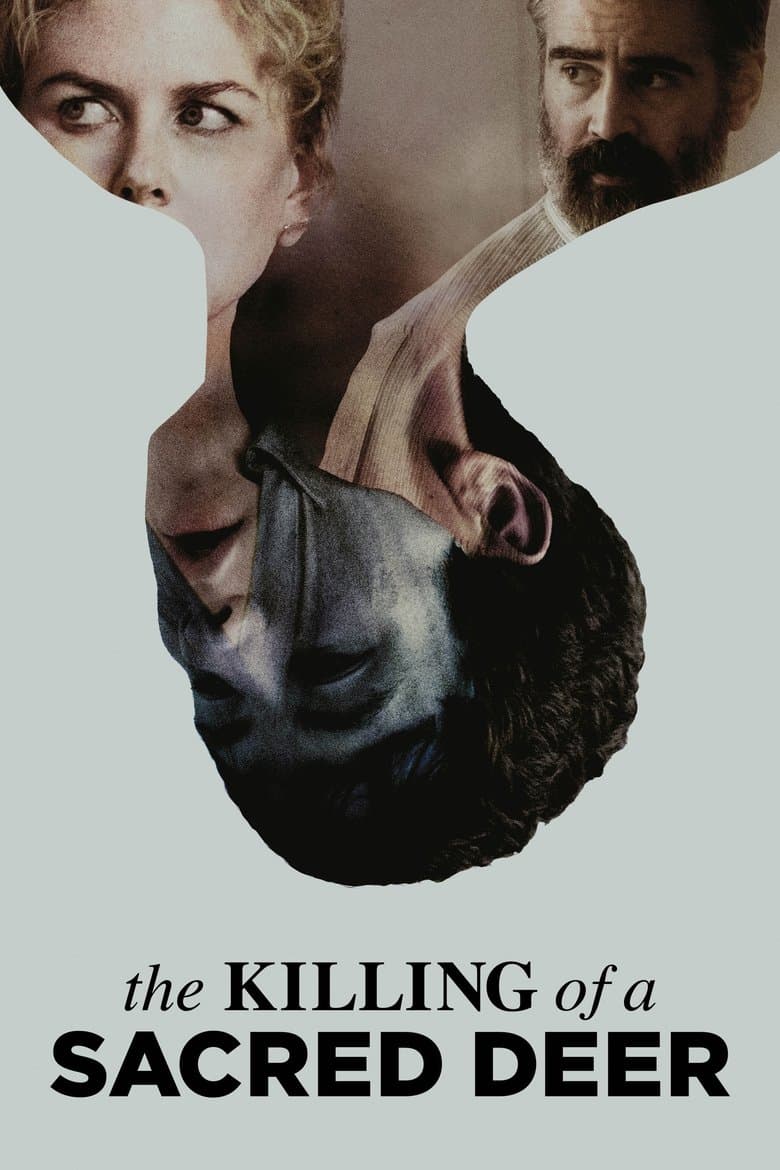
Movie · 2017
Dr. Steven Murphy is a renowned cardiovascular surgeon who presides over a spotless household with his wife and two children.

Movie · 2021
In the near future, Cameron Turner is diagnosed with a terminal illness. Presented with an experimental solution to shield his wife and son from grief, he grapples with altering…
