Vanessa Shepherd hosts the TV mystery show Morning Mysteries, and Russell Wynn hires her to film his new theater show inside the abandoned Abaddon Hotel. The building is due to be torn down, but Russell buys it and fills it with actors, workers, and visitors for a dark version of Faust. Vanessa and her cameraman Louie see ghosts, moving clown figures, and signs that a cult wants to open a gate to Hell. The film uses a grim found-footage style, with long talks and sudden bursts of violence.
The film includes a small modern workplace gender theme. Vanessa fears that male co-workers will call her crazy or difficult if she admits that she saw something that cannot be explained. Other characters joke about sexism and say that women are tougher than men. Harvey is shown as a flamboyant gay member of the theater group, but gender and sexuality remain side details while the main story follows a haunted hotel, a satanic cult, and a possible angel who stops the gate.
Community feedback
Was our 35% Woke rating accurate?
Breakdown
These are the editorial factors and ratings behind our score for Hell House LLC III: Lake of Fire.
Woke representation / casting
Not present. The film has a present-day TV and theater group whose casting fits the setting. No prominent casting choice is framed as a diversity statement or as a mismatch with the story world.
0%
Woke political dialogue
The film uses several direct gender lines. One character says Jane is tough for a girl, and another answers that women are tougher than him. Vanessa fears that male co-workers will call her crazy or difficult and names sexist talk about women at work. A short joke also labels a scare as sexist. These lines are recurring but brief beside the supernatural plot.
40%
Identity-driven story themes
Vanessa's fear of being dismissed as a woman shapes part of her choice to stay and investigate. The film also gives Harvey a visible flamboyant gay role in the theater group. These identity elements recur in character scenes, but they do not drive the cult or haunted-hotel plot. The main conflict remains supernatural rather than identity-based.
35%
Western institutional / cultural critique
The film briefly criticizes workplace sexism. Vanessa expects male colleagues to call her crazy or difficult after she reports danger. The crew also jokes about men and women at work. The story does not attack Christianity, family, capitalism, or Western institutions.
24%
Woke character or canon changes
Not relevant. The film continues its own fictional story. It does not change a character's race, gender, sexuality, or hero role.
0%
Anti-woke backlash and complaints
Not present. The supplied X pass found no anti-woke posts, boycott, or review-bombing. Web and Reddit reactions focused on scares, effects, plot, and the ending instead of woke or identity messaging.
0%
Creator track record context
Stephen Cognetti is mainly known for independent supernatural horror and has no clear activist record. Joe Bandelli's biography mentions diversity and inclusion. Joe Dain produced the LGBTQ coming-of-age film Geography Club, and Jim Klock produced a documentary about race and minority representation in policing. This gives mild context, but no strong activist pattern is tied to this film.
13%
Production
Movie · 2018
Eight years after the opening night tragedy of HELL HOUSE LLC, many unanswered questions remain. Thanks to an anonymous tip, an investigative journalist is convinced that key…
Movie · 2023
A group of cold case investigators stay at the Carmichael Manor, site of the grisly and unsolved murders of the Carmichael family back in the eighties.
Movie · 2021
A lone drifter suffering from partial memory loss accepts a job to look after a psychologically troubled woman in an abandoned house on an isolated island.
Movie · 2016
A stranger arrives in a little village and soon after a mysterious sickness starts spreading. A policeman is drawn into the incident and is forced to solve the mystery in order to…
Movie · 2018
After suspecting that their police officer neighbor is a serial killer, a group of teenage friends spend their summer spying on him and gathering evidence, but as they get closer…
Movie · 2016
In the middle of a routine patrol, officer Daniel Carter happens upon a blood-soaked figure limping down a deserted stretch of road.
Movie · 2020
A man providing overnight watch to a deceased member of his former Orthodox Jewish community finds himself opposite a malevolent entity.
Movie · 2018
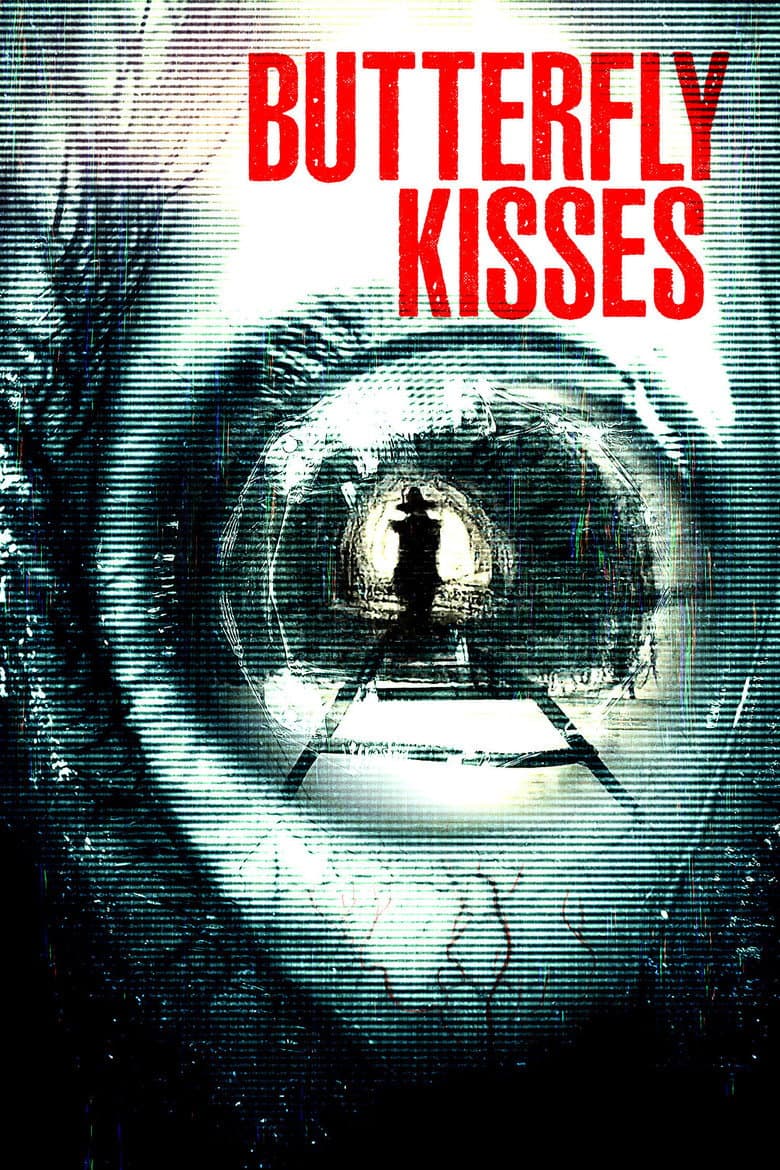
A filmmaker discovers a box of video tapes depicting two students' disturbing film project featuring a local horror legend, The Peeping Tom.
