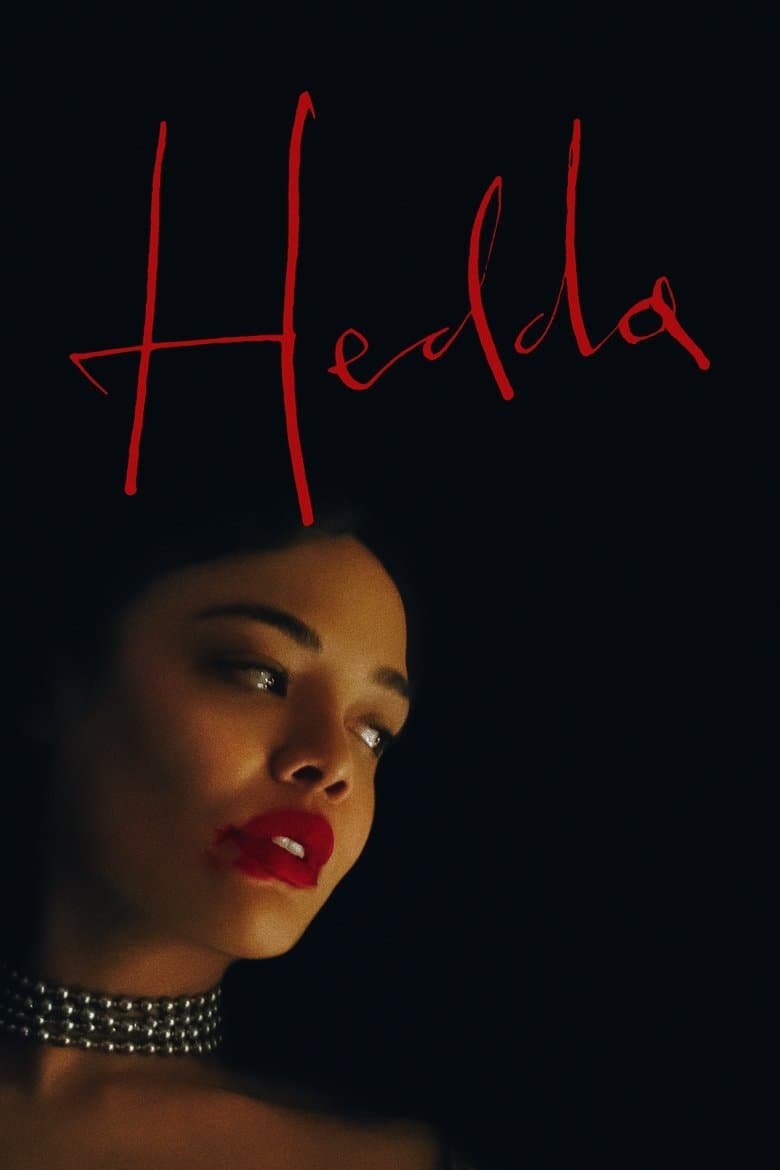
Hedda Gabler is a restless newlywed who has married George Tesman for money, comfort, and a place in high society. The couple lives beyond its means in a large country house in 1950s England, where they hold a wild party to help George win a university job. Hedda wants control over the people around her, but she also wants the freedom she gave up when she chose marriage. The night turns dark as an old lover arrives, a lost book threatens careers, and Hedda’s games lead to violence. The film has a rich, tense, and cruel tone.
The film makes Hedda a mixed-race black and bisexual woman, and it makes her former male lover Eilert into Eileen, an openly lesbian scholar with a girlfriend. These changes put women’s desire, hidden queer life, and different paths to personal freedom at the center of the plot. The story also shows a wealthy male world that limits women through marriage, gossip, jobs, and sexual threats. Eileen’s research about the future of sex and her fight for a university post make those ideas visible during the party. The identity themes are not a side detail because they shape the love triangle, Hedda’s choices, and the tragedy.
Community feedback
Was our 89% Woke rating accurate?
Breakdown
These are the editorial factors and ratings behind our score for Hedda.
Woke representation / casting
The film places Tessa Thompson, a black mixed-race actor, in the central role of a classic white Norwegian woman. The film also places black actor Nicholas Pinnock in the main role of Judge Brack within the wealthy group. Other characters openly notice Hedda’s race, including a rude comment about her being darker than expected. The period setting and repeated identity focus make these prominent casting choices an audience-visible representation signal.
42%
Woke political dialogue
The film gives Eileen a scene where she explains a book about the future of sex to male academics and party guests. Characters also discuss what women are allowed to do, the cost of hiding queer desire, and the limits placed on Hedda by her race and gender. These talks appear during the party and job fight rather than as speeches about current elections or policy. The dialogue carries a clear identity message, but it is not constant.
30%
Identity-driven story themes
The film frames Hedda as a queer or bisexual woman who married a man for safety and status. Her former lover Eileen is a lesbian scholar, and Eileen arrives with her girlfriend Thea. The love triangle, Hedda’s buried sexuality, and the different ways the women seek freedom drive the main conflict. The film makes female agency and nontraditional desire central questions, so the identity themes are impossible to miss.
84%
Western institutional / cultural critique
The film presents the upper-class world as a place where men control jobs, money, marriage, and public respect. Hedda’s husband needs a male professor’s approval, while Judge Brack uses scandal and sexual pressure to control Hedda. Eileen’s work is treated as strange when she discusses sex with male scholars. The story repeatedly links traditional marriage and male power with fear, confinement, and harm, making this a major theme.
52%
Woke character or canon changes
The film makes Hedda a mixed-race black bisexual woman instead of the white Norwegian woman in Ibsen’s play. It changes Eilert Lovborg, Hedda’s male academic rival, into Eileen, a lesbian woman who is Hedda’s former lover. It also turns Thea into Eileen’s girlfriend and makes the queer triangle central to the plot. These changes reshape the classic story around race, sexuality, and gender.
83%
Anti-woke backlash and complaints
A niche review called the lesbian relationship and the focus on Hedda’s race forced, and said the identity politics looked like surface-level updates. A Reddit audience comment called the queer angle forced and preferred a version closer to Ibsen’s play. Another audience comment said the added lesbian, feminist, and racial material muddied the story. The complaints are real but limited and scattered.
18%
Creator track record context
Nia DaCosta’s saved creator score is 56/100 because her earlier Candyman centers racial injustice and she has discussed Black Lives Matter marches and social inequality. Tessa Thompson’s saved creator score is 80/100 because she supports LGBTQ visibility, racial representation, and more chances for women directors. Several other saved producer profiles have social-issue or LGBTQ-related credits, but the wider producer group is mixed. This context lines up with Hedda’s race, queer identity, and women’s agency focus.
58%
Production
Movie · 2016
In 1942, an intelligence officer in North Africa encounters a female French Resistance fighter on a deadly mission behind enemy lines.
Movie · 2017
In 1950s London, a renowned dressmaker's meticulous lifestyle begins drastically changing as his relationship with his young muse intensifies.

Movie · 2018
While James More is held captive by terrorists in Somalia, thousands of miles away on the Greenland Sea, his lover Danny Flinders prepares to dive herself in a submersible into…

Movie · 2025
18-year-old Noah moves from America to London, with her mother who's recently fallen in love with William, a wealthy British businessman.

Movie · 2023
Noah must leave her city, boyfriend, and friends to move into William Leister's mansion, the flashy and wealthy husband of her mother Rafaela.

Movie · 2025
Two artistic souls find harmony through music despite their contrasting worlds. As feelings deepen, age and circumstances challenge their undeniable bond.

Movie · 2017
A brilliant but impulsive young surgeon spirals into self-destruction after a painful breakup, struggling to cope with love, loss, and the consequences of his own temper.

Movie · 2018
A man and a woman meet in the ruins of post-war Poland. With vastly different backgrounds and temperaments, they are fatally mismatched and yet drawn to each other.
