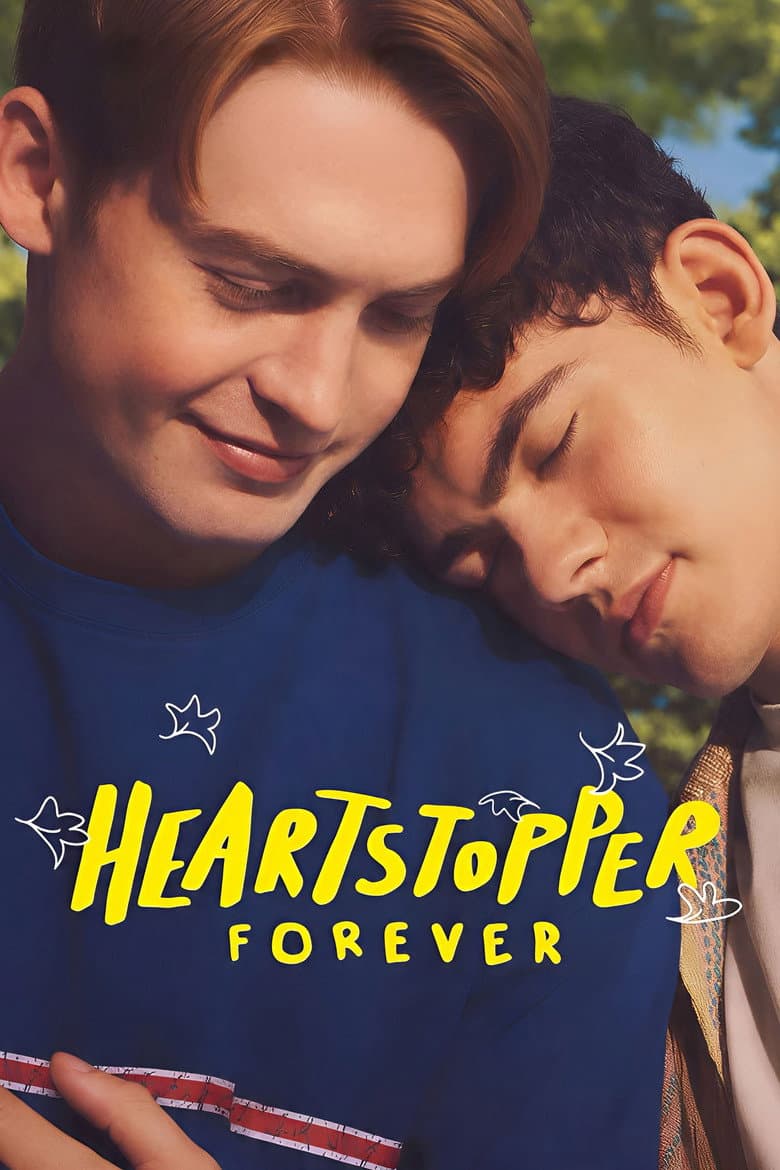
Nick and Charlie are teen boyfriends at a British high school as a new year begins. Nick gets ready for university far away, while Charlie stays at school and takes on more leadership. Their romance is warm and earnest, but stress and fear of growing apart pull them into a painful break-up. Friends around them also face love, break-ups, and life after school. The tone stays soft and hopeful even when feelings get heavy.
The story centers on gay and bisexual teen love, and that is the whole heart of the film. Charlie fights for a school Pride club, and the friends go to a big Pride parade. Trans friend Elle gives a long speech about the government taking away her rights and banning hormone blockers for younger teens. Charlie's sister comes out as asexual, and other friends claim lesbian or queer labels. Queer identity and support for LGBTQ teens drive the plot, the big speeches, and the group activities.
Community feedback
Was our 96% Woke rating accurate?
Breakdown
These are the editorial factors and ratings behind our score for Heartstopper Forever.
Woke representation / casting
The main teen cast is built as a wide LGBTQ set: gay Charlie, bisexual Nick, lesbian couples, trans Elle (Yasmin Finney), asexual Tori, and other queer friends. That mix is the point of the cast, not a side detail. In a modern UK school some variety is normal, but packing almost every key teen role with a named queer identity is clear representation-first casting that viewers cannot miss.
88%
Woke political dialogue
Elle's long speech names the government taking rights, banned hormone blockers, and bathroom rules, and asks friends to march for her. Charlie pushes a Pride club after school blocks it. A gay teacher talks about queer disobedience. These lines are open political messaging, not quiet background talk.
86%
Identity-driven story themes
The whole film is a queer teen love story about Nick and Charlie, a school Pride club, a big Pride parade, and friends naming gay, bi, lesbian, trans, and asexual identities. Growing up queer is the main theme, not a side plot. Queer life, pride, and support for LGBTQ teens shape the conflict, group scenes, and ending.
96%
Western institutional / cultural critique
The film treats UK rules on trans teens, school refusal of a Pride club, and a hostile "manosphere" style party as forces that hurt queer kids. Elle blames the government for rolling back rights. That is modern activist framing of schools and the state, not only a private romance.
65%
Woke character or canon changes
The same author adapted her own books, so this is not a random race or gender swap of old icons. The film does push identity politics further by expanding Elle's story into a direct speech about 2020s UK trans policy, co-shaped with the actor, and by adding a break-up path for bigger drama. Those are identity-driven screen choices on top of already queer source material.
30%
Anti-woke backlash and complaints
Some viewers and posts call the film "achingly woke," list gay, lesbian, bi, and trans boxes as a checklist, or complain that the trans-rights scene is long or that dialogue feels like a lecture. Mainstream noise is smaller than the pro-queer praise, so the backlash is real but not a huge national storm.
28%
Creator track record context
Writer Alice Oseman is strongly tied to queer youth stories. Director Wash Westmoreland has a long pattern of queer and identity-framed prestige work. Producers and stars include people known for Heartstopper's queer joy branding and LGBTQ advocacy. That record matches a finale that centers Pride, queer love, and a political trans speech.
74%
Production
Movie · 2025
Laura and Simon have been best friends since college. Over the years, they've realized their bond is more than platonic.
Movie · 2017
Nothing is as it seems in this riveting World War 2 thriller as a wary soldier goes to investigate a mysterious German monarch at his secluded mansion, leading him into a web of…
Movie · 2018
As a young New York couple goes from college romance to marriage and the birth of their first child, the unexpected twists of their journey create reverberations that echo over…
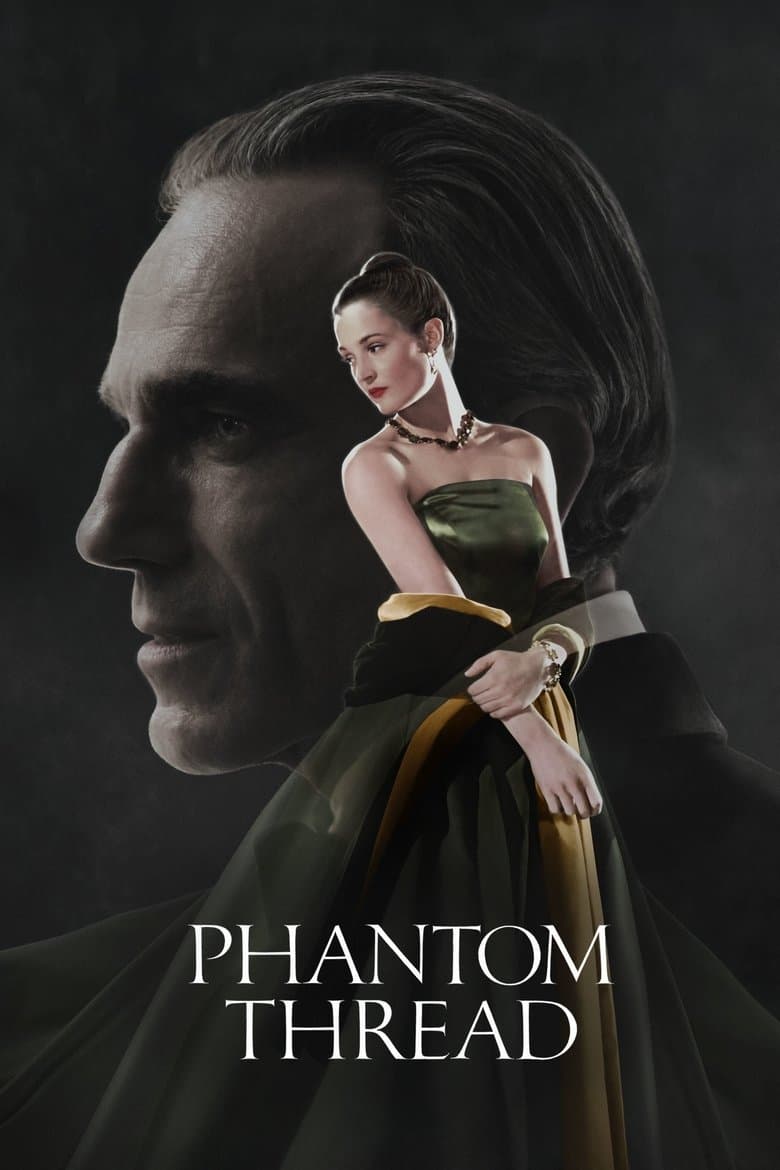
Movie · 2017
In 1950s London, a renowned dressmaker's meticulous lifestyle begins drastically changing as his relationship with his young muse intensifies.
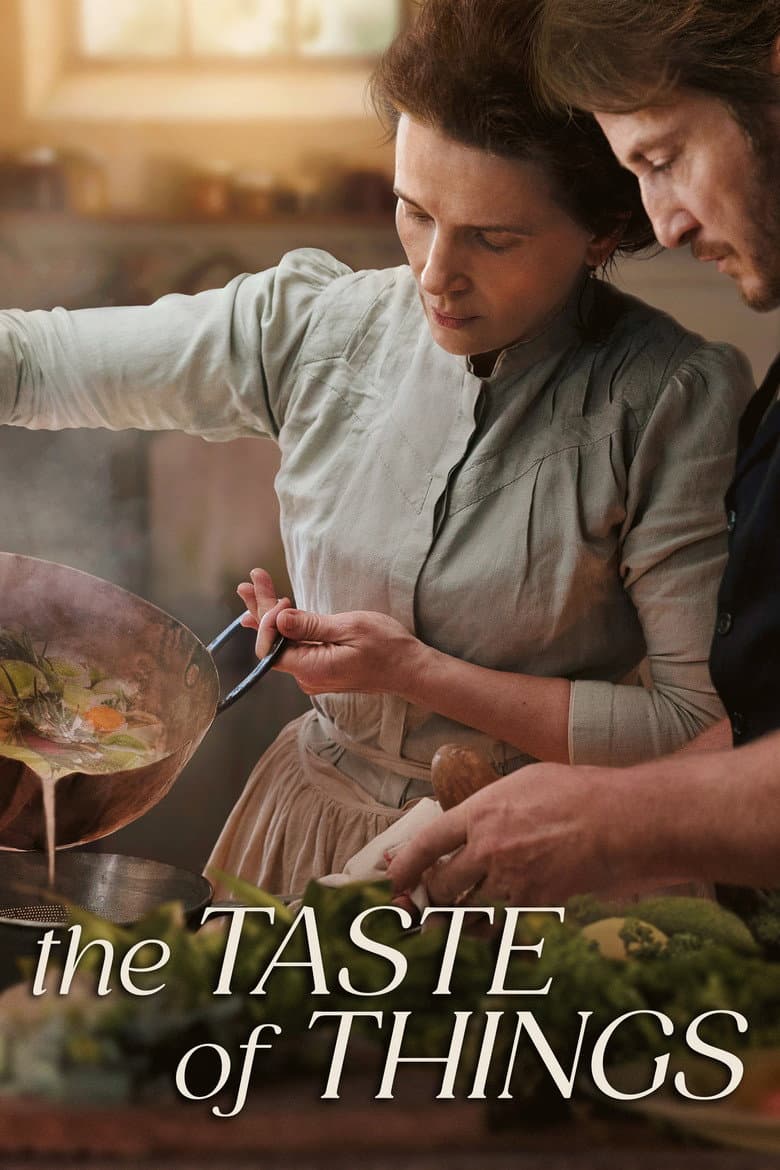
Movie · 2023
Set in 1889 France, Dodin Bouffant is a chef living with his personal cook and lover Eugénie. They share a long history of gastronomy and love but Eugénie refuses to marry Dodin…

Movie · 2020
When illness strikes two people who are polar opposites, life and death bring them together in surprising ways.
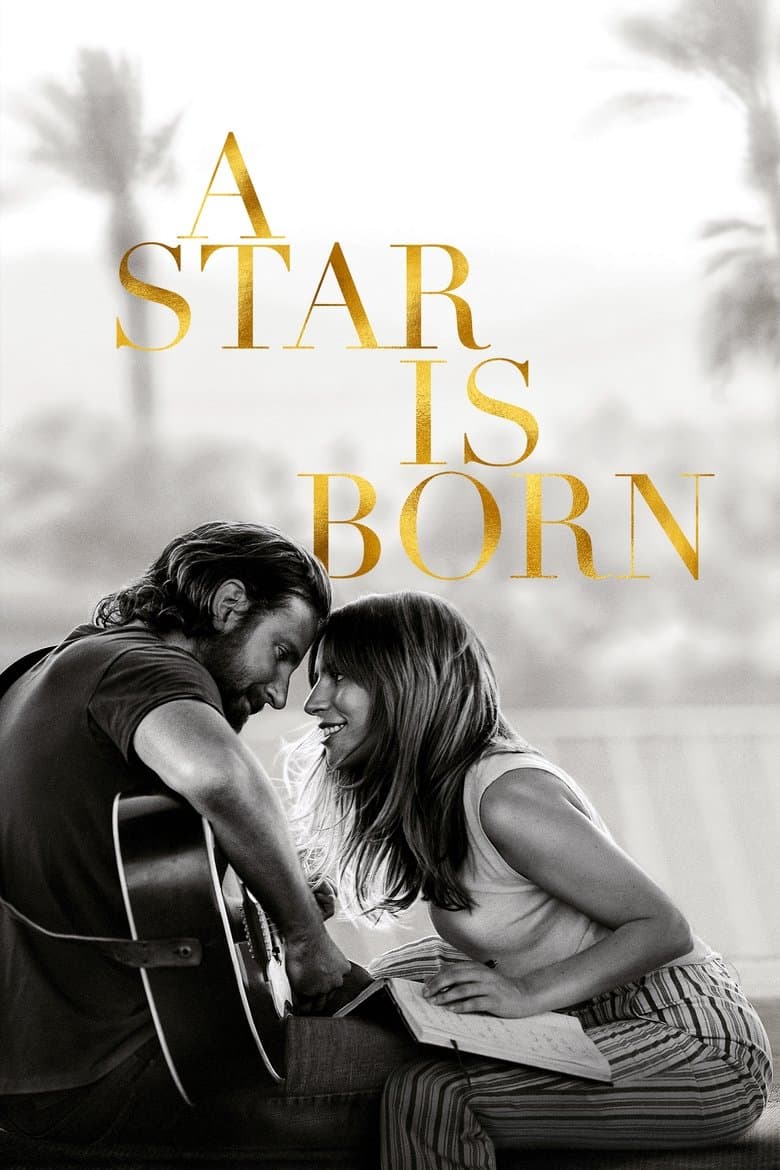
Movie · 2018
Seasoned musician Jackson Maine discovers — and falls in love with — struggling artist Ally. She has just about given up on her dream to make it big as a singer — until Jack…

Movie · 2016
A week in the life of Paterson, a poet bus driver, and his wife Laura, a very creative artist, who live in Paterson, New Jersey, hometown of many famous poets and artists.
