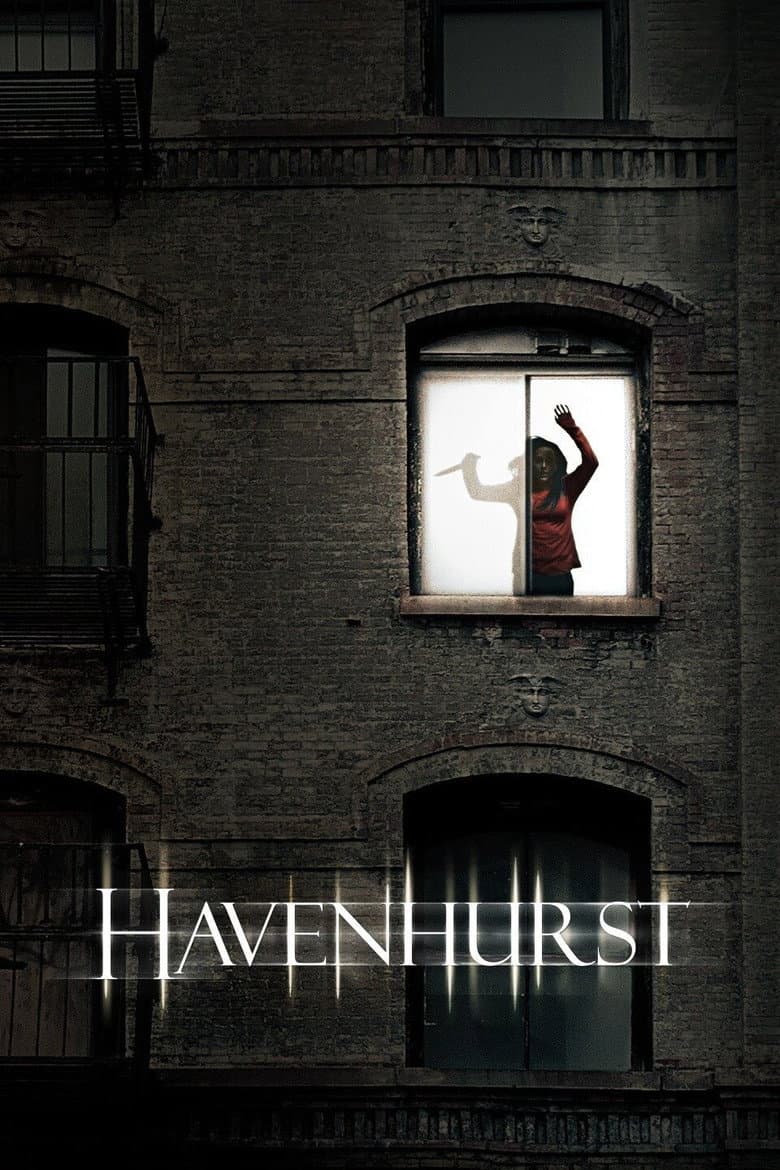
Jackie Sullivan moves into Havenhurst after leaving rehab for alcohol addiction. She hopes the gloomy apartment building in New York will give her a safe place to start again, but her friend Danielle has vanished from the same building. Jackie follows clues through hidden rooms, strict rules, and a maze linked to the killer H. H. Holmes. The film uses dark hallways, sudden attacks, and bloody traps to create a tense horror story.
Jackie also carries guilt because her drinking helped cause her young daughter’s death. She chooses to drink again so that she can learn what happens to tenants who break the building’s rule, even though the choice puts her recovery at risk. A young foster child named Sarah becomes the person Jackie tries to protect while the police struggle to find proof of the murders. The story treats addiction as a personal battle and uses the building’s cruel idea of punishment to turn recovery, guilt, and second chances into horror.
Community feedback
Was our 3% Woke rating accurate?
Breakdown
These are the editorial factors and ratings behind our score for Havenhurst.
Woke representation / casting
Not present. The film centers on female characters, but it does not frame their roles around representation, empowerment, or identity. The women serve mixed roles as hero, child, landlord, and victims, while a male detective also helps.
0%
Woke political dialogue
Not present. The dialogue talks about sobriety, morality, family, abuse, and murder. It does not push modern identity, DEI, or activist ideas.
0%
Identity-driven story themes
Not present. The story follows recovery, guilt, survival, and a bond between Jackie and Sarah. The film does not make female dominance, gender politics, or identity activism a theme.
0%
Western institutional / cultural critique
Not present. The building’s charity claim and the police’s failure create suspense. The movie does not turn those events into a modern activist attack on capitalism, patriarchy, religion, or Western institutions.
0%
Woke character or canon changes
Not relevant. The story uses H. H. Holmes’s name and history as horror material, but it invents the apartment family. It makes no woke identity change to an established character or real event.
0%
Anti-woke backlash and complaints
Not present. The supplied X pass found no anti-woke posts or specific complaints. Other audience and review posts discuss plot holes, scares, gore, acting, and pacing rather than woke, DEI, or identity politics.
0%
Creator track record context
Andrew C. Erin and Daniel Farrands have mainly made horror and thriller projects, with no clear activist pattern. Tosca Musk’s work includes a romance platform promoted around women’s perspectives. Todd Slater and James Huntsman each have a producer credit on Church & State, a documentary about a gay activist’s legal case. Those separate credits and Yesi Ramirez’s diversity-related industry recognition give limited creator track record context, but no title-specific framing.
16%
Production
Movie · 2020
After a family moves into the Heelshire Mansion, their young son soon makes friends with a life-like doll called Brahms.
Movie · 2019
Karla, a young medical student, is trying to cure her brother, Blake, from a terminal sleep illness called Fatal Familial Insomnia, where you are unable to sleep until you die.
Movie · 2018
Following the death of the Leigh family matriarch, Annie and her children uncover disturbing secrets about their heritage.

Movie · 2021
Paranormal investigators Ed and Lorraine Warren encounter what would become one of the most sensational cases from their files.
Movie · 2023
Jess, a newly separated mother and nurse, moves into her old family farmhouse with Tyler, her teenage daughter, and Owen, her eight-year-old son.
Movie · 2017
A young man and his three younger siblings are plagued by a sinister presence in the sprawling manor in which they live.
Movie · 2019
Six strangers find themselves in circumstances beyond their control, and must use their wits to survive.
Movie · 2022
Laura, traumatized by an abusive relationship, runs away from her former husband with her seven-year-old son Cody.
