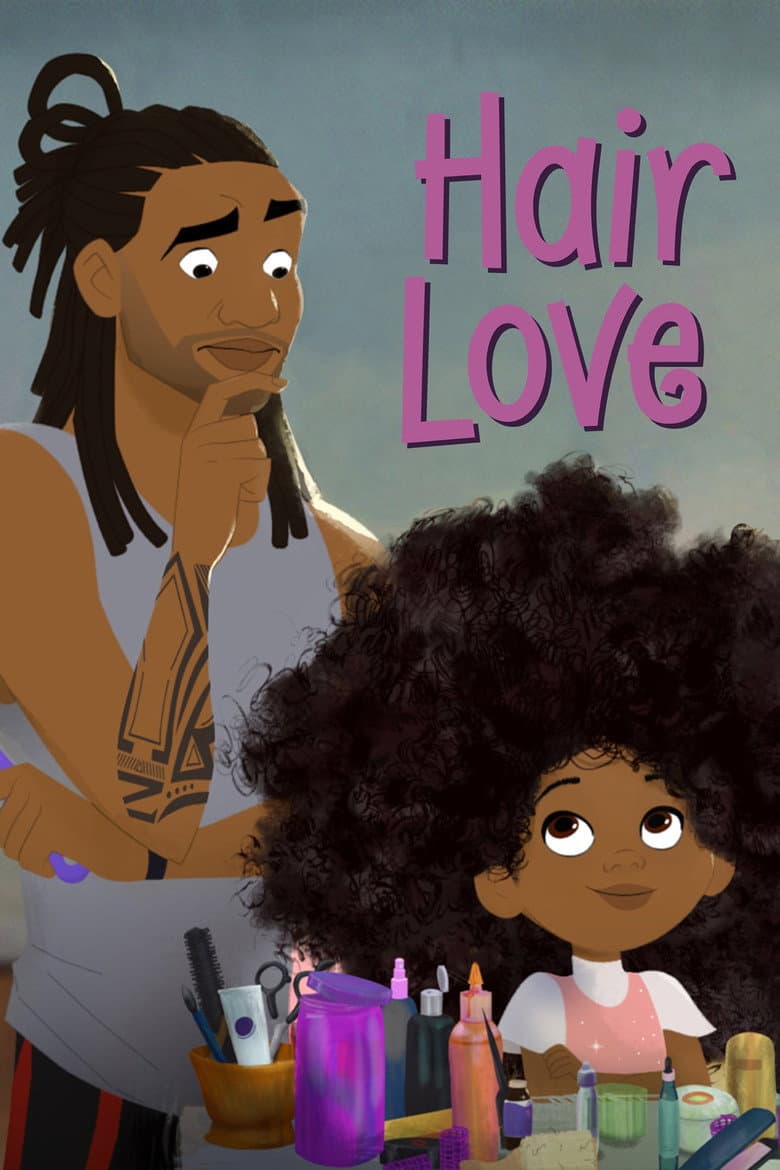
Hair Love is a six-minute animated short about Zuri, a young black girl getting ready for a big day at home. Her father, Stephen, must learn to style her natural hair because her mother is away at a hospital. The family uses a hair video, patience, and teamwork to solve the problem. The playful comedy turns warm and emotional when the parents and child meet at the hospital.
The short makes Black natural hair and black family life the center of its story. Zuri’s hair is not a side detail, because every major action leads to the final style and the family’s pride in her appearance. The film also presents a caring black father as active and capable instead of making him a joke or an absent parent. It has almost no spoken political language, but its message about identity and representation is clear through the characters, hair, and ending.
Community feedback
Was our 60% Woke rating accurate?
Breakdown
These are the editorial factors and ratings behind our score for Hair Love.
Woke representation / casting
The short puts a black father, daughter, and mother at the center. It shows no white characters and gives this family every major role. The story is built around the family’s natural Black hair, so the casting fits the family setting. The directors also presented the African American cast and the black family image as part of the film’s representation goal.
38%
Woke political dialogue
Not present. The short has no modern political speech. The only spoken words come from the mother’s hair tutorial.
0%
Identity-driven story themes
Hair is the central problem and the source of the family’s pride. The story presents natural Black hair as something to enjoy and care for. Zuri’s father learns a task often shown as the mother’s job, and his success challenges the idea that fathers cannot handle it. The ending joins hair pride with support for the mother during cancer treatment.
70%
Western institutional / cultural critique
The short lightly questions the idea that hair care belongs only to mothers. Stephen starts by trying to avoid the task, then learns it and becomes a capable caregiver. The story does not attack men, marriage, religion, or Western institutions, so the cultural critique stays weak.
18%
Woke character or canon changes
Not relevant. The short uses original family characters and is not a new version of an older hero, real person, or known canon. The mother’s illness and the father’s new task are plot events, not identity changes to established material.
0%
Anti-woke backlash and complaints
One Townhall column grouped the director’s Oscar speech and CROWN Act message with a complaint about a “woke” Hollywood. The column did not describe a problem with the short’s plot or report a large boycott. The supplied X research found no anti-woke posts or specific complaints. Reddit and news coverage were mostly warm, so the anti-woke reaction appears limited and indirect.
8%
Creator track record context
The stored creator notes give the three directors scores from 55 to 63. Several producers have stored scores from 50 to 72 and have worked on black family, hair, or representation projects. The team therefore has a clear representation-focused pattern that matches this short. A few producers have low scores or mainly business and production records, so the wider context is notable but mixed.
55%
Production
Movie · 2020
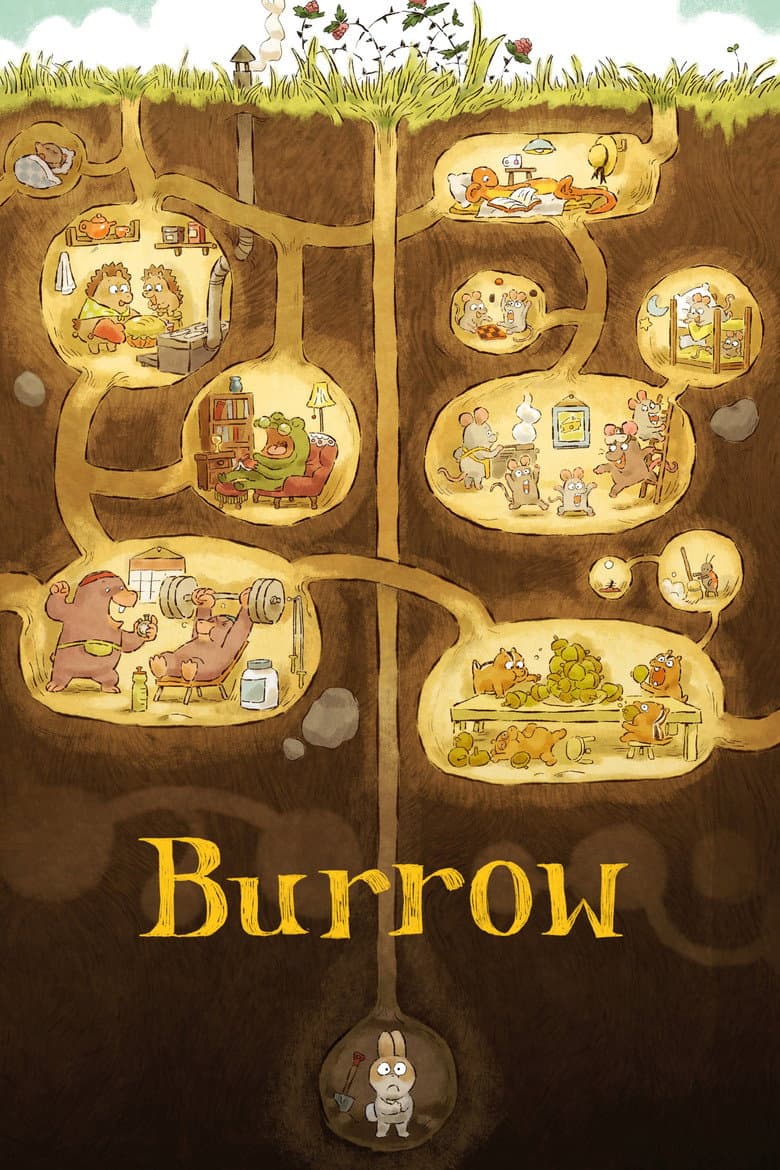
A young rabbit embarks on a journey to dig the burrow of her dreams, despite not having a clue what she's doing.
Movie · 2021
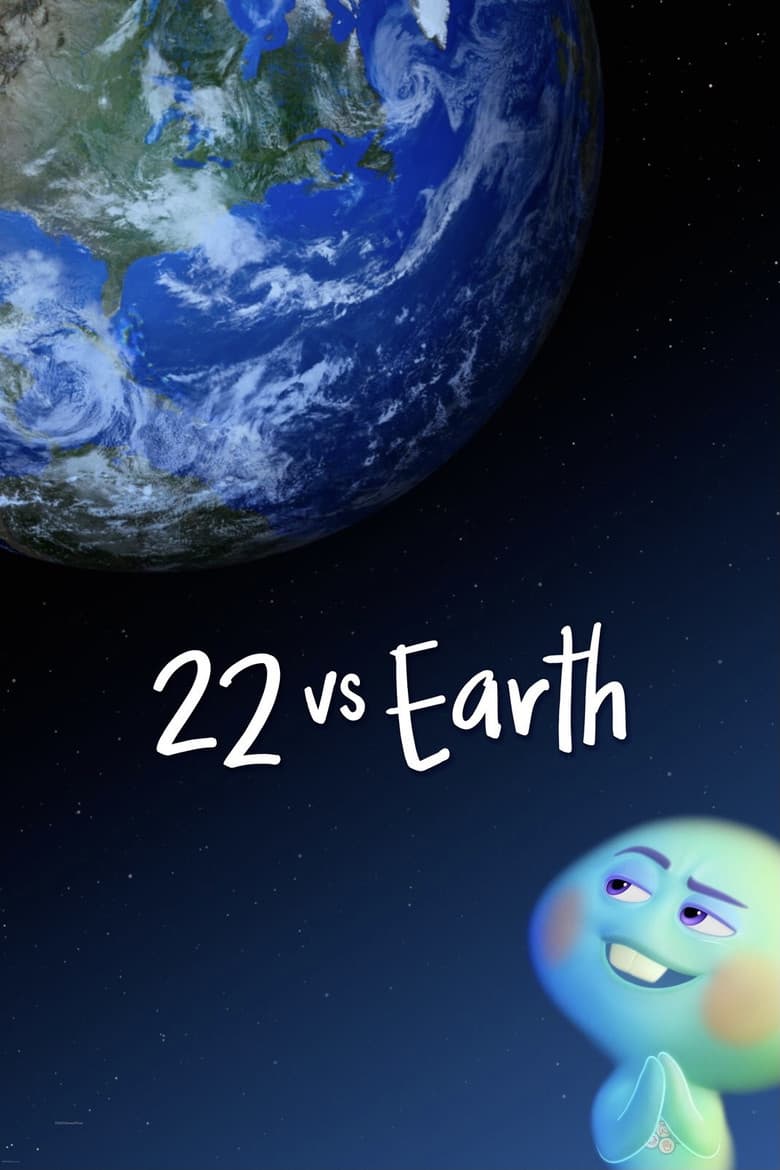
Set before the events of ‘Soul’, 22 refuses to go to Earth, enlisting a gang of 5 new souls in attempt of rebellion.
Movie · 2016
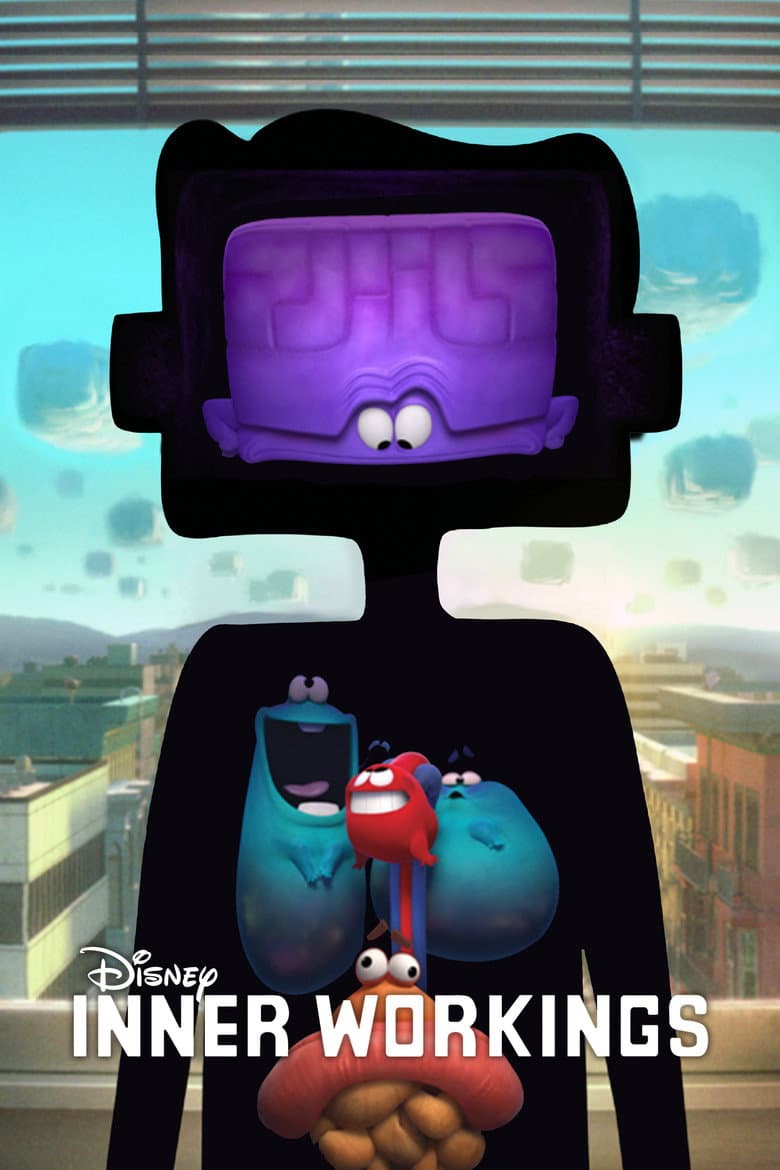
This is the story of the internal struggle between a man's Brain—a pragmatic protector who calculates his every move, and his Heart—a free-spirited adventurer who wants to let…
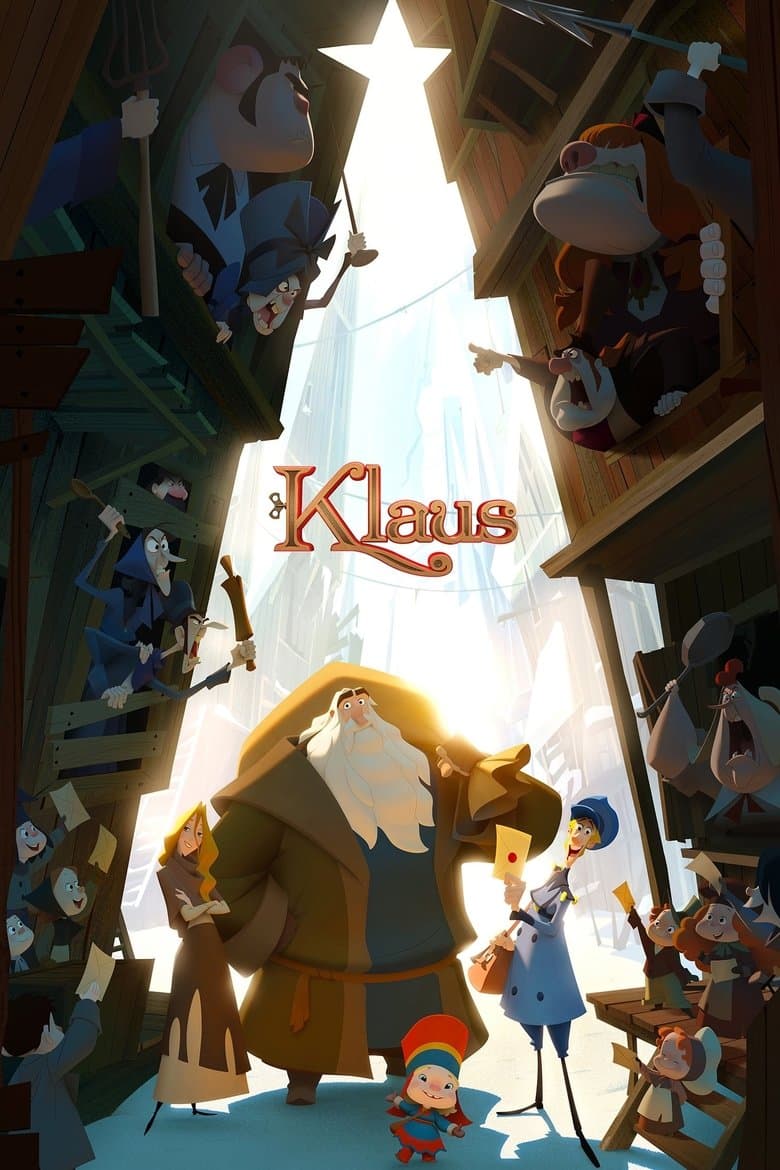
Movie · 2019
A selfish postman and a reclusive toymaker form an unlikely friendship, delivering joy to a cold, dark town that desperately needs it.

Movie · 2021
Shaun's seasonal excitement turns to dismay when a farmhouse raid to get bigger stockings for the flock inadvertently leads to Timmy going missing.
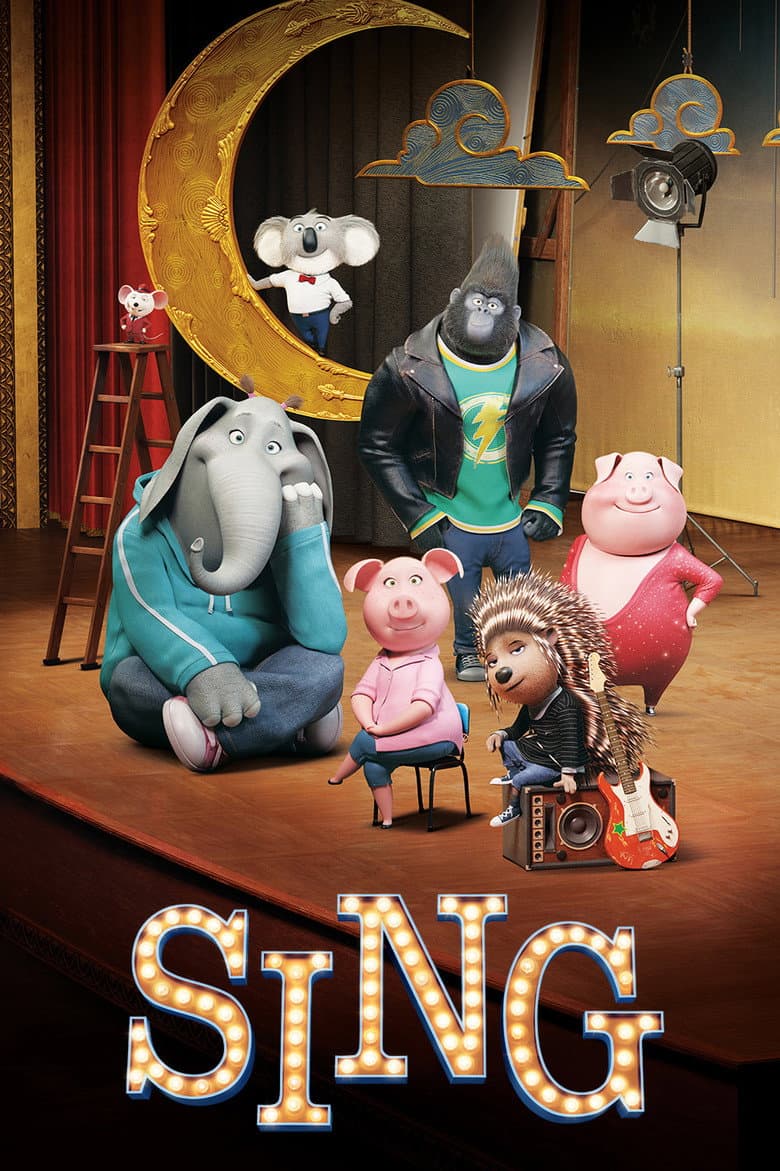
Movie · 2016
A koala named Buster recruits his best friend to help him drum up business for his theater by hosting a singing competition.
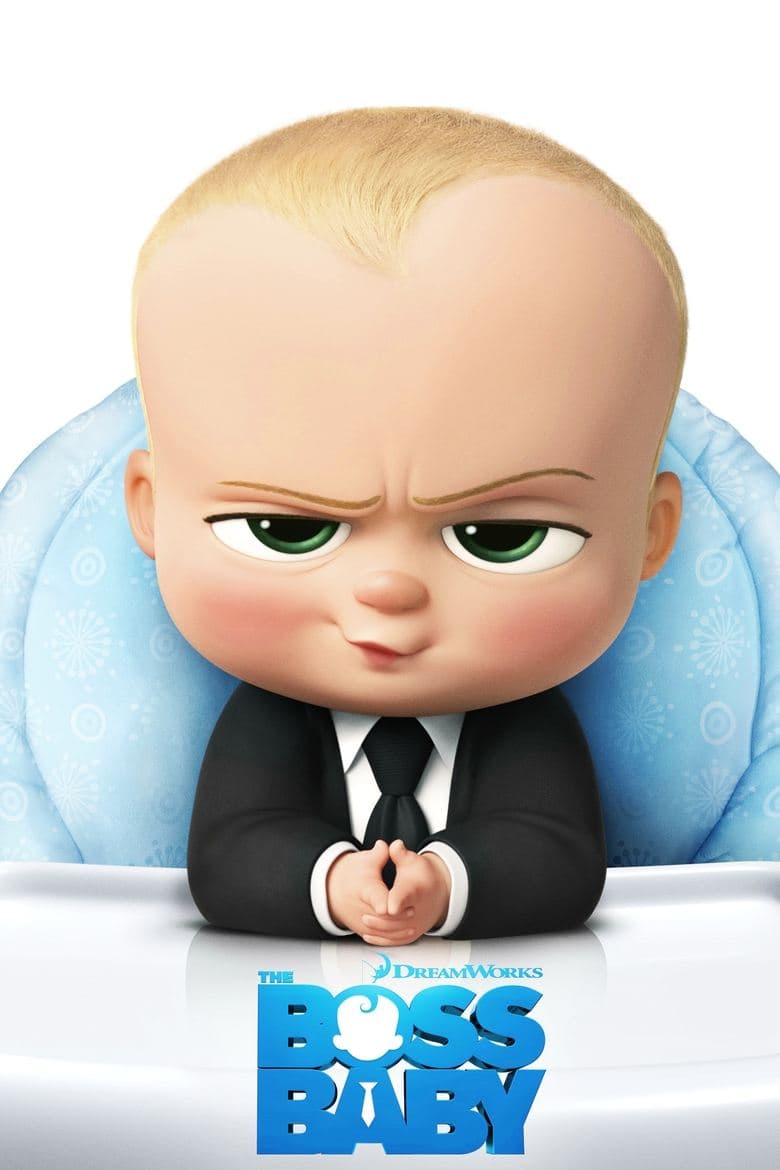
Movie · 2017
A story about how a new baby's arrival impacts a family, told from the point of view of a delightfully unreliable narrator, a wildly imaginative 7 year old named Tim.
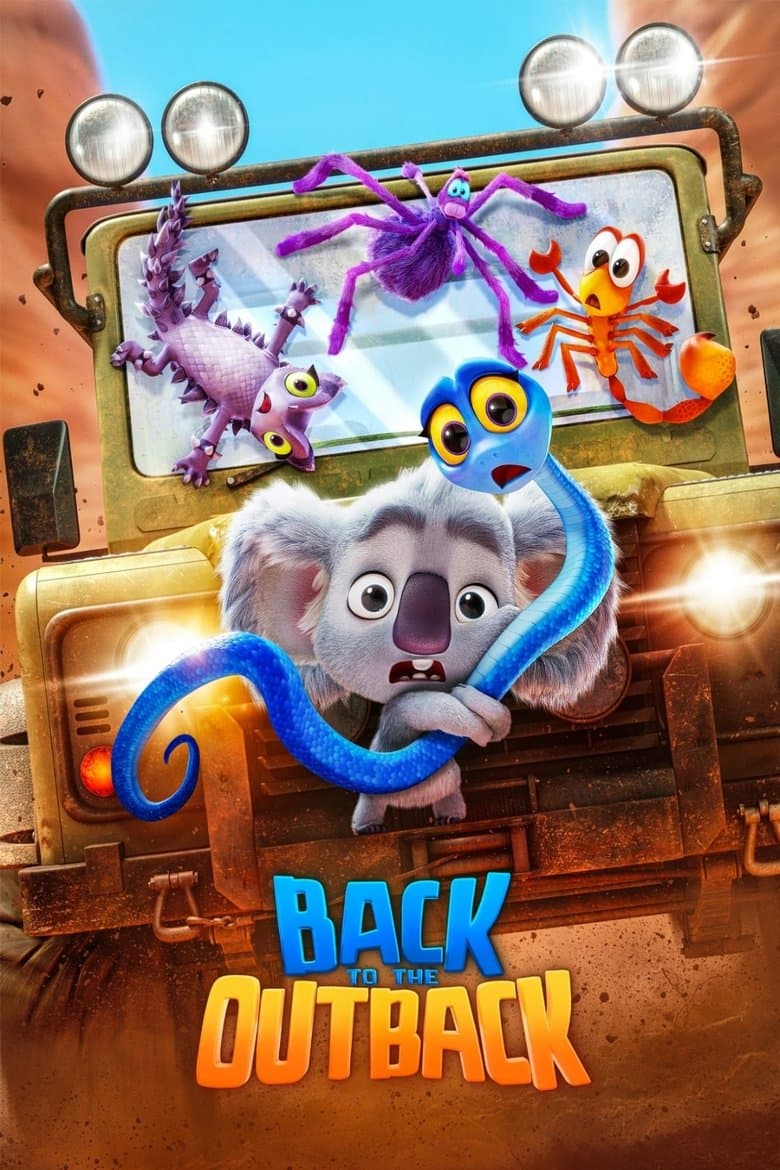
Movie · 2021
Tired of being locked in a reptile house where humans gawk at them like they are monsters, a ragtag group of Australia’s deadliest creatures plot an escape from their zoo to the…
