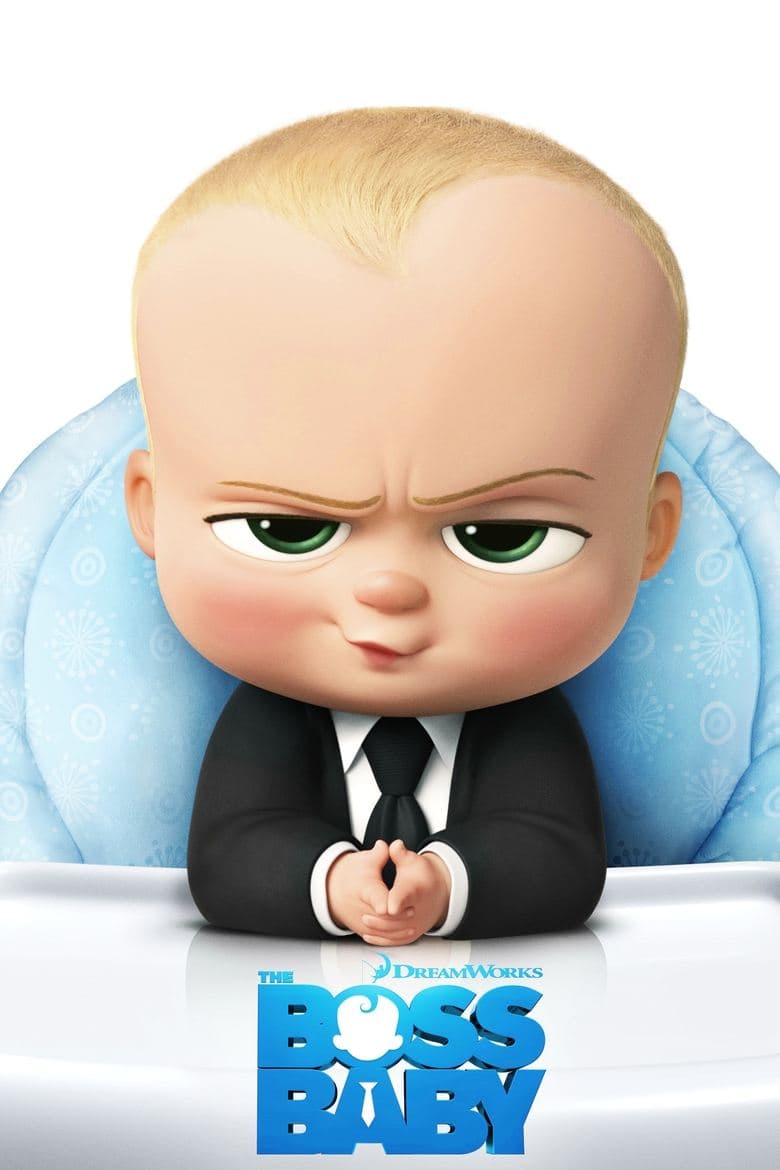
Tim Templeton is a creative seven-year-old who is used to having his parents to himself. His life changes when a baby brother arrives in a suit, carrying a briefcase, and speaking like an adult. Tim learns that the baby is a secret worker from Baby Corp, and the two brothers must stop Puppy Co. from sending a puppy that never grows up around the world. Their mission takes them from a suburban home to offices, airports, and a wild fantasy version of Las Vegas. The movie uses slapstick, spy jokes, business jokes, and Tim’s big imagination.
The story treats family love as something that grows when people share it. Tim begins by fearing that the baby has taken his place, while the Boss Baby fears losing his job and being sent back to a family. Their fights slowly become teamwork, and the Boss Baby learns that he missed the care and play of normal childhood. The business setting turns adult work talk into silly jokes about bosses, sales, and competition. The ending values brotherhood, loyalty, imagination, and a home where both children belong.
Community feedback
Was our 4% Woke rating accurate?
Breakdown
These are the editorial factors and ratings behind our score for The Boss Baby.
Woke representation / casting
Not present. Casting choices contain no forced diversity or identity signaling whatsoever; all voice performances match the story's 1970s-1980s suburban family world and character logic without any audience-visible quotas or mismatches.
0%
Woke political dialogue
Not present in this title.
0%
Identity-driven story themes
Not present. Identity-driven story themes are entirely absent; the core engine is pure sibling rivalry and family love resolution via absurd spy adventure.
0%
Western institutional / cultural critique
Not present in this title.
0%
Woke character or canon changes
Not present in this title.
0%
Anti-woke backlash and complaints
Not present in this title.
0%
Creator track record context
Ramsey Ann Naito has a clear public record of promoting diversity and women in animation, and she produced this film. Marla Frazee has a smaller progressive link through her work on a Hillary Clinton children’s book, and she created the source book. Tom McGrath and the other listed creators are mainly linked to animation and comedy, with no clear activist record. This gives the film light creator track record context, but it does not show that the film’s story carries that message.
18%
Production
Movie · 2016
A koala named Buster recruits his best friend to help him drum up business for his theater by hosting a singing competition.
Movie · 2018
Dracula, Mavis, Johnny and the rest of the Drac Pack take a vacation on a luxury Monster Cruise Ship, where Dracula falls in love with the ship’s captain, Ericka, who’s secretly a…
Movie · 2016
This is the story of the internal struggle between a man's Brain—a pragmatic protector who calculates his every move, and his Heart—a free-spirited adventurer who wants to let…
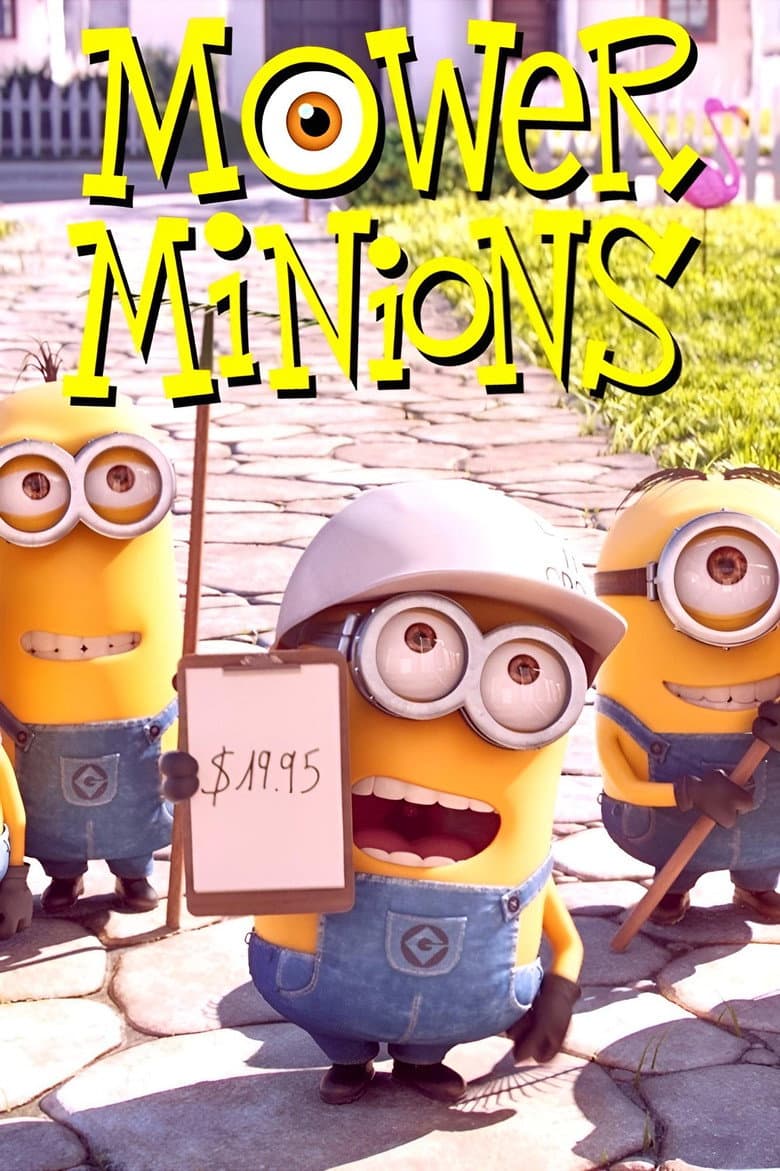
Movie · 2016
The Minions need to raise $20 to purchase an as seen on TV banana blender. So they take up lawn mowing at an old folks home, with hilarious antics!
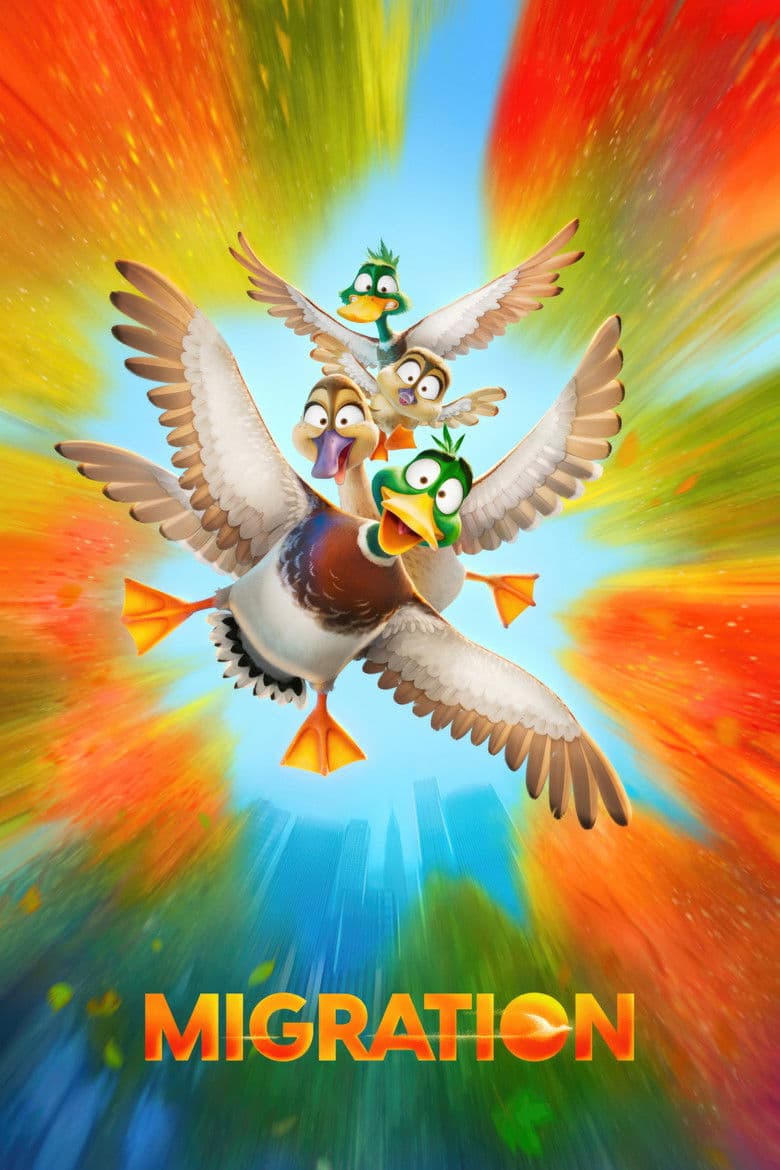
Movie · 2023
After a migrating duck family alights on their pond with thrilling tales of far-flung places, the Mallard family embarks on a family road trip, from New England, to New York City…
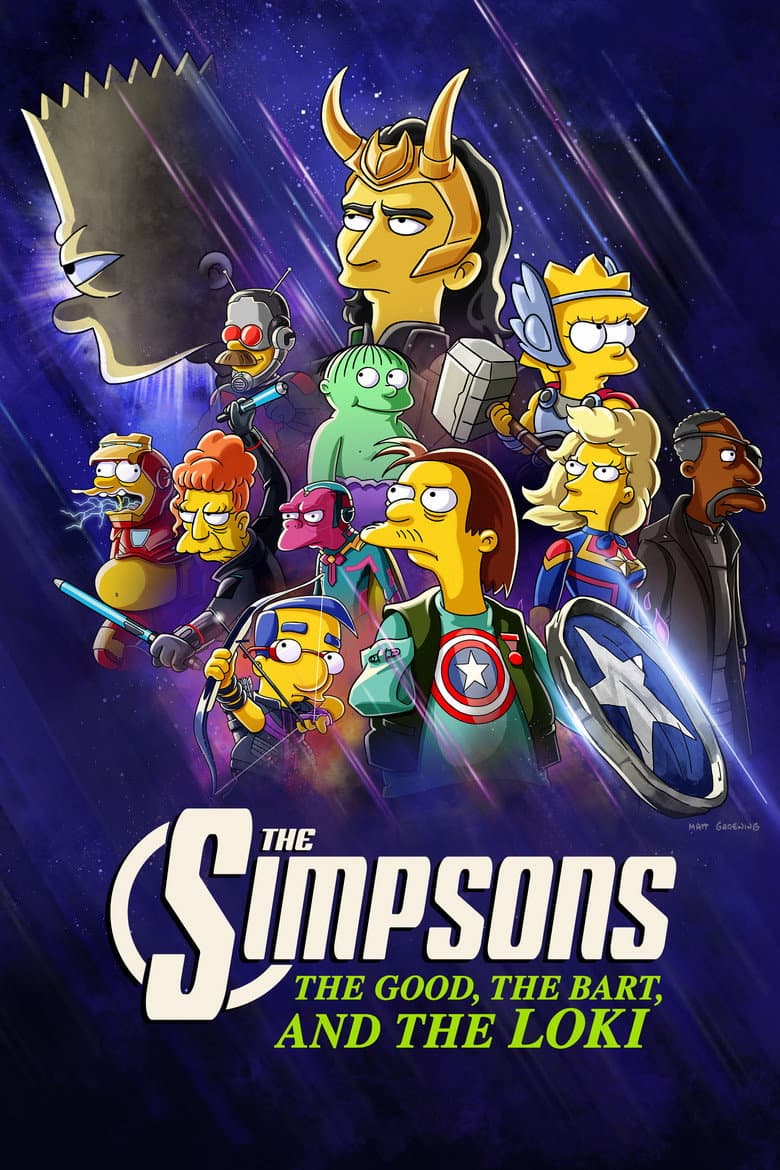
Movie · 2021
Loki is banished from Asgard once again and must face his toughest opponents yet: the Simpsons and Springfield’s mightiest heroes.
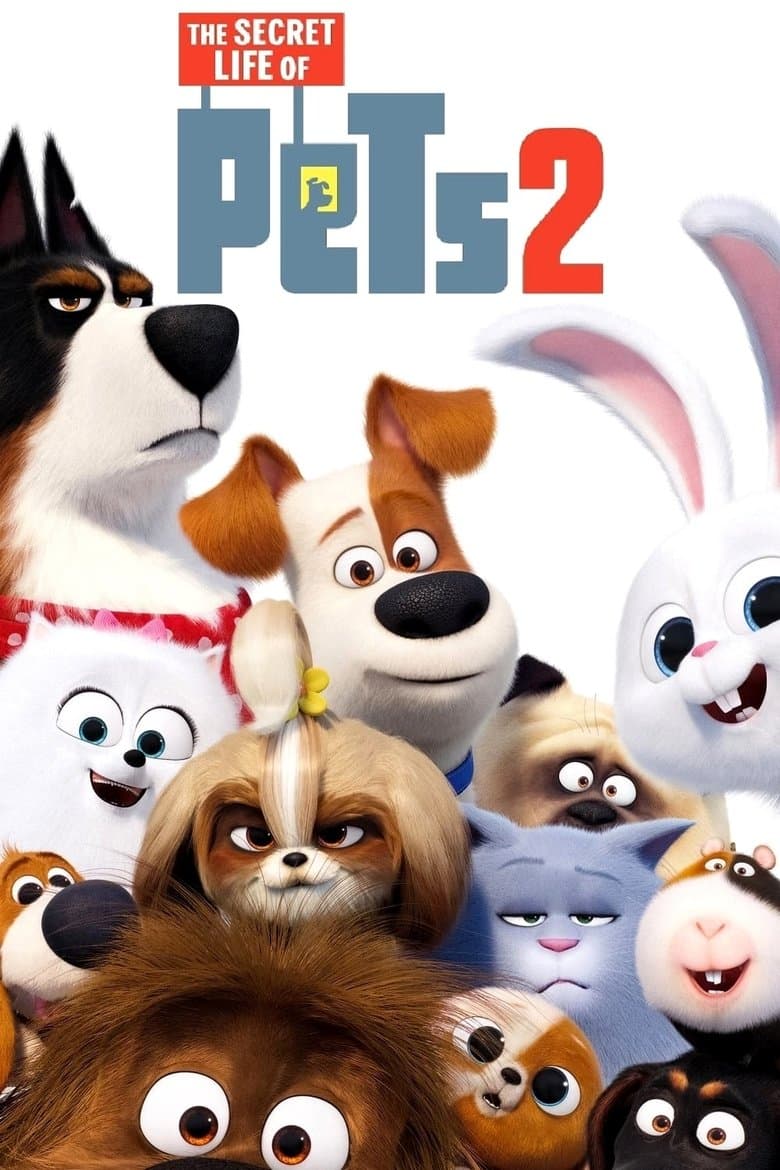
Movie · 2019
Max the terrier must cope with some major life changes when his owner gets married and has a baby. When the family takes a trip to the countryside, nervous Max has numerous…
Movie · 2019
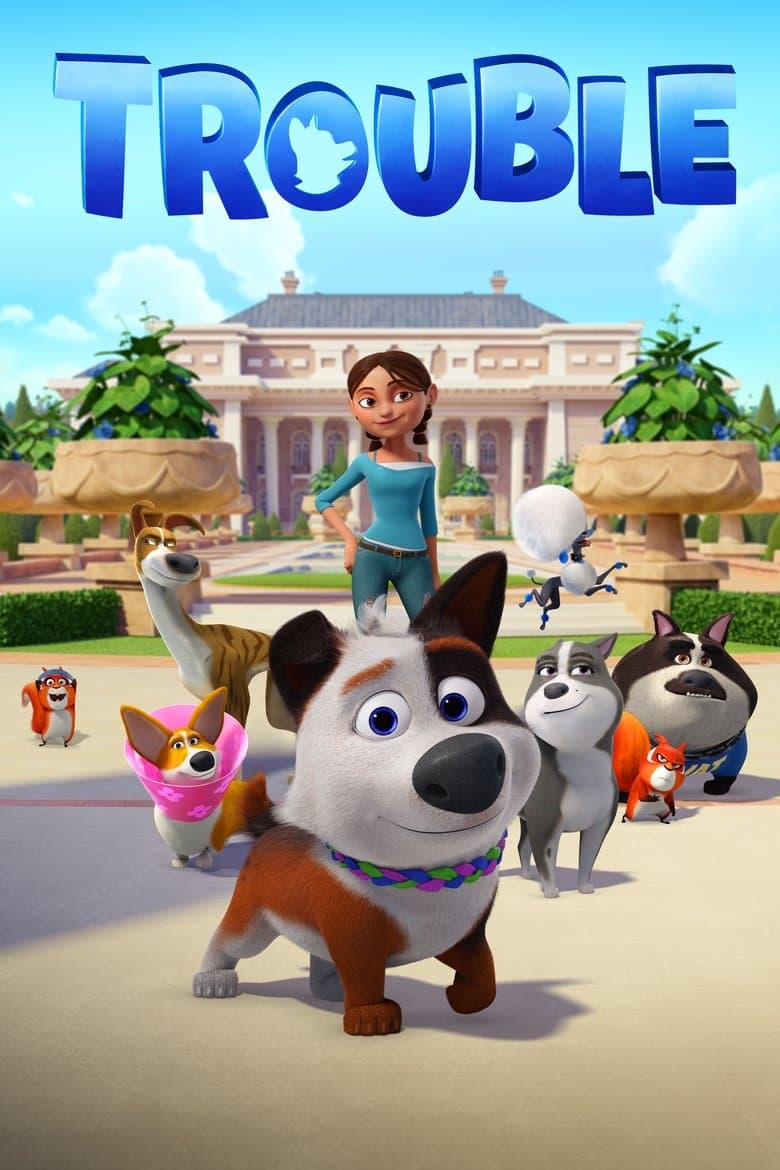
A pampered dog named Trouble must learn to live in the real world while trying to escape from his former owner's greedy children and must learn how to survive on the big-city…
