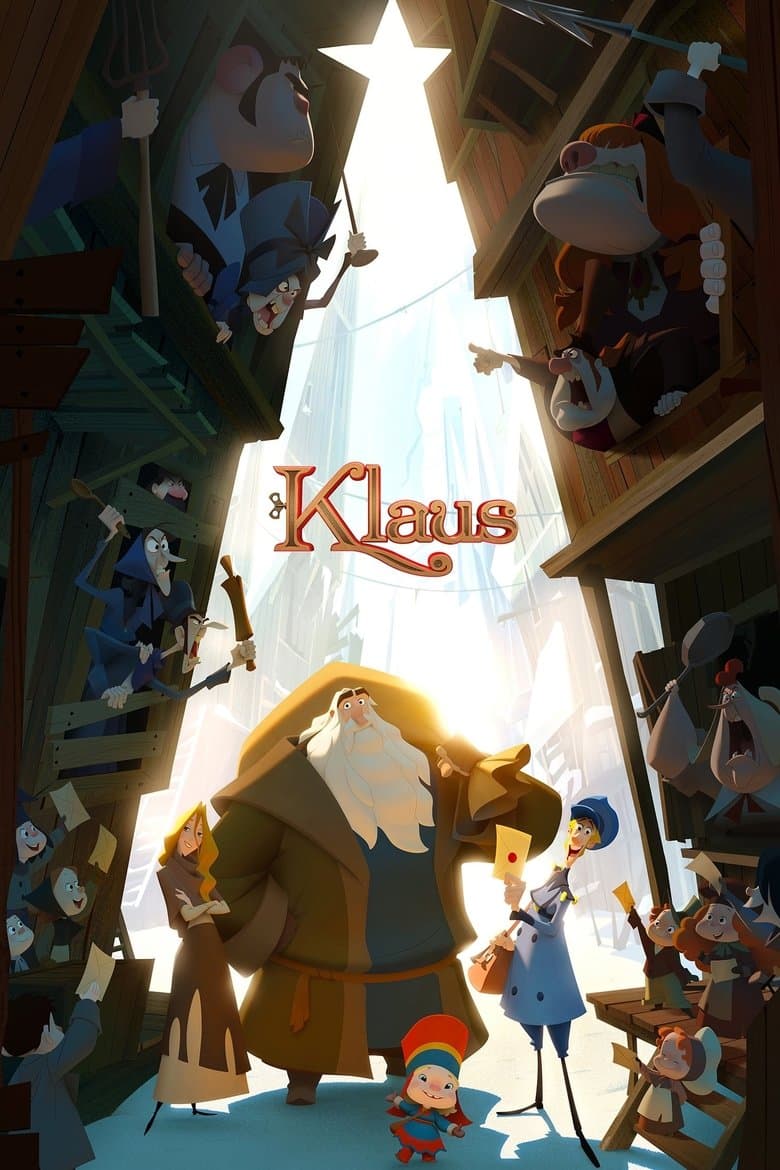
Jesper Johansen is a spoiled young postman whose wealthy father sends him to Smeerensburg, a cold island far north. The town is split between the Krum and Ellingboe families, who keep an old feud alive and refuse to send letters. Jesper meets Klaus, a quiet toymaker with a cabin full of handmade toys, and Alva, a former teacher who now sells fish. Jesper first uses Klaus’s gifts to reach his mail target, but the plan changes him as the toys bring children together and turn the bitter town toward kindness.
The film’s strongest message is that one selfless act can lead to another. It praises friendship, learning, family life, forgiveness, and the repair of a local community. A young Sámi girl named Márgu and her family speak Northern Sámi, and their part in the story helps explain how parts of Santa’s look and sleigh entered the legend. That cultural detail supports the setting and plot, while the main arcs stay focused on kindness, grief, friendship, and personal change.
Community feedback
Was our 14% Woke rating accurate?
Breakdown
These are the editorial factors and ratings behind our score for Klaus.
Woke representation / casting
The film gives Márgu, a young Sámi girl, a visible supporting role. The production used a real Sámi performer and kept Northern Sámi speech in the dubbed versions. Her identity fits the Arctic setting and drives the language barrier in her story. The choice is a small cultural inclusion rather than a broad diversity-first cast pattern.
15%
Woke political dialogue
Not present. No activist speeches, political lectures, or ideological arguments appear in the narrative.
0%
Identity-driven story themes
Márgu’s Sámi identity and language difference are visible parts of the plot. Her family later helps Klaus make toys and gives him traditional clothing, which connects their culture to the Santa legend. The story uses this detail to build friendship and explain folklore. The main message stays focused on kindness and personal change instead of current identity politics.
10%
Western institutional / cultural critique
Not present. Conflicts resolve through individual change and community tradition, not modern activist framing of patriarchy, capitalism, toxic masculinity, or Western institutions.
0%
Woke character or canon changes
Not relevant. this is an original fictional tale inspired by Santa folklore with no canon alterations.
0%
Anti-woke backlash and complaints
Not present. No documented anti-woke or right-leaning complaints accusing the film of pushing DEI, identity politics, or left-wing messaging. Reception stayed free of such debate.
0%
Creator track record context
Producer Jinko Gotoh publicly supports gender parity in animation. Her work aims for equal chances for women, non-binary, and transgender creators. The film does not turn that industry work into a story message or campaign theme. The other cached key creators have low scores and no known activist record.
20%
Production
Movie · 2016
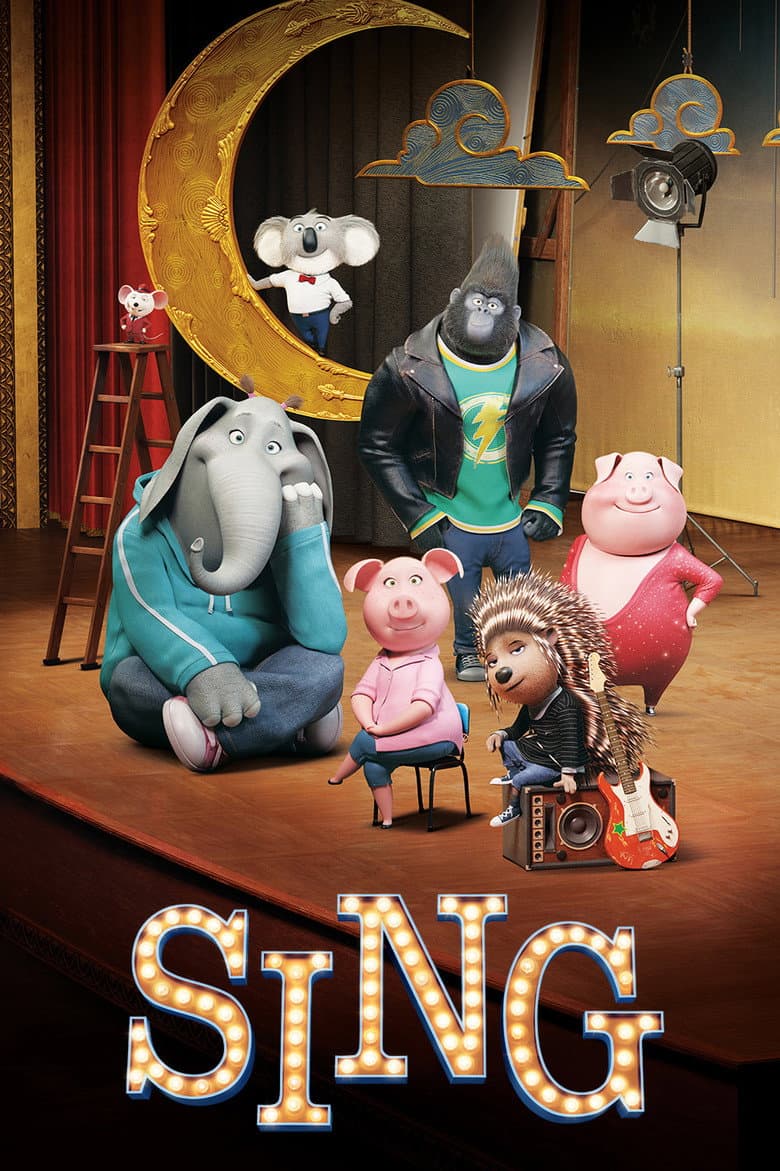
A koala named Buster recruits his best friend to help him drum up business for his theater by hosting a singing competition.
Movie · 2018
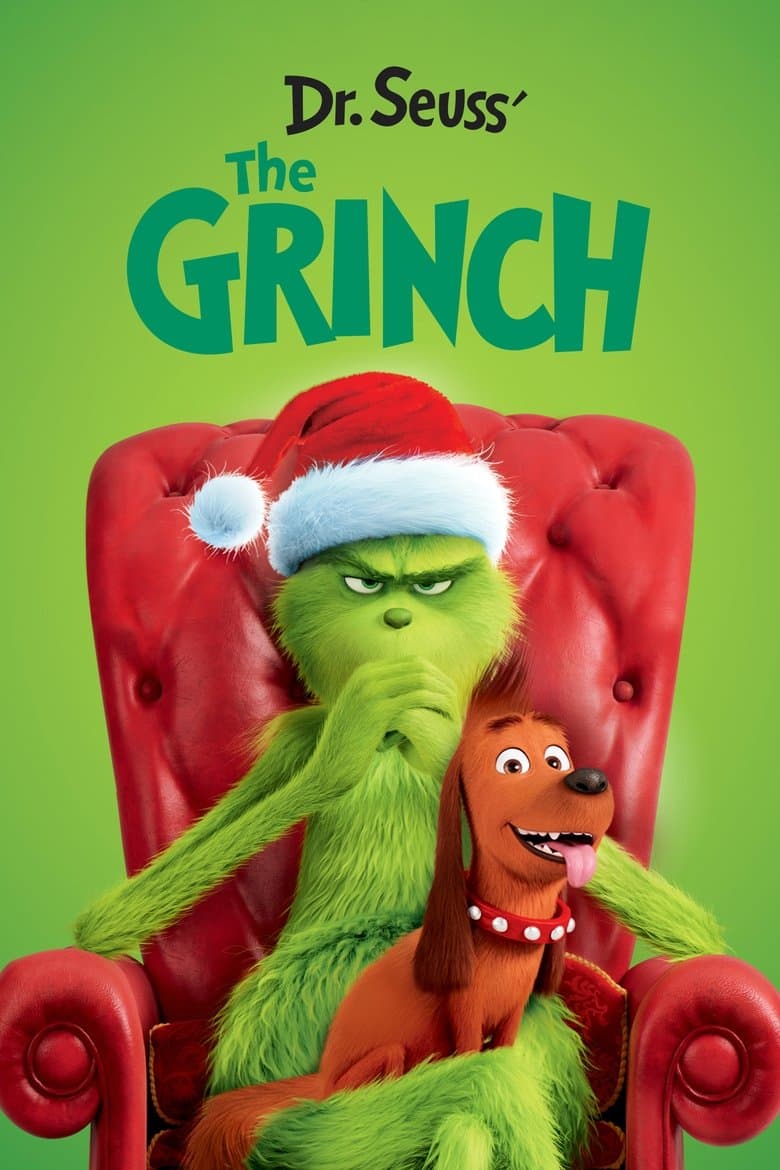
The Grinch hatches a scheme to ruin Christmas when the residents of Whoville plan their annual holiday celebration.

Movie · 2016
A harried prehistoric bird mother entrusts her precious, soon-to-hatch egg to Sid. When she recommends him to her neighbours, business booms at his new egg-sitting service.
Movie · 2020
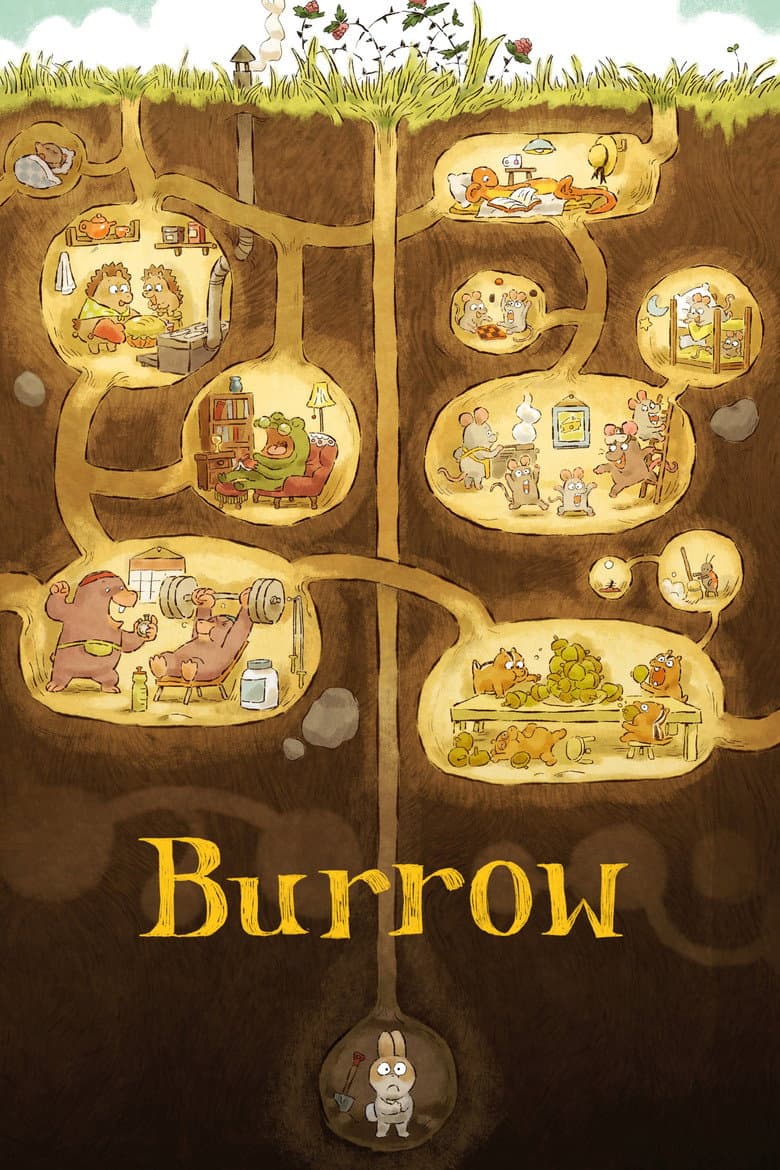
A young rabbit embarks on a journey to dig the burrow of her dreams, despite not having a clue what she's doing.
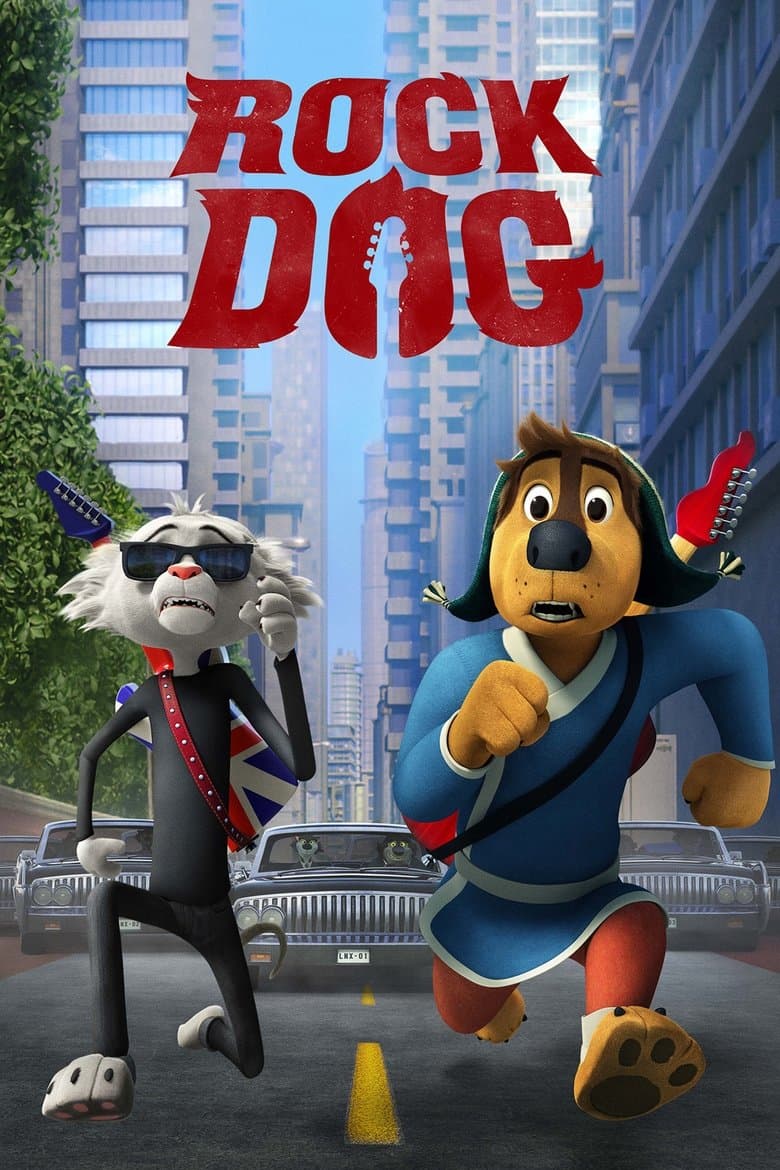
Movie · 2016
When a radio falls from the sky into the hands of a wide-eyed Tibetan Mastiff, he leaves home to fulfill his dream of becoming a musician, setting into motion a series of…
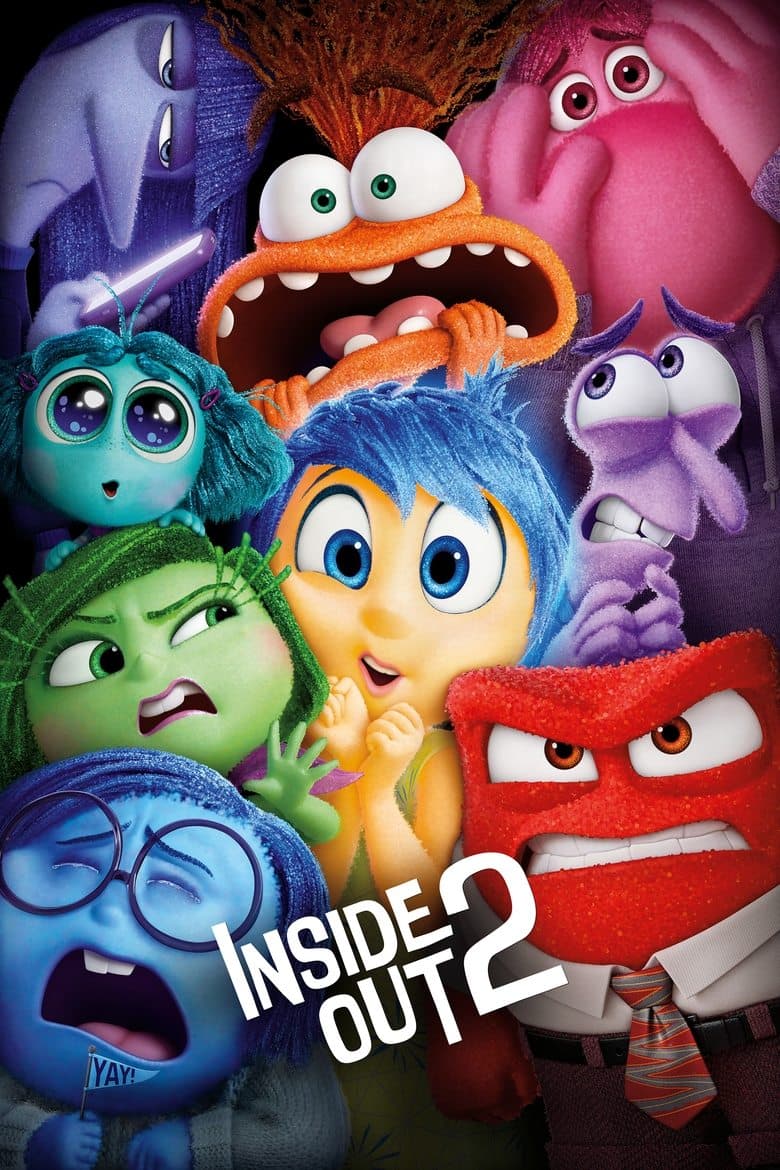
Movie · 2024
Teenager Riley's mind headquarters is undergoing a sudden demolition to make room for something entirely unexpected: new Emotions!
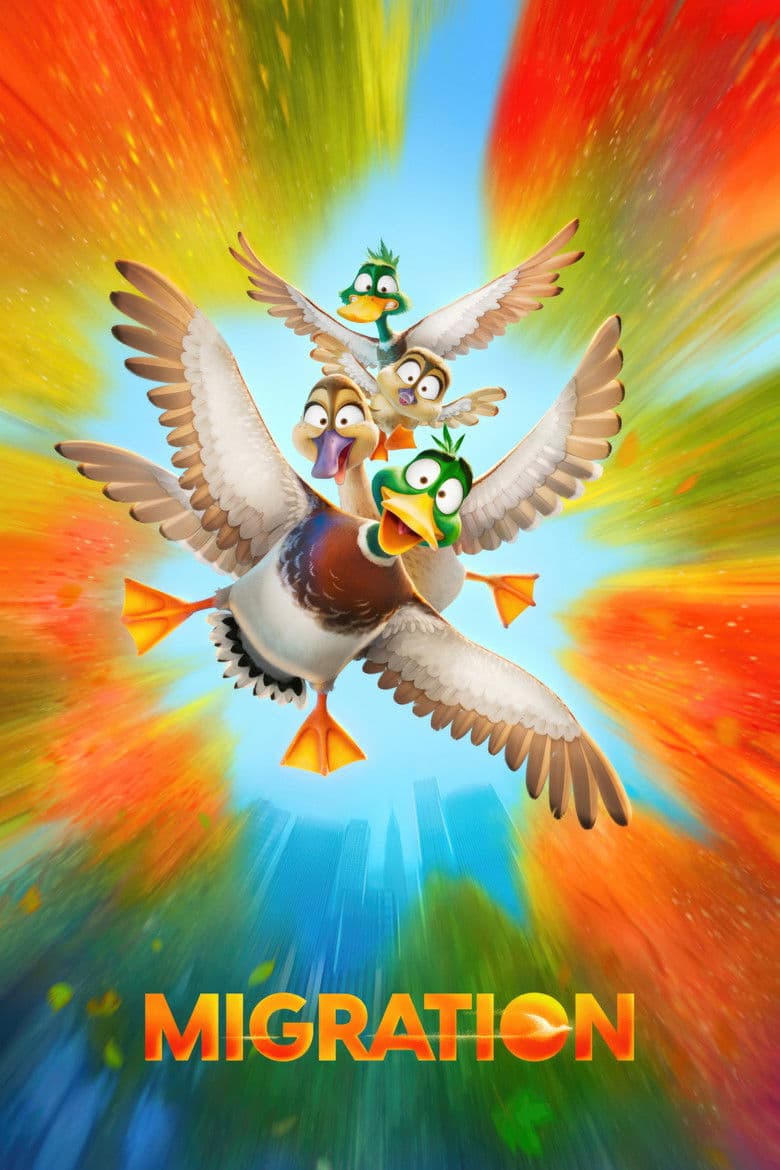
Movie · 2023
After a migrating duck family alights on their pond with thrilling tales of far-flung places, the Mallard family embarks on a family road trip, from New England, to New York City…
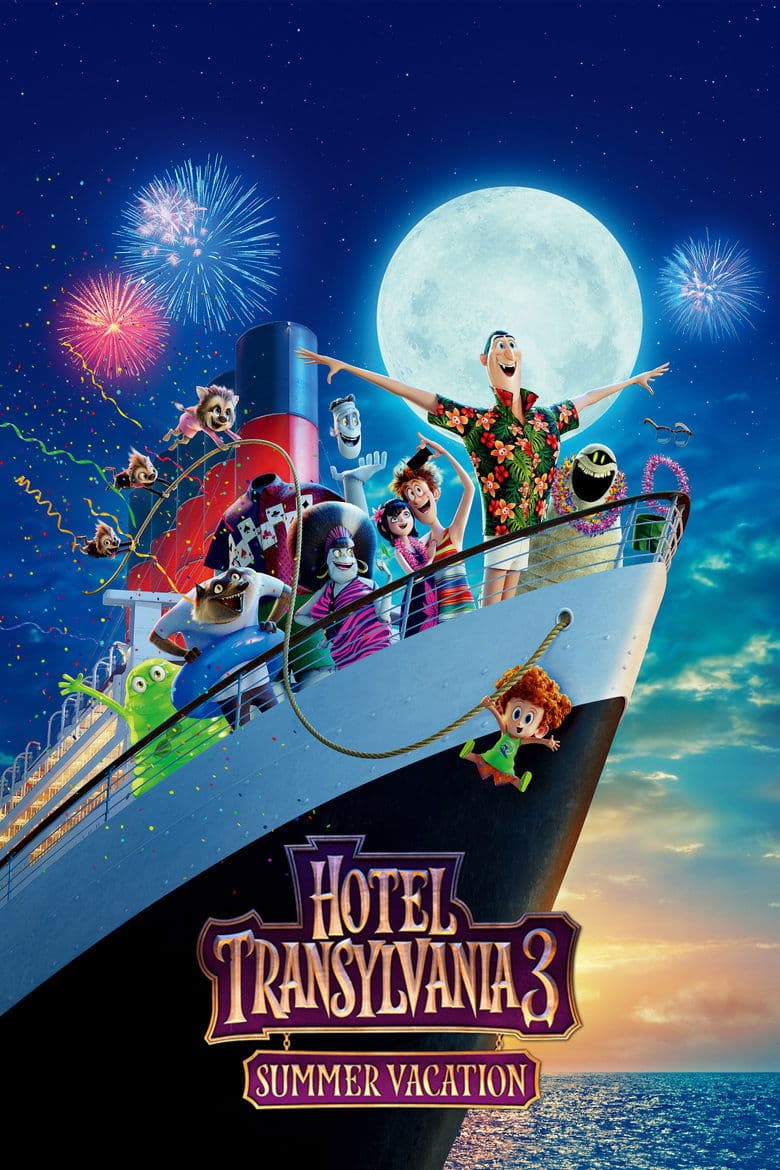
Movie · 2018
Dracula, Mavis, Johnny and the rest of the Drac Pack take a vacation on a luxury Monster Cruise Ship, where Dracula falls in love with the ship’s captain, Ericka, who’s secretly a…
