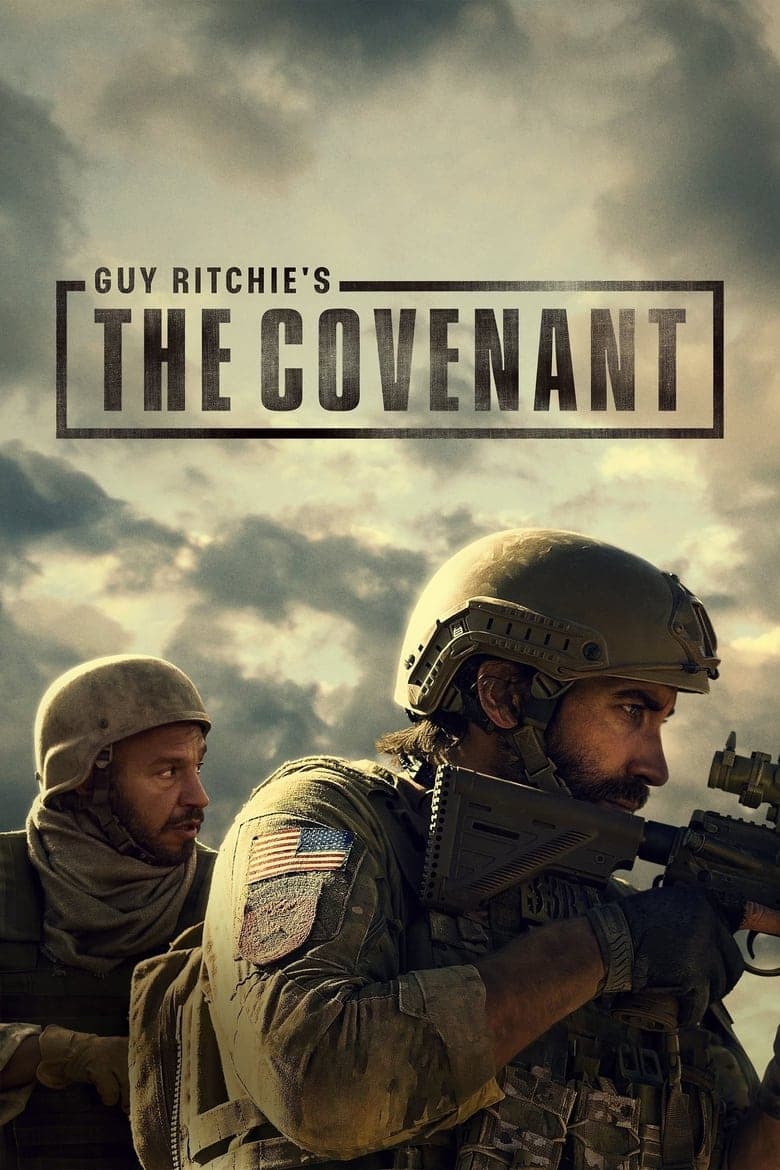
Master Sergeant John Kinley is a U.S. Army special forces soldier fighting in Afghanistan. After his unit is hit hard, his Afghan interpreter, Ahmed, saves his life. Ahmed hauls the badly hurt Kinley across long, dangerous ground while the Taliban hunt them. Later, Kinley is home safe, but Ahmed and his family are in deep danger. Kinley feels he must pay the debt, even if he has to go back into the war zone himself. The movie is tense, serious, and built on trust, duty, and friendship under fire.
The story is about a life debt, loyalty, and keeping a promise. Viewers mainly see combat, survival, and a man fighting red tape and risk to get his interpreter’s family out. The film ends by noting that many Afghan interpreters who helped the U.S. were later killed or forced into hiding. A normal viewer would notice war action, honor between two men, and anger at broken promises—not identity lectures, gender politics, or diversity-first messaging. Casting fits a modern war unit and the need for a local interpreter. Guy Ritchie framed the film as a simple bond story, not a party-line message.
Community feedback
Was our 9% Woke rating accurate?
Breakdown
These are the editorial factors and ratings behind our score for Guy Ritchie's The Covenant.
Woke representation / casting
The U.S. unit has mixed faces and the co-lead is an Afghan interpreter, which fits the war setting and the story need. Marketing does not sell a diversity campaign. No race or gender swaps of famous characters. Diversity reads as job-and-setting normal, not quota spotlighting.
0%
Woke political dialogue
Lines are about missions, trust, debt, danger, and visas. No clear identity-politics speeches, gender sermons, or DEI-style talking points drive the film.
0%
Identity-driven story themes
Main theme is paying a life debt and keeping your word. Country and culture matter because of the war and the interpreter job, not modern race, gender, or queer identity messaging.
0%
Western institutional / cultural critique
Viewers see slow visa systems and broken promises to allies. That is duty-and-honor anger, not a lecture on patriarchy, whiteness, or colonial guilt. Male loyalty and service are treated with respect, not as the problem.
12%
Woke character or canon changes
Not present in this title.
0%
Anti-woke backlash and complaints
Almost no sustained “too woke” or DEI backlash. A few fringe posts call the film propaganda for helping Afghan allies; that is not a clear identity-politics complaint and did not define public talk.
3%
Creator track record context
Lead creative Guy Ritchie and main writers score very low. Most producers are also low. One producer has a clearer institutional DEI history, but he is not the story voice of this movie.
10%
Production
Movie · 2026
A man takes justice into his own hands, hunting down criminals. His vigilante crusade makes him a social media star but puts him at odds with the local police chief.
Movie · 2021
A former special forces agent is trapped in a time loop and relives his death over and over again. To escape the terrible situation, he must track down those responsible and stop…
Movie · 2018
A logger defends his family from a group of dangerous drug runners.
Movie · 2021
Rescued as a child by the legendary assassin Moody and trained in the family business, Anna is the world’s most skilled contract killer.
Movie · 2020
A reformed hunter becomes involved in a deadly game of cat and mouse when he and the local sheriff set out to track a vicious killer who may have kidnapped his daughter years ago.
Movie · 2025
Newly released from prison and marked for death by unrelenting enemies, Nate must now protect his estranged 9-year-old daughter, Polly, at all costs.
Movie · 2021
A young boy finds himself pursued by two assassins in the Montana wilderness, with a survival expert determined to protect him, and a forest fire threatening to consume them all.
Movie · 2016
An American Ambassador is killed during an attack at a U.S. compound in Libya as a security team struggles to make sense out of the chaos.
