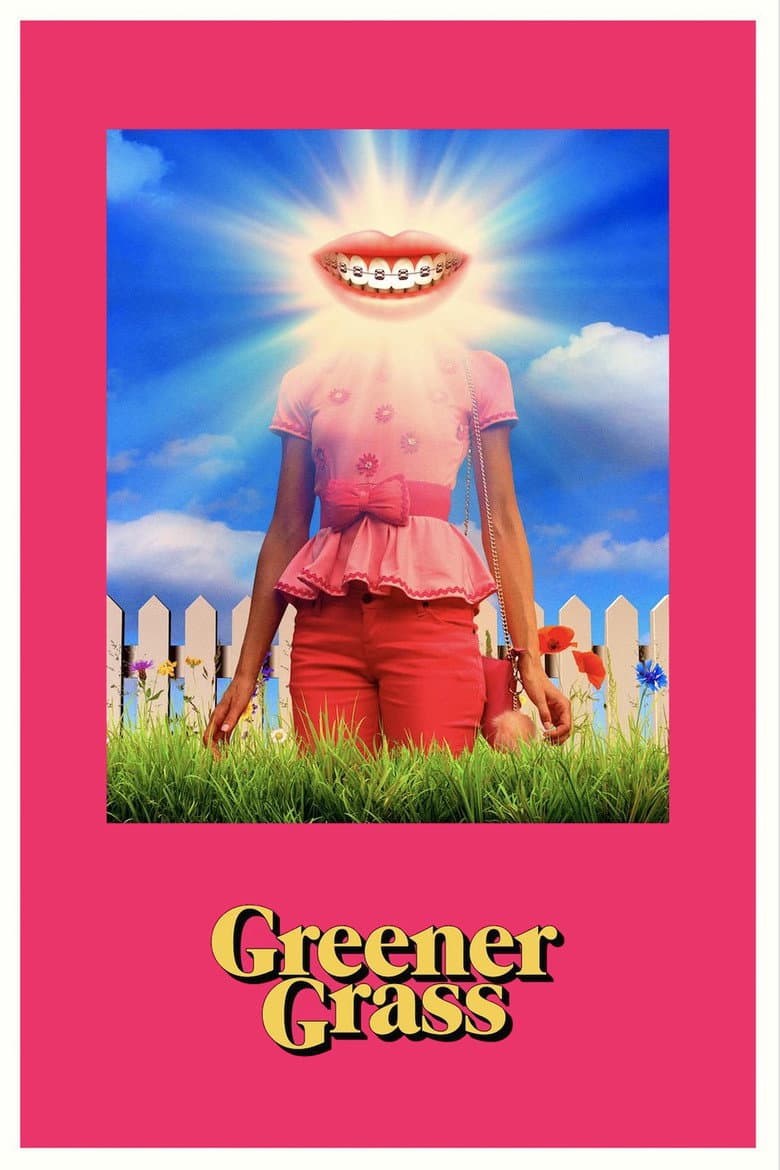
Greener Grass follows Jill, a housewife in a bright but strange American suburb where adults wear braces and drive golf carts. Jill competes with her friend Lisa over homes, children, husbands, and social status. Jill gives Lisa her baby to be polite, then watches her family and place in town fall apart. The film uses flat jokes, pastel colors, and dark strange events to show a world where everyone smiles while acting cruelly.
The film’s visible woke elements come from its focus on women, identity, and pressure to obey social rules. Jill and Lisa are shaped by ideas about femininity, perfect homes, marriage, motherhood, and constant apology. The story treats those rules as empty and harmful, but it does not build a modern DEI campaign or a clear political program. The strongest message is that people lose themselves when they copy their neighbors and judge their worth by family and status.
Community feedback
Was our 33% Woke rating accurate?
Breakdown
These are the editorial factors and ratings behind our score for Greener Grass.
Woke representation / casting
Not present. The film centers on two white suburban women because the story is about their friendship and rivalry. The supporting cast includes different performers, but no prominent identity mix is framed as a diversity goal.
0%
Woke political dialogue
Not present. The film contains jokes about politeness, family roles, and social pressure, but it does not use spoken lines to promote DEI, activist, or modern identity politics.
0%
Identity-driven story themes
Greener Grass repeatedly centers on women who define themselves through homes, marriages, children, looks, and approval from other women. Jill’s forced apologies and Lisa’s takeover show the pressure placed on women to fit a perfect suburban role. The film treats those values as empty and harmful, and it links them to the loss of personal identity. The story remains a strange comedy about social pressure rather than a direct activist or DEI message.
38%
Western institutional / cultural critique
The film repeatedly mocks the traditional American suburb, the perfect nuclear family, and the idea that women must keep everyone happy. It shows marriage, motherhood, home ownership, and polite behavior as rules that trap the characters. The men are often passive or foolish, while Lisa controls the social contest. The film does not attack Christianity, democracy, or a named institution, so its Western institutional / cultural critique stays broad and comic.
34%
Woke character or canon changes
Not relevant. Greener Grass is based on the filmmakers’ earlier short with the same characters, not an established franchise or historical story. No identity-related rewrite of known canon appears.
0%
Anti-woke backlash and complaints
Not present. The separate X research found no anti-woke reaction, and the available Reddit discussion focused on the film’s strange humor, horror, and meaning. Mainstream coverage also treated it as a suburban satire, not as a DEI or identity-politics controversy.
0%
Creator track record context
DeBoer and Luebbe have a record of female-led independent comedy and social satire without a strong public activist or DEI profile. Their interviews frame this film around women, identity, extreme politeness, and pressure to apologize. Producer Natalie Metzger has a stronger record of supporting queer and underrepresented voices, but that work is not central to this film. The overall creator context is a mild supporting signal.
24%
Production
Movie · 2022
Exploring every facet of ‘Weird Al’ Yankovic’s life, from his meteoric rise to fame with early hits like ‘Eat It’ and ‘Like a Surgeon’ to his torrid celebrity love affairs and…
Movie · 2016
A comedy that follows a group of friends as they navigate their way through the freedoms and responsibilities of unsupervised adulthood.
Movie · 2016
Two teenage boys from inner-city Cork steal bicycles and ride off on a 160km quest to find an unrecovered bale of cocaine worth 7,000,000 euros.
Movie · 2017
Brigsby Bear Adventures is a children's TV show produced for an audience of one: James. When the show abruptly ends, James's life changes forever, and he sets out to finish the…
Movie · 2024
Inseparable best friends AJ and Moose decide to run the local pool's snack shack after their plan to sell home-brewed beer goes down the drain.
Movie · 2018
Adam Sandler takes his comical musical musings back out on the road, from comedy clubs to concert halls to one very unsuspecting subway station.
Movie · 2022
Maurice Flitcroft, a dreamer and unrelenting optimist, managed to gain entry to The British Open Golf Championship qualifying in 1976 and subsequently shot the worst round in Open…
Movie · 2023
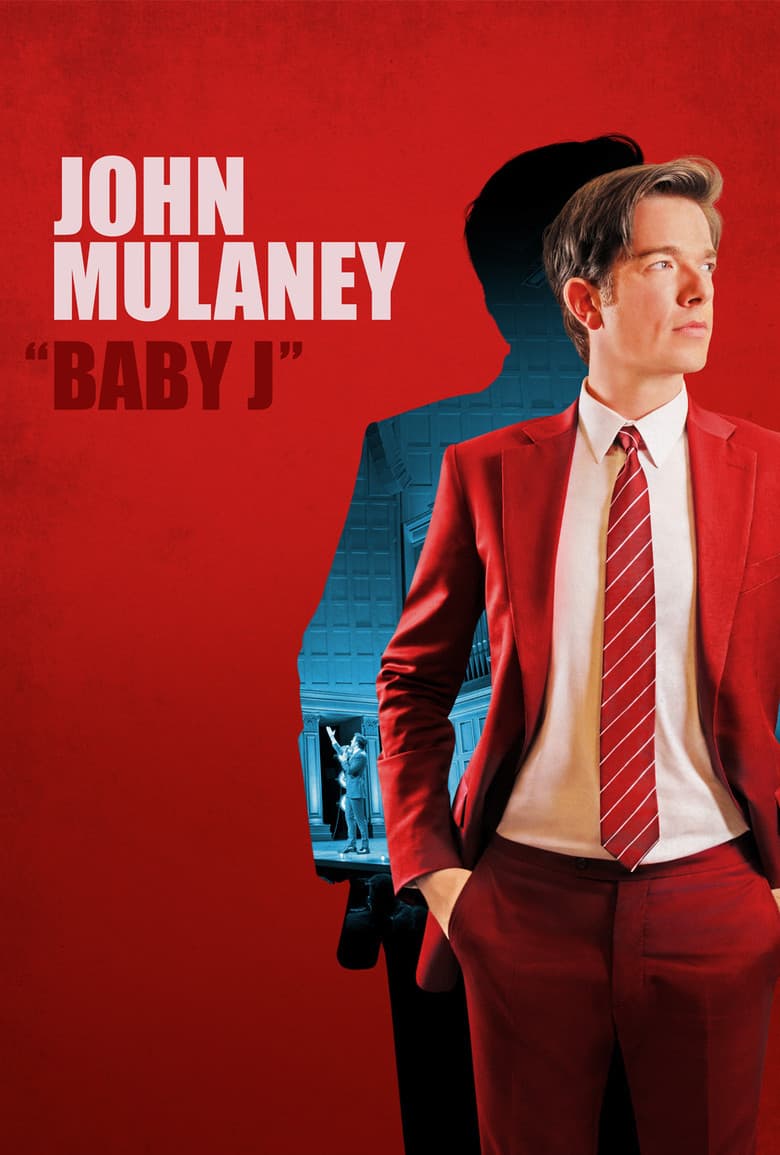
A chaotic intervention. An action-packed stay in rehab. After a weird couple of years, John Mulaney comes out swinging in his return to the stage.
