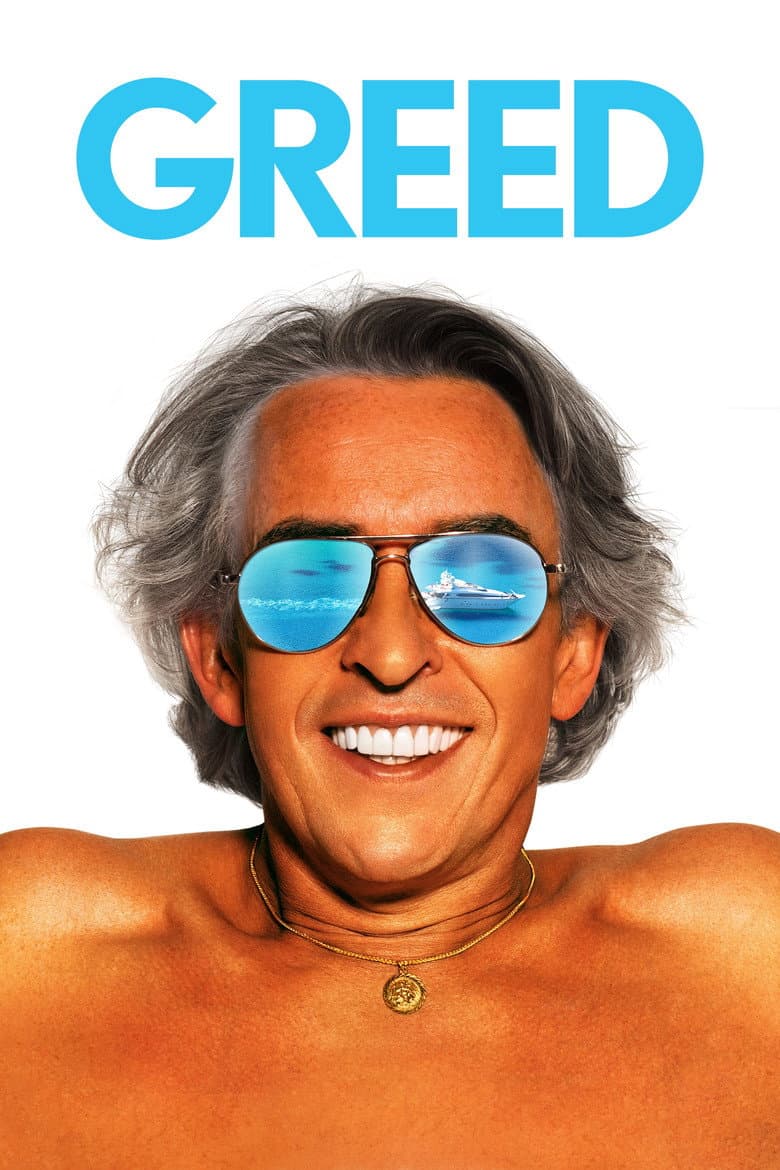
Sir Richard McCreadie is a rich British clothing boss who wants to repair his reputation after a damaging business inquiry. He plans a huge Roman themed birthday party at a luxury hotel on Mykonos, and he fills it with stars, a fake arena, and a lion. His biographer follows him through flashbacks about cheap factories, tax tricks, debt, and broken companies. The story uses loud black comedy while showing the harm behind McCreadie’s wealth.
The film contrasts McCreadie’s luxury with low paid women making clothes in Sri Lanka and Syrian refugees living near his party. Amanda becomes an important moral counterpoint because her family connects her to the factory system. The film also shows McCreadie’s daughter using refugee aid for a reality show, which mocks rich people who turn charity into publicity. These themes create an activist attack on extreme wealth, tax avoidance, weak business controls, and the way companies treat workers. Identity politics remains secondary because the main message focuses on class and capitalism.
Community feedback
Was our 53% Woke rating accurate?
Breakdown
These are the editorial factors and ratings behind our score for Greed.
Woke representation / casting
Not present. The identity choices match the British retail world, the Sri Lankan factories, and the refugee group shown in the story. The film does not turn casting into a diversity first message.
0%
Woke political dialogue
The film repeatedly discusses tax avoidance, cheap labor, bank deals, poverty, and the gap between rich and poor. The inquiry and Nick’s interviews explain how McCreadie makes money. The party scenes criticize pushing refugees away and using them as cheap workers. The dialogue has an openly left leaning and activist tone, but it focuses more on class and capitalism than on identity politics.
45%
Identity-driven story themes
The film repeatedly contrasts wealthy people with low paid female garment workers and Syrian refugees. Amanda becomes an important moral counterpoint because her family links her to the factory system. The film also shows charity being used for television publicity. These identity linked themes matter to the ending, but the main story remains an attack on greed and extreme wealth.
39%
Western institutional / cultural critique
The film makes the business system itself a target. It attacks tax avoidance, debt deals, weak controls, celebrity marketing, and supply chains built on very low wages. It presents the wealth gap as a system problem that needs major change. The treatment of refugees adds a smaller criticism of public selfishness, but corporate capitalism remains the main target.
55%
Woke character or canon changes
Not relevant. The film uses fictional characters. The film does not adapt established characters or a real historical event.
0%
Anti-woke backlash and complaints
Not present. No reviewed news, audience, or X evidence shows anti woke or right leaning complaints about identity, DEI, or activist content. Some viewers called the film preachy or too political. Those viewers did not frame it as woke.
0%
Creator track record context
Winterbottom’s career often covers war, migrants, state power, inequality, and social exclusion. His wider work also includes comedy, romance, music, and commercial films, so the pattern is not constant identity activism. Coogan’s interviews about Greed stress poverty, low wages, and system change. The producers and casting director do not add a strong identity first record.
40%
Production

Movie · 2019
A young Scottish singer, Rose-Lynn Harlan, dreams of making it as a country artist in Nashville after being released from prison.

Movie · 2016
Two high school girls are best friends until one dates the other's older brother, who is totally his sister's nemesis.
Movie · 2019
The story of Rudy Ray Moore, who created the iconic big screen pimp character Dolemite in the 1970s.

Movie · 2024
When a construction worker unexpectedly joins a local theater's production of Romeo and Juliet alongside his estranged teenage daughter, the drama onstage starts to mirror his own…
Movie · 2023
Two mismatched entrepreneurs – egghead innovator Mike Lazaridis and cut-throat businessman Jim Balsillie – joined forces in an endeavour that was to become a worldwide hit in…

Movie · 2016
Having suffered a tragedy, Ben becomes a caregiver to earn money. His first client, Trevor, is a hilarious 18-year-old with muscular dystrophy.
Movie · 2025
1984; Michael Larson, an unemployed ice-cream truck driver from Ohio, steps onto the game show "Press Your Luck" harboring a secret: the key to endless amounts of money.

Movie · 2017
Matt Ryder is convinced to drive his estranged and dying father Benjamin Ryder cross country to deliver four old rolls of Kodachrome film to the last lab in the world that can…
