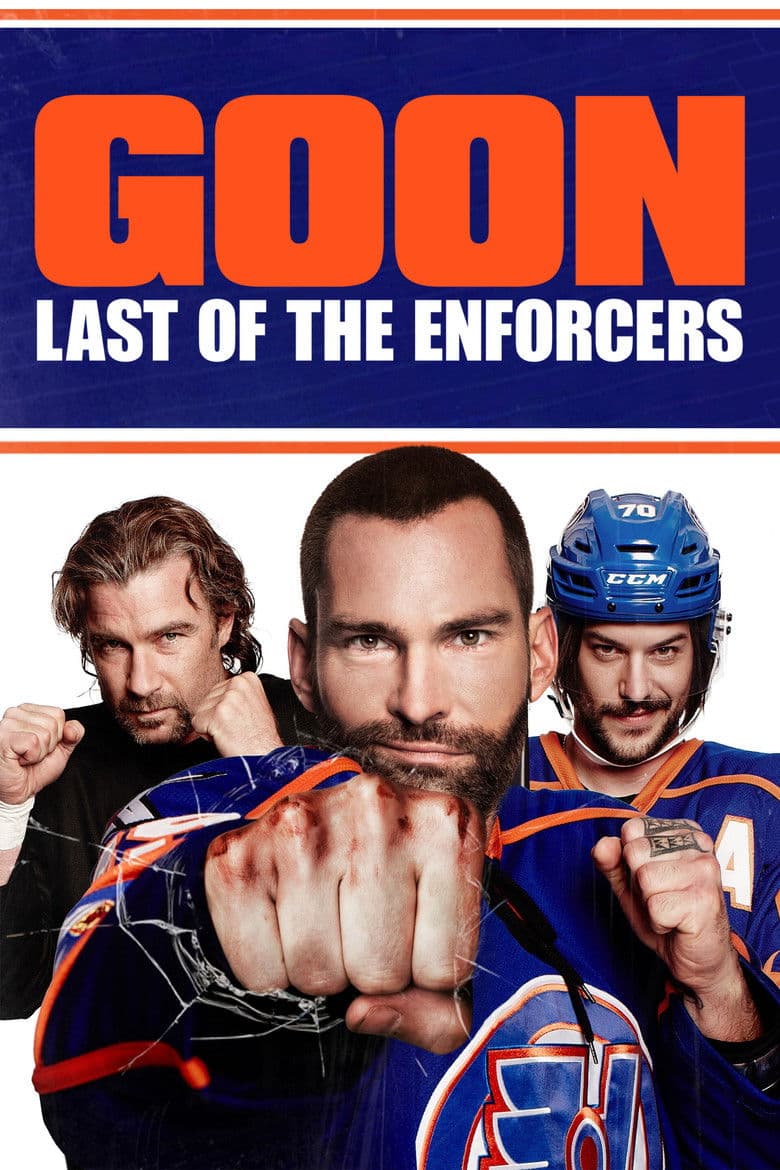
Doug “The Thug” Glatt is a kind but slow minor league hockey enforcer for the Halifax Highlanders. During an NHL lockout, a younger rival named Anders Cain badly injures Doug and forces him to leave the game. Doug takes an insurance job while he and his pregnant wife, Eva, prepare for their first child. The raunchy comedy follows his attempt to return to the ice while old rival Ross Rhea trains him to fight with his weaker left arm.
The film gives most of its attention to hockey fights and to the cost of aging in a violent job. Doug must decide if protecting his team is worth putting his arm and family life at risk. Eva briefly objects that Doug is turning her into a “naggy housewife,” which is a small gender-role point inside their marriage argument. Pat also wears a cap that says “Fuck white people,” but the film treats it as a crude joke and does not build a race or identity politics story around it.
Community feedback
Was our 22% Woke rating accurate?
Breakdown
These are the editorial factors and ratings behind our score for Goon: Last of the Enforcers.
Woke representation / casting
Not present. The cast and character choices do not make race, gender, sexuality, or diversity a visible part of the main story. The film centers on a male Canadian hockey team, while Eva and Mary serve as supporting family and comic characters.
0%
Woke political dialogue
Eva says she does not want Doug to turn her into a “naggy housewife” during an argument about hockey and family. The line points to a modern concern about traditional gender roles. The moment is brief, and the rest of the dialogue is raunchy sports banter rather than DEI or activist politics.
22%
Identity-driven story themes
Pat wears a cap that says “Fuck white people,” which is a clear anti-white identity joke. Eva rejects the idea that she should only worry about Doug as a wife. The main conflict stays focused on hockey violence, aging, marriage, and fatherhood.
15%
Western institutional / cultural critique
Not present. The film shows that hockey fighting can damage men and end careers, but it treats this as a sports and family problem. It does not attack Western institutions, traditional family life, or men through a modern activist message.
0%
Woke character or canon changes
Not relevant. The movie is a sequel that keeps the established characters and hockey setting. It does not make a race, gender, sexuality, or hero-role change to known characters or real events.
0%
Anti-woke backlash and complaints
A small right-leaning online discussion criticized Pat’s “Fuck white people” hat as reverse-racist or SJW-style messaging. A low-reach X joke said the movie could not be made in a woke culture, but it treated the film as the opposite of woke. Major reviews focused on the sequel’s weak plot, crude humor, violence, and hockey themes. The anti-woke evidence is fringe and brief.
16%
Creator track record context
Jay Baruchel has a mild liberal and socially aware record, including work about youth activism and creator responsibility. Jesse Chabot has one notable socially aware project but little public activist history. The listed producers have mostly commercial careers with low or mild political signals. This movie’s interviews focus on hockey, aging, family, and Canadian culture.
20%
Production
Movie · 2024
Inseparable best friends AJ and Moose decide to run the local pool's snack shack after their plan to sell home-brewed beer goes down the drain.
Movie · 2018
Adam Sandler takes his comical musical musings back out on the road, from comedy clubs to concert halls to one very unsuspecting subway station.
Movie · 2016
A comedy that follows a group of friends as they navigate their way through the freedoms and responsibilities of unsupervised adulthood.
Movie · 2023
A chaotic intervention. An action-packed stay in rehab. After a weird couple of years, John Mulaney comes out swinging in his return to the stage.
Movie · 2016
Two teenage boys from inner-city Cork steal bicycles and ride off on a 160km quest to find an unrecovered bale of cocaine worth 7,000,000 euros.
Movie · 2023
From his onstage tackle to the slap heard round the world, Dave Chappelle lets loose in this freewheeling and unfiltered stand-up comedy special.
Movie · 2023
After it's discovered that a teacher at South Park Elementary has an OnlyFans page, Randy is compelled to take a closer look at the seedy underbelly of the world of online…
Movie · 2022
Exploring every facet of ‘Weird Al’ Yankovic’s life, from his meteoric rise to fame with early hits like ‘Eat It’ and ‘Like a Surgeon’ to his torrid celebrity love affairs and…
