
Don Koch moves from Chicago to a small town in Illinois to repair an old three-story house before his pregnant wife Liz and their dog join him. Don has a criminal past. He drinks after promising to stop and cheats on Liz. The house once held a brothel, and black slime, moving marbles, hidden rooms, and ghosts soon turn his repair job into a nightmare. The film uses grim humor, body horror, and a steady sense of disgust as Don’s old habits catch up with him.
Girl on the Third Floor gives its horror a clear gender message. Don treats Liz as a source of money and forgiveness, cheats with Sarah, and sees women as objects, while the house punishes his pride and violence. The story shifts to Liz as she faces the house, rejects Don’s plea, buries Sarah, and lives with their baby on her own. The ghosts connect the old brothel’s abuse with the film’s repeated claim that male power and entitlement harm women, so the identity-driven theme is central even though the movie remains a supernatural horror story.
Community feedback
Was our 62% Woke rating accurate?
Breakdown
These are the editorial factors and ratings behind our score for Girl on the Third Floor.
Woke representation / casting
Not present. The cast does not show a diversity-first group or a clear identity-based casting campaign. The modern Illinois setting supports the female pastor, successful wife, and mostly white cast without making the casting itself a woke statement.
0%
Woke political dialogue
The bartender asks Don if he is queer and says gay people can have children too. The house is described as bad news for straight men, and the final act includes lines about men wanting power and Don wanting to be a man again. These identity and gender lines recur in key scenes, but the film has no long activist speech.
38%
Identity-driven story themes
The story repeatedly treats male entitlement, sexual use, and refusal to change as the source of danger. Don’s cheating and violent treatment of Sarah drive the murders and his own collapse. The ghosts of abused women punish men, and Liz becomes the main survivor who rejects Don’s demand for forgiveness. The message about toxic masculinity and female strength shapes the whole second half, so this is a major theme rather than a side idea.
68%
Western institutional / cultural critique
The film attacks male entitlement and the idea that a man should control the home, the marriage, and the women around him. Don’s pride makes him refuse help, lie to his wife, use Sarah, and demand forgiveness after he causes harm. The house is described as testing men, while a female pastor warns Liz and helps explain the pattern. The church is not mocked, and the film does not attack a wider Western institution beyond its critique of abusive masculinity.
60%
Woke character or canon changes
Not relevant. The film is an original haunted-house story. It does not change a known character, franchise role, book character, or real historical figure.
0%
Anti-woke backlash and complaints
Not present. No meaningful anti-woke complaints or boycott appeared in the reviewed coverage or audience posts. Negative reactions focused on slow pacing, weak dialogue, or confusing plot.
0%
Creator track record context
The cached record gives Travis Stevens a moderate women-centered horror signal and the writer a low identity-politics record. The producers mainly have genre careers, although two have worked on a documentary about women in horror. This makes creator track record a moderate supporting signal without a strong activist persona.
35%
Production
Movie · 2018
A man recently released from a mental institute inherits a mansion after his parents die. After a series of disturbing events, he comes to believe it is haunted.

Movie · 2024
Nothing is what it seems when a twisted one-night stand spirals into a serial killer’s vicious murder spree.

Movie · 2022
Finney Blake, a shy but clever 13-year-old boy, is abducted by a sadistic killer and trapped in a soundproof basement where screaming is of little use.

Movie · 2024
A group of criminals kidnap a teenage ballet dancer, the daughter of a notorious gang leader, in order to obtain a ransom of $50 million, but over time, they discover that she is…
Movie · 2026
College student Lucy and her friends spend their vacation at her family's home in Hawaii, which includes her pet chimpanzee, Ben.
Movie · 2021
The Blind Man has been hiding out for several years in an isolated cabin and has taken in and raised a young girl orphaned from a devastating house fire.
Movie · 2023
Recently fired and desperate for work, a troubled young man named Mike agrees to take a position as a night security guard at an abandoned theme restaurant: Freddy Fazbear's…
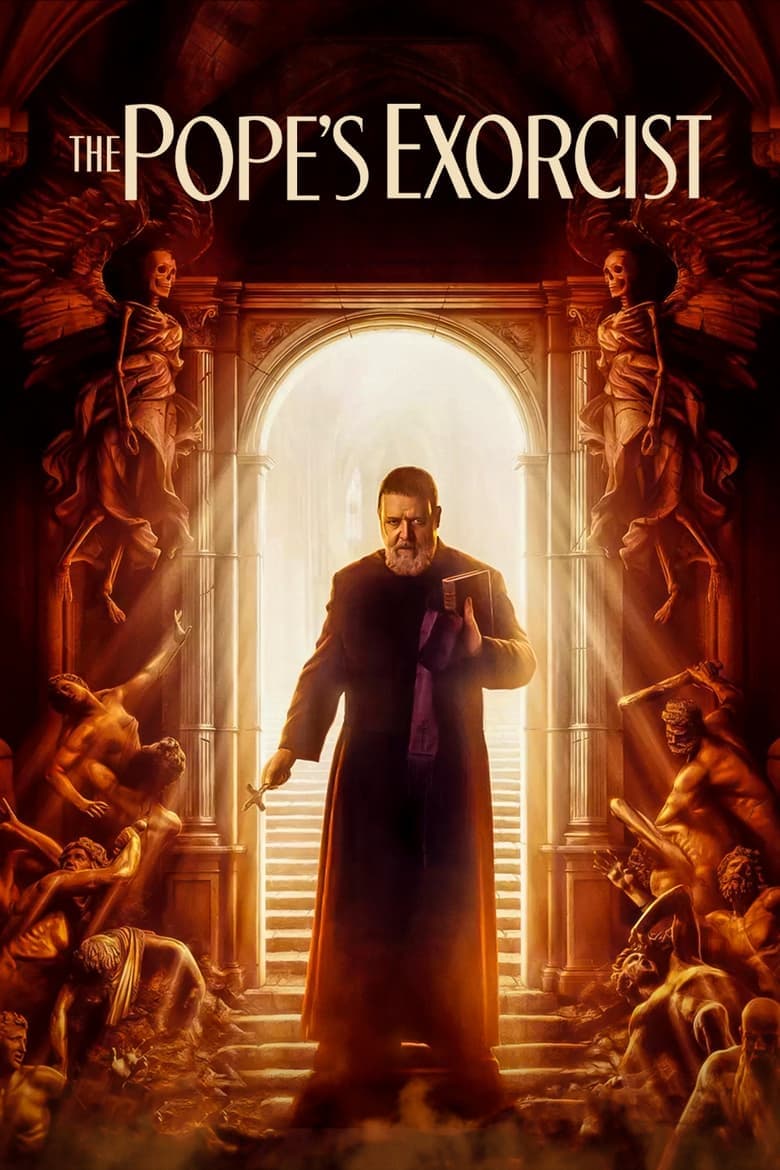
Movie · 2023
Father Gabriele Amorth, Chief Exorcist of the Vatican, investigates a young boy's terrifying possession and ends up uncovering a centuries-old conspiracy the Vatican has…
