Movie review
December 1, 2017 · 135 min · PG-13 · Japanese · Sci-Fi · Fantasy · Action · Adventure
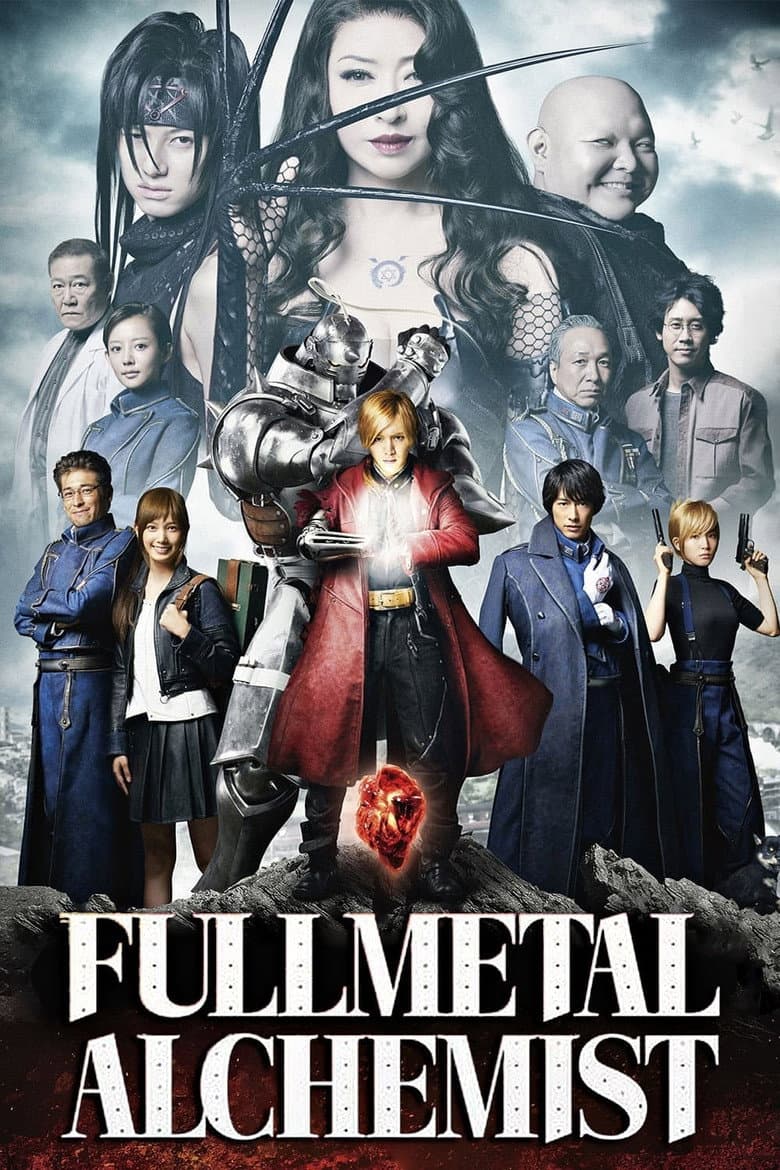
Edward Elric is a young alchemist who serves the State Military of Amestris. He and his younger brother Alphonse lose their bodies after trying to bring their dead mother back to life. The brothers search for the Philosopher's Stone while they face dangerous alchemists, human experiments, and a military secret. The film uses a dark fantasy world with European-style towns, uniforms, trains, and old machines, but it also adds fast action and odd humor.
The clearest audience-visible issue is the casting choice. Japanese actors play nearly all the main people from Amestris, including Edward, Winry, Roy Mustang, and the military officers, even though the country is styled after Europe. The choice is visible, but it does not drive the plot or become a message about identity. The story also criticizes military power, secret experiments, and the use of human lives, but those ideas belong to its fantasy conflict rather than current identity politics.
Community feedback
Was our 26% Woke rating accurate?
Breakdown
These are the editorial factors and ratings behind our score for Fullmetal Alchemist.
Woke representation / casting
The film casts Japanese actors in nearly every prominent Amestrian role, including Edward, Winry, Roy Mustang, and the military officers. Amestris is styled after early twentieth-century Europe, so the live-action cast creates a clear audience-visible mismatch with the characters' usual European look. Director Fumihiko Sori defended the choice as preserving the Japanese emotional core of the manga, not as a diversity campaign. The pattern is important to the film's presentation, but it is one casting choice rather than a wider identity message.
38%
Woke political dialogue
Not present. The film has warnings about military abuse and human experiments, but it does not use modern identity, gender, DEI, or activist talking points in its dialogue.
0%
Identity-driven story themes
Not present. The brothers' lost bodies and Alphonse's fear that he is only a false memory explore personal identity, but the film does not turn that idea into modern identity politics.
0%
Western institutional / cultural critique
Not present. The film attacks a secret military program that uses human lives, but that conflict belongs to its fictional anti-tyranny plot. It does not target modern Western family, faith, gender, or social institutions.
0%
Woke character or canon changes
Not relevant. The film omits Scar and changes Shou Tucker's plot, but those are story-compression and villain changes. It does not change a character's race, gender, sexuality, or hero role.
0%
Anti-woke backlash and complaints
A few viewers objected to the all-Japanese cast playing characters in a Europe-styled setting and called it “Asian washing.” The complaint appeared in scattered fan posts and one small X account. News coverage discussed the casting choice, but it did not show a sustained anti-woke campaign or boycott. Most reported reactions focused on pacing, effects, wigs, and faithfulness.
10%
Creator track record context
Hiromu Arakawa's wider work often explores war, discrimination, state violence, and abuse of power. This film uses those ideas in its military conspiracy and human experiments. Fumihiko Sori and Takeshi Miyamoto have no strong public activist or DEI record in the available background. Sori's interviews about this film focus on CGI, live-action emotion, source fidelity, and the brothers' bond, not identity politics.
25%
Production

Movie · 2018
As the Avengers and their allies have continued to protect the world from threats too large for any one hero to handle, a new danger has emerged from the cosmic shadows: Thanos.
Movie · 2016
A common thief joins a mythical god on a quest through Egypt.
Movie · 2024
Several generations following Caesar's reign, apes – now the dominant species – live harmoniously while humans have been reduced to living in the shadows.
Movie · 2016
Through a technology that unlocks the genetic memories of his ancestor in 15th century Spain, Callum Lynch discovers he is a descendant of an ancient line of Assassins and amasses…

Movie · 2017
Fuelled by his restored faith in humanity and inspired by Superman's selfless act, Bruce Wayne and Diana Prince assemble a team of metahumans consisting of Barry Allen, Arthur…
Movie · 2018
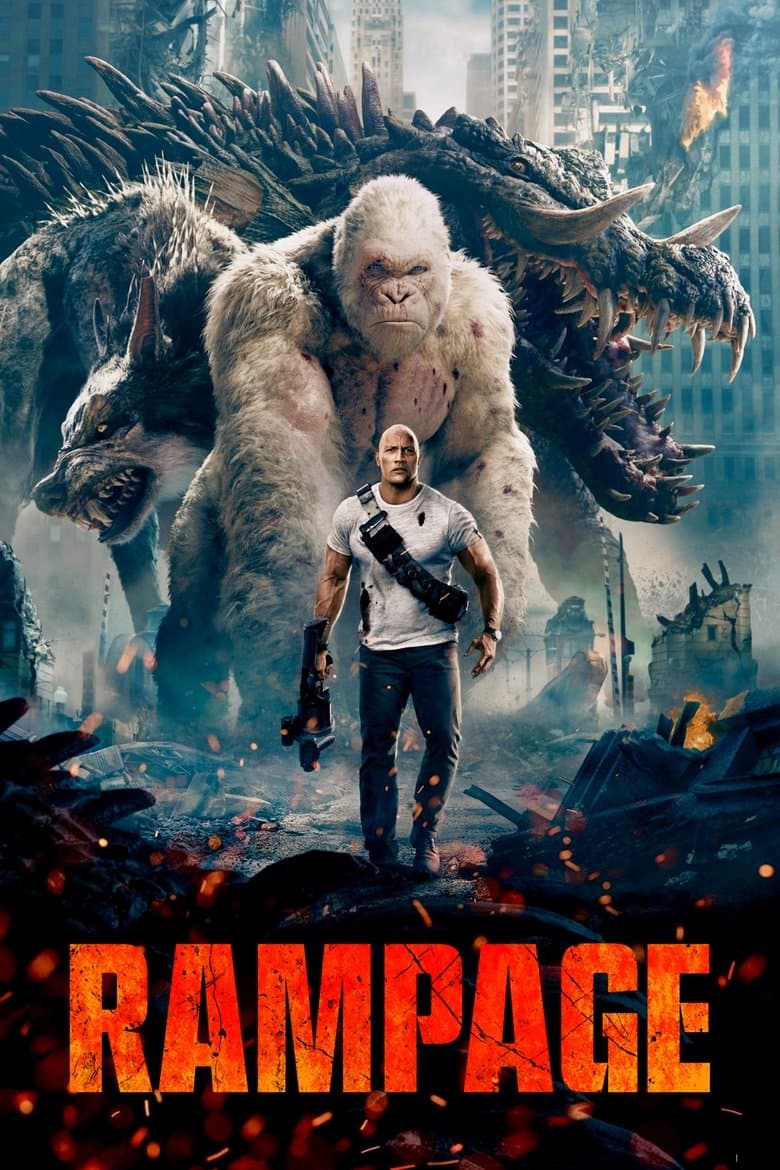
Primatologist Davis Okoye shares an unshakable bond with George, the extraordinarily intelligent, silverback gorilla who has been in his care since birth.
Movie · 2017
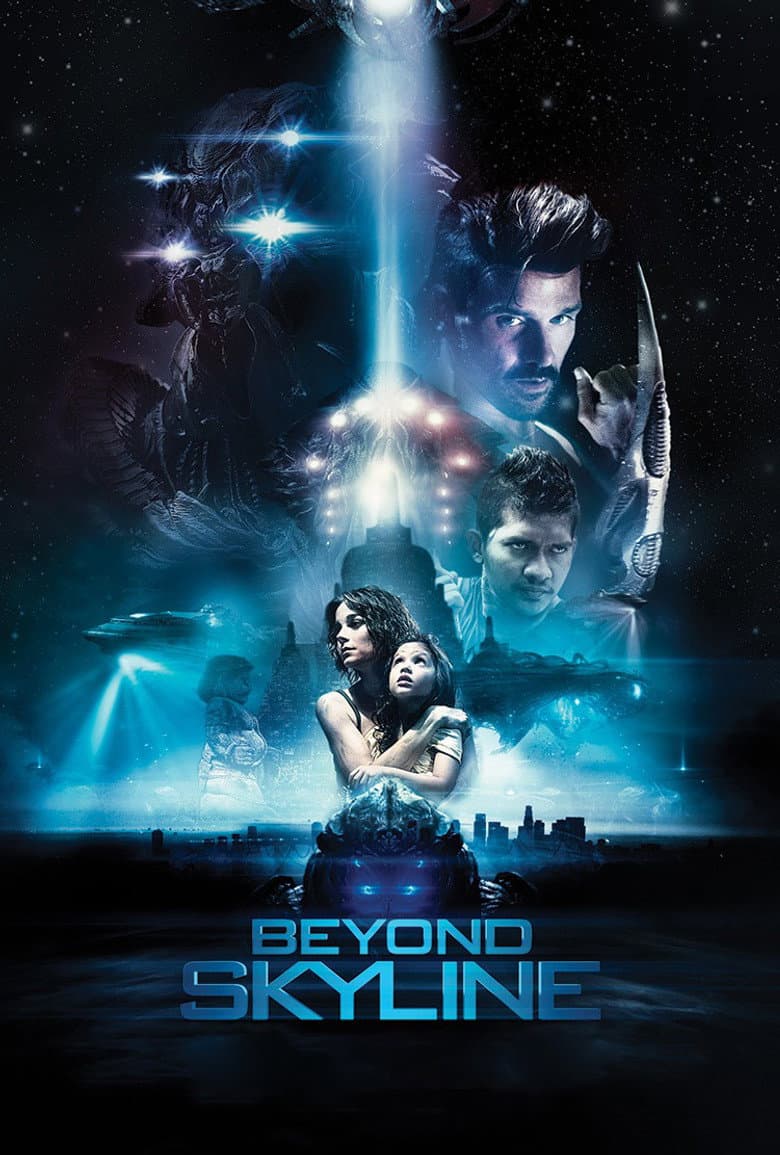
Detective Mark Corley storms his way onto an alien spaceship to rescue his estranged son. When the ship crashes in Southeast Asia, he forges an alliance with a band of survivors…

Movie · 2025
The Demon Slayer Corps are drawn into the Infinity Castle, where Tanjiro, Nezuko, and the Hashira face terrifying Upper Rank demons in a desperate fight as the final battle…
