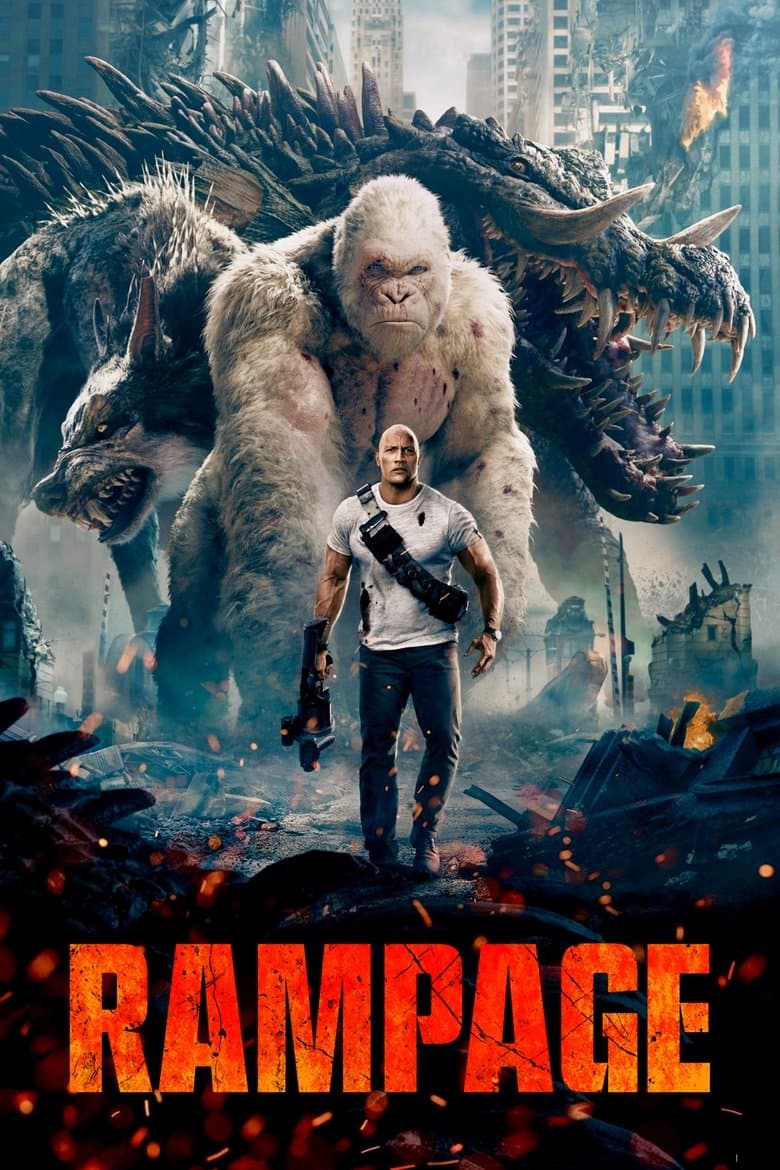
Davis Okoye is a primatologist and former Special Forces soldier who shares a deep bond with George, a rare silverback gorilla he rescued from poachers. Pathogen canisters from the corrupt biotech firm Energyne crash to Earth and mutate George, a wolf named Ralph, and a crocodile named Lizzie into giant, hyper-aggressive predators. Davis teams with genetic engineer Kate Caldwell and government agent Harvey Russell to obtain an antidote. They must also stop Energyne CEO Claire Wyden from luring the beasts into Chicago for her own gain. The film is a big, loud monster blockbuster built on man and ape friendship, CGI destruction, and classic evil-corporation mayhem.
Audience-facing messages center on teamwork, courage, and caution about gene editing rather than race, gender ideology, or identity politics. Kate is a competent black female geneticist co-lead, but the story is not framed as a representation first tale and is not sold that way. There is no LGBTQ plot or identity centered arc, and creators describe the movie as popcorn adventure focused on trust between Davis and George. Mild anti-poaching and conservation color sits in backstory. The military and the stock corporate villain support blockbuster action, not modern identity or DEI messaging.
Community feedback
Was our 12% Woke rating accurate?
Breakdown
These are the editorial factors and ratings behind our score for Rampage.
Woke representation / casting
The modern U.S. action cast is led by Dwayne Johnson as a bankable star rather than a diversity hire. Co-lead Naomie Harris is a black female genetic engineer and is the clearest fit for the brilliant minority scientist pattern, with light supporting diversity in military and agency roles. That mix sits in normal contemporary blockbuster range. There is no one-of-each friend group, no first representation marketing push, and no historical setting mismatch.
18%
Woke political dialogue
Not present. No audience-visible dialogue pushes identity politics, systemic racism or sexism, DEI language, or activist talking points. Banter is action-comedy and exposition.
0%
Identity-driven story themes
Not present. Core themes are man–animal friendship, science abuse, and stopping giant monsters. Anti-poaching and conservation are character backstory and mild environmental color, not modern identity or DEI messaging. No race, gender, queer, or representation-centered plot.
0%
Western institutional / cultural critique
Not present. Energyne is a generic evil biotech company, and the military is a competent but brutal blockbuster force willing to use extreme force on Chicago. The story is not framed as critique of toxic masculinity, patriarchy, whiteness, Christianity, or present-day Western cultural guilt. The female CEO is the primary human villain.
0%
Woke character or canon changes
Not relevant. Deviations from the game such as animals versus mutated humans and an original human cast are ordinary adaptation choices, not identity-driven rewrites of legacy characters or history.
0%
Anti-woke backlash and complaints
Not present. No documented anti-woke or anti-DEI backlash treats this film as propaganda or forced diversity. Reception was dumb fun versus empty spectacle and box office, not culture war.
0%
Creator track record context
Cached scores show Peyton at 8, Sztykiel at 13, Cuse at 14, Engle at 5, and Condal at 44 from later House of the Dragon diversity framing, with producers and casting roughly 9 to 13. Overall this is a commercial action team. One higher writer outlier exists, and that person’s public DEI framing is not about this film.
16%
Production
Movie · 2023
65 million years ago, the only 2 survivors of a spaceship from Somaris that crash-landed on Earth, must fend off dinosaurs to reach the escape vessel in time before an imminent…
Movie · 2018
As the Avengers and their allies have continued to protect the world from threats too large for any one hero to handle, a new danger has emerged from the cosmic shadows: Thanos.
Movie · 2017
Detective Mark Corley storms his way onto an alien spaceship to rescue his estranged son. When the ship crashes in Southeast Asia, he forges an alliance with a band of survivors…
Movie · 2024
Following their explosive showdown, Godzilla and Kong must reunite against a colossal undiscovered threat hidden within our world, challenging their very existence – and our own.
Movie · 2019
When Alita awakens with no memory of who she is in a future world she does not recognize, she is taken in by Ido, a compassionate doctor who realizes that somewhere in this…
Movie · 2010
Cobb, a skilled thief who commits corporate espionage by infiltrating the subconscious of his targets is offered a chance to regain his old life as payment for a task considered…
Movie · 2021
Evan McCauley has skills he never learned and memories of places he has never visited. Self-medicated and on the brink of a mental breakdown, a secret group that call themselves…
Movie · 2018
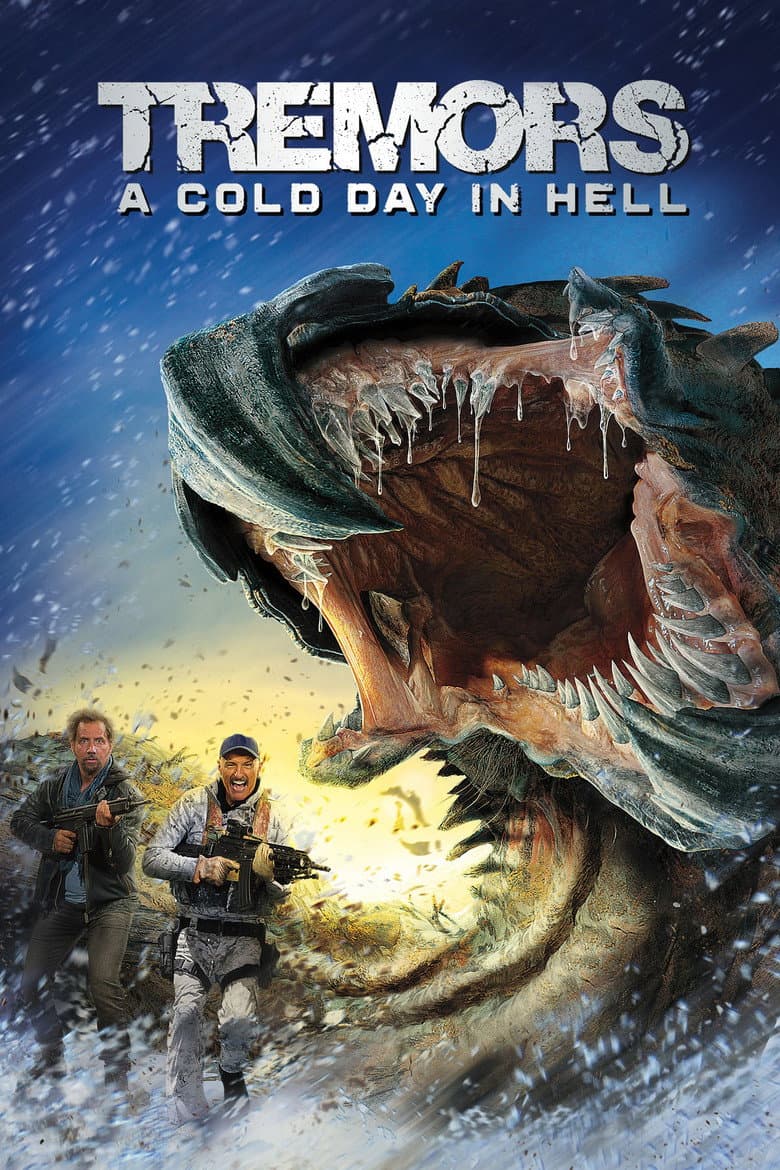
Burt Gummer and Travis Welker find themselves in a fight for survival after investigating deadly giant worm attacks in the Canadian arctic.
