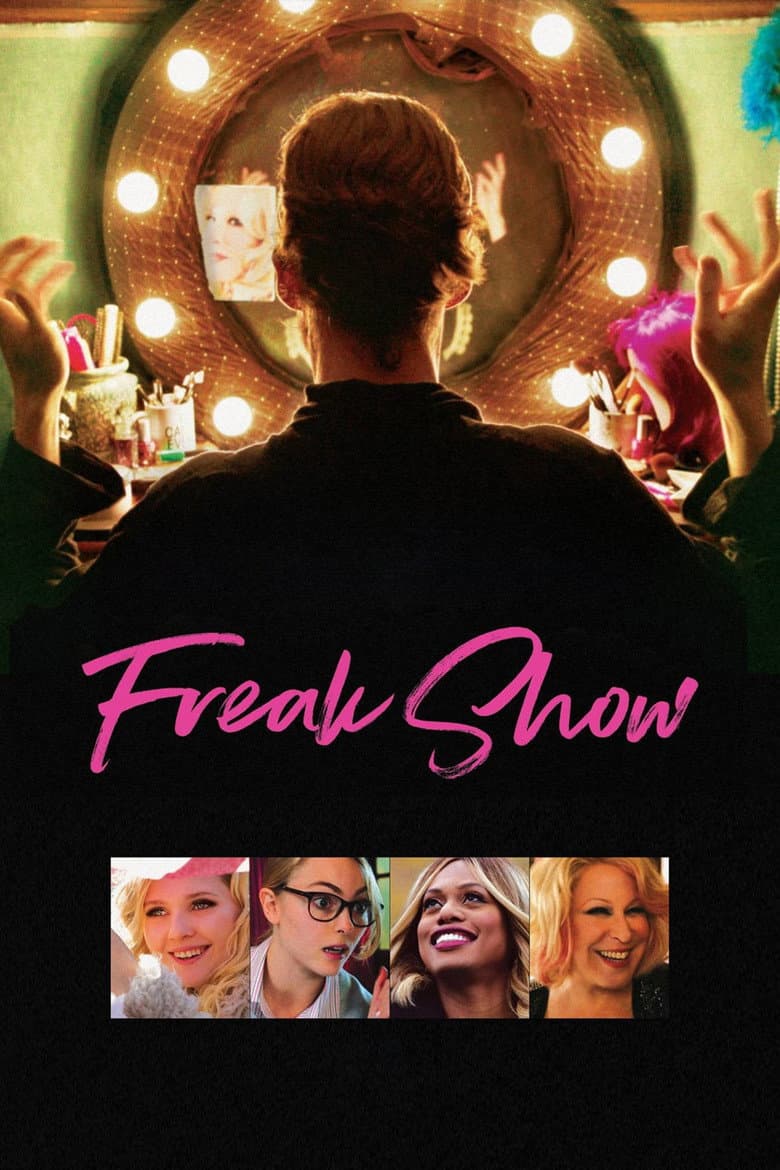
Freak Show follows Billy Bloom, a flashy queer teenager who loves makeup, costumes, and old movie stars. After his mother enters rehab, Billy moves from Connecticut to his rich father's home in the Deep South. His new private school treats his clothes and manner as a threat, and a violent attack leaves him in a coma. Billy returns to school and runs for homecoming queen while he faces bullies, family pain, and a friendship with football player Flip. The film mixes bright jokes and wild costumes with family sadness and harsh scenes of bullying.
Queer identity and gender nonconformity drive nearly every major part of the story. Billy calls himself a gender obliviator, wears dresses and makeup, and refuses to hide after classmates attack him for being different. The film presents the school's religious and traditional rules as cruel when they defend straight behavior and punish Billy, while Billy's campaign asks students to accept the freak in themselves. The final speech and the students' change make tolerance, self-expression, and resistance to homophobia the film's main message.
Community feedback
Was our 82% Woke rating accurate?
Breakdown
These are the editorial factors and ratings behind our score for Freak Show.
Woke representation / casting
Freak Show places a queer, gender-nonconforming teenager at the center of its cast. Laverne Cox appears in a reporter cameo, adding an audience-visible trans performer to the queer-centered cast. Trudie Styler said she wanted actors who championed diversity in real life. The wider student cast is mostly White, so the film shows a strong queer focus but not a broad mix of identity groups.
40%
Woke political dialogue
Billy repeatedly talks about bigotry, hate, acceptance, and letting people show who they are. Billy's homecoming campaign turns those ideas into a public speech and asks students to accept the freak in themselves. Lynette answers with talk of decency, depravity, straight people, and “Make America Great Again.” The dialogue returns to these ideas across the school story, but it stays inside a teen campaign rather than becoming a long political debate.
50%
Identity-driven story themes
Billy's queer identity and gender-nonconforming style drive the whole plot. Billy keeps wearing dresses, makeup, and bold costumes after classmates punish him for refusing usual male behavior. Billy turns the abuse into a run for homecoming queen and becomes a sign of hope for students who feel different. The film ends by praising self-expression and support for outsiders while treating homophobia and forced conformity as its main enemies.
92%
Western institutional / cultural critique
The school lets students target Billy and treats his clothes and manner as a threat. Billy asks a teacher if he will stand there like a good German while classmates attack him. The boys enforce a narrow idea of masculinity, and Lynette links decency with straight behavior. Lynette also uses “Make America Great Again,” which ties the school conflict to current political messaging. The ending celebrates students who reject those school and family rules.
55%
Woke character or canon changes
Not relevant. The film adapts James St. James's novel and keeps Billy Bloom's queer and gender-bending premise. No identity change to an established screen character or real person is reported.
0%
Anti-woke backlash and complaints
Not present. No clear anti-woke boycott, review-bombing, or complaint that the film pushes DEI or identity politics appears in the available coverage. The supplied X pass also reports no anti-woke reaction.
0%
Creator track record context
James St. James brings a strong queer and gender-nonconforming track record through his source novel, Club Kid memoir, and queer youth work. Trudie Styler's wider record is mainly environmental and humanitarian, but her statements about this film stress gay identity, gender roles, and acceptance. Several producers have backed queer or social-issue stories, while the other writers and many producers have little public activist record. The team therefore shows a clear queer and social-issue link without a uniform activist profile.
55%
Production
Movie · 2019
Ten fishermen from Cornwall are signed by Universal Records and achieve a top ten hit with their debut album of Sea Shanties.
Movie · 2023
The true story of how Dave Fishwick, a working class man and self-made millionaire, fought to set up a community bank so that he could help the local businesses of Burnley not…
Movie · 2017
Brigsby Bear Adventures is a children's TV show produced for an audience of one: James. When the show abruptly ends, James's life changes forever, and he sets out to finish the…

Movie · 2022
The remarkable true story of how retiree Jerry Selbee discovers a mathematical loophole in the Massachusetts lottery and, with the help of his wife, Marge, wins $27 million…
Movie · 2019
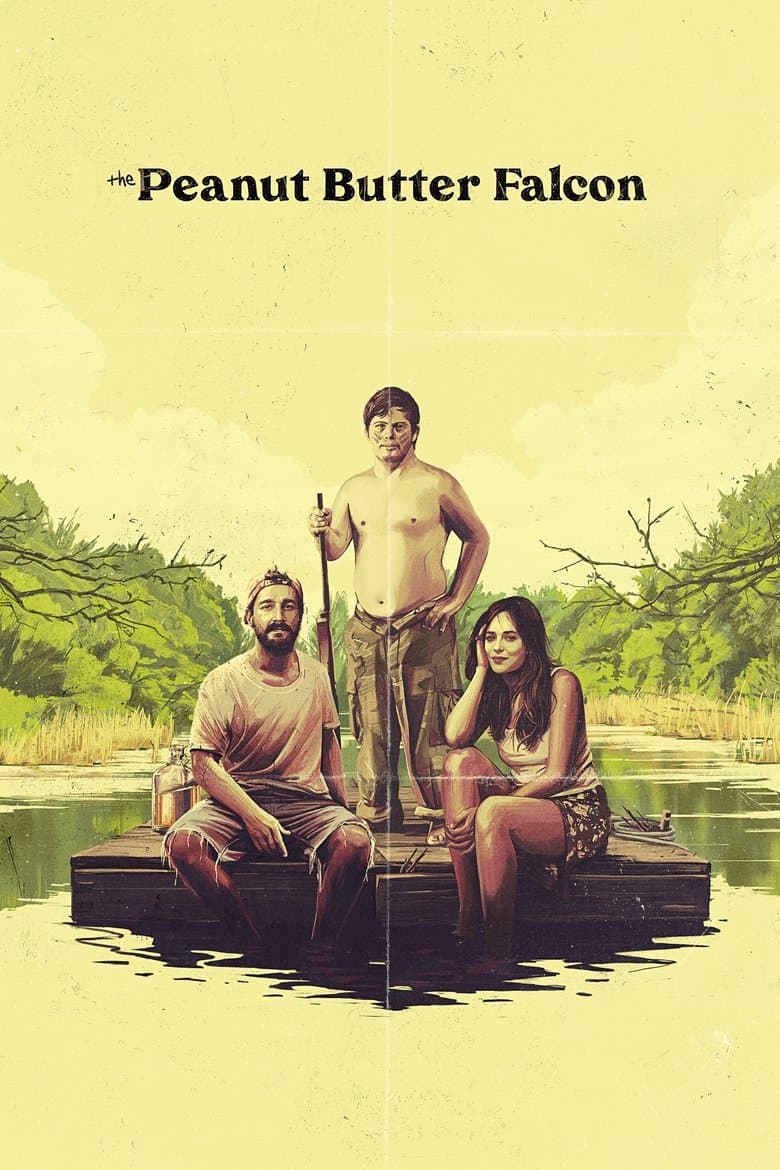
A down-on-his-luck crab fisherman embarks on a journey to get a young man with Down syndrome to a professional wrestling school in rural North Carolina and away from the…

Movie · 2018
An American hypochondriac who is working as a baggage handler is forced to confront his fears when a British teenager with a terminal illness enlists him to help her carry out her…

Movie · 2016
Aspiring New York City artist John Hollar returns to his Middle America hometown on the eve of his mother’s brain surgery.
Movie · 2018
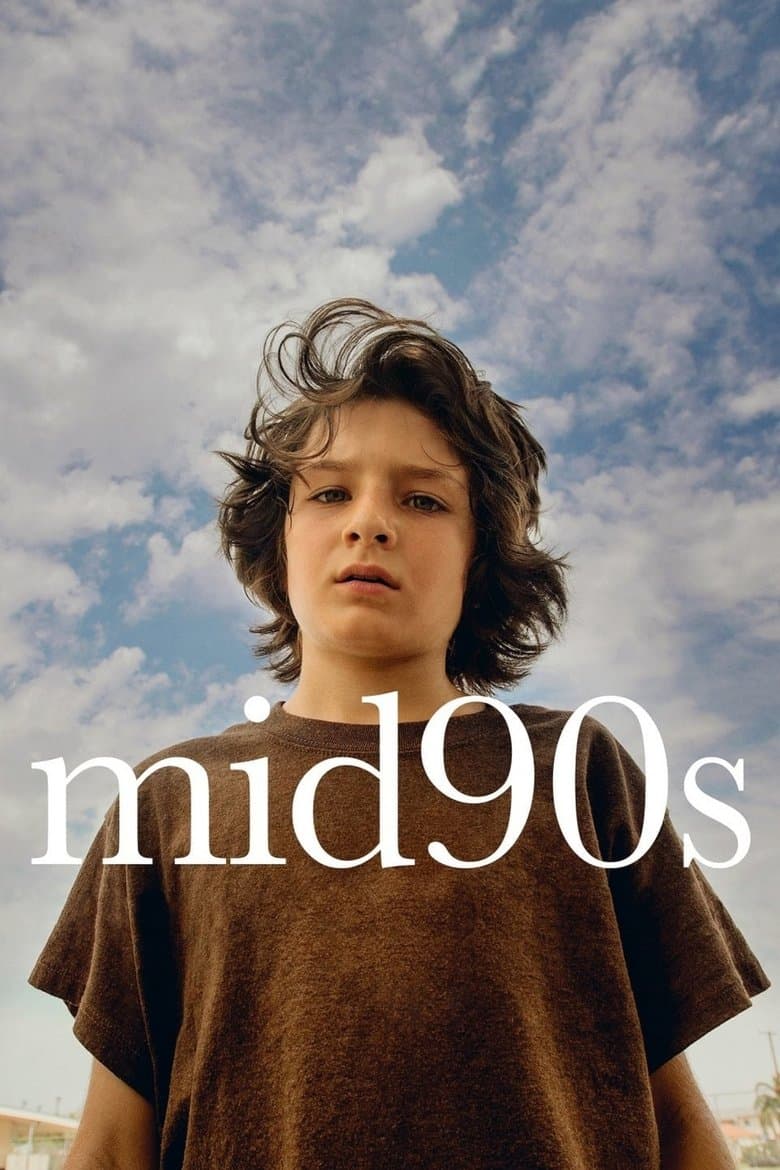
In 1990s Los Angeles, a 13-year-old spends his summer navigating between a troubled home life and a crew of new friends he meets at a skate shop.
