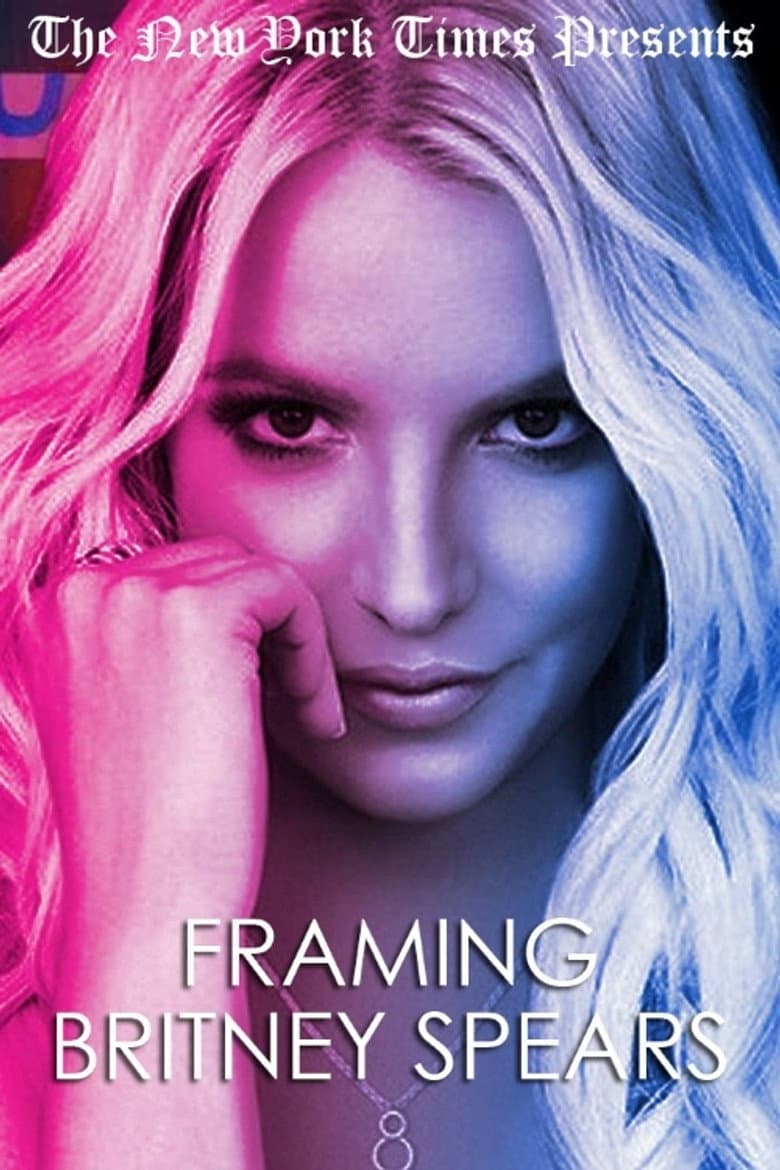
Framing Britney Spears follows Britney Spears from her childhood in Kentwood, Louisiana, to her rise as a world-famous pop singer. The film then follows the public breakdown that led to a legal conservatorship giving her father control of her money, work, and daily life. Fans build the #FreeBritney movement while lawyers, family members, reporters, and former friends argue over what Britney needs and what freedom should mean. The tone is sad, angry, and serious, with old interviews and television clips showing how quickly fame turned into public punishment.
The film gives a strong place to the idea that Spears was treated badly because she was a young woman. Interviewees call the media culture sexist, compare her treatment with that of male stars, and question why men and courts could control her choices. The documentary also presents the #FreeBritney campaign as a civil-rights fight and includes a gay fan who says Spears helped him accept himself. These ideas are not side comments because the film uses gender, personal freedom, and public shame as its main way of explaining her career and conservatorship.
Community feedback
Was our 63% Woke rating accurate?
Breakdown
These are the editorial factors and ratings behind our score for Framing Britney Spears.
Woke representation / casting
The documentary gives visible space to a gay male fan who says Spears helped him accept himself. It also uses several women as key interview voices, including friends, reporters, and activists. The filmmakers openly described the mainly female crew and a female perspective, but the people shown are not arranged as a diversity-first cast.
12%
Woke political dialogue
The film repeatedly uses activist language about freedom and control through #FreeBritney rallies and court updates. Interviewees say that a working woman would not have faced the same legal control as a man, and one speaker calls the culture around her misogynistic. The film also treats the conservatorship as a civil-rights and personal-freedom issue. These lines return throughout the documentary and shape its message.
50%
Identity-driven story themes
The documentary makes gender the main lens for Britney's career and legal fight. It repeatedly shows a young woman being sexualized, shamed, called an unfit mother, and judged more harshly than men. The film connects her loss of control to male power in her family, entertainment work, and legal system. The #FreeBritney movement becomes a story about female freedom and control, so the identity theme is central.
68%
Western institutional / cultural critique
The film attacks the tabloid press, paparazzi, television hosts, and the celebrity business for making money from Spears's pain. It also questions a court system that let her father control her finances, work, and personal choices for years. The story presents male control and traditional judgments about sex, motherhood, and female behavior as harmful. This critique runs through most of the film, but it does not broadly attack Christianity, capitalism, or all Western institutions.
55%
Woke character or canon changes
Not relevant. The film does not change Britney Spears's identity or replace a real person with a different identity. It uses real footage, interviews, and an edited account of her life.
0%
Anti-woke backlash and complaints
Not present. The separate X research found no anti-woke complaints about the film. Web coverage found criticism about privacy, consent, and Britney's portrayal, but not claims that the film pushed DEI or left-wing politics.
0%
Creator track record context
Director Samantha Stark has a repeated focus on women, power, and media treatment. Producer Sam Dolnick has backed representation-focused work, and producer Liz Hodes has made projects about gendered media treatment and abuse of power. The other producers mostly have broad news or entertainment records with little public activist branding. The group gives the film a meaningful but mixed woke creator track record context.
35%
Production
Movie · 2023
His love of film began as an escape from a rocky childhood. From underdog to Hollywood legend, Sylvester Stallone tells his story in this documentary.
Movie · 2016
No other band in rock'n'roll history has rivaled The Stooges' combination of heavy primal throb, spiked psychedelia, blues-a-billy grind, complete with succinct angst-ridden…
Movie · 2016
After being denied access to the Church of Scientology's headquarters, documentarian Louis Theroux teams up with ex-Scientology official Marty Rathbun to stage re-enactments of…
Movie · 2022
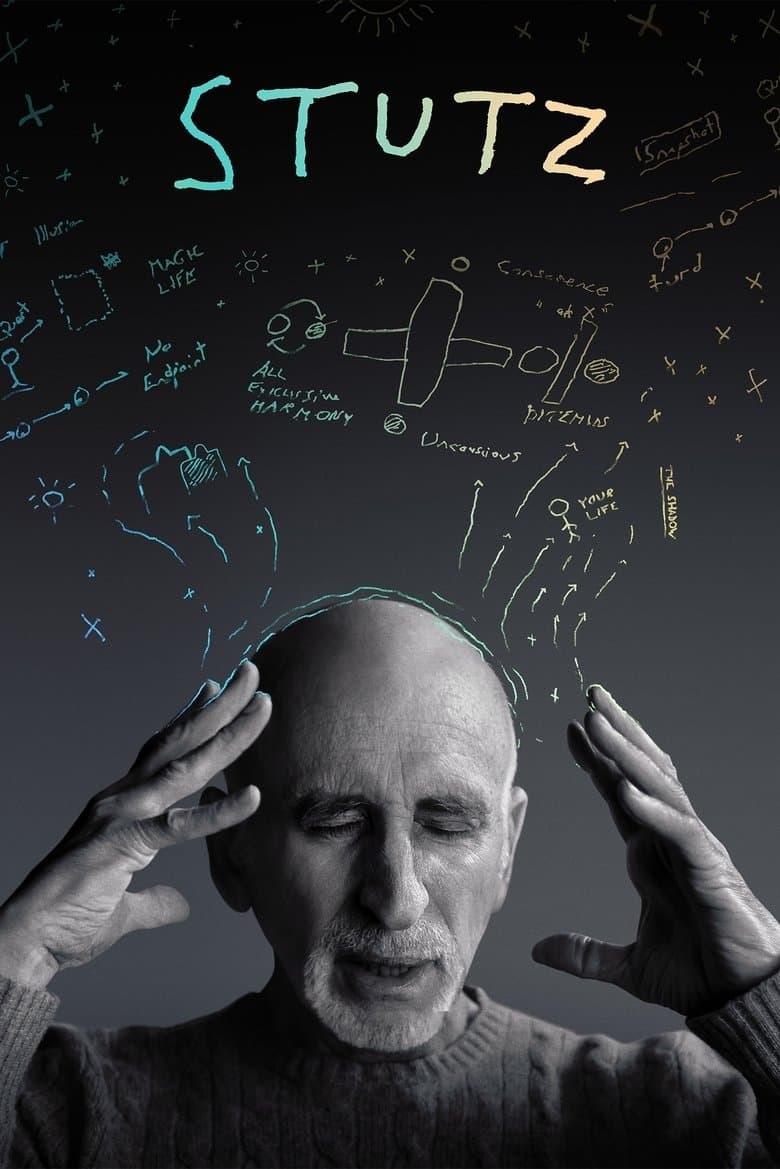
In candid conversations with actor Jonah Hill, leading psychiatrist Phil Stutz explores his early life experiences and unique, visual model of therapy.
Movie · 2025
Vulgar, taunting texts blow up the phones of a teen and her boyfriend. Who's sending them — and why? This twisty documentary reveals the shocking answer.
Movie · 2022
In the aftermath of George Floyd’s death, the media concocted a narrative that justified a summer of worldwide riots and helped contribute to the rise of Black Lives Matter who…

Movie · 2022
Follows the man who survived an assassination attempt by poisoning with a lethal nerve agent in August 2020. During his months-long recovery, he makes shocking discoveries about…
Movie · 2019
Constructed from over 500 hours of never-before-seen footage, this documentary centers on the personal life and career of the controversial football player Diego Maradona who…
