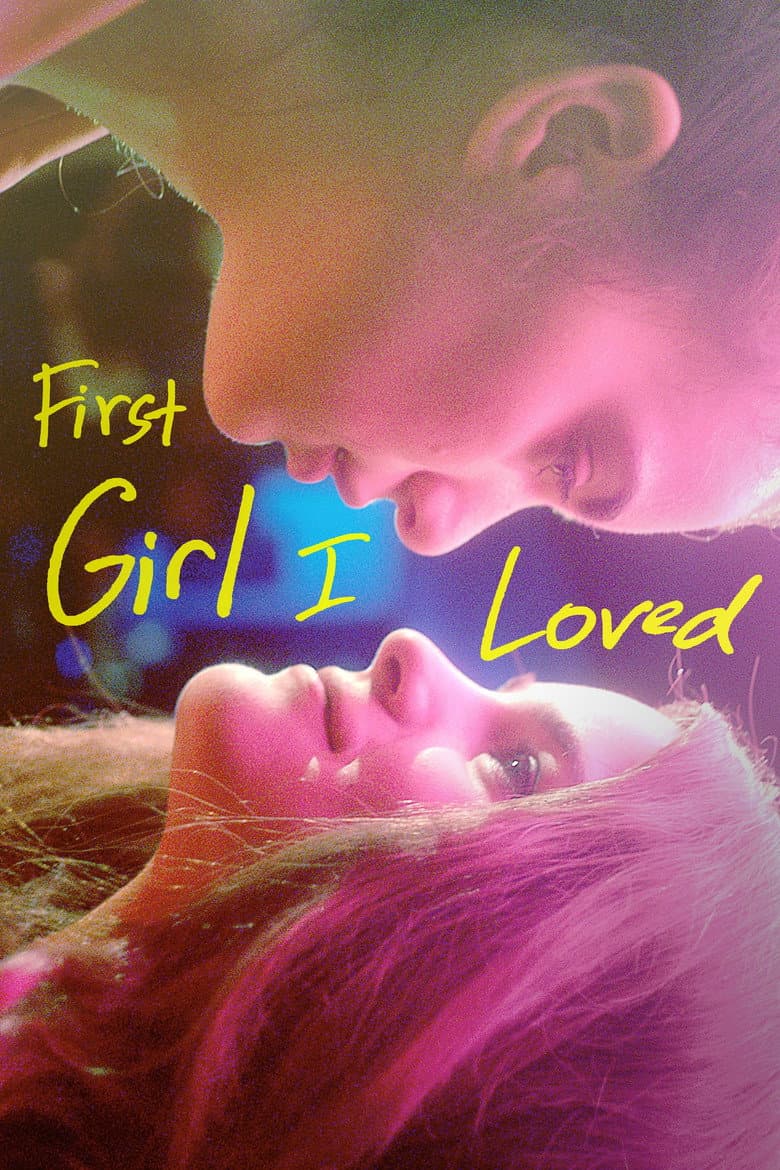
Anne is a 17-year-old yearbook editor at a public high school in Los Angeles. She falls for Sasha, the school’s popular softball star, while her best friend Clifton hopes Anne will love him instead. Anne’s new feelings and Clifton’s anger turn a sweet school romance into a painful and tense story. The film moves back and forth in time and uses texts, jokes, and sudden dark turns to show how confused the characters feel.
The main story is a lesbian coming-of-age romance, so queer identity is not a side detail. Anne tells Clifton that she likes a girl, and he answers with jealousy, a homophobic slur, and sexual violence. The film then keeps returning to consent, blame, and the harm caused by male entitlement. Sasha’s fear of being seen as gay and her family’s reaction add pressure to the relationship. These identity and social themes shape the romance, the main conflict, and the unhappy ending.
Community feedback
Was our 85% Woke rating accurate?
Breakdown
These are the editorial factors and ratings behind our score for First Girl I Loved.
Woke representation / casting
The film makes a same-sex relationship between its two leads the main casting focus. Sasha is Latina and Anne is white, with several people of color in school roles, but the film does not build an implausible one-of-each group. Queer identity is also part of the public framing through LGBT festival listings and targeted marketing. The identity focus is central in the leads, though the wider cast is not designed as a broad diversity display.
78%
Woke political dialogue
Anne tells Clifton that she likes a girl, and he reacts with a slur and anger. The characters return to questions about coming out, homophobia, and consent in several conversations. The film does not give a long political speech about DEI or party politics. The identity language still appears often enough to be easy to notice.
45%
Identity-driven story themes
Anne’s discovery that she is attracted to girls drives the plot from the opening crush to the ending. The romance follows coming out, fear of judgment, homophobia, and pressure to fit a straight role. The story also uses sexual assault and a consent dispute to test the girls’ trust and the male friend’s sense of entitlement. The film treats Anne’s acceptance of being gay as a major part of her growth. These themes continue through nearly every major turn.
95%
Western institutional / cultural critique
The film shows Clifton treating Anne’s friendship as a claim on her body and feelings. The film shows him using a homophobic insult when she says she likes a girl. The school and parents later focus on blame and consent after the yearbook photo. The story criticizes male entitlement and pressure to hide same-sex feelings, but it does not attack Christianity, capitalism, or Western institutions in broad terms.
42%
Woke character or canon changes
Not relevant. The film is an original story with no established characters, source material, or historical figures being changed.
0%
Anti-woke backlash and complaints
Not present. The supplied X pass found no anti-woke reaction or specific complaints. The wider reviews and audience comments debate consent and storytelling, not woke, DEI, or identity-politics messaging.
0%
Creator track record context
The cached notes give Kerem Sanga a 60/100 score because queer identity and same-sex romance are a clear part of his work. The stored producer scores range from 25/100 to 37/100 and describe broader independent-film careers with some queer or social-issue projects. The director’s interview also connects this film to his sister coming out. The creative team shows a moderate identity-focused pattern led by Sanga, rather than a broad activist record.
43%
Production
Movie · 2018
German artist Kurt Barnert has escaped East Germany and now lives in West Germany, but is tormented by his childhood under the Nazis and the GDR regime.
Movie · 2018
The coming-of-age tale of 16-year-old Lina Vilkas who is deported to Siberia amid Stalin's reign of terror in the Baltic region during WWII.
Movie · 2020
Lonely college freshman Alex has closed himself off from his peers, who all appear to have this whole "college thing" figured out.
Movie · 2016
Canadian folk artist Maud Lewis falls in love with a fishmonger while working for him as a live-in housekeeper.
Movie · 2017
In 1950s London, a renowned dressmaker's meticulous lifestyle begins drastically changing as his relationship with his young muse intensifies.

Movie · 2018
Seasoned musician Jackson Maine discovers — and falls in love with — struggling artist Ally. She has just about given up on her dream to make it big as a singer — until Jack…
Movie · 2025
Based on a true story, two down-on-their-luck musicians form a joyous Neil Diamond tribute band, proving it's never too late to find love and follow your dreams.
Movie · 2018
As a young New York couple goes from college romance to marriage and the birth of their first child, the unexpected twists of their journey create reverberations that echo over…
