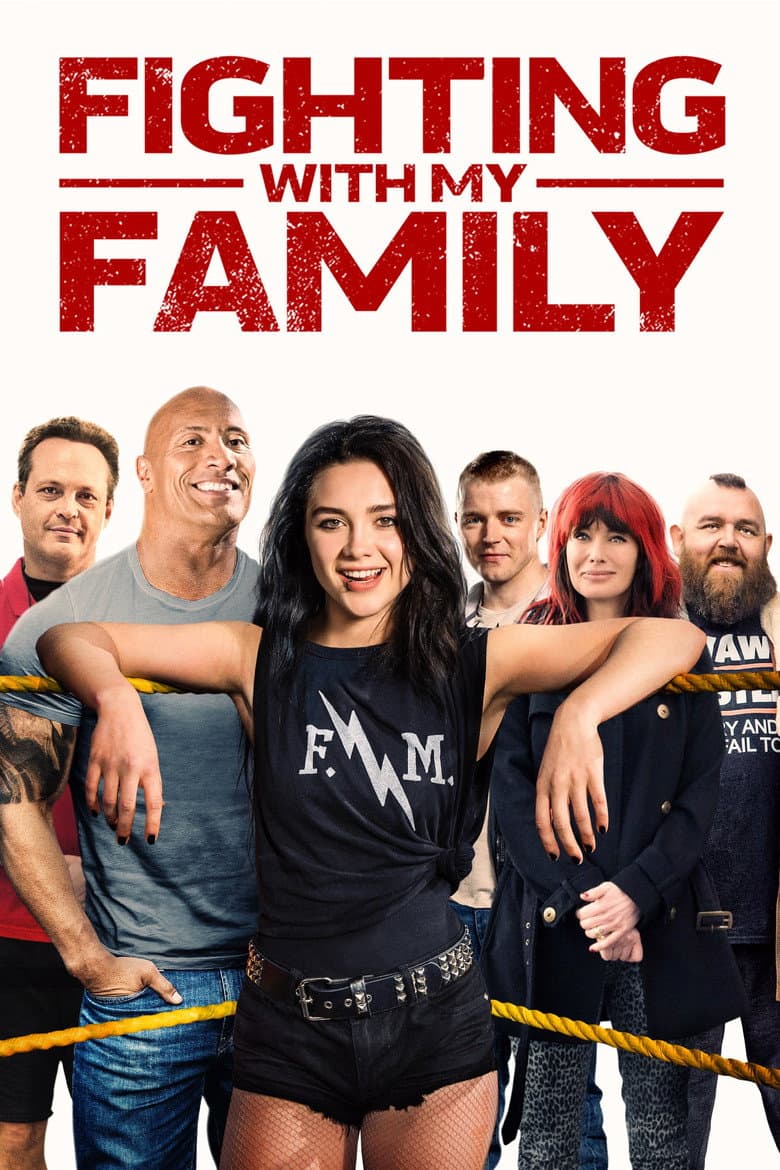
Fighting with My Family follows Saraya Knight, a young wrestler from a noisy working-class family in Norwich, England. She and her older brother Zak dream of joining WWE, but only Saraya earns a place in its training program. She leaves home for Florida, where a hard coach and unfamiliar rivals test her confidence and her family ties. The film mixes rough jokes, wrestling action, and warm family drama.
The main woke element is a clear female empowerment story. Saraya is shown as a skilled young woman entering a sport that the film presents as male-led and strongly focused on glamour. Her dark hair, piercings, and rough style are treated as signs that she does not fit the usual image, while the other women learn to support her. The story says that an outsider can become a hero by staying herself, but it does not build that message into a wider political argument.
Community feedback
Was our 24% Woke rating accurate?
Breakdown
These are the editorial factors and ratings behind our score for Fighting with My Family.
Woke representation / casting
Florence Pugh, Jack Lowden, Lena Headey, and Nick Frost play the real English family with matching backgrounds and accents. The other trainees fit the kinds of glamorous women and athletic recruits shown in a WWE tryout. Merchant and Pugh do frame Paige as a female hero and an empowerment figure. That adds a small representation signal, but the casting itself is mainly story-accurate.
15%
Woke political dialogue
Not present in this title.
0%
Identity-driven story themes
Paige is the central underdog, and the film makes her success as a young woman in wrestling a major point. The story contrasts her dark, pierced outsider look with the glamour expected from the other female trainees. Paige first treats the women as rivals, then learns to work with them before beating AJ Lee for the title. The message says that being different can make someone a hero, but it stays personal and does not become a wider political lecture.
30%
Western institutional / cultural critique
The film briefly treats WWE’s glamour-first image as a barrier for women who do not look like models. Paige insults the use of cheerleaders and models, and she tries to change her hair and skin to fit the image before rejecting it. The conflict stays inside a wrestling tryout and never becomes a broad attack on Western institutions or social rules.
15%
Woke character or canon changes
Not relevant. Stays faithful to the real people and documented events from the source documentary without ideological rewrites.
0%
Anti-woke backlash and complaints
Not present. No recorded right-leaning or anti-woke complaints accusing the film of pushing DEI, identity politics, or social-justice messaging.
0%
Creator track record context
Stephen Merchant is known for criticizing cancel culture and political limits on comedy. Dwayne Johnson has criticized excessive woke lessons in films, while the other producers have little activist history. Casting director Shaheen Baig has a stronger reputation for inclusive casting, which adds some background representation context. The overall creator signal is still low, and the title itself does not reflect a strong activist track record.
14%
Production
Movie · 2022
Exploring every facet of ‘Weird Al’ Yankovic’s life, from his meteoric rise to fame with early hits like ‘Eat It’ and ‘Like a Surgeon’ to his torrid celebrity love affairs and…
Movie · 2025
An eccentric lottery winner who lives alone on a remote island tries to make his fantasies come true by getting his favourite musicians to perform at his home.
Movie · 2016
Two teenage boys from inner-city Cork steal bicycles and ride off on a 160km quest to find an unrecovered bale of cocaine worth 7,000,000 euros.
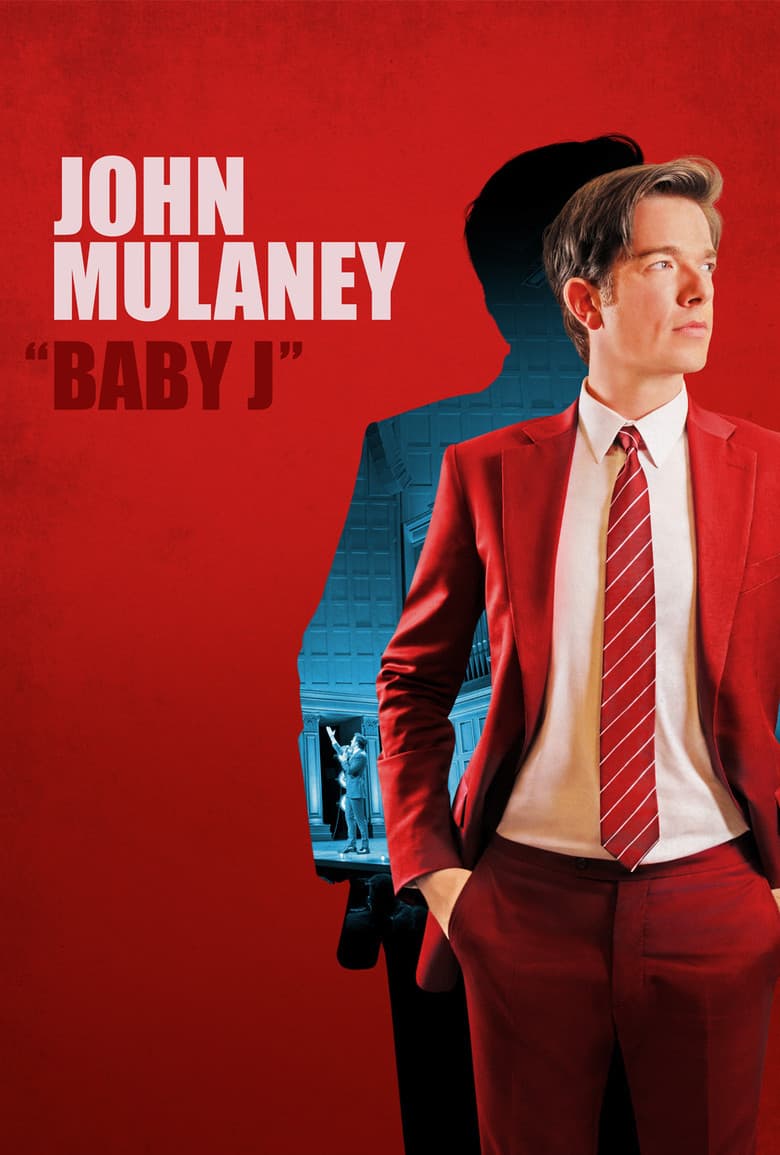
Movie · 2023
A chaotic intervention. An action-packed stay in rehab. After a weird couple of years, John Mulaney comes out swinging in his return to the stage.
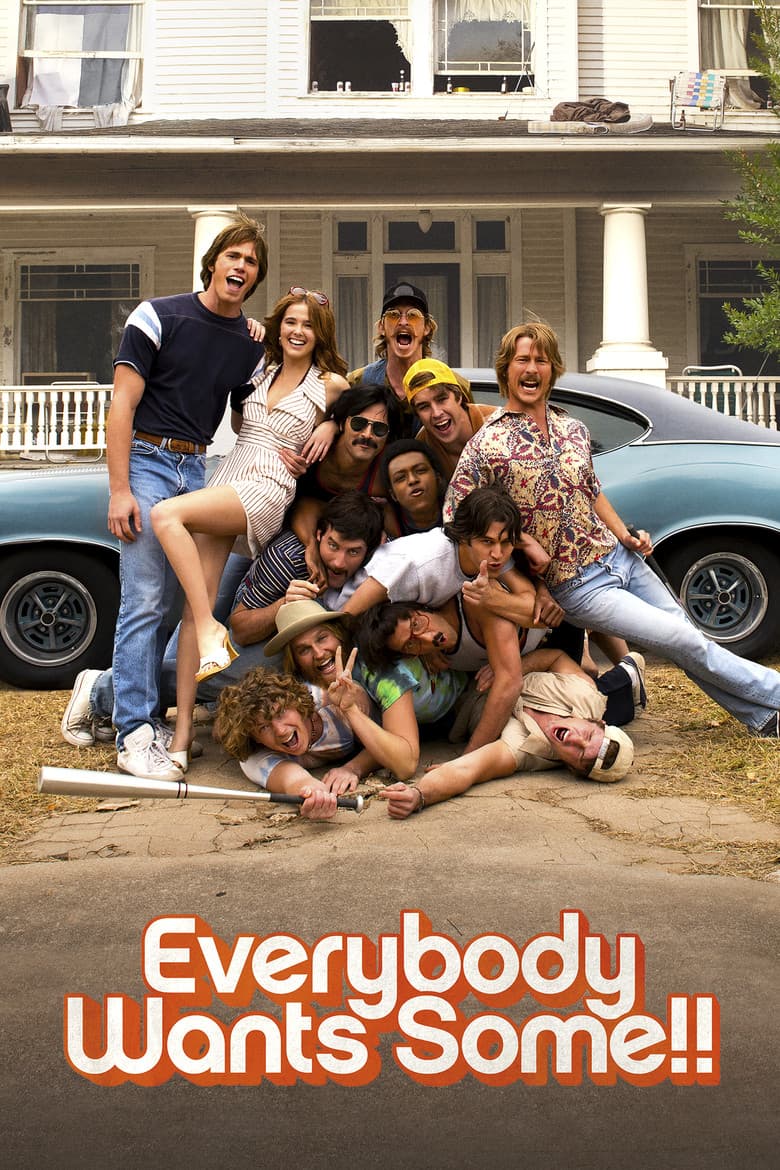
Movie · 2016
A comedy that follows a group of friends as they navigate their way through the freedoms and responsibilities of unsupervised adulthood.
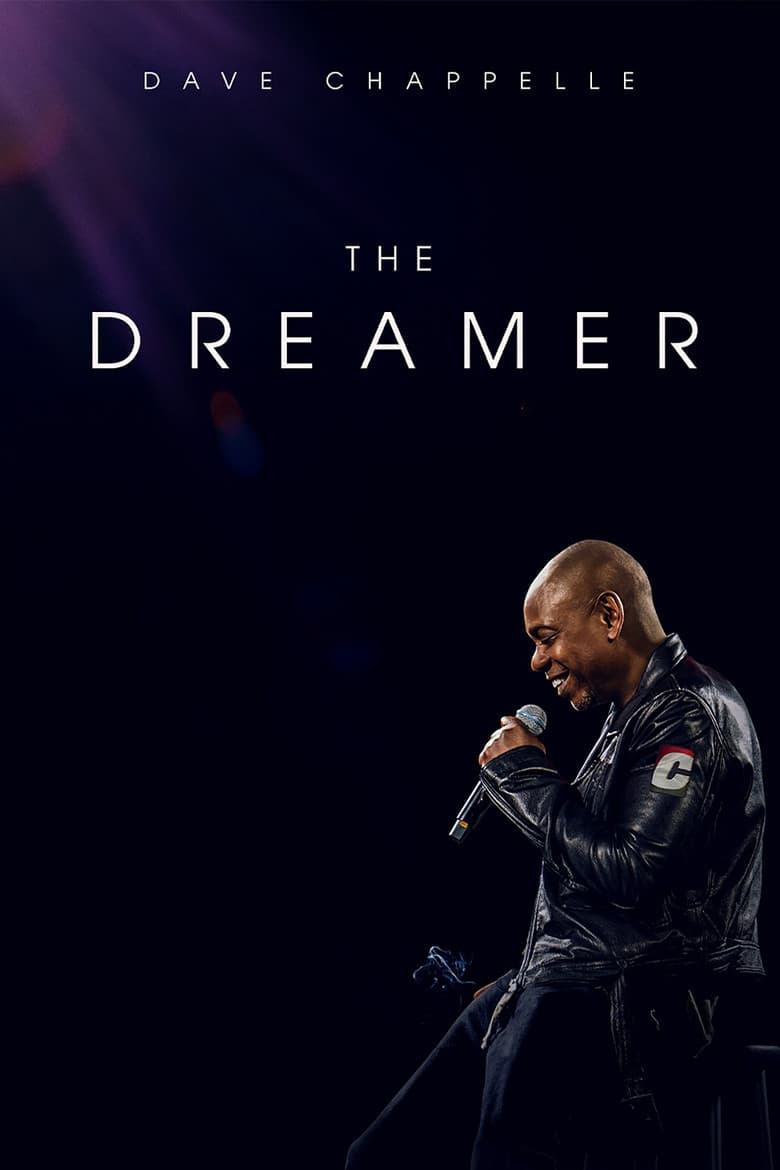
Movie · 2023
From his onstage tackle to the slap heard round the world, Dave Chappelle lets loose in this freewheeling and unfiltered stand-up comedy special.
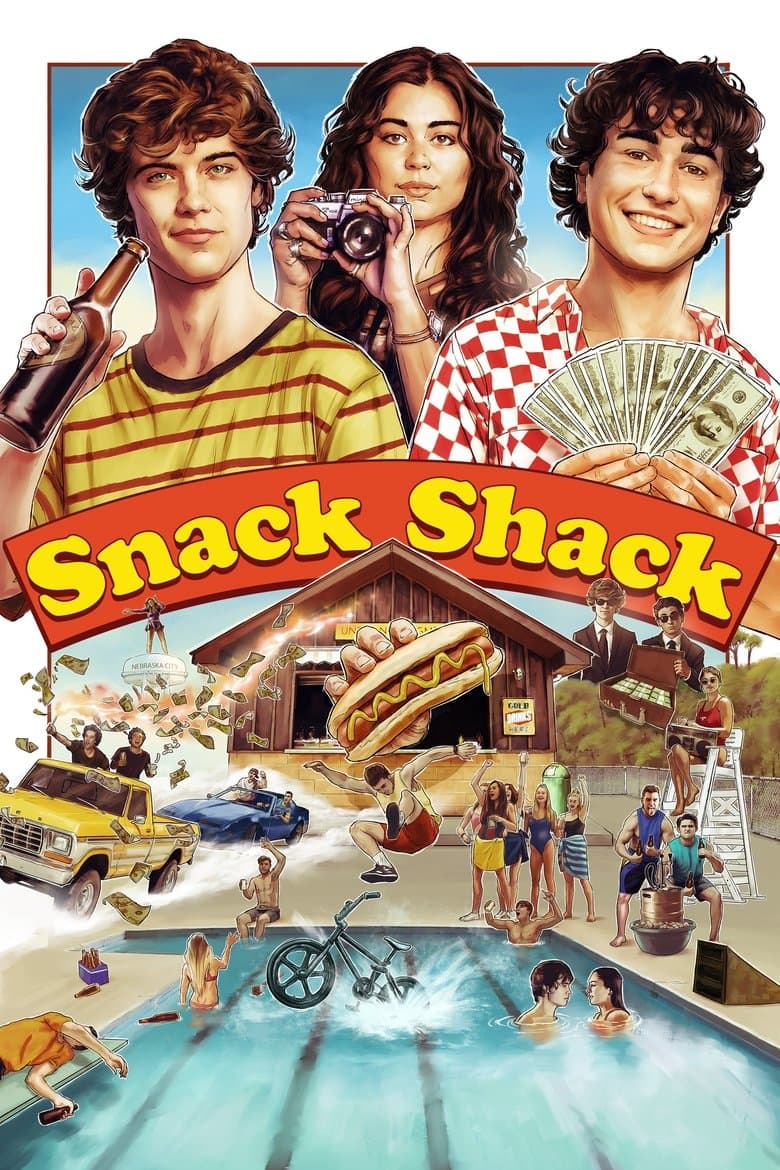
Movie · 2024
Inseparable best friends AJ and Moose decide to run the local pool's snack shack after their plan to sell home-brewed beer goes down the drain.
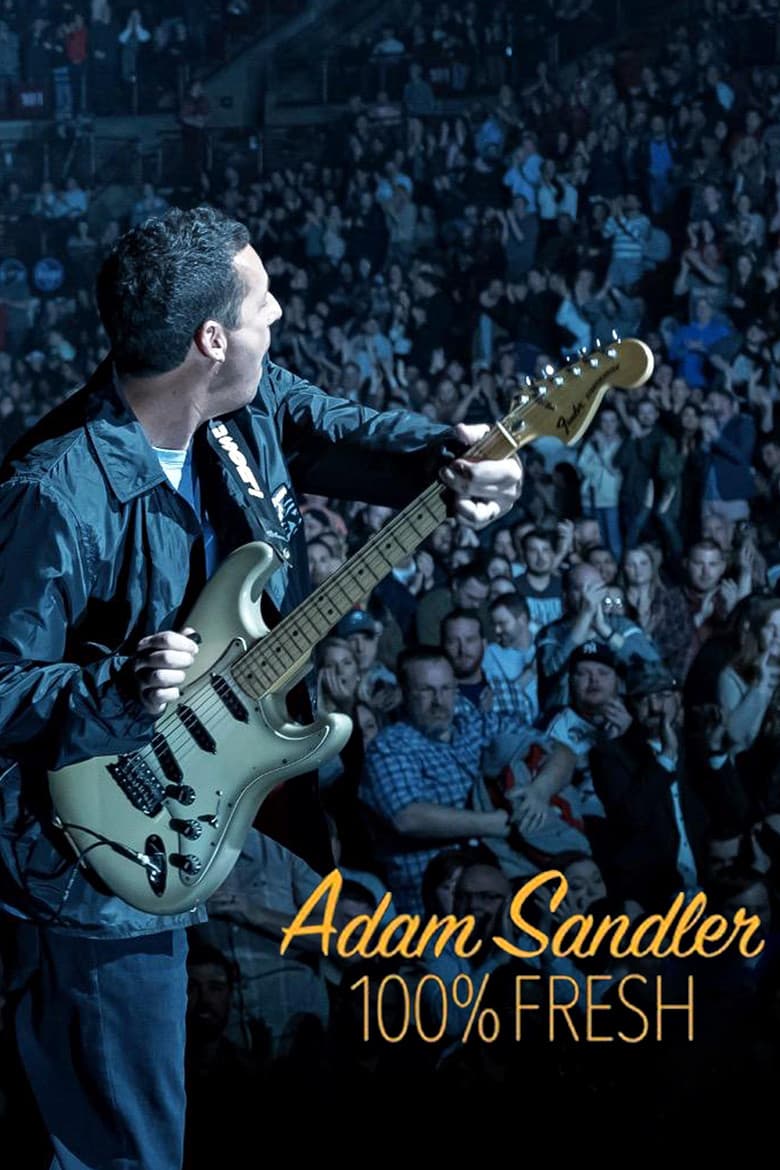
Movie · 2018
Adam Sandler takes his comical musical musings back out on the road, from comedy clubs to concert halls to one very unsuspecting subway station.
