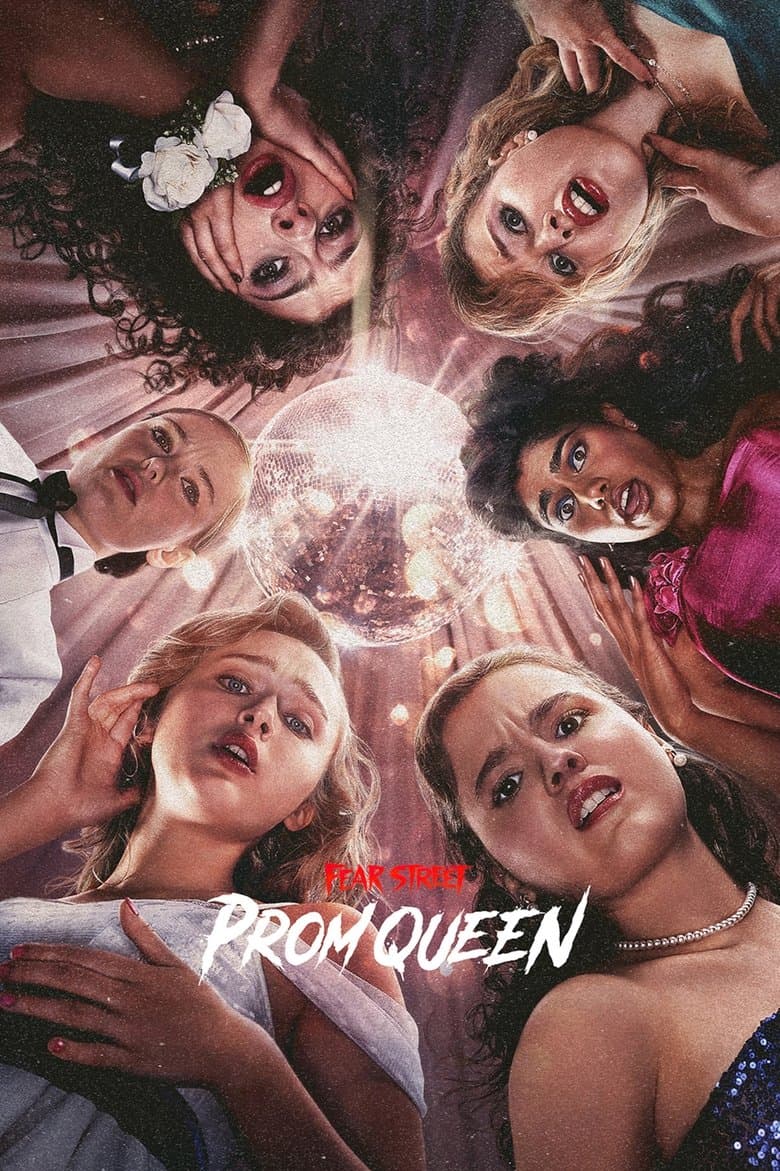
Lori Granger is a quiet student in Shadyside who enters the 1988 prom queen race. Her classmates blame her for the old murder of her father, even though her mother was not charged with it. Lori faces Tiffany Falconer, the cruel favorite whose family treats the crown like a family prize. A masked killer then starts murdering the candidates and their dates during the prom. The film uses bright 1980s clothes, loud music, mean jokes, and bloody slasher scenes.
The film puts teenage girls at the center of nearly every major contest, fight, and kill. Lori is framed as an outsider who gains a public voice, wins the crown, and defeats the killers with a tiara and a trophy. The story also gives Megan a close, loyal bond with Lori and uses queer coding through her style and behavior, but it never confirms a same-sex identity or romance. These ideas stay secondary to the simple slasher plot about status, bullying, family pressure, and revenge.
Community feedback
Was our 22% Woke rating accurate?
Breakdown
These are the editorial factors and ratings behind our score for Fear Street: Prom Queen.
Woke representation / casting
The film gives several named student roles to Black, Asian American, and Latin American characters in a mostly White cast. Some of those students are prom candidates or close friends, so the mix is visible. The story does not give those identities a special history or use diversity-first language to explain the choices. The visible mix is a mild representation signal, but it is not a central part of the movie.
15%
Woke political dialogue
Not present. The students and adults talk about prom, bullying, sex, family rumors, and murder. The film has no clear woke political or activist speeches.
0%
Identity-driven story themes
The film puts teenage girls at the center of the prom contest, the rivalry, and the survival fight. Lori moves from a bullied outsider to prom queen and kills attackers with a tiara and a trophy. Netflix’s producer describes the women as a twist on the final-girl type, which adds a clear but mild empowerment frame. Megan’s clothes, hair, horror interests, and intense bond with Lori create queer coding, but the film never confirms a queer identity or romance.
24%
Western institutional / cultural critique
Not present. The movie shows bullying, school status, family pressure, and a wealthy rival family. It treats those problems as personal drama around a slasher mystery, not as a modern critique of Western institutions or culture.
0%
Woke character or canon changes
Not relevant. The film changes the book’s killer, characters, and ending, but interviews describe those changes as a way to make a new mystery with more gore. No identity-driven rewrite of an established character is confirmed.
0%
Anti-woke backlash and complaints
Not present. Reviews and fan posts mainly complain about weak writing, rushed pacing, predictable twists, and weaker links to the trilogy. No sustained complaint says the movie pushes woke, DEI, or identity politics.
0%
Creator track record context
Leigh Janiak has the strongest cached woke context because her horror work often centers queer romance and marginalization. Carmen Cuba has a mild diversity-focused casting record, and Peter Chernin has a record of Democratic donations. R.L. Stine, Donald McLeary, and Matt Palmer have low cached scores and no strong activist record in the supplied context. The wider creator background gives the film a mild signal, but the movie itself is not built around those causes.
30%
Production
Movie · 2017
Law enforcement finds itself chasing the ghost of a man dead for over a decade, embroiled in a diabolical new game that's only just begun.

Movie · 2025
A woman's obsessive search for her missing sister leads her into a terrifying mystery at the hands of an unknown evil.

Movie · 2017
A group of college friends reunite for a trip to the forest, but encounter a menacing presence in the woods that's stalking them.
Movie · 2018
The crew of a horror web series travels to an abandoned asylum for a live broadcast, but they encounter much more than expected as they move deeper inside the nightmarish old…
Movie · 2021
A young girl finds solace in her artist father and the ghost of her dead mother.
Movie · 2016
A young nurse takes care of an elderly author who lives in a haunted house.
Movie · 2019
When a 12-year-old boy goes missing at a local park, a detective investigates the case to help the boy's family find answers.

Movie · 2022
When Keira Woods' daughter mysteriously vanishes in the cellar of their new house in the country, she soon discovers there is an ancient and powerful entity controlling their home…
