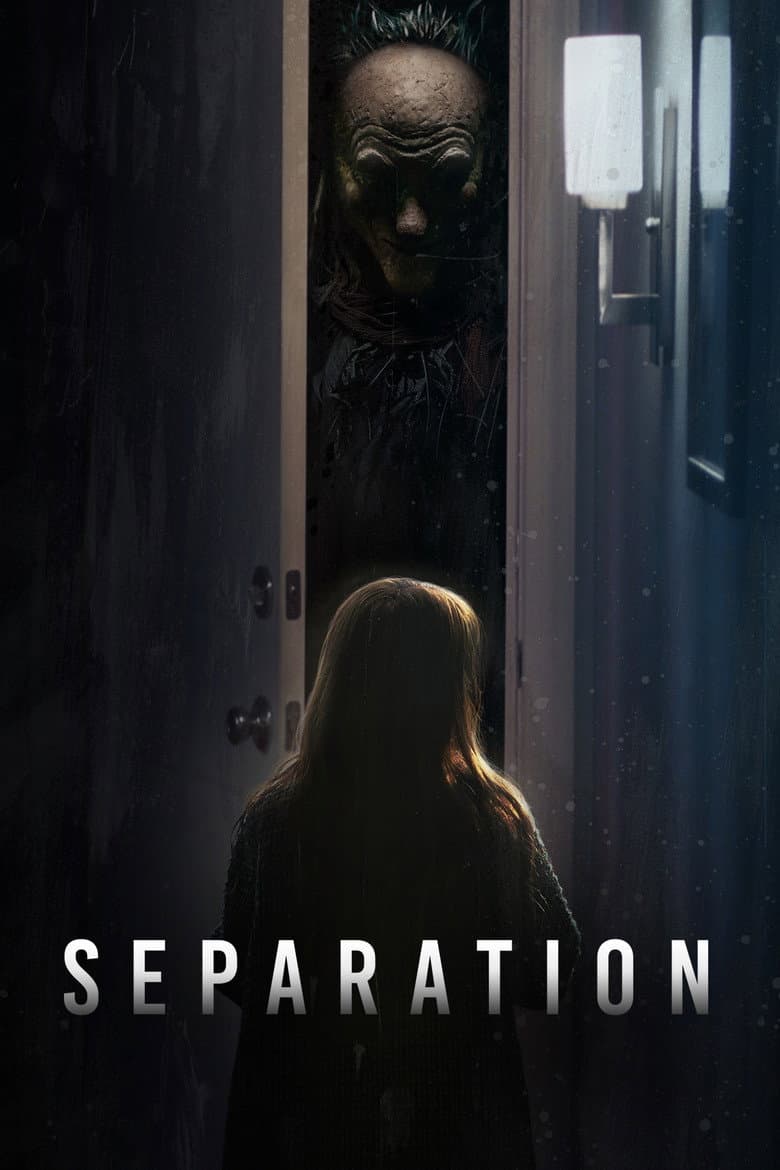
Separation follows Jeff Vahn, a comic book artist who has lost his job and is trying to keep his daughter Jenny after his marriage breaks apart. The family lives in a Brooklyn home filled with strange puppets based on Jeff's old comic. Maggie, a lawyer and the main earner, seeks full custody after Jenny is hurt while left alone. After Maggie dies in a hit-and-run, Jeff and Jenny face grief, a custody fight, and a ghostly threat. The tone is grim and slow, and the horror grows from family fear more than sharp scares.
The film treats Jeff as the more sympathetic adult, while it presents Maggie as harsh and Samantha as obsessive. The story gives the men around Jeff most of the useful help, while the women drive much of the family danger. The story centers on divorce, parental failure, grief, and a child's fear. The ghost plot turns those family wounds into a dark mystery with violent images and unsettling creatures.
Community feedback
Was our 4% Woke rating accurate?
Breakdown
These are the editorial factors and ratings behind our score for Separation.
Woke representation / casting
Not present. The main family and lead roles are white, with a few black and Latino supporting parts. The modern Brooklyn setting and the film's casting are not presented as a diversity message.
0%
Woke political dialogue
Not present. The dialogue deals with work, divorce, custody, grief, and fear. It has no repeated lines about race, sexuality, DEI, gender politics, or activism.
0%
Identity-driven story themes
Not present. The story is about a broken family, a child's grief, and a supernatural threat. The harsh treatment of Maggie and Samantha is a plot and character choice, not an activist identity message.
0%
Western institutional / cultural critique
Not present. The film shows lawyers, custody mediation, and a grandfather using his law firm. The custody fight stays a private family conflict and does not become a broad modern attack on Western institutions, family life, or Christianity.
0%
Woke character or canon changes
Not relevant. The film is an original story about a Brooklyn family and comic-book creatures. It does not change an established character, source, or real event.
0%
Anti-woke backlash and complaints
Not present. The separate X research pass found no anti-woke complaints. Audience posts and reviews focused on weak scares, confusing story, and the film's treatment of women rather than woke or DEI messaging.
0%
Creator track record context
The director and writers have little documented activist or identity-focused work and mainly work in commercial horror and entertainment. Most producers have little recorded activist or DEI work. Casting director Judy Bowman has a strong public record of queer advocacy and diversity work, and producer Tom Ortenberg is openly progressive. These are background signals, while the film itself stays focused on family horror.
18%
Production
Movie · 2016
Father and son coroners receive a mysterious unidentified corpse with no apparent cause of death. As they attempt to examine the "Jane Doe," they discover increasingly bizarre…
Movie · 2020
After a family moves into the Heelshire Mansion, their young son soon makes friends with a life-like doll called Brahms.
Movie · 2016
A young American woman takes a job as a nanny in a remote English village, soon discovering that the family's eight-year-old son is a life-sized doll that comes with a list of…
Movie · 2018
The crew of a horror web series travels to an abandoned asylum for a live broadcast, but they encounter much more than expected as they move deeper inside the nightmarish old…
Movie · 2023
Between the events of 'Saw' and 'Saw II', a sick and desperate John Kramer travels to Mexico for a risky and experimental medical procedure in hopes of a miracle cure for his…
Movie · 2018
Following the death of the Leigh family matriarch, Annie and her children uncover disturbing secrets about their heritage.
Movie · 2025
A woman's obsessive search for her missing sister leads her into a terrifying mystery at the hands of an unknown evil.
Movie · 2017
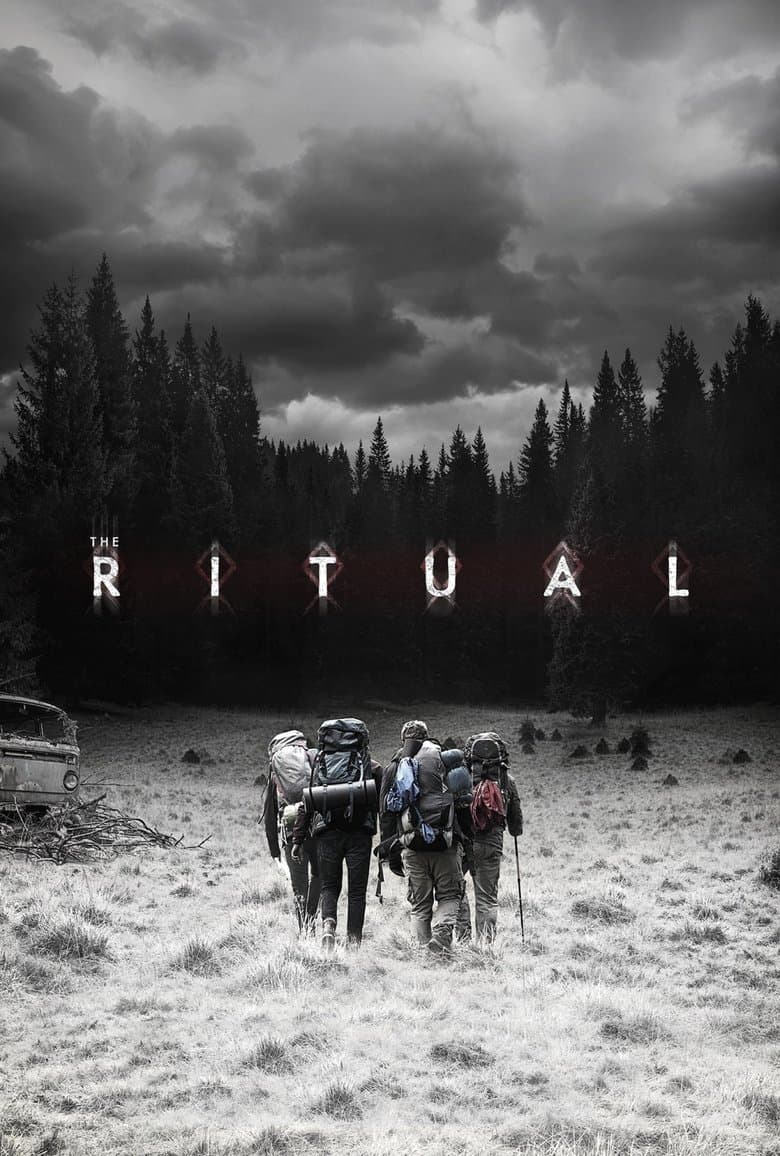
A group of college friends reunite for a trip to the forest, but encounter a menacing presence in the woods that's stalking them.
