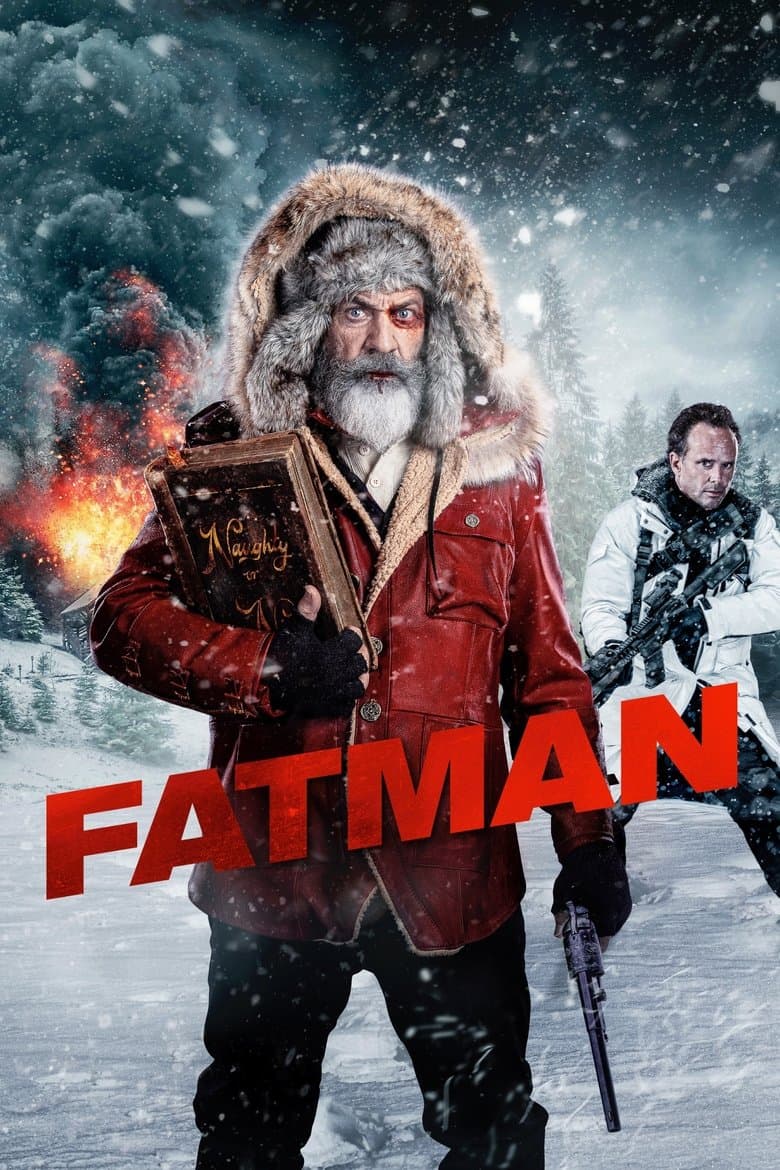
Chris Cringle is a worn-out Santa who lives with his wife, Ruth, on a remote farm in Alaska. His workshop is losing money because fewer children are behaving well, so the United States government cuts its support. Chris takes a short military contract to keep the workshop open, even though he dislikes making parts for fighter planes. At the same time, a rich and cruel boy hires a skilled hit man after Santa gives him coal. The film mixes bloody action, dry jokes, winter gloom, and a serious western mood.
Ruth is played by Marianne Jean-Baptiste as a Black Mrs. Claus who shares the work and danger with Chris. The film gives her a lasting, active role, including the final fight, but it treats that role as part of the family story. The story focuses on greed, failing business, bad parenting, child cruelty, and the cost of losing faith in your work. Its strongest ideas support marriage, duty, moral limits, and a second chance after a hard fall.
Community feedback
Was our 39% Woke rating accurate?
Breakdown
These are the editorial factors and ratings behind our score for Fatman.
Woke representation / casting
Ruth Cringle is a black woman married to the white Santa, and Marianne Jean-Baptiste plays her as a major supporting character. The filmmakers said they wanted a woman of color for the role. Ruth helps run the workshop and stays active in the final fight. This is a clear identity-based casting choice, but the film does not use the same pattern across most major roles.
40%
Woke political dialogue
Not present. The spoken lines discuss money, work, punishment, outsourcing, and a military contract. They do not push modern identity, DEI, or activist ideas.
0%
Identity-driven story themes
Not present. Ruth’s race and active role are visible, but the story does not make them an identity or gender message. The plot centers on Santa’s work, a child’s cruelty, and a hired killer.
0%
Western institutional / cultural critique
The film makes Christmas part of a business tied to government support and military work. Chris complains that companies profit from his image while his workshop cannot pay its bills. The script also criticizes outsourcing and child labor. These points create a mild anti-corporate and anti-consumer message, but they do not become a broad attack on Western culture.
23%
Woke character or canon changes
The film gives the familiar Mrs. Claus role to a black woman while Santa remains white. The movie never makes race part of the plot or explains the choice through her backstory. The change is visible and lasting, but it functions mainly as casting rather than a major story message.
24%
Anti-woke backlash and complaints
A few small X accounts called Marianne Jean-Baptiste’s Mrs. Claus a DEI hire or objected to an interracial Santa couple. A later Letterboxd review called the casting woke and described it as a small part of the movie. An isolated Metacritic user briefly wondered whether the casting was a DEI choice, then praised the actress. No large boycott, review-bombing drive, or major anti-woke campaign was reported.
25%
Creator track record context
The Nelms brothers have cached scores of 3/100 each and no known activist record. Most producers and casting directors also have low cached scores. Ilona Smyth has a diversity mentoring record, while Ben Rosenblatt and Kyle Stroud have backed projects with strong diversity or queer themes. This gives the film some background identity signals, but the main creative team does not show a strong woke pattern.
18%
Production

Movie · 2022
When a team of mercenaries breaks into a wealthy family compound on Christmas Eve, taking everyone inside hostage, the team isn’t prepared for a surprise combatant: Santa Claus is…

Movie · 2024
After Santa Claus (codename: Red One) is kidnapped, the North Pole's Head of Security must team up with the world's most infamous tracker in a globe-trotting, action-packed…

Movie · 2019
A boy is given the ability to become an adult superhero in times of need with a single magic word.
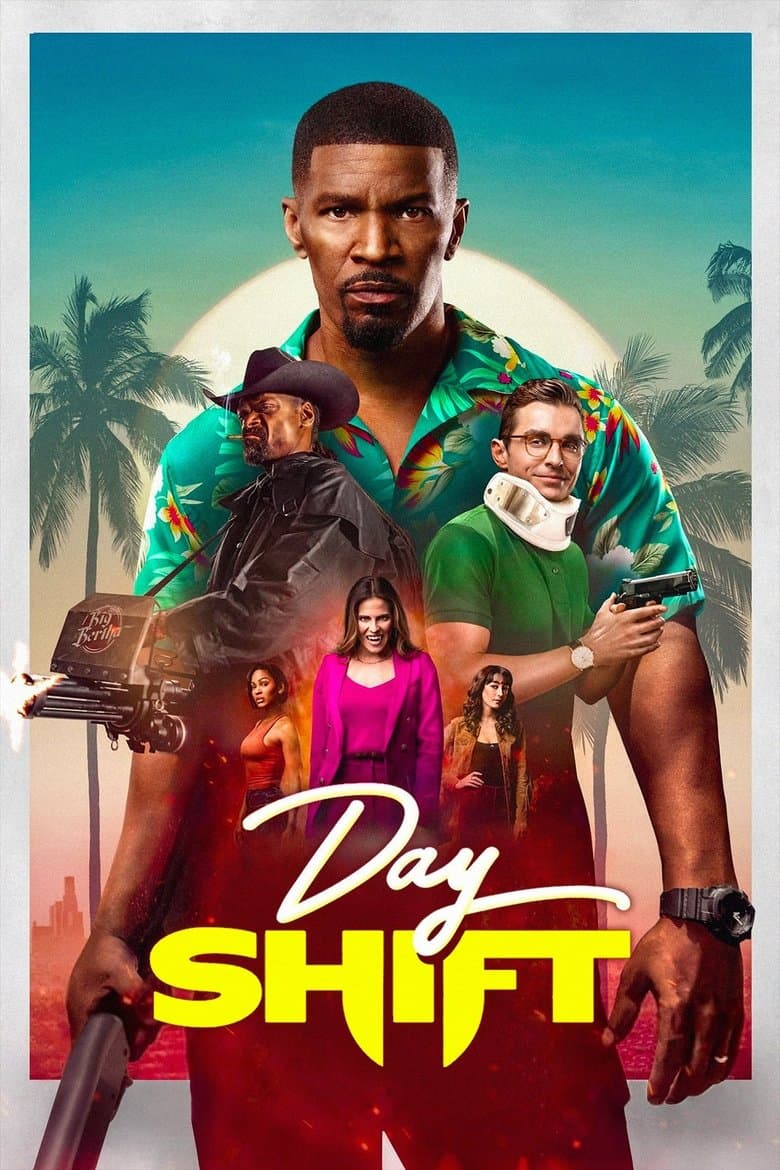
Movie · 2022
An LA vampire hunter has a week to come up with the cash to pay for his kid's tuition and braces. Trying to make a living these days just might kill him.
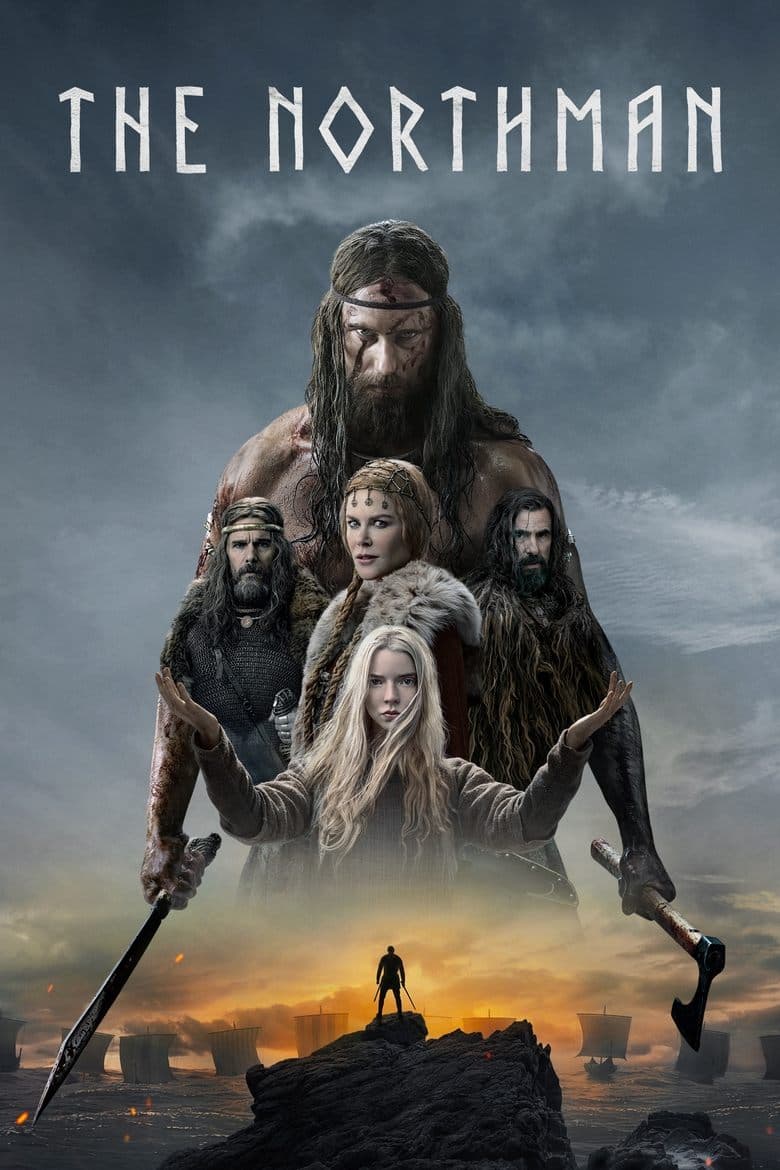
Movie · 2022
Prince Amleth is on the verge of becoming a man when his father is brutally murdered by his uncle, who kidnaps the boy's mother.
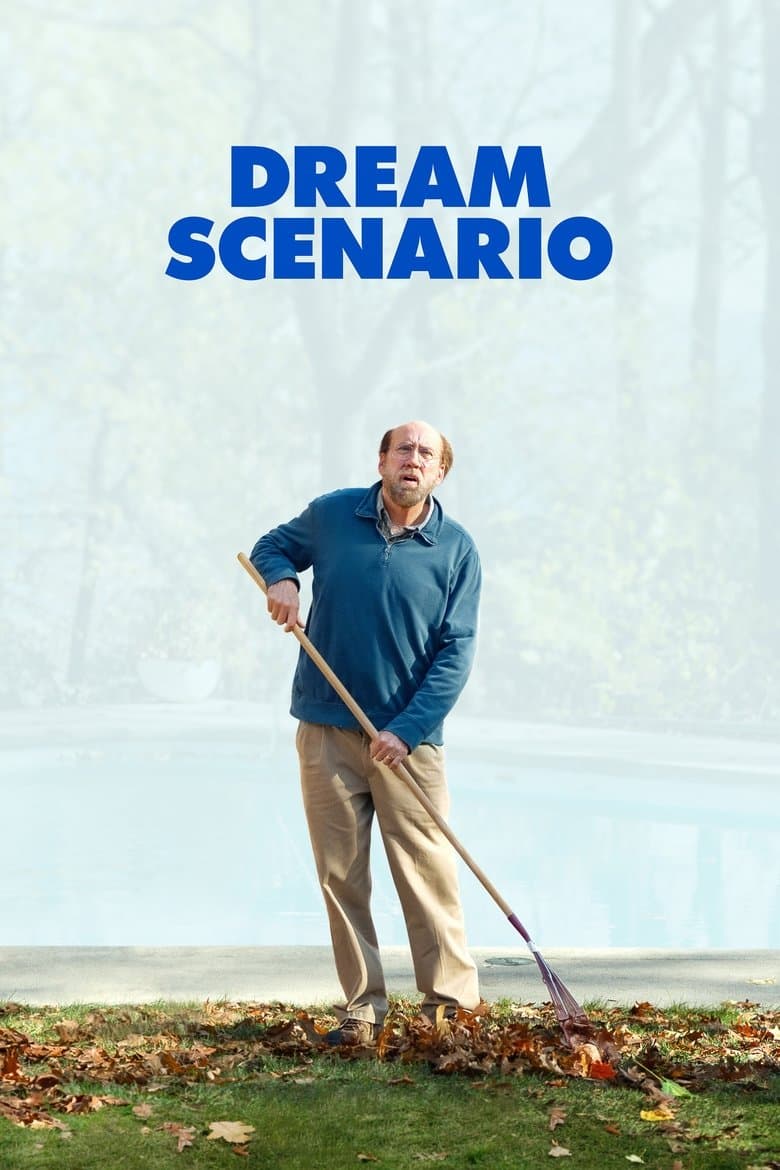
Movie · 2023
Hapless family man Paul Matthews finds his life turned upside down when millions of strangers suddenly start seeing him in their dreams.
Movie · 2025
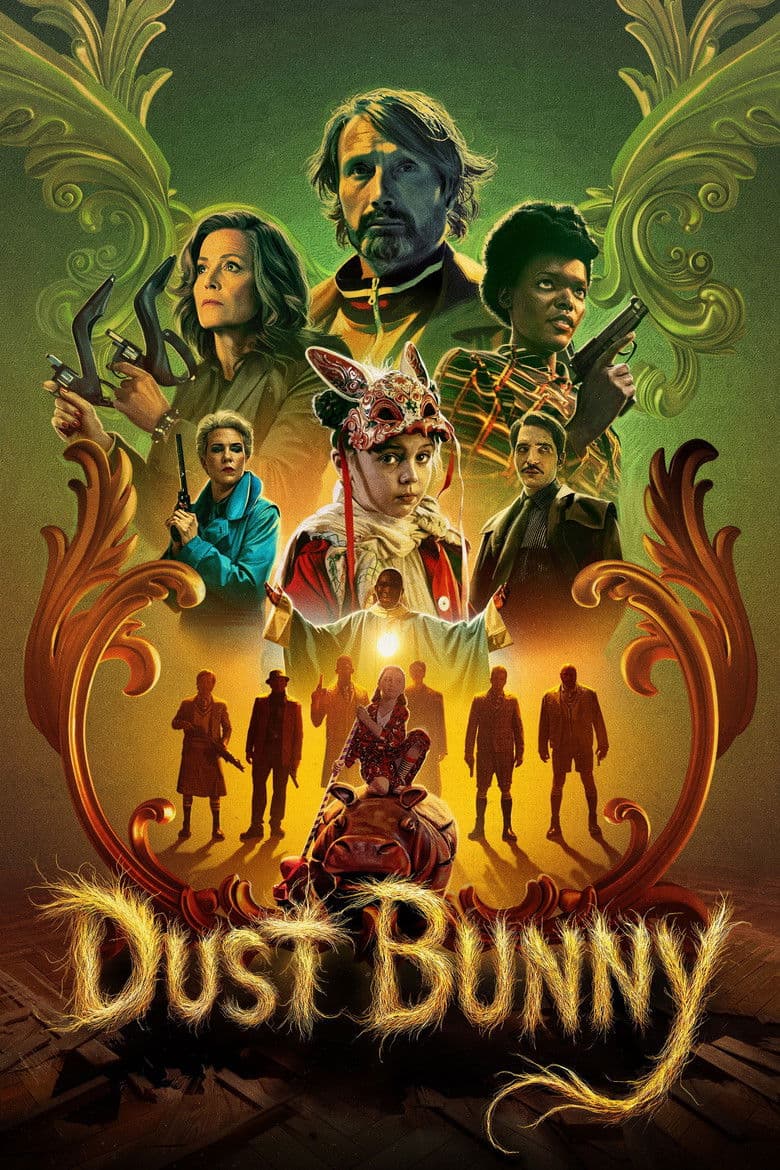
Ten-year-old Aurora asks her hitman neighbor to kill the monster under her bed that she claims ate her family.

Movie · 2020
Tanjiro Kamado, joined with Inosuke Hashibira, a boy raised by boars who wears a boar's head, and Zenitsu Agatsuma, a scared boy who reveals his true power when he sleeps, boards…
