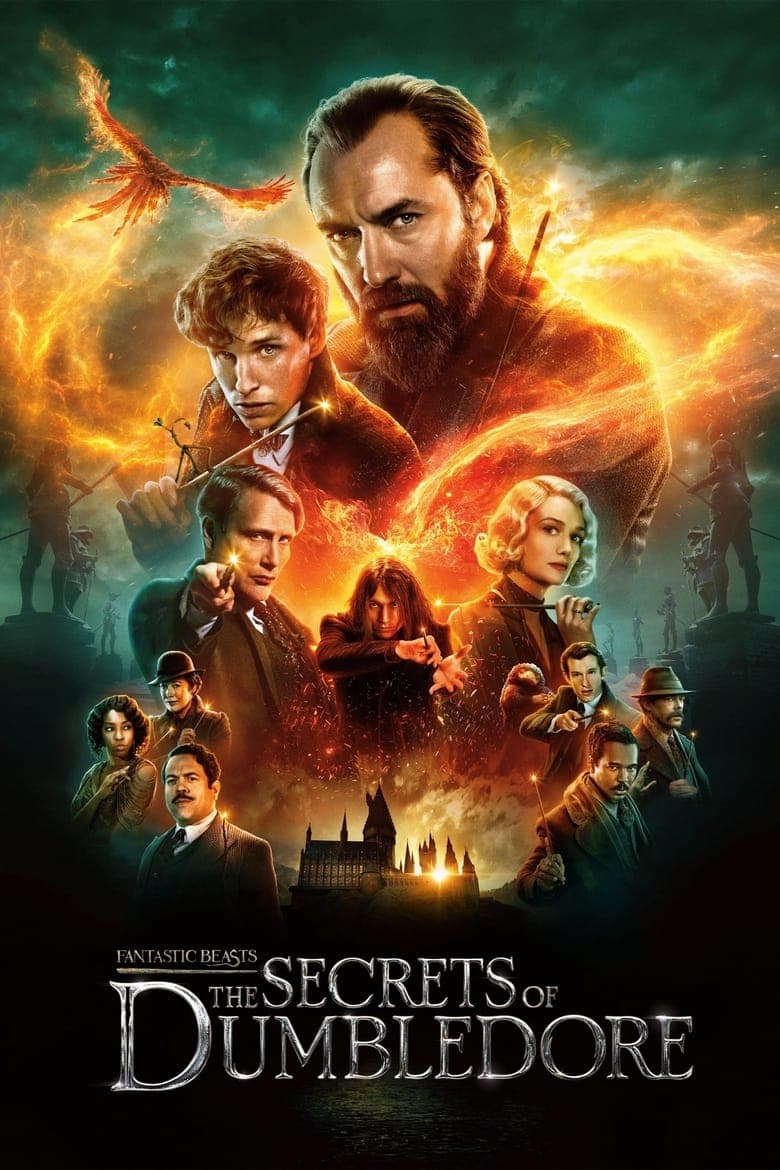
Movie review
Set in 1932, Albus Dumbledore cannot fight Gellert Grindelwald himself because of a blood pact. He sends Newt Scamander and a team of allies to stop Grindelwald from fixing the International Confederation of Wizards election with a reanimated qilin. Credence is revealed as Aberforth Dumbledore's son, and Queenie returns to Jacob Kowalski. In the end, the living qilin supports Brazilian candidate Vicência Santos instead of Grindelwald. The main plot follows election intrigue, adventure, and the fight against wizard tyranny.
The film opens with Dumbledore and Grindelwald naming a romantic past. Dumbledore says he only backed Grindelwald's plans because he was in love with him, and he later speaks of the summer they fell in love. That is the first clear on-screen confirmation of their relationship in a Wizarding World movie. The same-sex past love also helps explain the blood pact and why Dumbledore cannot duel Grindelwald. Jessica Williams plays Lally Hicks as a major ally, a skilled black American Ilvermorny charms professor, while other cast members add wider multi-ethnic presence around the global 1930s setting.
Community feedback
Was our 60% Woke rating accurate?
Breakdown
These are the editorial factors and ratings behind our score for Fantastic Beasts: The Secrets of Dumbledore.
Woke representation / casting
Jessica Williams’s Lally Hicks becomes a major ally as a skilled black American Ilvermorny charms professor. Yusuf Kama is a clear ally on the team. A Brazilian woman, Vicência Santos, wins the wizarding election as the pure-hearted choice. The global 1930s setting can support some multi-ethnic casting, but Lally’s hero-circle role is still easy for viewers to notice, and the leads stay mostly white European or American.
38%
Woke political dialogue
The film does not use modern DEI slogans or race and gender politics speeches. What viewers hear about identity is mainly the repeated romantic framing of Dumbledore and Grindelwald. Grindelwald’s pure-blood and anti-Muggle talk is standard villain ideology, not progressive activist dialogue.
25%
Identity-driven story themes
Same-sex past love is a core secret of Dumbledore’s story. It opens the film, explains the blood pact, and shapes why he cannot duel Grindelwald. The movie is not fully queer-centered because election intrigue and adventure still lead. Still, the LGBTQ element is clear, repeated, and treated as the first on-screen gay confirmation for Dumbledore.
62%
Western institutional / cultural critique
The story opposes tyranny and wizard supremacy in a 1930s fascist-style allegory. That is not scored as modern activist critique of whiteness, patriarchy, Christianity, or capitalism. There is no sustained toxic-masculinity or anti-Western cultural message beyond dark-wizard politics already native to the franchise.
12%
Woke character or canon changes
Dumbledore’s sexuality was stated by Rowling after the books, not written into the novels. This film is the first to put that romantic past into on-screen dialogue, which is an identity-forward choice rather than a race or gender swap. Credence’s parentage retcon and the Depp-to-Mikkelsen recast are plot and production matters, not DEI rewrites of established figures.
22%
Anti-woke backlash and complaints
Some people complained that the film is gay, woke, or injects LGBTQ content, including family-style flags of the love confession and scattered social posts. There was no large, lasting mainstream anti-woke campaign treating the movie as major propaganda. Bigger release fights about Rowling’s gender views and China cutting the gay lines do not count as anti-woke backlash against the film’s messaging.
24%
Creator track record context
Yates stresses tolerance and otherness in interviews. Kloves has affirmed trans identities, and Heyman has criticized weak diversity on UK sets. Other named creatives score low on that record, while Rowling is historically left-liberal but gender-critical and against “woke culture” since about 2019. The overall team mix is mild to moderate, not a hard activist project group.
28%
Production
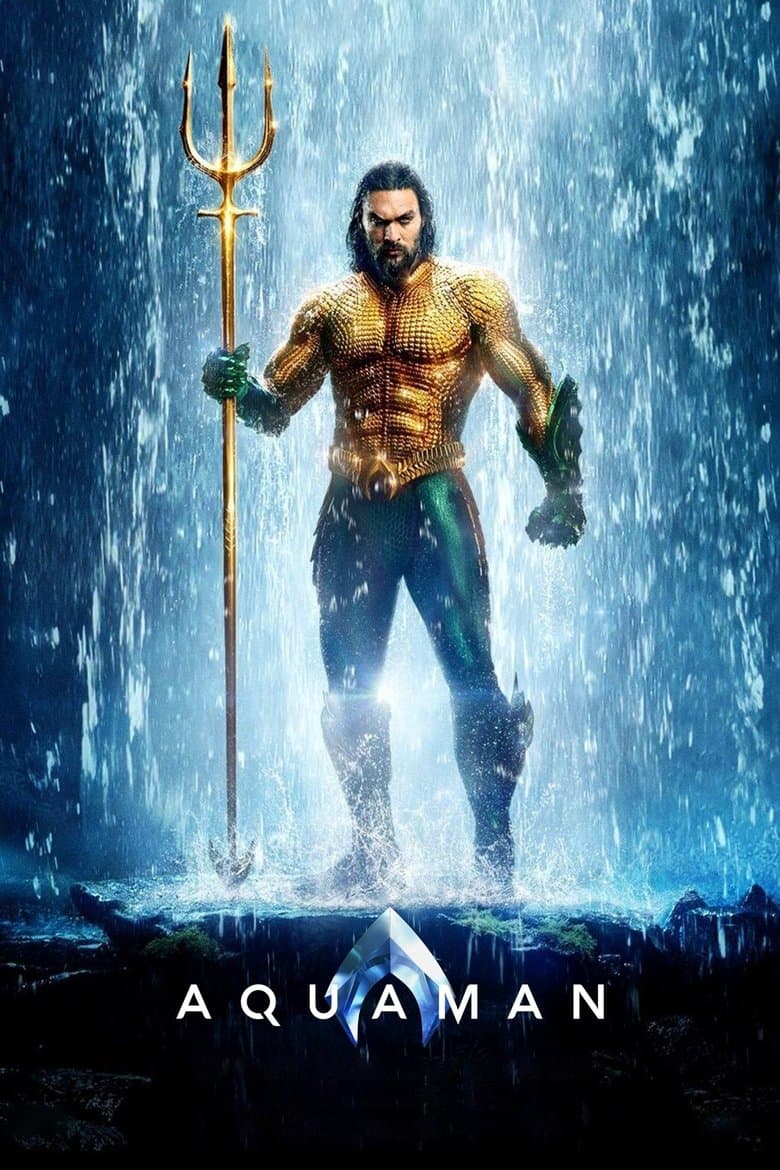
Movie · 2018
Half-human, half-Atlantean Arthur Curry is taken on the journey of his lifetime to discover if he is worth of being a king.
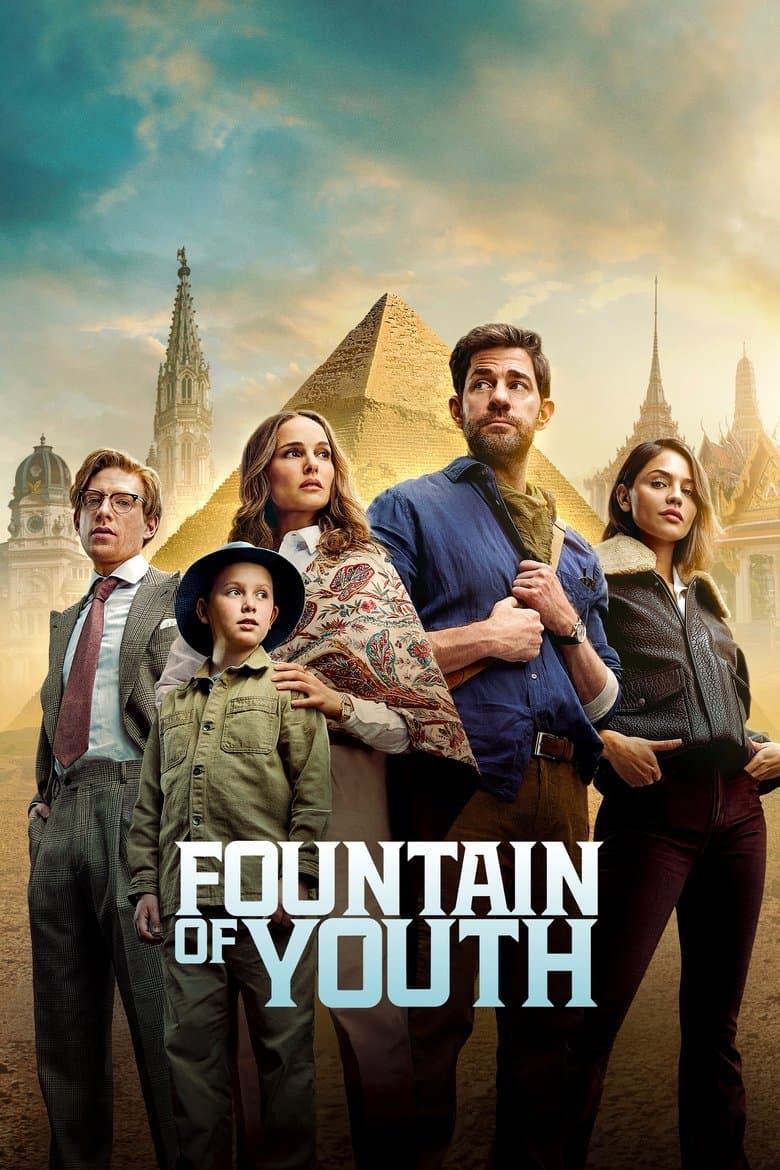
Movie · 2025
A treasure-hunting mastermind assembles a team for a life-changing adventure. But to outwit and outrun threats at every turn, he'll need someone even smarter than he is: his…
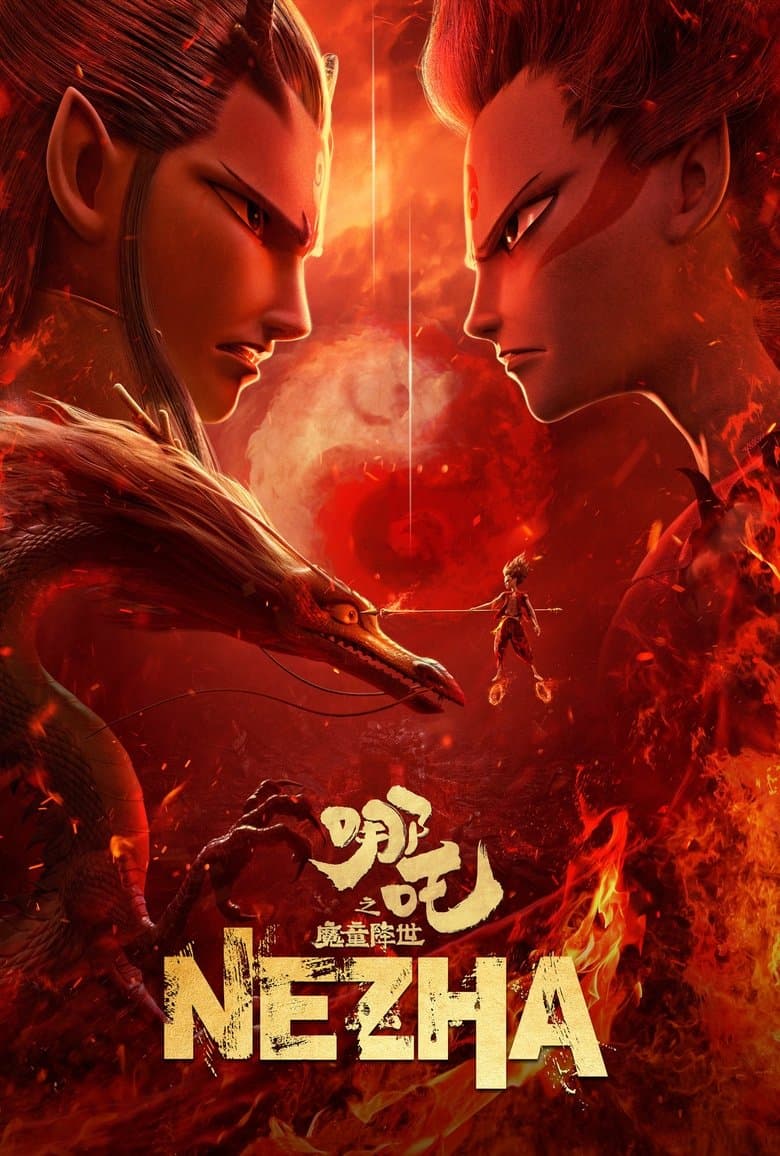
Movie · 2019
A young boy is born as the reincarnation of a demonic power, into a society that hates and fears him. Destined by prophecy to bring destruction to the world, Nezha must choose…
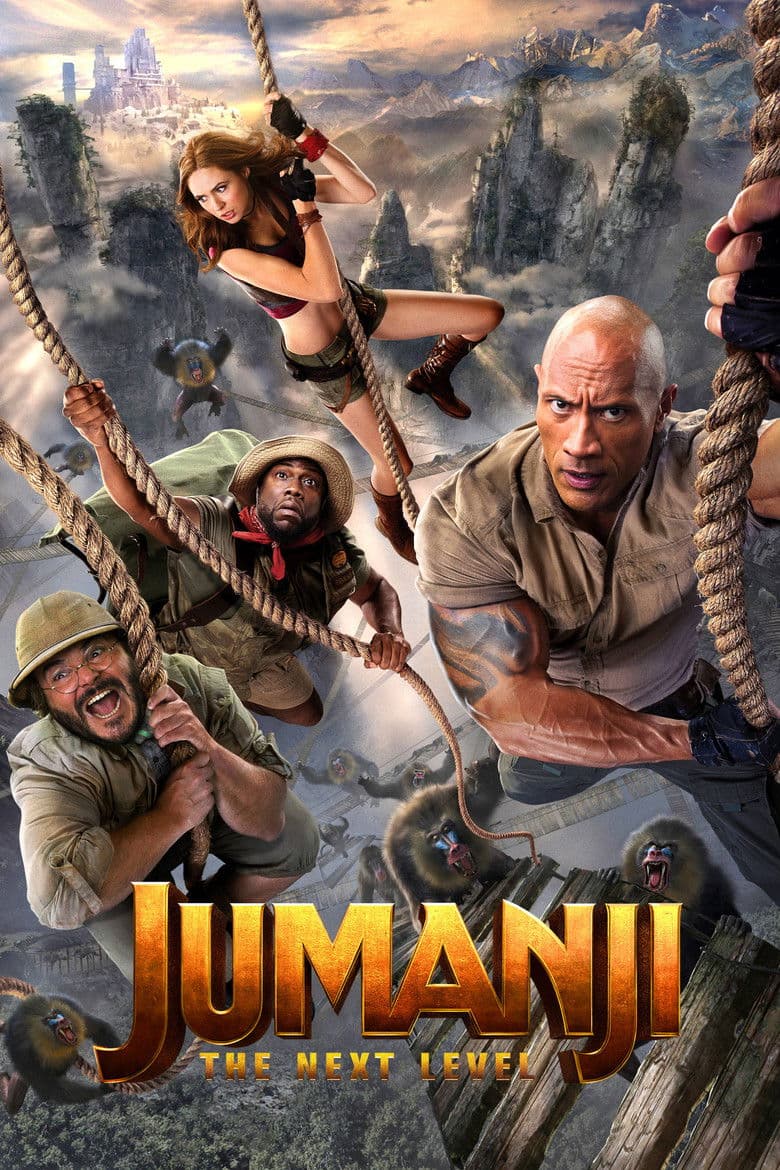
Movie · 2019
As the gang return to Jumanji to rescue one of their own, they discover that nothing is as they expect. The players will have to brave parts unknown and unexplored in order to…
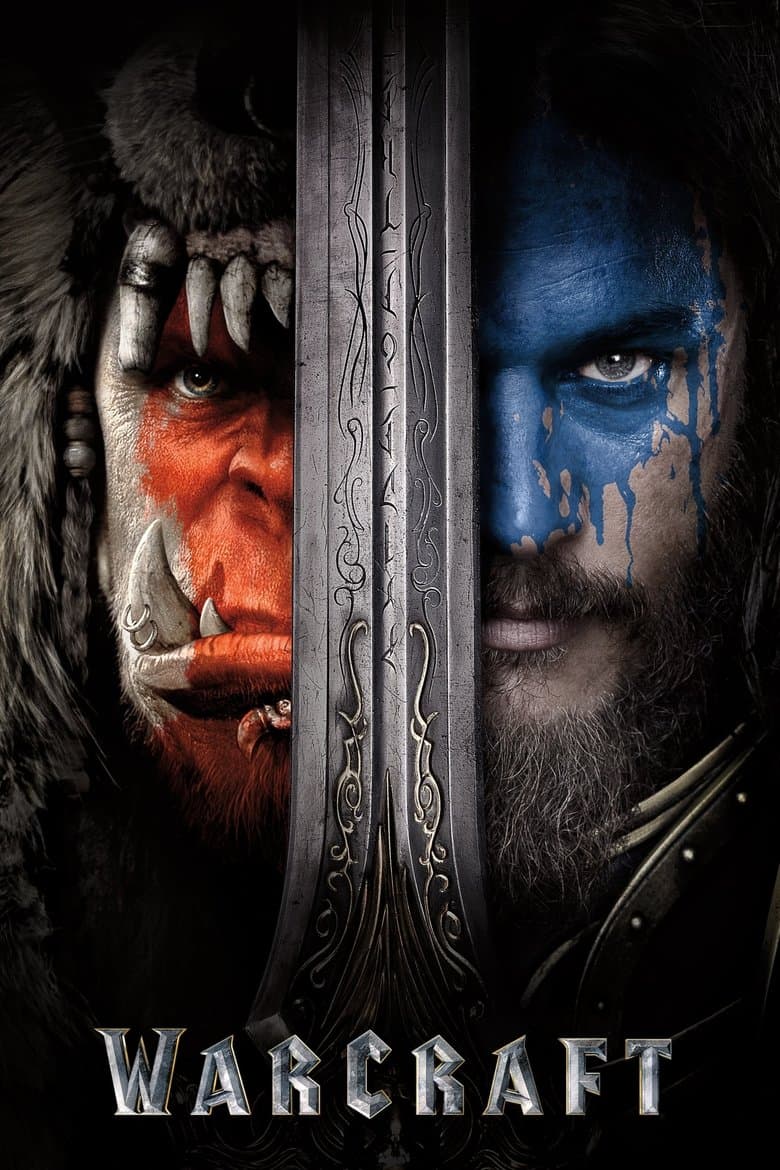
Movie · 2016
The peaceful realm of Azeroth stands on the brink of war as its civilization faces a fearsome race of invaders: orc warriors fleeing their dying home to colonize another.
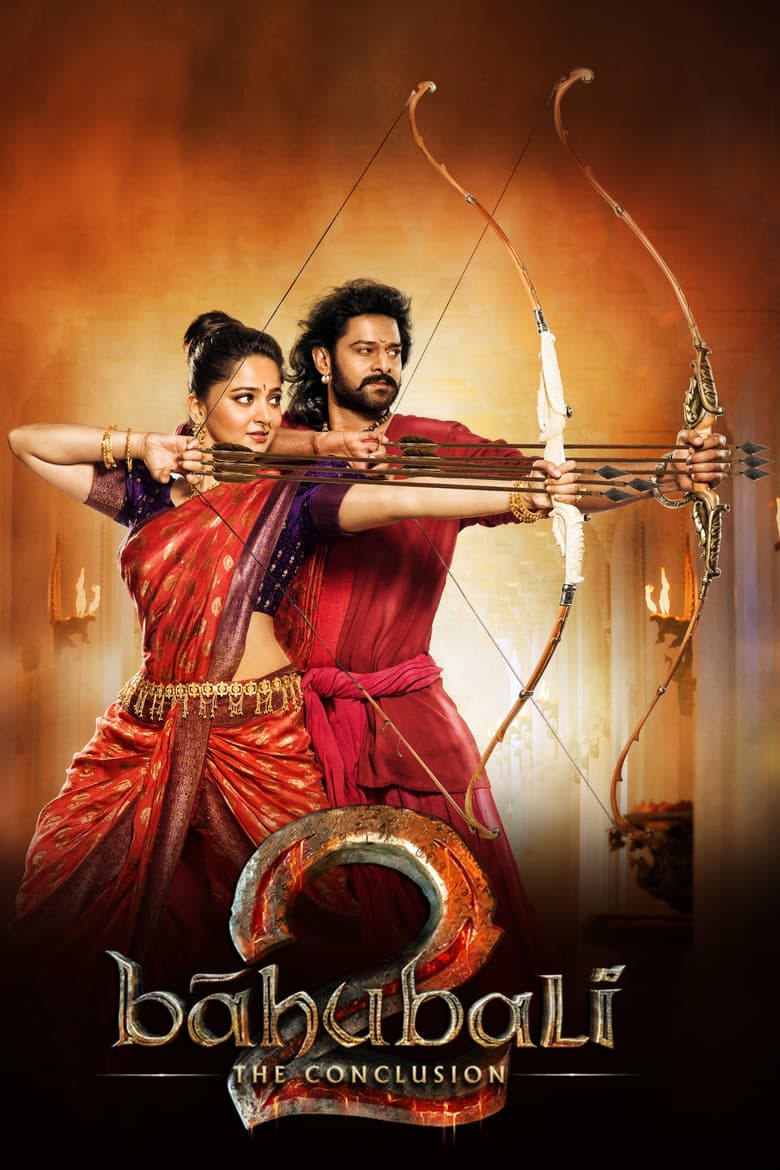
Movie · 2017
When Mahendra, the son of Bāhubali, learns about his heritage, he begins to look for answers. His story is juxtaposed with past events that unfolded in the Mahishmati Kingdom.
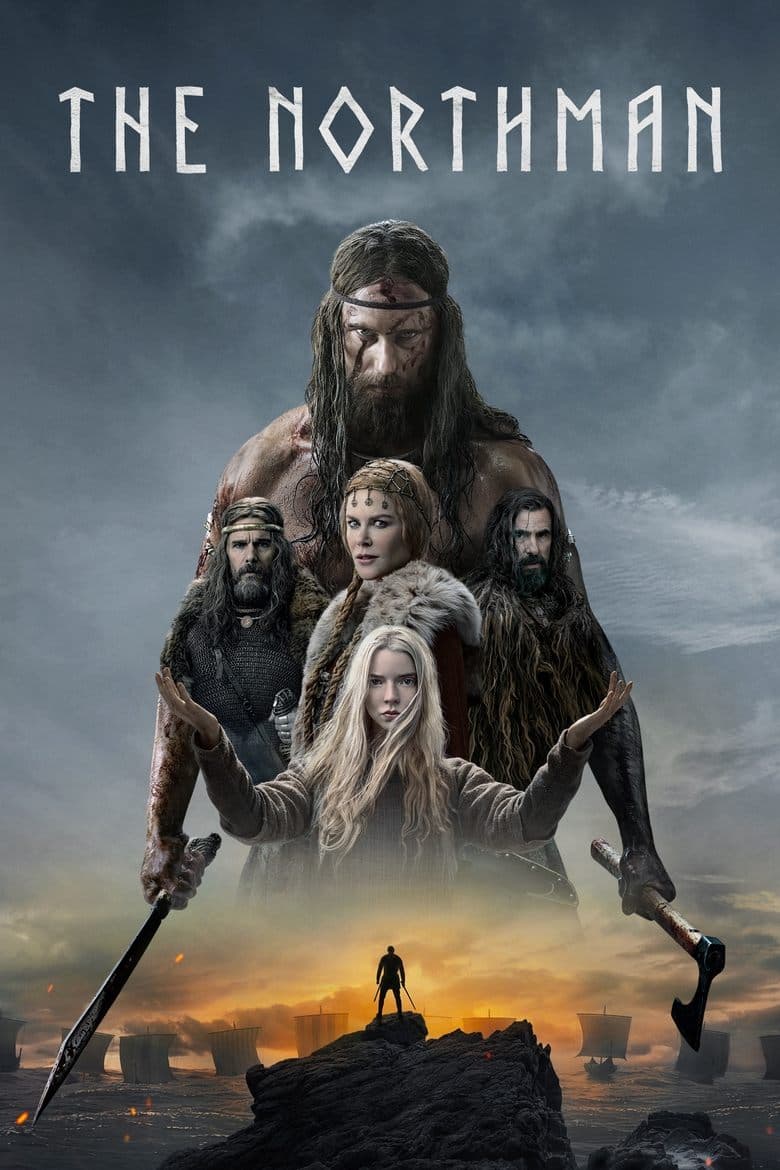
Movie · 2022
Prince Amleth is on the verge of becoming a man when his father is brutally murdered by his uncle, who kidnaps the boy's mother.
Movie · 2018
Lara Croft, the fiercely independent daughter of a missing adventurer, must push herself beyond her limits when she finds herself on the island where her father disappeared.
