
Movie review
Newt Scamander is a quiet wizard who loves magical creatures. In 1927, the dark wizard Grindelwald escapes and tries to gather followers who believe wizards should rule over ordinary people. Dumbledore cannot fight Grindelwald himself, so he asks Newt for help. The story moves through London and Paris with secrets, old friends, and a growing war. The tone is dark fantasy adventure with big set pieces and a crowded plot.
The movie’s main conflict is Grindelwald’s push for wizard power over non-magical people, plus a ban that keeps a witch from marrying a non-wizard. Viewers can also notice a deep past bond between Dumbledore and Grindelwald, sealed by a blood pact, which the makers treat as more than simple friendship. Supporting roles include several non-white characters, such as Leta Lestrange, Yusuf Kama, and Nagini. These pieces are real but not the whole film. Most of the story is chases, family secrets, and stopping a dark wizard, not constant modern activist lectures.
Community feedback
Was our 36% Woke rating accurate?
Breakdown
These are the editorial factors and ratings behind our score for Fantastic Beasts: The Crimes of Grindelwald.
Woke representation / casting
Several important supporting roles go to actors of color, including Leta Lestrange, Yusuf Kama, and Nagini. The top leads stay mostly white. A normal viewer may notice the wider mix in the Paris and Ministry scenes without feeling the whole cast was built as a diversity checklist.
26%
Woke political dialogue
Not present in this title.
0%
Identity-driven story themes
Queenie’s wish to marry a non-wizard under a hard legal ban is a clear “banned love” plot that some will map to real-world marriage rules. Dumbledore and Grindelwald’s past is framed as a deep personal bond sealed by a blood pact, which the film treats as more than ordinary friendship. The core fight is still classic pure-blood rule, not a modern identity lecture.
34%
Western institutional / cultural critique
Not present in this title.
0%
Woke character or canon changes
Nagini, long known only as Voldemort’s snake, is rewritten as a human Asian woman under a curse. The films also lean harder into Dumbledore and Grindelwald’s personal past than the older Harry Potter movies did. Other big twists, like Credence’s family secret, are plot retcons more than identity swaps.
22%
Anti-woke backlash and complaints
A few voices called gay Dumbledore a bow to woke pressure. That complaint existed but was fringe next to Depp casting fights, plot hate, and left-side criticism that the film was not progressive enough.
12%
Creator track record context
Lead writer Rowling scores low on woke activism and later opposed gender ideology. Yates, Heyman, and Kloves sit in a mild middle band with some diversity and acceptance talk, not a hard identity-first body of work across this team.
28%
Production

Movie · 2019
A young boy is born as the reincarnation of a demonic power, into a society that hates and fears him. Destined by prophecy to bring destruction to the world, Nezha must choose…
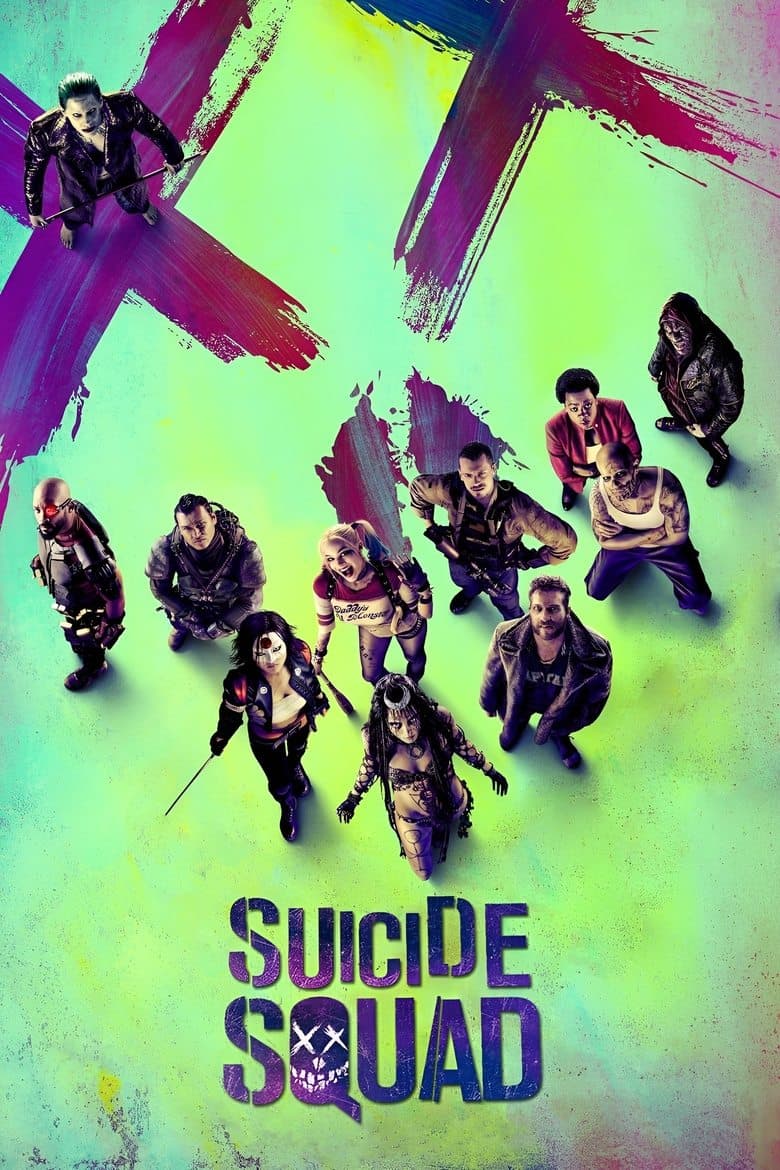
Movie · 2016
From DC Comics comes the Suicide Squad, an antihero team of incarcerated supervillains who act as deniable assets for the United States government, undertaking high-risk black ops…
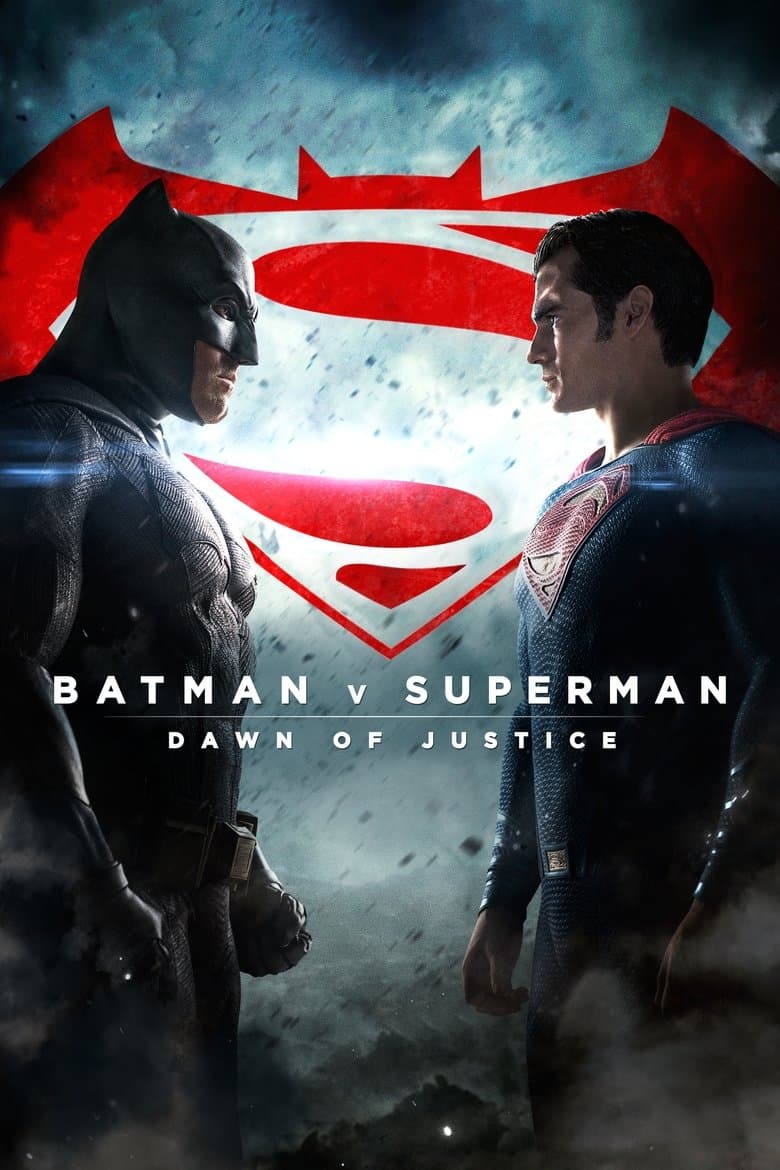
Movie · 2016
Fearing the actions of a god-like Super Hero left unchecked, Gotham City’s own formidable, forceful vigilante takes on Metropolis’s most revered, modern-day savior, while the…
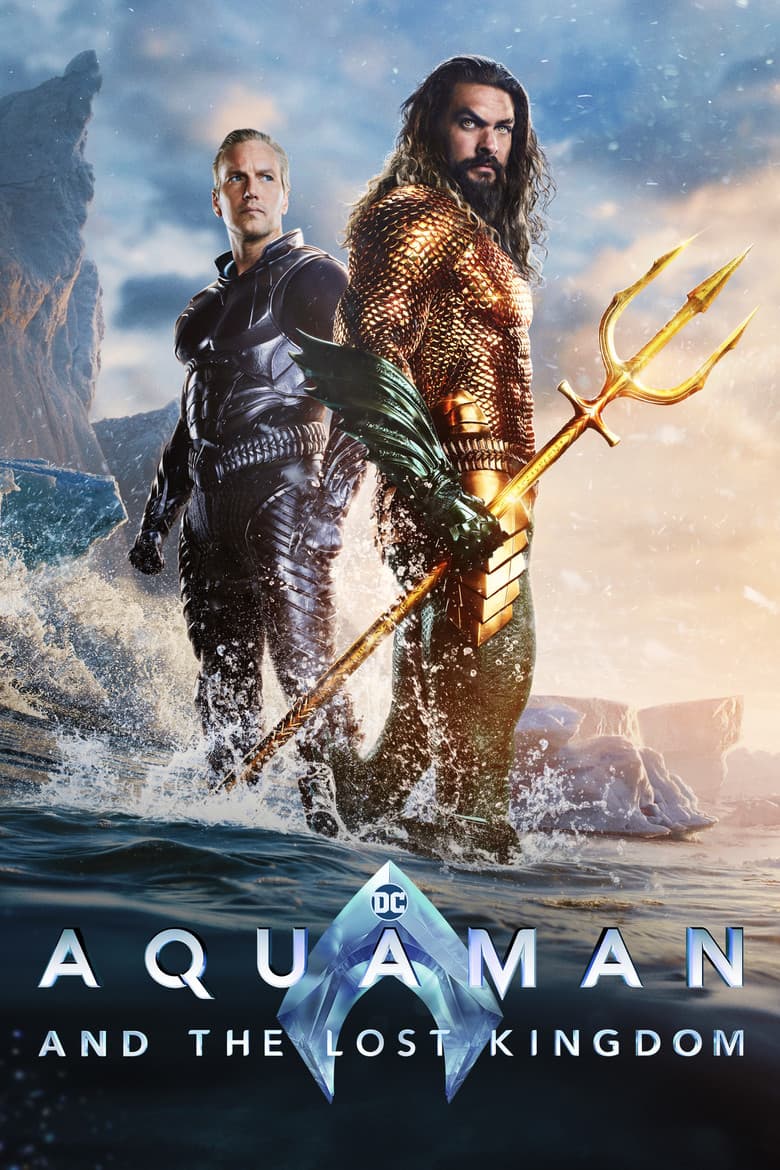
Movie · 2023
Black Manta seeks revenge on Aquaman for his father's death. Wielding the Black Trident's power, he becomes a formidable foe.
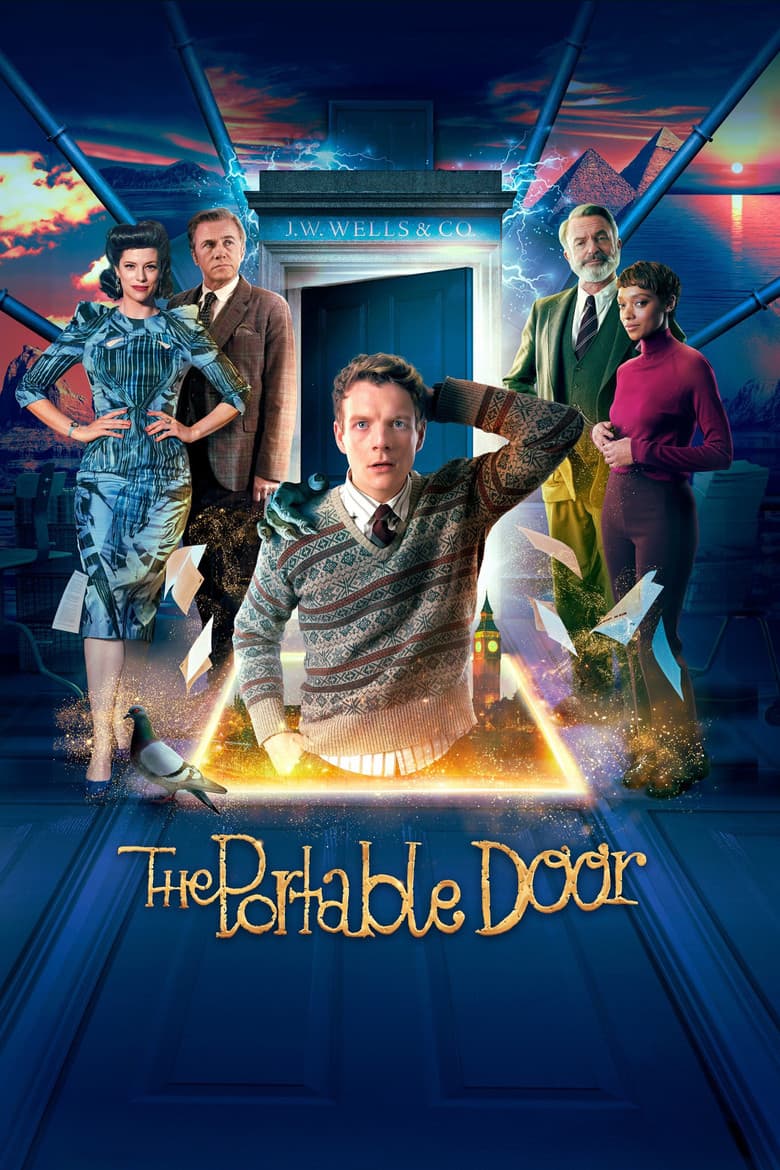
Movie · 2023
Paul and Sophie, interns at a mysterious London firm, become steadily aware their employers Humphrey and Dennis are anything but conventional – they are disrupting the world of…
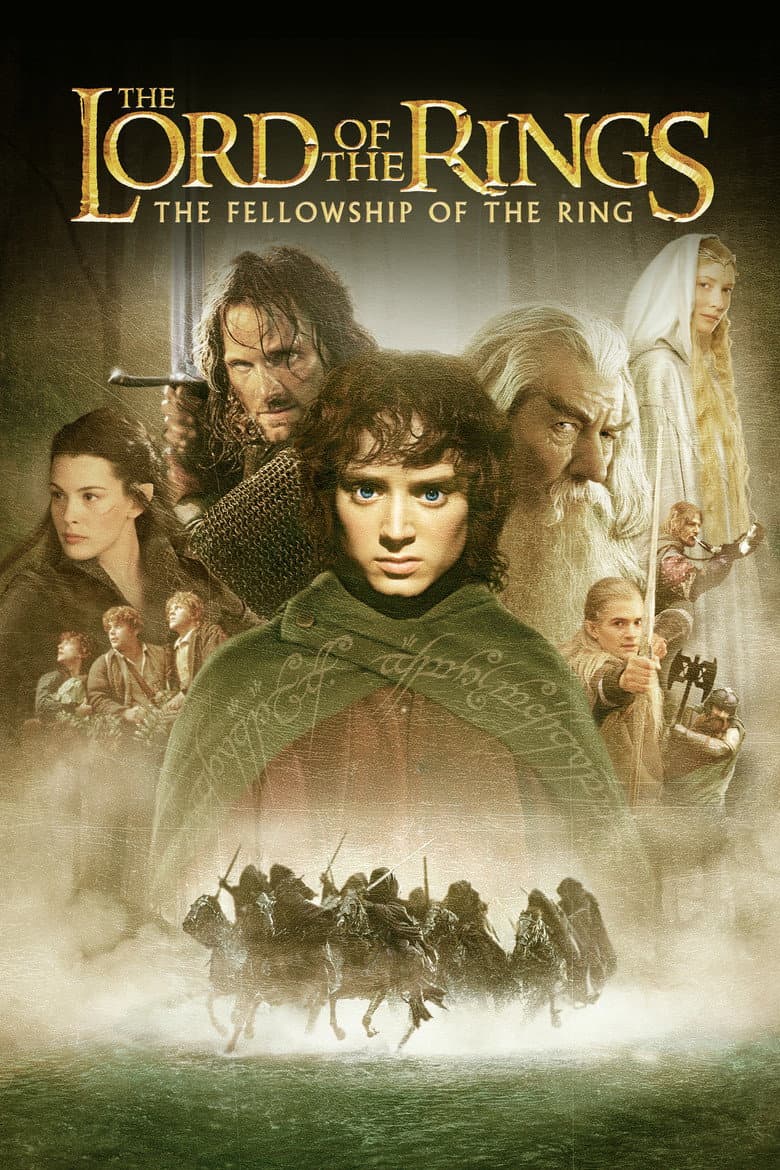
Movie · 2001
Young hobbit Frodo Baggins, after inheriting a mysterious ring from his uncle Bilbo, must leave his home in order to keep it from falling into the hands of its evil creator.
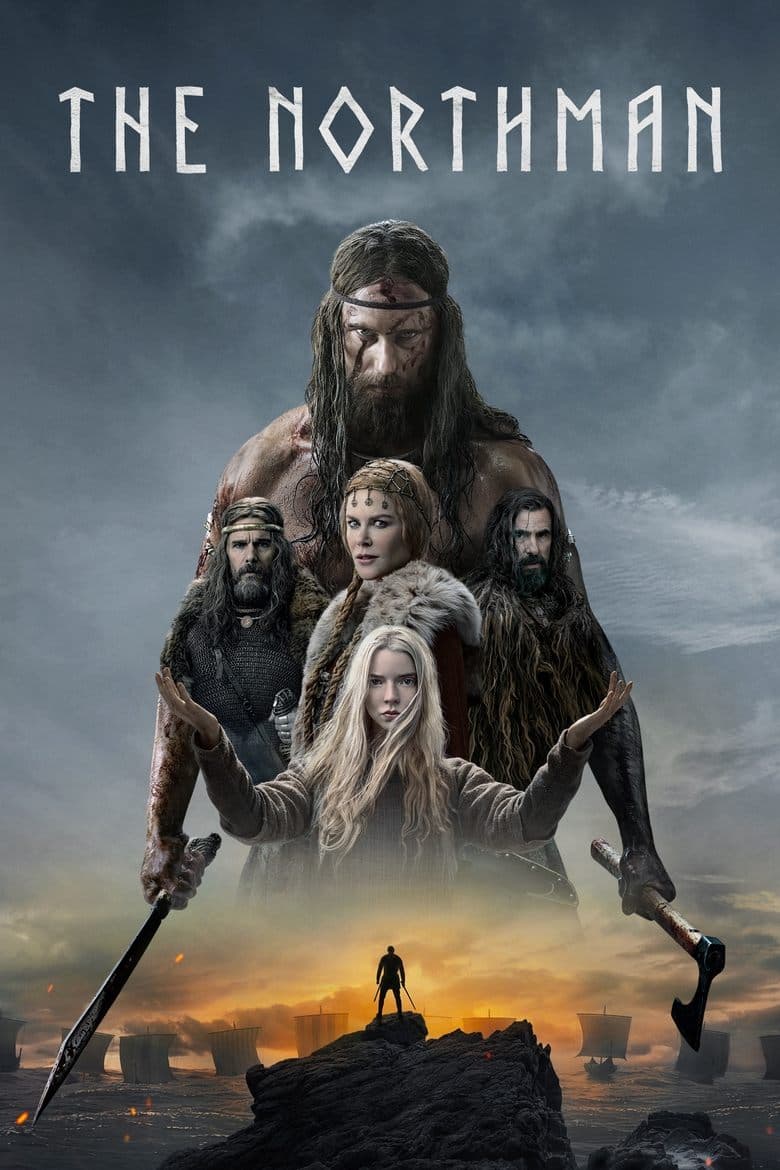
Movie · 2022
Prince Amleth is on the verge of becoming a man when his father is brutally murdered by his uncle, who kidnaps the boy's mother.
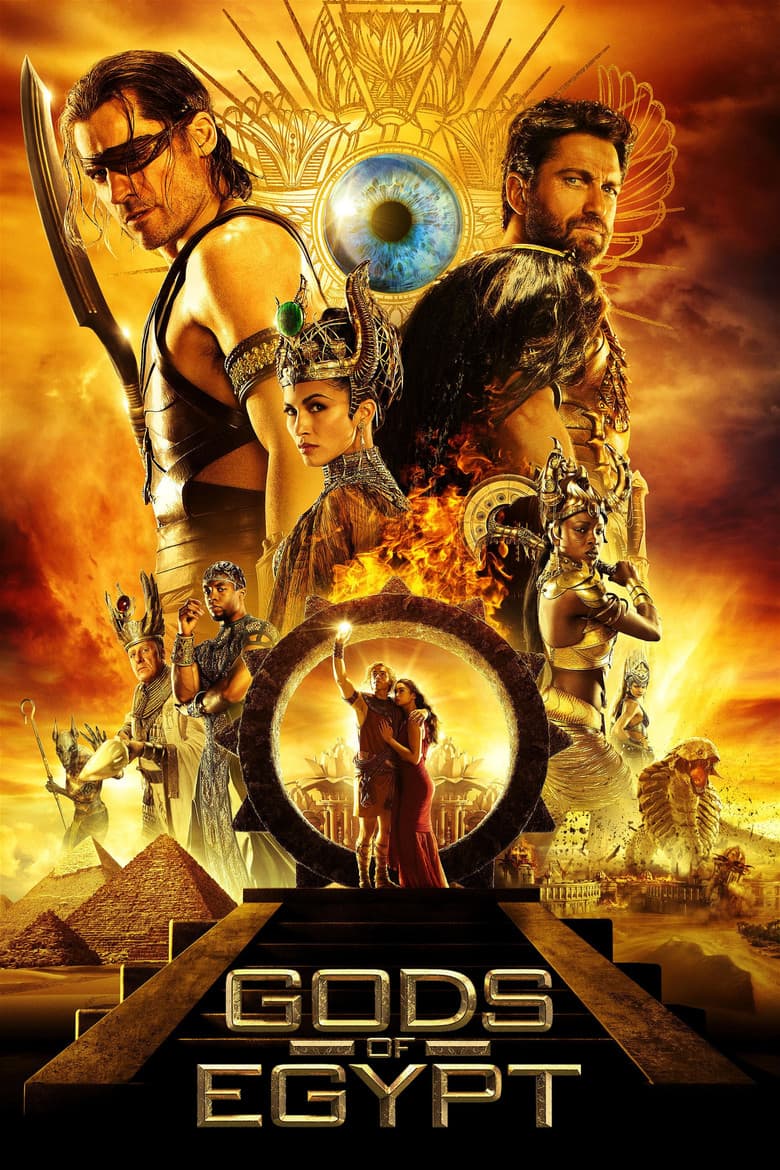
Movie · 2016
A common thief joins a mythical god on a quest through Egypt.
