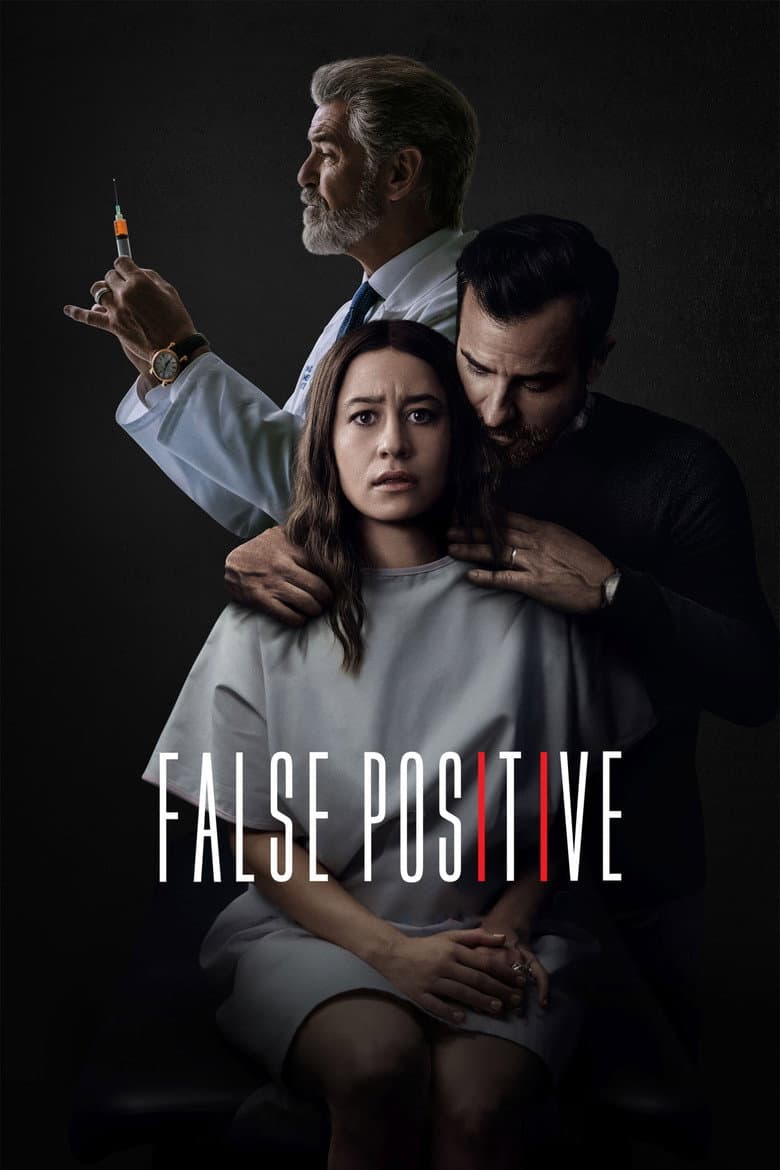
Lucy Martin is a successful New York advertising worker who has spent two years trying to have a child with her husband, Adrian. Adrian takes her to his old teacher, Dr. John Hindle, a famous fertility doctor who quickly gets her pregnant. Lucy then sees signs that Hindle and Adrian are hiding something, while her friends and co-workers treat her fears as stress or “mommy brain.” The movie mixes slow mystery, body horror, dark jokes, and a bloody final act.
Female bodily control is the film’s main woke element. Lucy is repeatedly told that men know what is best for her body, while Grace, a black midwife, tells her that women should trust their own power and take back their birth story. The film shows a male-run fertility system, a workplace that uses Lucy’s work and pushes her aside, and a husband who mocks her choices. It also calls out Lucy’s racial stereotype of Grace, so the story adds a small white-privilege and representation thread to its larger feminist message.
Community feedback
Was our 71% Woke rating accurate?
Breakdown
These are the editorial factors and ratings behind our score for False Positive.
Woke representation / casting
The film gives a major care role to Grace Singleton, a black midwife. The film makes her race part of the scene through African-style decorations, spiritual language, and Lucy’s first view of her as magical. Grace later rejects that fantasy and tells Lucy to do better. Modern New York can support this casting, so the identity signal is limited to one prominent supporting role.
18%
Woke political dialogue
Lucy says that being a woman should make pregnancy something she can do, and the film repeats “mommy brain” to show how women are dismissed. Grace says women have special power, that men took over childbirth, and that pregnant people are not sick. The film also uses lines about empowerment, freedom, and a woman’s birth story. These ideas recur in dialogue but do not fill every scene.
48%
Identity-driven story themes
Lucy’s pregnancy becomes a fight over who controls her body and her choices. The film makes men the main source of medical control, marriage pressure, workplace limits, and doubt about her own mind. Lucy is pushed to reclaim her own birth story and reject the people who speak for her. The feminist message drives the mystery and the horror, so the theme is central.
70%
Western institutional / cultural critique
The film criticizes the modern fertility system by showing male doctors deciding what happens inside a woman’s body. The film adds a lecture about men shaping childbirth and shows Lucy’s male boss taking her ideas while removing her from the project. The film also treats Adrian’s jokes and the repeated “mommy brain” label as ways to silence Lucy. The story does not make a broad attack on Christianity or ordinary family life, which keeps this below the highest range.
57%
Woke character or canon changes
Not relevant. False Positive is an original story, not a remake or adaptation with established characters. Its Peter Pan references do not change Peter Pan canon or a real historical figure.
0%
Anti-woke backlash and complaints
A Reddit thread said the film stuffed in woke ideas and reduced its message to men being bad and women being good. Other posts called the feminist comments forced or described the film as feminist propaganda. The X research pass found no anti-woke posts, and no large news controversy was found. The complaints were real but scattered, with little sign of a broad campaign.
28%
Creator track record context
Ilana Glazer’s supplied context links her to feminist themes, political organizing, and progressive causes. Alissa Nutting’s supplied context links her writing to female desire, beauty rules, and gender pressure. John Lee and Jonathan Wang have no linked activist record in the supplied context. Glazer and Lee also describe this film as a story about men controlling women’s bodies, so the track record supports the film’s themes.
38%
Production
Movie · 2025
Two parents enter a race against time when they receive a distressing late-night phone call from their daughter after she caused a tragic car accident.
Movie · 2017
A young man and his three younger siblings are plagued by a sinister presence in the sprawling manor in which they live.
Movie · 2017
When a priest is jailed for the murder of a nun on whom he was performing an exorcism, an investigative journalist strives to determine whether he in fact murdered a mentally ill…
Movie · 2021
Reeling from the unexpected death of her husband, Beth is left alone in the lakeside home he built for her. Soon she begins to uncover her recently deceased husband's disturbing…

Movie · 2019
Newcomer Evan joins a group of teens on a getaway in Joshua Tree. While exchanging ghost stories around the campfire, Evan reads aloud a mysterious chant from an internet site.

Movie · 2025
Plagued by a violent recurring nightmare, college student Stefanie heads home to track down the one person who might be able to break the cycle and save her family from the grisly…

Movie · 2024
A group of criminals kidnap a teenage ballet dancer, the daughter of a notorious gang leader, in order to obtain a ransom of $50 million, but over time, they discover that she is…
Movie · 2026
The host of a popular paranormal podcast becomes haunted by terrifying recordings mysteriously sent her way.
