
Emily is a young woman in Los Angeles stuck with big student loans and a criminal record that blocks good jobs. She works low-pay food delivery until a shady offer pulls her into credit-card fraud. A man named Youcef teaches her the scam, and the two grow close while the work gets riskier. The movie is a tense crime thriller about money stress, bad choices, and how far someone will go when legal work feels hopeless.
The film’s strongest message is about money and work, not race or queer identity. Viewers see student debt, dead-end gigs, and a famous unpaid-internship fight where Emily refuses free labor. Critics and ads often call it a story about a “broken system” and hard capitalism. Emily is tough and good at crime, but the plot is still mostly about cash and survival. Casting feels like a normal LA crime story, not a diversity lecture. There is no major anti-woke backlash. Overall it is light-to-moderate on woke factors, with clearer progressive class politics than identity politics.
Community feedback
Was our 46% Woke rating accurate?
Breakdown
These are the editorial factors and ratings behind our score for Emily the Criminal.
Woke representation / casting
Modern LA cast with some ethnic mix (black friend, Middle Eastern partner). Feels like normal big-city crime casting, not a diversity showcase. Lead is Plaza for star power and tone. Identity is not sold as the point.
18%
Woke political dialogue
Clear, easy-to-hear talk about student loans, background checks, unpaid internships, and a rigged job path. The free-labor interview scene is blunt and often shared. Class and work politics, not race or gender sermons.
40%
Identity-driven story themes
Main arc is debt, fraud, thrills, and becoming good at crime. Not built on race, gender, or queer identity. Female lead is hard and capable, but the engine is money stress and personal choices more than activist identity messaging.
25%
Western institutional / cultural critique
Strong picture of U.S. student loans, gig jobs, unpaid internships, and record checks as traps that push people into crime. “Broken system” framing is audience-visible. Focus is economic institutions, not church, family norms, or toxic-masculinity lectures.
48%
Woke character or canon changes
Not present in this title.
0%
Anti-woke backlash and complaints
No clear, widespread right-leaning or anti-woke backlash treating the film as DEI/identity propaganda. Talk centers on performance, debt, and crime thrills.
0%
Creator track record context
Key creatives sit in a mild range on cached scores (mostly mid-20s to low-30s). Ford frames personal money anxiety; Plaza is left-leaning mainstream, not a full-time DEI activist. Matches a class-drama thriller more than identity activism.
28%
Production

Movie · 2021
Deputy Sheriff Joe "Deke" Deacon joins forces with Sgt. Jim Baxter to search for a serial killer who's terrorizing Los Angeles.
Movie · 2021
The seemingly casual reunion of three old friends at an out-of-the-way repair shop masks a hidden agenda fuelled by the arrival of a privileged young yuppie.
Movie · 2019
In the wake of his dramatic escape from captivity, Jesse Pinkman must come to terms with his past in order to forge some kind of future.
Movie · 2017
A traumatized veteran, unafraid of violence, tracks down missing girls for a living. When a job spins out of control, his nightmares begin to overtake him, and a conspiracy is…

Movie · 2025
Struggling single father Jerry indoctrinates his son Joe into the sovereign citizen movement, teaching him that laws are mere illusions and freedom is something you take.
Movie · 2024
When an army commando finds out his true love is engaged against her will, he boards a New Dehli-bound train in a daring quest to derail the arranged marriage.

Movie · 2018
Failed architect, engineer and vicious murderer Jack narrates the details of some of his most elaborately orchestrated crimes, each of them a towering piece of art that defines…
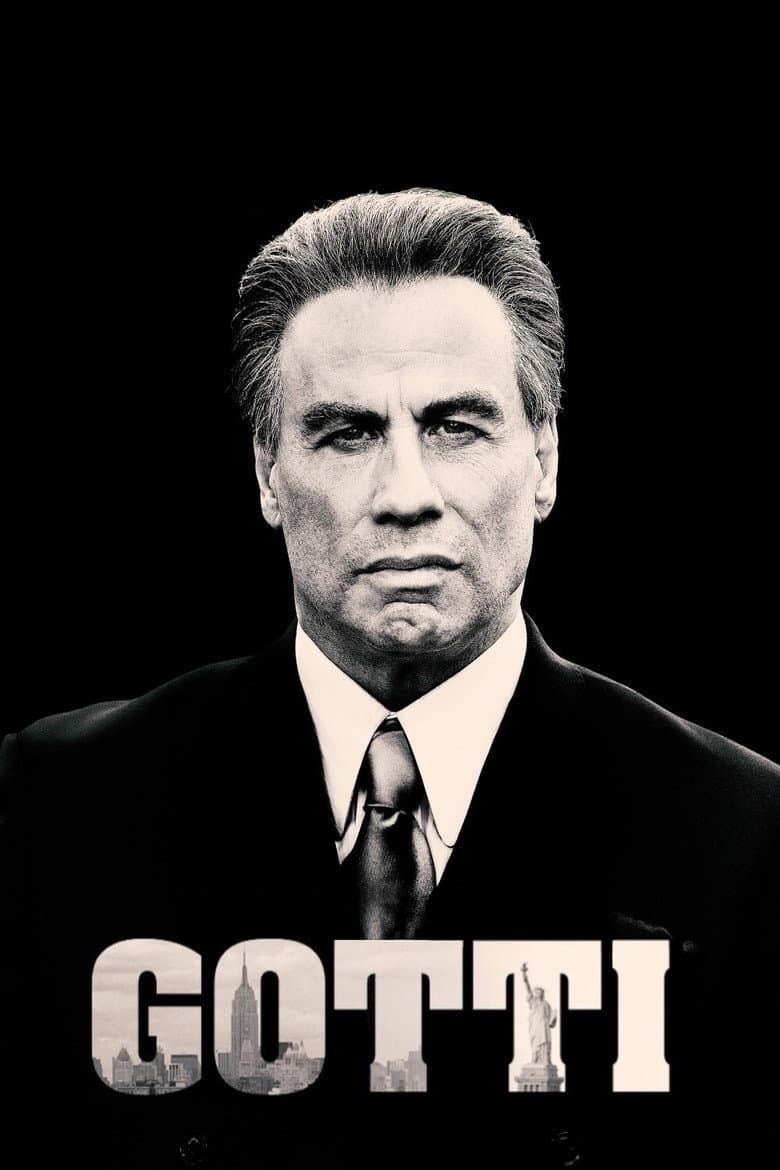
Movie · 2018
John Gotti rises to the top of the New York underworld to become the boss of the Gambino crime family. His life takes a tumultuous turn as he faces tragedy, multiple trials and a…
