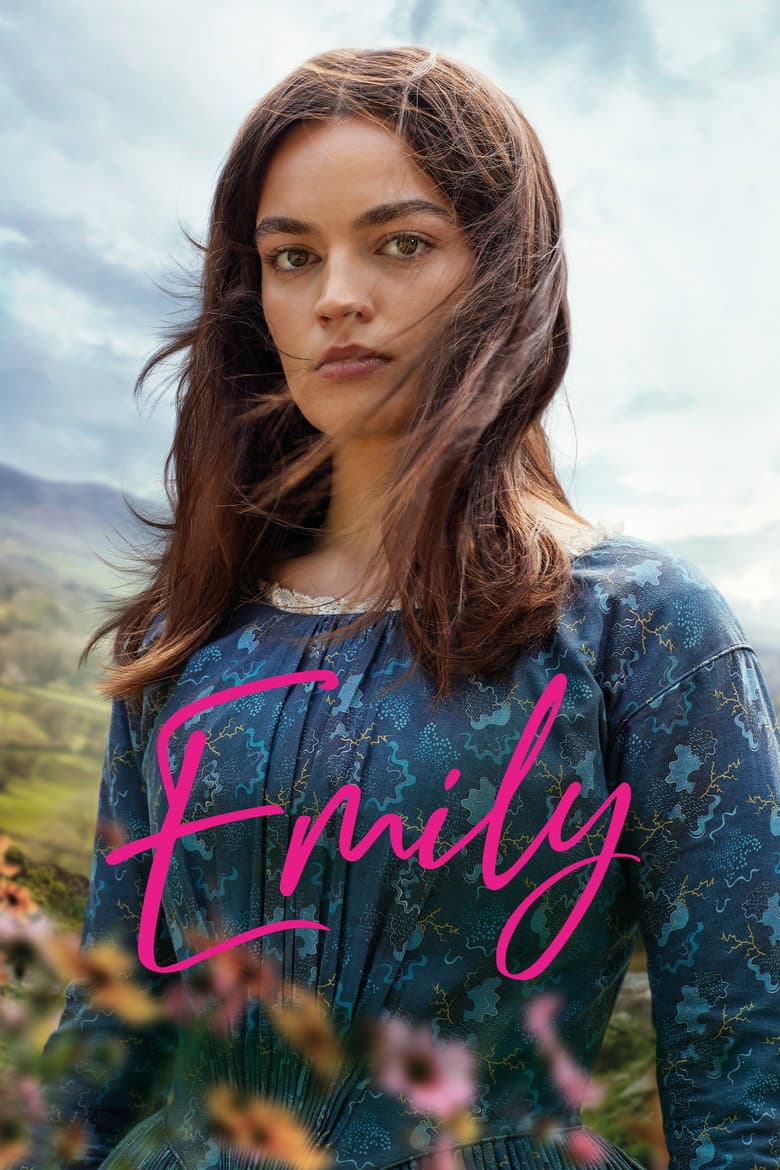
Emily Brontë lives in a windy English village in the 1800s with her sisters and brother. She feels strange and left out. She fights with her family, plays wild games, and falls into a secret love with her father’s young helper, Weightman. The film is dark, romantic, and dreamy. It shows how her pain and passion help her write *Wuthering Heights*.
The film is a made-up take on a real writer’s life, built around a young woman who will not fit the rules of her time. Viewers can see a clear “find your voice as a woman” story: Emily is wild, odd, and free while church life and family duty press on her. The director has said the church stands for male power and that the story is for young women who feel they do not fit. There is no big race-swap cast or queer storyline. The main push is gender and freedom. Some talk sounds modern and feminist. A normal viewer who watches for message will notice that more than pure history.
Community feedback
Was our 52% Woke rating accurate?
Breakdown
These are the editorial factors and ratings behind our score for Emily.
Woke representation / casting
Main cast fits a 1800s English family story. Lead Emma Mackey is mixed heritage but was not sold as a race-swap or diversity campaign. No clear quota pattern of identity casting in big roles. No queer-coded casting push. Diversity is not the selling point.
5%
Woke political dialogue
Characters argue religion and faith; Emily pushes back against easy church answers. Some viewers say talks feel like modern feminist chat. Lines support freedom and not fitting in more than long activist speeches. Noticeable in key scenes, not constant slogans.
32%
Identity-driven story themes
Core arc is a misfit young woman finding her voice and power in a world that wants her quiet and proper. Sisterhood, desire, and creative freedom sit at the center. Gender and womanhood themes are clear and planned. No race or LGBTQ plot. Average viewers can see the “be yourself as a woman” message.
50%
Western institutional / cultural critique
Story frames church duty and male house power as limits on Emily’s wild, creative side. Director said the church stands for the patriarchy and that being a true self costs women under that system. Critiques old gender rules and church control with a modern edge, not only “bad king / bad tyrant” conflict.
48%
Woke character or canon changes
Invented Weightman romance is creative fiction, not a race or gender swap. Mild identity-leaning change: real Emily is reshaped as a freer, more sexual rebel against male power so her life “speaks” to today. Wish-fulfillment beats (like her name on the book) favor modern feelings over strict record. Not DEI recasting of known figures.
20%
Anti-woke backlash and complaints
No clear wave of anti-woke or right-leaning attacks that the film pushes DEI or identity politics. Pushback is mostly “this is not true history” or left-side gripes that it is shallow or man-centered. Those do not count here.
0%
Creator track record context
Lead creative Frances O’Connor’s cached profile (28) and her interviews use patriarchy, #MeToo, and young-women representation language that matches the film. Other listed producers and craft people mostly sit low. Overall track record is mild gender-focused, not race/queer DEI.
28%
Production

Movie · 2019
After learning that his terminally ill wife has six months to live, a man welcomes the support of his best friend who moves into their home to help out.
Movie · 2018
German artist Kurt Barnert has escaped East Germany and now lives in West Germany, but is tormented by his childhood under the Nazis and the GDR regime.

Movie · 2025
Two artistic souls find harmony through music despite their contrasting worlds. As feelings deepen, age and circumstances challenge their undeniable bond.
Movie · 2018
The coming-of-age tale of 16-year-old Lina Vilkas who is deported to Siberia amid Stalin's reign of terror in the Baltic region during WWII.
Movie · 2019
An extraordinary look at the lives of a middle-aged couple in the midst of the wife's breast cancer diagnosis.
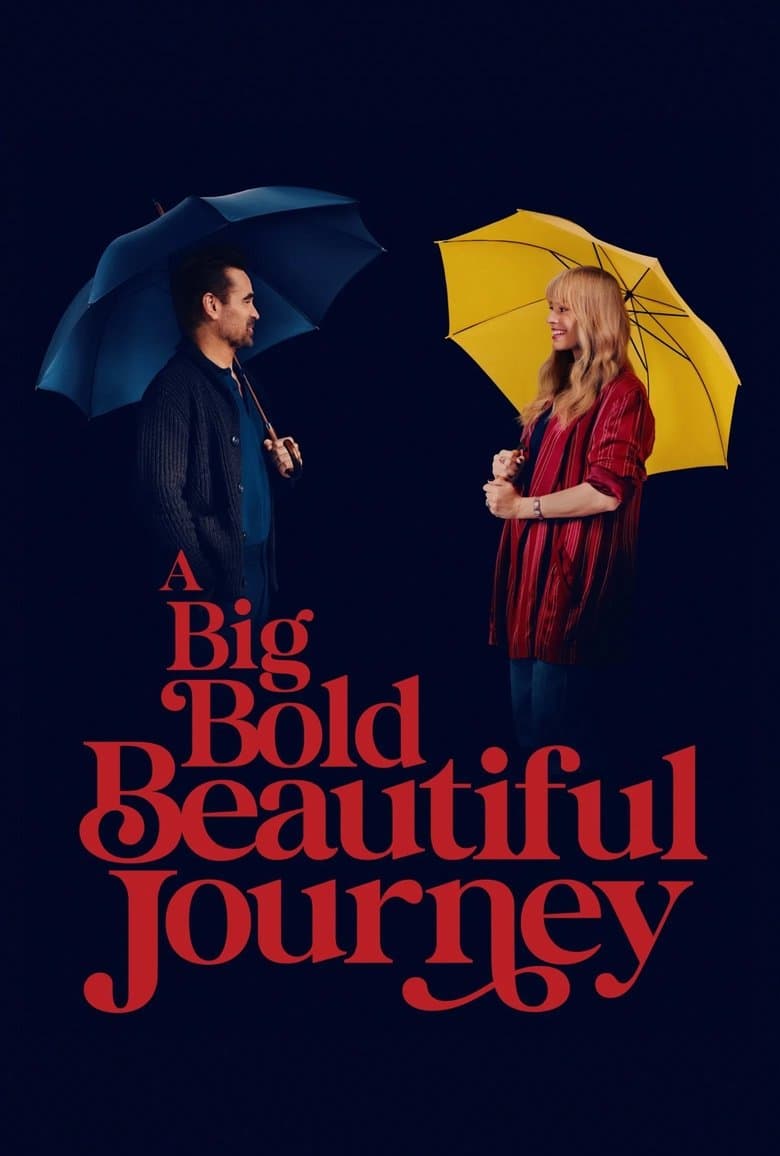
Movie · 2025
Sarah and David are single strangers who meet at a mutual friend’s wedding and soon, through a surprising twist of fate, find themselves on a funny, fantastical, sweeping…

Movie · 2025
Heather is a young woman traveling Europe with friends before starting her perfectly planned life. A chance meeting with Jack sparks an unexpected romance that leads to deep…
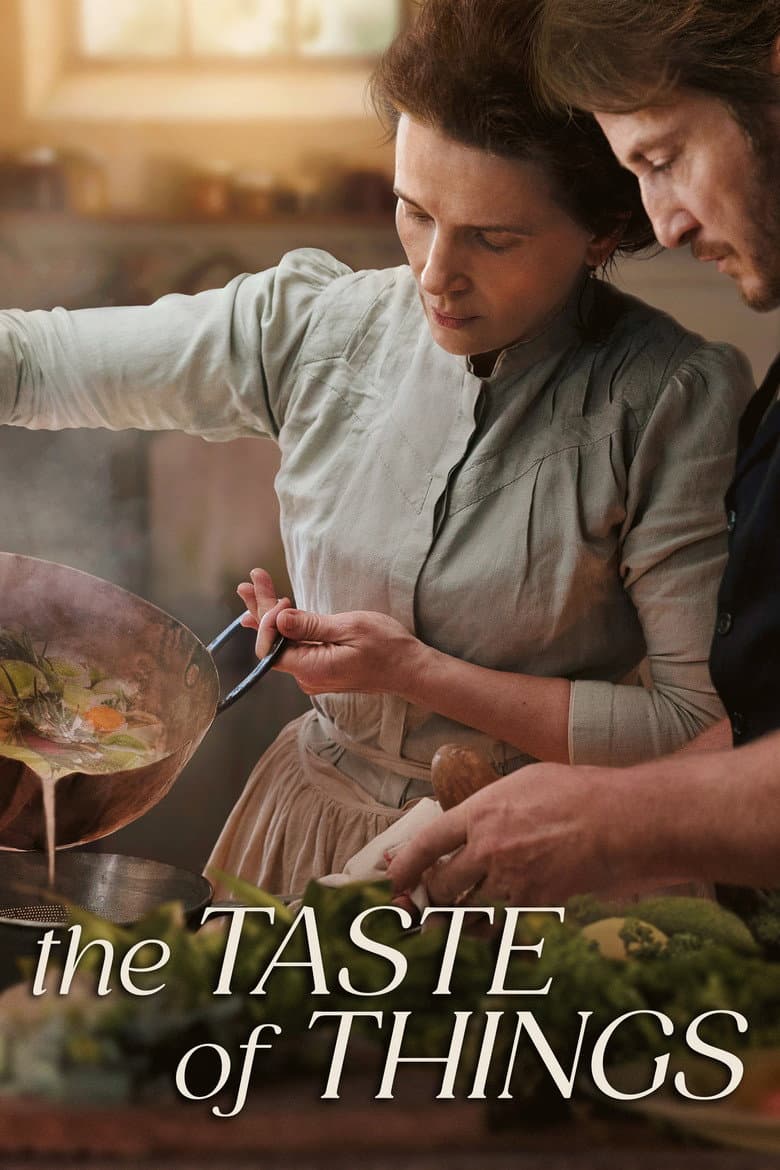
Movie · 2023
Set in 1889 France, Dodin Bouffant is a chef living with his personal cook and lover Eugénie. They share a long history of gastronomy and love but Eugénie refuses to marry Dodin…
