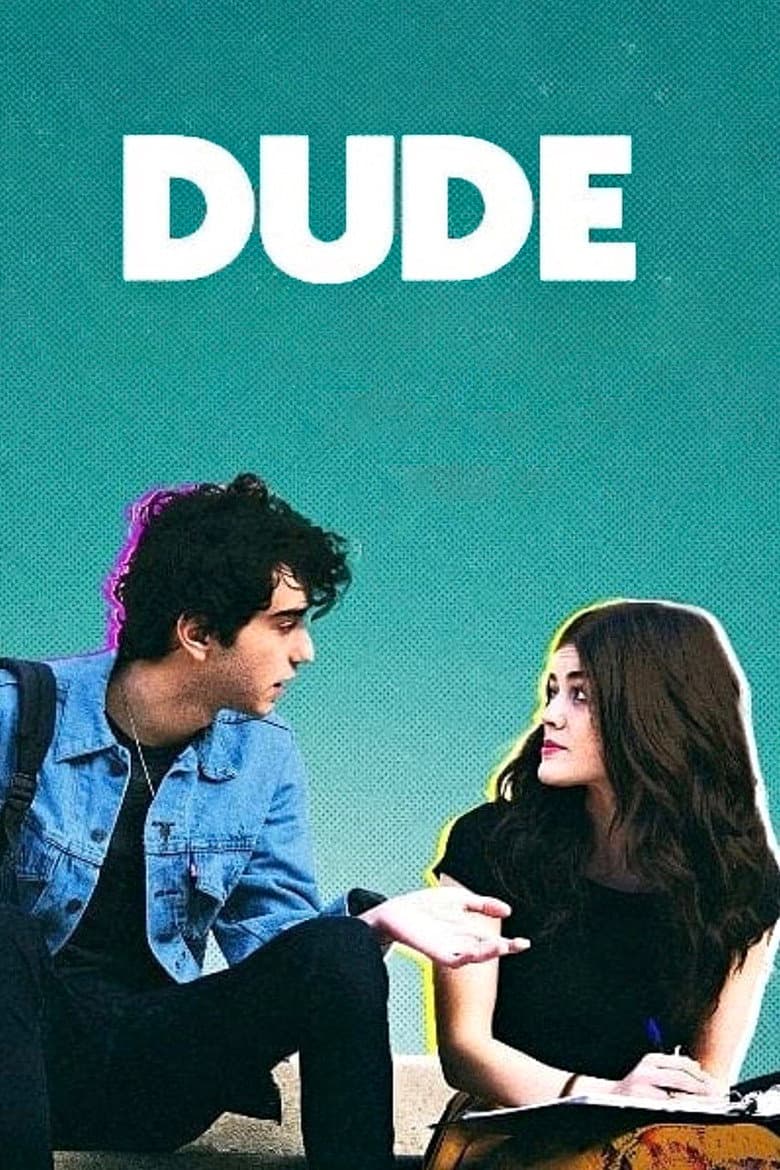
Dude follows Lily and her three best friends during the last two weeks of high school in Southern California. Lily tries to control every detail of senior life while Chloe mourns her brother Thomas, who died after junior prom. Amelia faces her parents’ divorce, and Rebecca worries about paying for college. The girls smoke weed, party, argue, and try to stay close as graduation pulls them toward separate lives. The tone shifts between raunchy jokes and heavy grief.
The film puts female friendship at the center and treats the girls’ crude jokes, sex lives, and weed use as things women can enjoy as openly as men. Lily is a high-achieving student leader, and the boys mostly appear as love interests, helpers, or comic figures. The story also touches on consent, sexual assault, student debt, and family conflict, but it does not turn those issues into a long political speech. Grief, guilt, growing up, and fear of change remain more important than any single social message.
Community feedback
Was our 51% Woke rating accurate?
Breakdown
These are the editorial factors and ratings behind our score for Dude.
Woke representation / casting
The movie gives all four central friends to young women and sells the premise as a female stoner comedy. The group includes white, Black, and Asian actresses, but that mix fits a modern Southern California school and the story does not make race a point. The main identity message comes from the all-female lead group and the way the film presents women doing a genre usually built around men.
34%
Woke political dialogue
The girls joke about “girl power” and object to the order of girls’ and boys’ soccer. The film also talks openly about periods, sex, sexual boundaries, and women choosing their own partners. These lines recur, but they sit inside jokes and party talk instead of forming a main political speech.
37%
Identity-driven story themes
The story centers on four girls who treat friendship, partying, sex, and personal choice as parts of a normal female life. Lily leads the school events and often controls the group, while boys mostly serve as love interests, helpers, or threats. The film presents women as able to be as crude, sexual, and reckless as men. Grief and the fear of leaving school still drive most of the plot, so the identity message is strong but not dominant.
46%
Western institutional / cultural critique
The film briefly complains about college costs and shows school and parents as pressures that fail to understand the girls. The story also places female sexual choice and consent inside the drama without asking the girls to follow traditional dating rules. These points do not build into a broad attack on capitalism, religion, or Western culture.
18%
Woke character or canon changes
Not relevant. The movie is an original story about four high school friends. It does not adapt a known character, franchise, historical person, or real event.
0%
Anti-woke backlash and complaints
A small Reddit discussion framed the movie as a feminist Netflix film and called it “woke garbage.” Commenters objected to female-power branding, alleged misandry, and social-justice-style dialogue, though some had only watched the preview or part of the movie. The supplied X pass found no anti-woke reaction, and no broad boycott or major news controversy was found.
18%
Creator track record context
Olivia Milch has publicly stressed feminist views, all-female groups, and women doing a genre long treated as male. Heather Rae has a strong stored record of projects about underrepresented voices and social-justice themes. Most other stored crew profiles show little activist history, so the creator signal is meaningful but mixed.
44%
Production
Movie · 2023
From his onstage tackle to the slap heard round the world, Dave Chappelle lets loose in this freewheeling and unfiltered stand-up comedy special.
Movie · 2024
Inseparable best friends AJ and Moose decide to run the local pool's snack shack after their plan to sell home-brewed beer goes down the drain.

Movie · 2018
Adam Sandler takes his comical musical musings back out on the road, from comedy clubs to concert halls to one very unsuspecting subway station.
Movie · 2023
A chaotic intervention. An action-packed stay in rehab. After a weird couple of years, John Mulaney comes out swinging in his return to the stage.
Movie · 2016
A comedy that follows a group of friends as they navigate their way through the freedoms and responsibilities of unsupervised adulthood.

Movie · 2024
Emotions run high when three estranged sisters reunite in a cramped New York City apartment to watch over their ailing father during his final days.
Movie · 2016
Two teenage boys from inner-city Cork steal bicycles and ride off on a 160km quest to find an unrecovered bale of cocaine worth 7,000,000 euros.
Movie · 2018
Vignettes weaving together the stories of six individuals in the old West at the end of the Civil War. Following the tales of a sharp-shooting songster, a wannabe bank robber, two…
