
Violet is a widowed Chicago therapist and single mother healing from an abusive marriage. She goes on her first date in years with photographer Henry at an upscale high-rise restaurant. Anonymous threatening "Digi-Drops" start arriving on her phone from someone nearby. The sender threatens to kill her young son and sister at home unless she obeys dangerous orders. It turns into a tense whodunit thriller about survival, trust, and protecting her family.
The movie focuses on Violet's personal fight to keep her loved ones safe during one terrifying night. Her past abuse comes up in one honest talk with Henry and shapes how she handles the crisis, shown as individual strength and resilience rather than a broad message. The villain runs a standard crime and corruption scheme tied to a mayor. A supporting server role played by openly gay actor Jeffery Self stands out with flamboyant energy, and one review notes some background extras and small details with queer flair. These stay secondary in a story built around a straight couple's date and a mother's survival. Viewers mainly see a fast, contained tech-suspense thriller with normal modern-city casting. No activist lectures, no identity politics driving the plot, and no emphasis on representation as a theme.
Community feedback
Was our 24% Woke rating accurate?
Breakdown
These are the editorial factors and ratings behind our score for Drop.
Woke representation / casting
Main leads fit the story without emphasis on identity. Supporting cast includes a black actress as the bartender and openly gay actor Jeffery Self as a memorable flamboyant server who draws attention. A modern urban restaurant setting makes some mix natural. One review highlights visible queer elements in casting and background performers. Marketing does not push it.
28%
Woke political dialogue
No activist, DEI, or identity-focused dialogue. Scenes stay on the date chemistry, threats, personal trauma sharing, and survival choices.
5%
Identity-driven story themes
Core story is a mother's personal battle against blackmail and a home threat, plus individual recovery from abuse framed as resilience. Minor queer visibility appears through supporting casting and performance. No central identity politics, social justice arcs, or group-based messaging shape the narrative.
22%
Western institutional / cultural critique
The villain links to a corrupt mayor's embezzlement and hitman plot, handled as ordinary thriller crime. Domestic abuse is treated as personal trauma and strength, not systemic patriarchy, toxic masculinity, or cultural indictment. No activist reframing of Western norms or institutions.
8%
Woke character or canon changes
Not relevant. This is an original screenplay with no established characters, source material, or historical figures changed for ideological or identity reasons.
0%
Anti-woke backlash and complaints
No meaningful anti-woke or right-leaning complaints about woke messaging, DEI, or identity politics appear in coverage or public reaction. Discussion stays on thriller entertainment value.
0%
Creator track record context
Key creatives have low cached woke scores and long records in commercial genre films. Interviews stress suspense, character chemistry, real-life premise inspiration, and personal handling of trauma as resilience. No activist patterns or statements tied to this title.
13%
Production

Movie · 2017
A private investigator helps a former flame solve the murder of her wealthy grandfather, who lived in a sprawling estate surrounded by his idiosyncratic family.
Movie · 2018
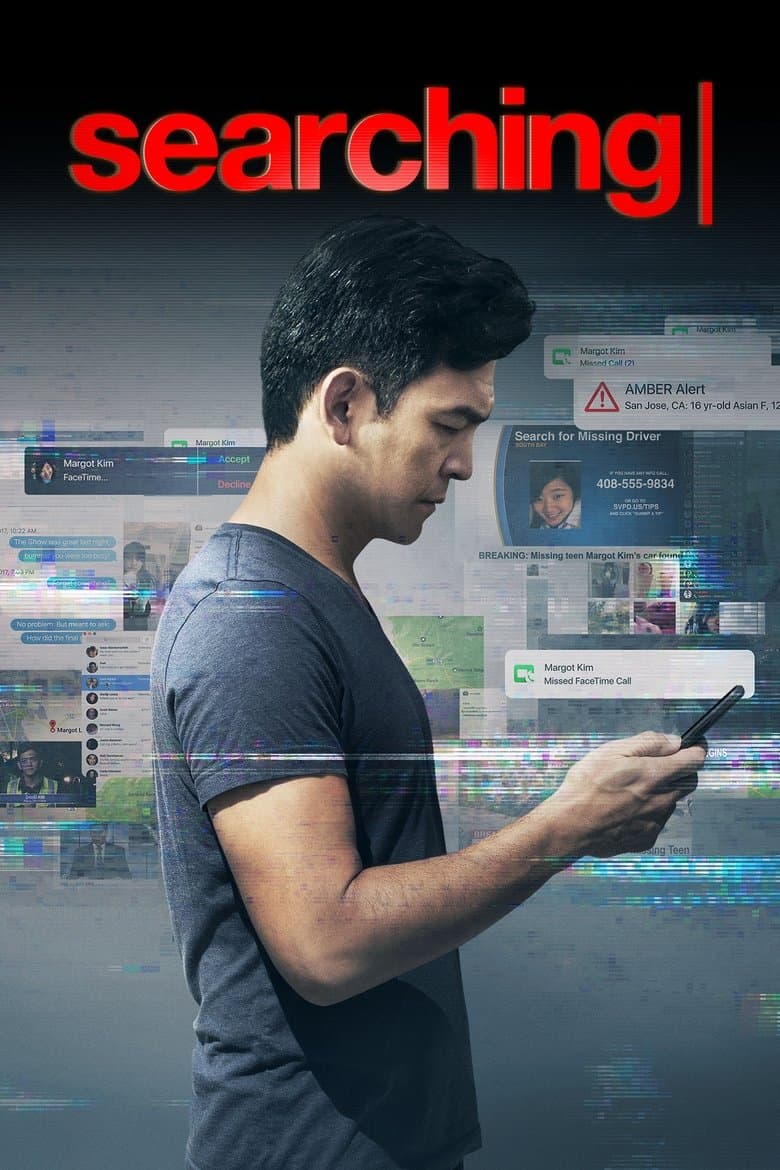
After David Kim's 16-year-old daughter goes missing, a local investigation is opened and a detective is assigned to the case.
Movie · 2018
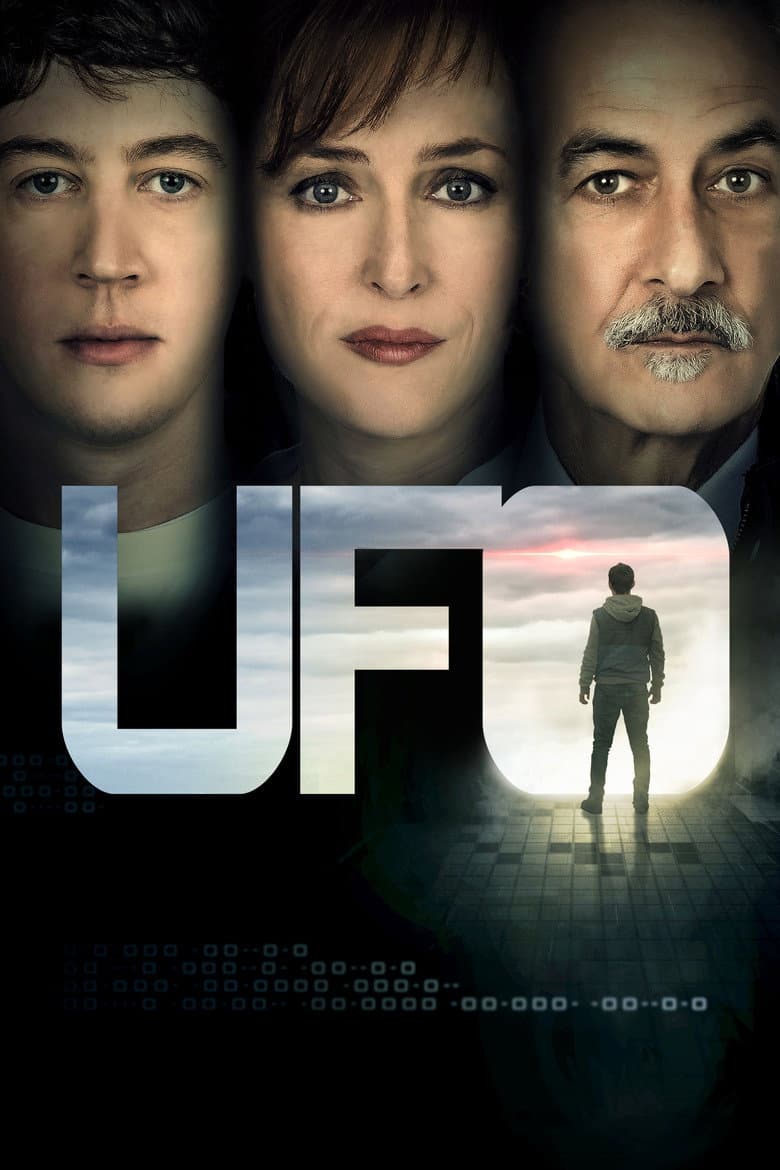
A college student, who sees a UFO, uses his exceptional math skills to investigate the sighting with his friends while the FBI follows closely behind.

Movie · 2017
Susan, a single mother of two, works as a waitress in a small town. Her son, Henry, is an 11-year-old genius who not only manages the family finances but acts as emotional support…
Movie · 2020
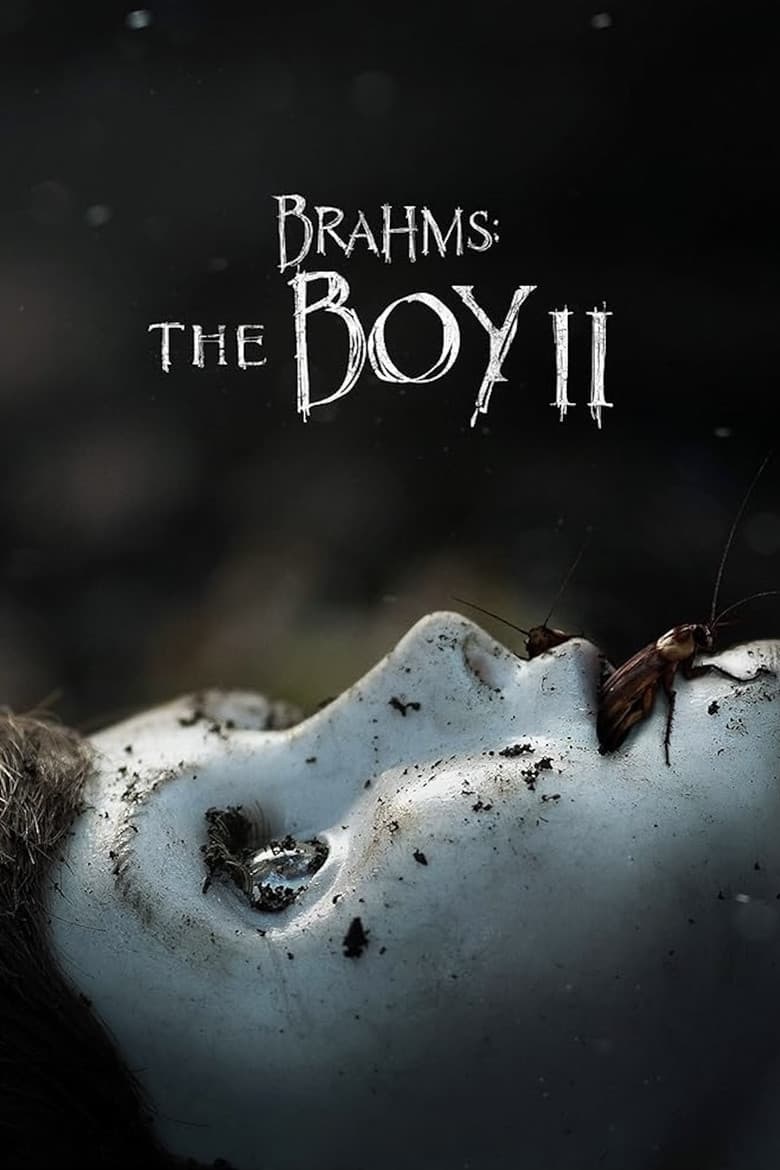
After a family moves into the Heelshire Mansion, their young son soon makes friends with a life-like doll called Brahms.

Movie · 2026
In an attempt to avenge her daughter’s death, Irene Kelly travels through parallel universes, killing her daughter’s murderer again and again.

Movie · 2019
When a 12-year-old boy goes missing at a local park, a detective investigates the case to help the boy's family find answers.
Movie · 2023
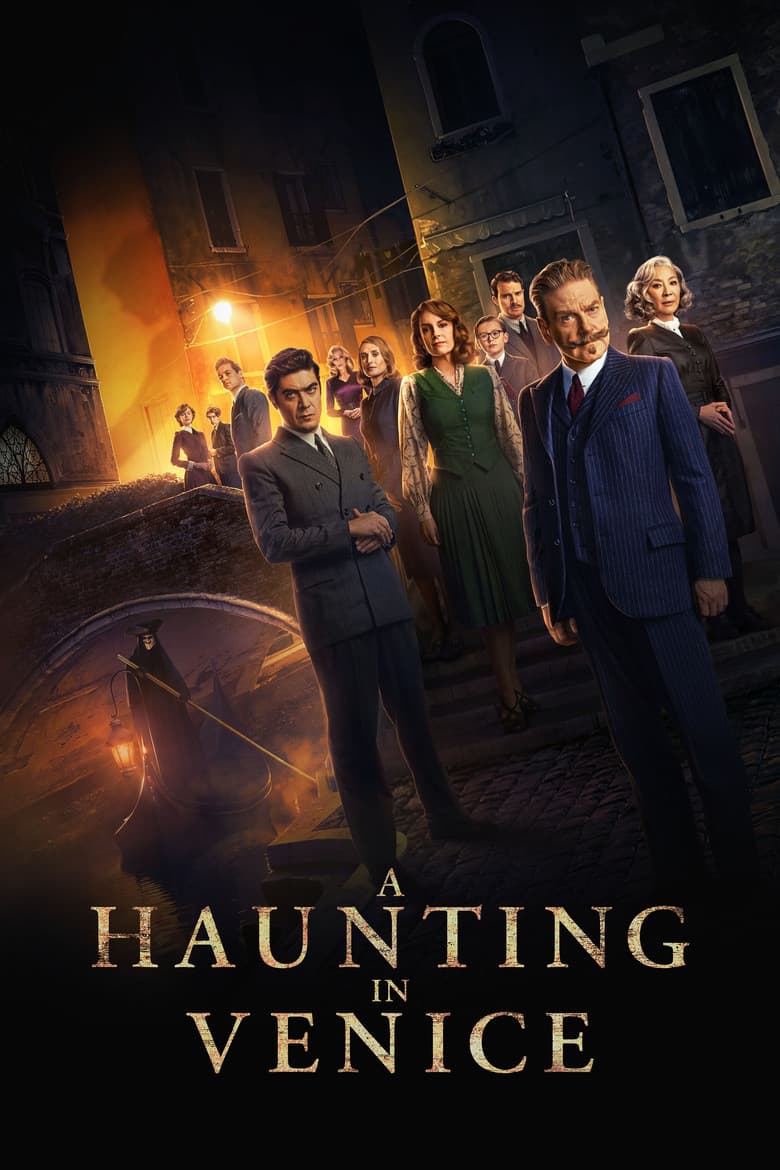
Celebrated sleuth Hercule Poirot, now retired and living in self-imposed exile in Venice, reluctantly attends a Halloween séance at a decaying, haunted palazzo.
