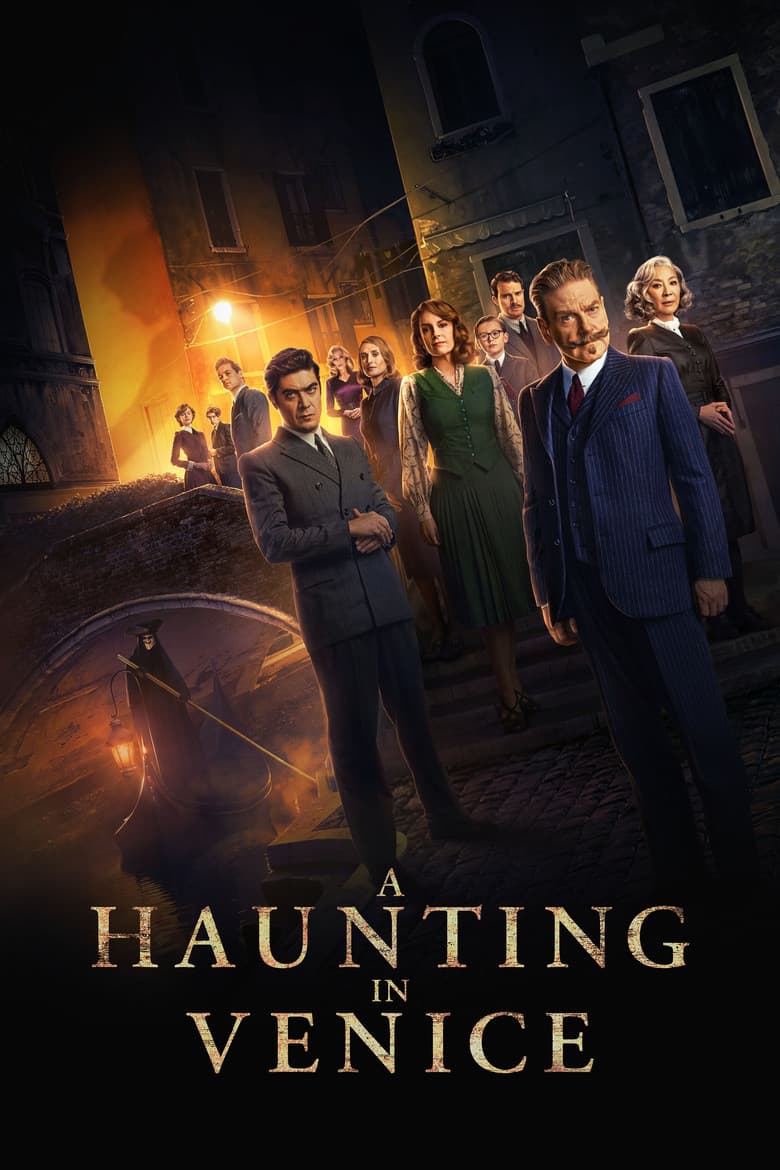
Hercule Poirot has retired from detective work and tries to live quietly in postwar Venice. His friend Ariadne Oliver pulls him into a Halloween séance at a decaying palazzo, where a guest is killed. Poirot locks the visitors inside and searches for a human killer while strange voices and visions make him question his own mind. The film mixes a locked-room mystery with ghost story scares, grief, war wounds, and a dark but sometimes playful mood.
The film gives a major role to Michelle Yeoh as Joyce Reynolds, a famous medium, and it gives the two Romani refugee assistants a clear place in the group. These choices are visible, but the story does not present them as a lesson about race, gender, or social justice. The main conflict comes from a mother who cannot accept her daughter’s death, a doctor damaged by war, and Poirot’s struggle between reason and faith. The mystery treats ghosts as a possible danger while it also shows how guilt, poison, fear, and grief can make people see things that are not there.
Community feedback
Was our 17% Woke rating accurate?
Breakdown
These are the editorial factors and ratings behind our score for A Haunting in Venice.
Woke representation / casting
Michelle Yeoh plays Joyce Reynolds, a major medium in a mostly European 1947 setting. The film also gives two Romani refugee assistants visible roles. The story does not frame these choices as a race or gender statement, so the casting signal remains small.
16%
Woke political dialogue
Poirot tells Maxime that he ended his relationship because a woman made him feel small. The line gives the scene a brief modern-sounding comment about male pride and gender conflict. The film does not repeat that point or turn it into a speech about patriarchy or current politics.
10%
Identity-driven story themes
Not present in this title.
0%
Western institutional / cultural critique
Not present in this title.
0%
Woke character or canon changes
Not present in this title.
0%
Anti-woke backlash and complaints
One anonymous, zero-engagement post placed the film in a list of “woke flops” without naming a film-specific issue. Small right-leaning accounts more often praised it as a break from woke Hollywood, and Worth it or Woke marked it as craft-first entertainment. No sustained boycott, review-bombing, or campaign about race, gender, DEI, or LGBT content was found.
8%
Creator track record context
Michael Green has treated diversity as important to storytelling and has used more inclusive casting in period scripts. Lucy Bevan has supported more on-screen diversity, disability representation, and gender balance. Kenneth Branagh’s public record is mainly classical and personal work, with only mild support for tolerance and pluralism. The film does not connect these background signals to a strong activist message.
23%
Production
Movie · 2017
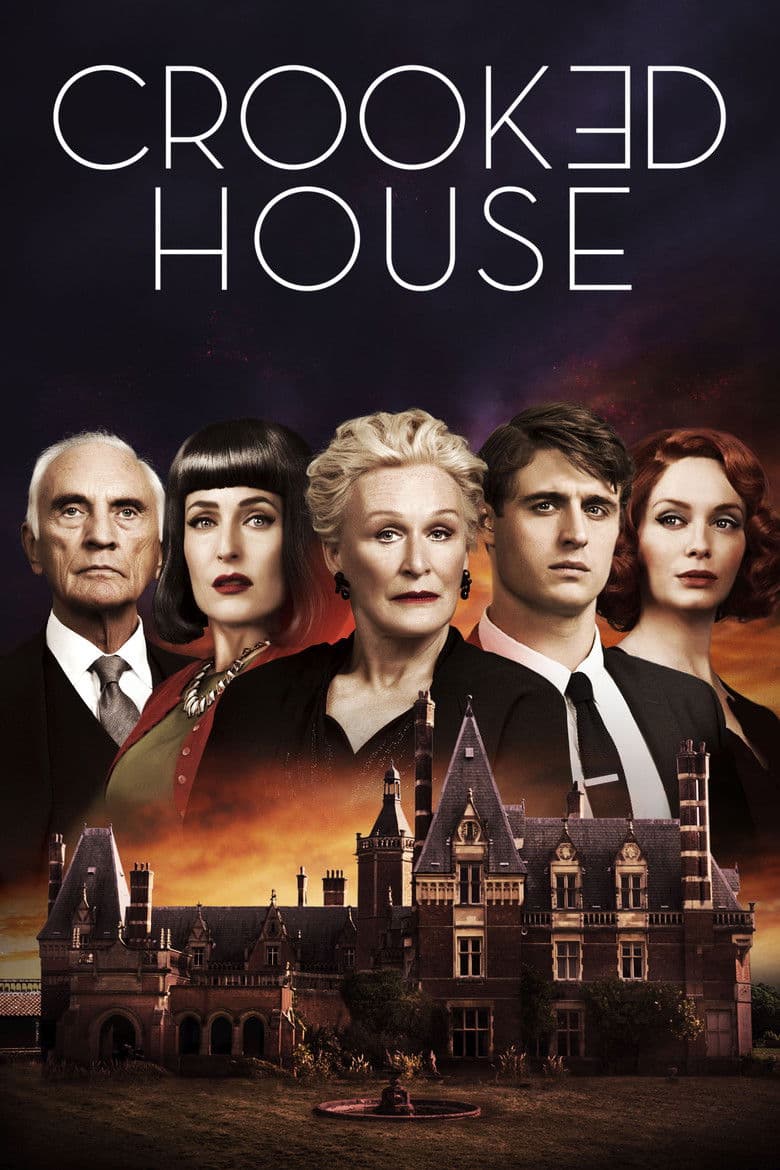
A private investigator helps a former flame solve the murder of her wealthy grandfather, who lived in a sprawling estate surrounded by his idiosyncratic family.
Movie · 2023
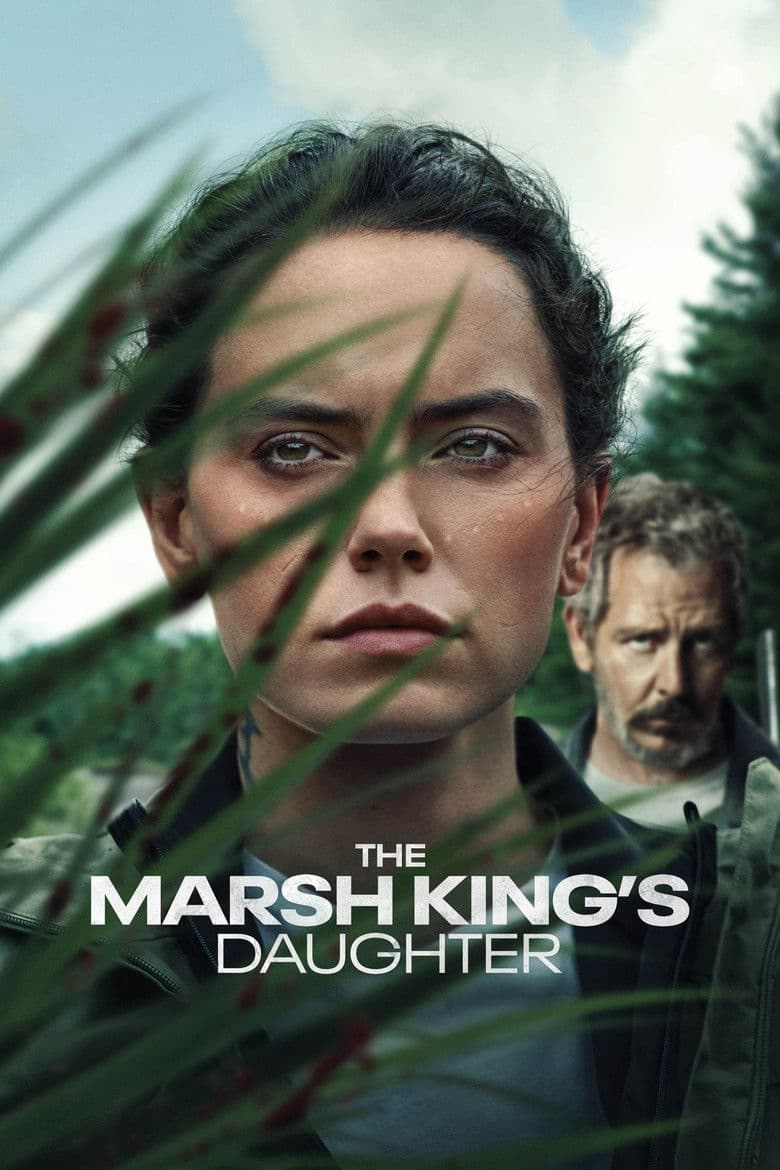
Helena, a woman living a seemingly ordinary life, hides a dark secret—her father is the infamous 'Marsh King', the man who kept her and her mother captive in the wilderness for…
Movie · 2018
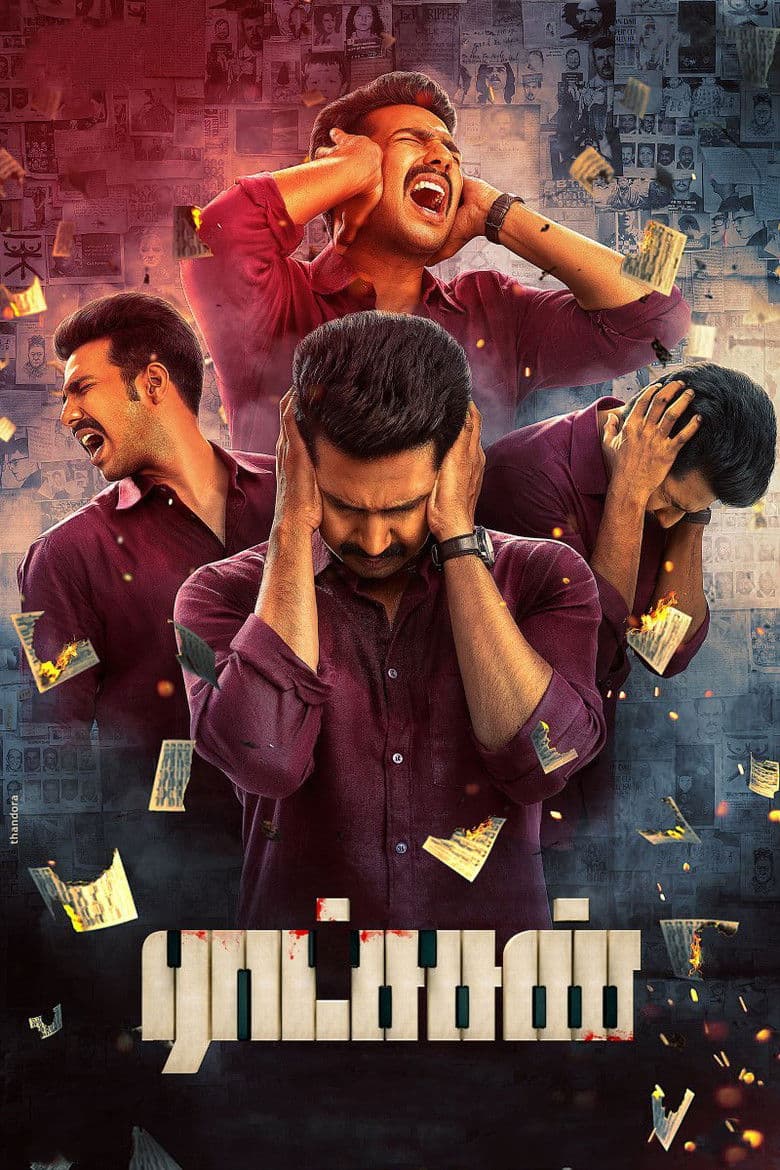
A serial killer is murdering school girls, and a newbie cop has to track him down before the victim count increases.
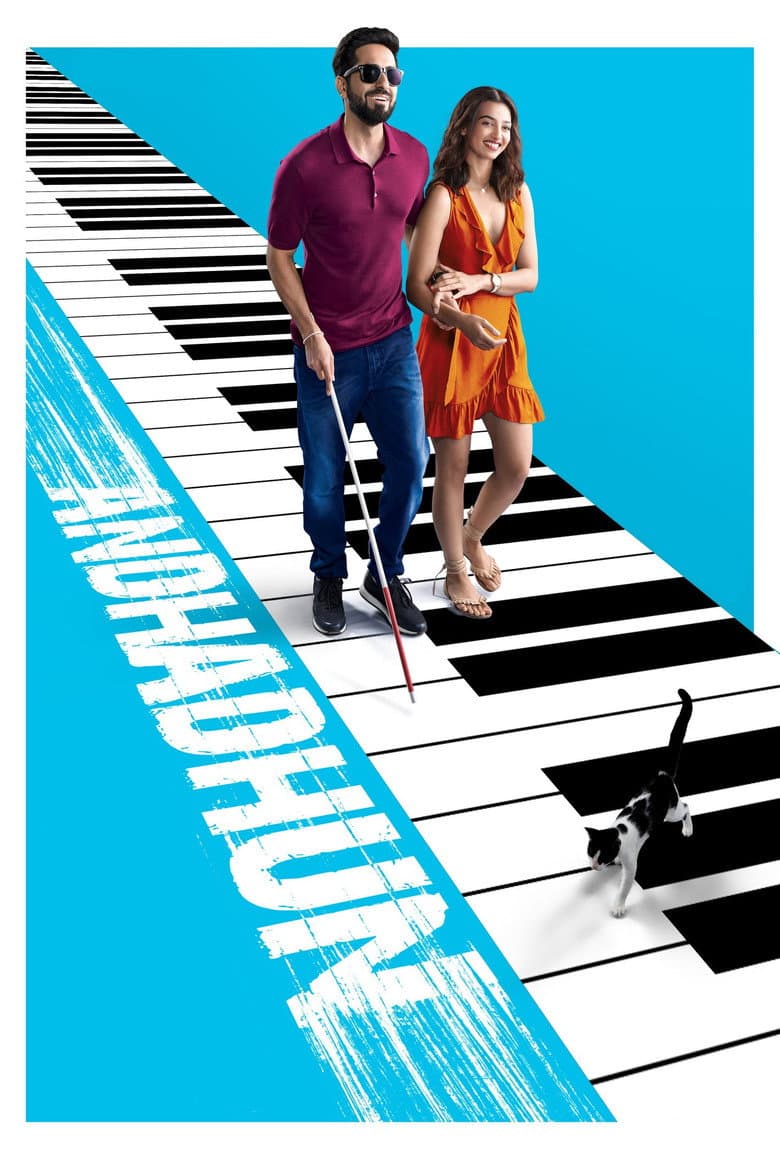
Movie · 2018
A series of mysterious events changes the life of a blind pianist who now must report a crime that was actually never witnessed by him.
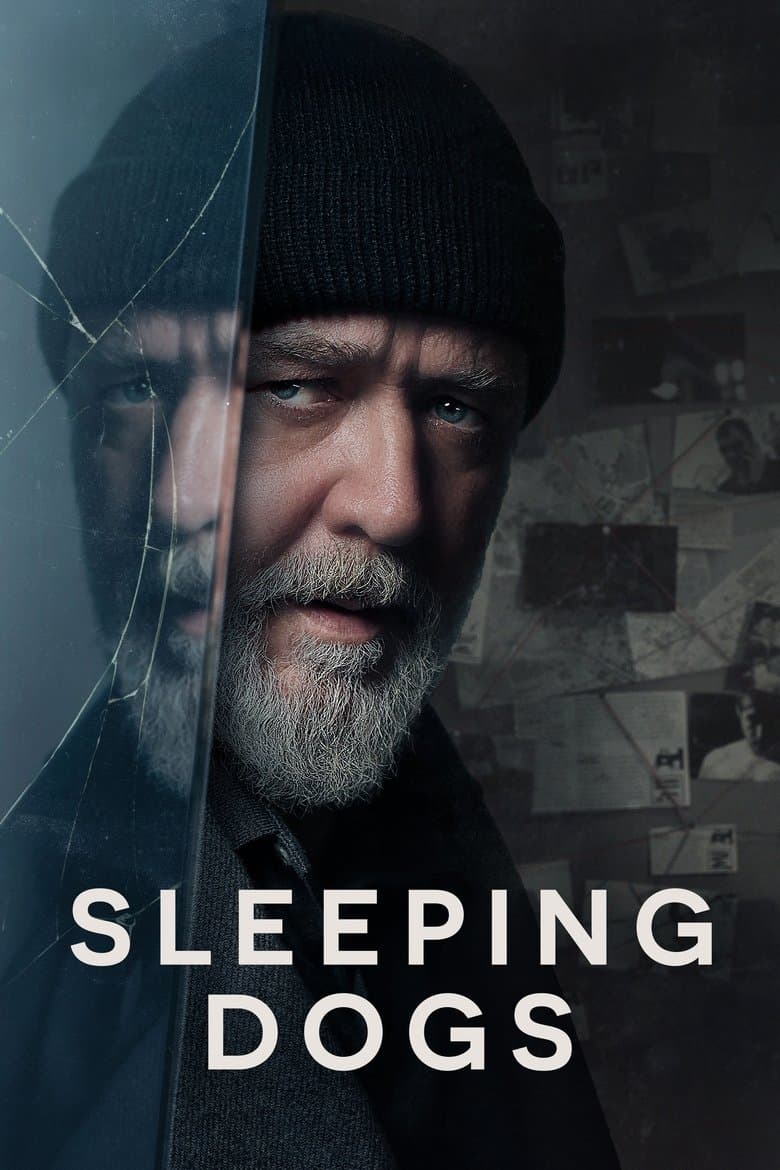
Movie · 2024
Roy Freeman, an ex-homicide detective with a fractured memory, is forced to revisit a case he can't remember.
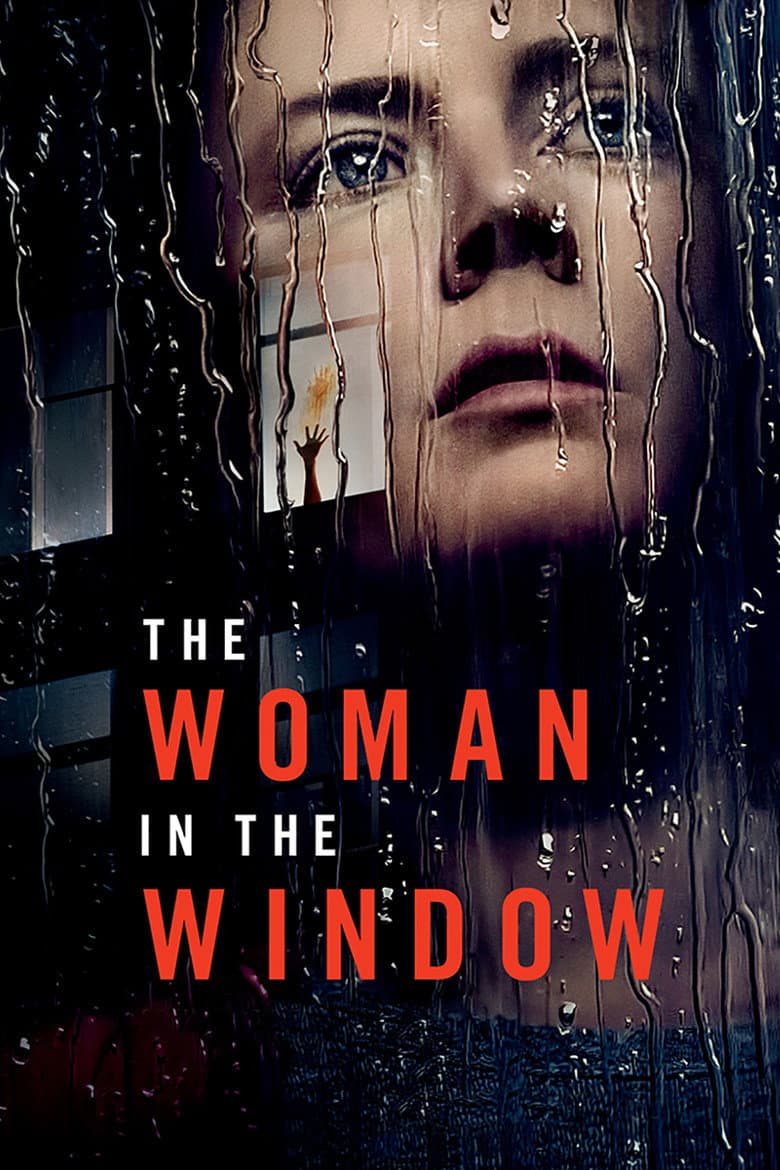
Movie · 2021
An agoraphobic woman living alone in New York begins spying on her new neighbors only to witness a disturbing act of violence.
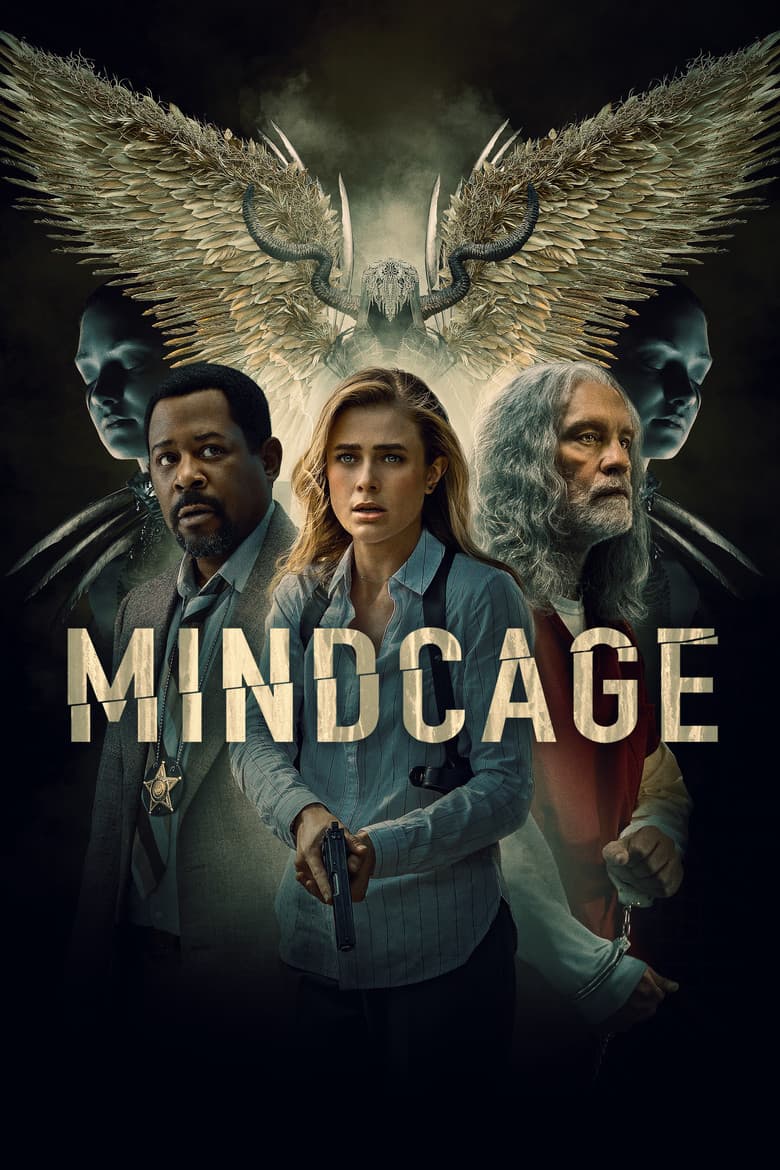
Movie · 2022
Detectives Jake Doyle and Mary Kelly seek the help of an incarcerated serial killer named The Artist when a copycat killer strikes.
Movie · 2016
In the town of Cutter, most people keep to themselves. But when John comes home to find his girlfriend missing, he sneaks into his neighbor's house, finding his girlfriend and…
