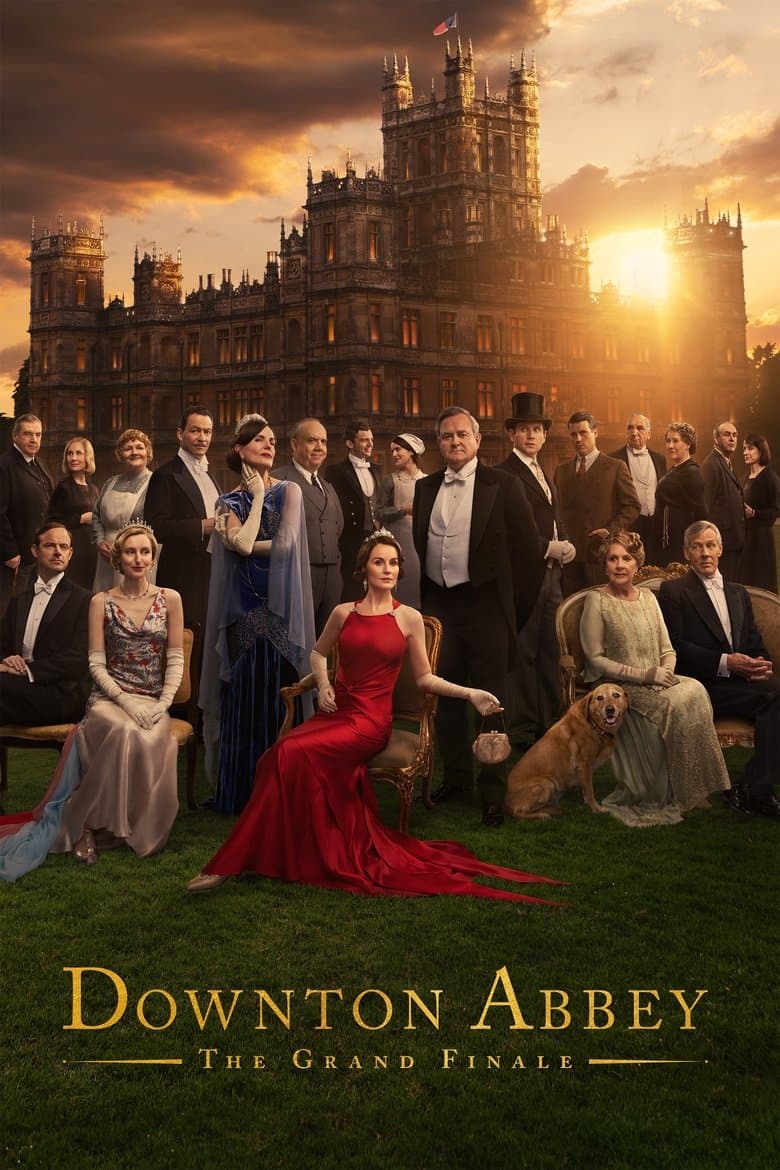
Lady Mary Crawley stands at the center of this final visit to Downton Abbey. In 1930, her divorce makes her a target for gossip and shuts her out of upper-class events. Her family also faces lost money, retirement, and the question of who will run the Yorkshire estate. The film has a warm, sad, and hopeful tone as old customs give way to a new family generation.
The film gives its strongest social message to Mary’s fight against the unfair shame placed on divorced women. Mary, Edith, Daisy, and Isobel take charge of the estate, the kitchen, and a local committee, while men who defend old class and gender rules lose ground. Thomas Barrow and Guy Dexter live as a gay couple, and the family slowly accepts Thomas as an equal guest. These changes matter throughout the film, but the story still centers on family loyalty, money, work, love, and keeping Downton alive.
Community feedback
Was our 47% Woke rating accurate?
Breakdown
These are the editorial factors and ratings behind our score for Downton Abbey: The Grand Finale.
Woke representation / casting
The film gives visible supporting roles to gay Thomas Barrow, Guy Dexter, and Noël Coward. It also places Mary, Edith, Daisy, and Isobel in prominent leadership roles. These choices create a noticeable but limited identity and female-leadership pattern, although the established characters fit the period and the main cast remains white. The film does not present an engineered racial mix.
18%
Woke political dialogue
The film includes direct talk about divorced women being shunned and about sexist and class-based rules. Isobel brings Daisy and Carson onto a local committee, and Daisy challenges old views. These points return through Mary’s scandal and the village story, but they do not become a broad political debate.
28%
Identity-driven story themes
Mary’s divorce makes the main story about a woman punished by high society for leaving a marriage. The film supports Mary as she becomes head of Downton and shows Edith, Daisy, and Isobel using power to change old rules. Thomas and Guy live as a gay couple, and the family treats their relationship with growing acceptance. These themes recur across the film, but they share space with family, money, work, and nostalgia.
50%
Western institutional / cultural critique
The film repeatedly presents high society as unfair when it rejects Mary for divorce. It lets women and servants gain more say in the estate, kitchen, and local committee. It also shows old class and gender rules losing power. Family, duty, work, and the estate remain positive values, so the critique is limited and tied to the 1930 setting.
38%
Woke character or canon changes
Not relevant. The film does not make an identity-driven change to an established character or historical figure. Mary’s divorce and Thomas’s relationship are plot developments within the existing story.
0%
Anti-woke backlash and complaints
Small social media accounts called the film or its age theme woke, and a right-leaning culture magazine described the franchise as having woke inclusivity. One fan feared the film would go too woke but later said it did not. The available reaction shows no boycott, review-bombing drive, or sustained anti-woke campaign. The backlash evidence is fringe and limited.
12%
Creator track record context
The key creators are linked more with period drama and traditional institutions than with activism. Julian Fellowes has a low public woke score and a socially traditional record. Simon Curtis, the producers, and the casting director have no clear public pattern of DEI or identity campaigning. This context supports a low score even though the film uses some modern social themes.
16%
Production
Movie · 2019
The beloved Crawleys and their intrepid staff prepare for the most important moment of their lives. A royal visit from the King and Queen of England will unleash scandal, romance…
Movie · 2019
A family dog – with a near-human soul and a philosopher's mind – evaluates his life through the lessons learned by his human owner, a race-car driver.

Movie · 2023
Mia and Kyle, two misfit American teens, travel to Spain in search of Mia's birth mother. As the pair road trip through the picturesque cities of Andalusia and fall in love, they…
Movie · 2022
The summer before college, Auden meets the mysterious Eli, a fellow insomniac. While the seaside town of Colby sleeps, the two embark on nightly quests to help Auden experience…

Movie · 2018
Years after leaving his fiancée at the altar to pursue fame and fortune, country music star Liam Page returns home hoping to win her back.

Movie · 2021
Finley, a talented aspiring violinist, meets Beckett, a famous young movie star, on the way to her college semester abroad program in a small coastal village in Ireland.

Movie · 2020
The true-life story of Christian music star Jeremy Camp and his journey of love and loss that looks to prove there is always hope.
Movie · 2018
Dan, a 21-year-old carefree boy is always surrounded by a bunch of friends and fellow hotel interns who feed off each other's everyday moments, their ups and downs.
