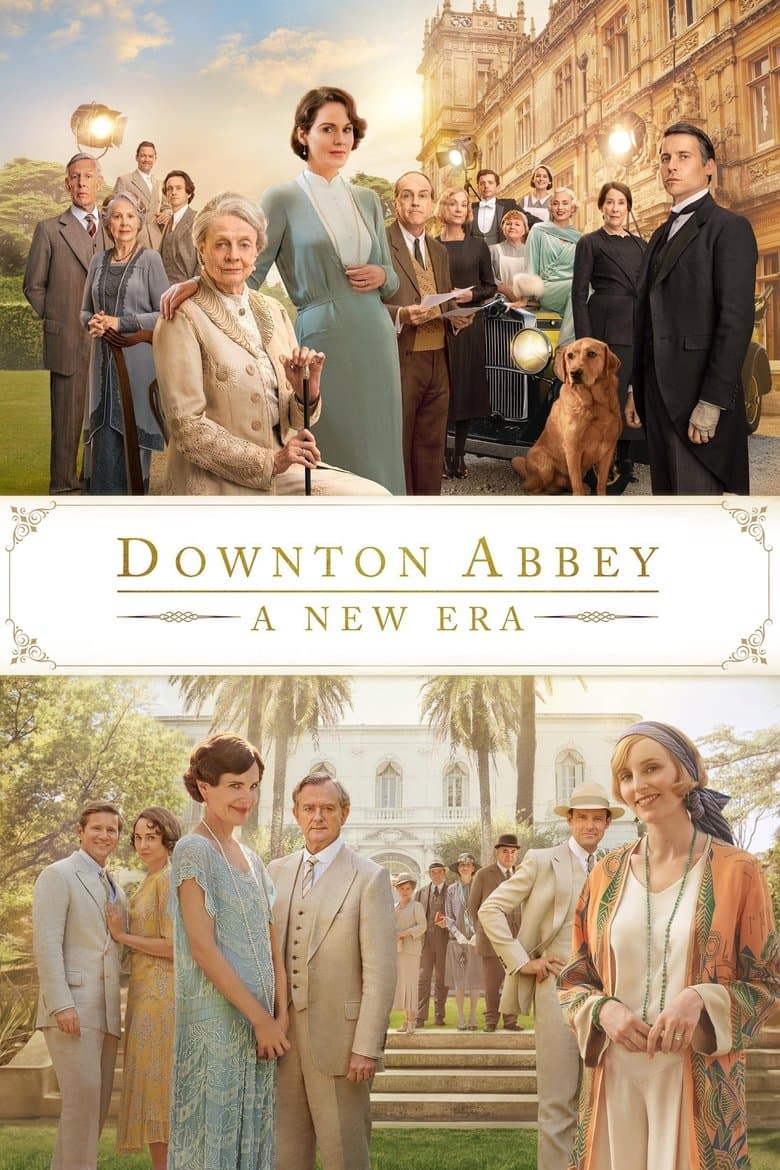
In 1928, the Crawley family still lives at their grand English house, Downton Abbey. The old countess Violet learns she has been left a villa in the south of France, and part of the family travels there to learn why. At home, Lady Mary lets a Hollywood film crew shoot a movie at Downton so they can pay for a new roof. The story mixes light mystery, romance, family worry, and the push of a changing modern world.
The main woke element viewers will notice is the gay storyline for butler Thomas Barrow. A movie star, Guy Dexter, shows he is also gay, flirts with Thomas, and offers him a life in Hollywood as his helper and partner. Thomas accepts and leaves Downton for a happier future. Reviews and LGBTQ media treated this as a clear “happy ending” for the show’s main gay character. Side notes include capable women: Mary runs the estate and film visit, and Edith wants to keep working on her magazine. These sit inside a soft period drama about love, money, and change, not as loud modern lectures. Race-swap casting and big activist speeches are not the focus.
Community feedback
Was our 42% Woke rating accurate?
Breakdown
These are the editorial factors and ratings behind our score for Downton Abbey: A New Era.
Woke representation / casting
The main cast stays period-fitting British aristocracy and staff, without race-swap or quota-style diversity in lead roles. The clear identity casting note is queer: returning gay butler Thomas and new star Guy Dexter as a same-sex pairing that the story treats as a real romance option. That is visible identity casting, not a broad DEI ensemble redesign.
28%
Woke political dialogue
Talk is mild, not slogan-heavy. Mrs Carson supports Thomas after heartbreak; Guy hints he lives more openly and invites Thomas into a freer setup. Mary and Edith speak about work, duty, and choice in soft 1920s terms. Viewers hear acceptance of Thomas’s sexuality more than modern activist speeches.
30%
Identity-driven story themes
Thomas’s gay arc is a full subplot with a clear happy ending: he leaves Downton to live with Guy Dexter as companion/partner. LGBTQ press treated this as the film’s big queer payoff. It is not the whole movie (villa mystery and Hollywood shoot lead), but it is easy to notice and is framed as hope and living more honestly. Milder strands: Mary running the house and Edith wanting magazine work.
52%
Western institutional / cultural critique
The film shows change (talkies, film money, estates under pressure) but stays warm toward the Crawleys and British manor life. It does not push modern attacks on “whiteness,” colonial guilt, or the West as a system. Mary even rejects an affair as too “old-fashioned.”
0%
Woke character or canon changes
Not relevant. Thomas was written as gay from early TV seasons; this film continues his arc rather than turning a straight or race-swapped legacy figure into a diversity rewrite.
0%
Anti-woke backlash and complaints
Almost no public “this is too woke/DEI” campaign. Thin faith-based notes (for example Plugged In) flag the gay happy ending; that is light content concern, not wide right-leaning backlash.
5%
Creator track record context
Key creatives’ cached scores are low. Fellowes is the main voice and scores modestly as a Conservative heritage writer, not an identity-activist filmmaker; directors and producers show little public DEI or social-justice campaign pattern.
14%
Production
Movie · 2019
The beloved Crawleys and their intrepid staff prepare for the most important moment of their lives. A royal visit from the King and Queen of England will unleash scandal, romance…
Movie · 2019
A family dog – with a near-human soul and a philosopher's mind – evaluates his life through the lessons learned by his human owner, a race-car driver.
Movie · 2020
The true-life story of Christian music star Jeremy Camp and his journey of love and loss that looks to prove there is always hope.
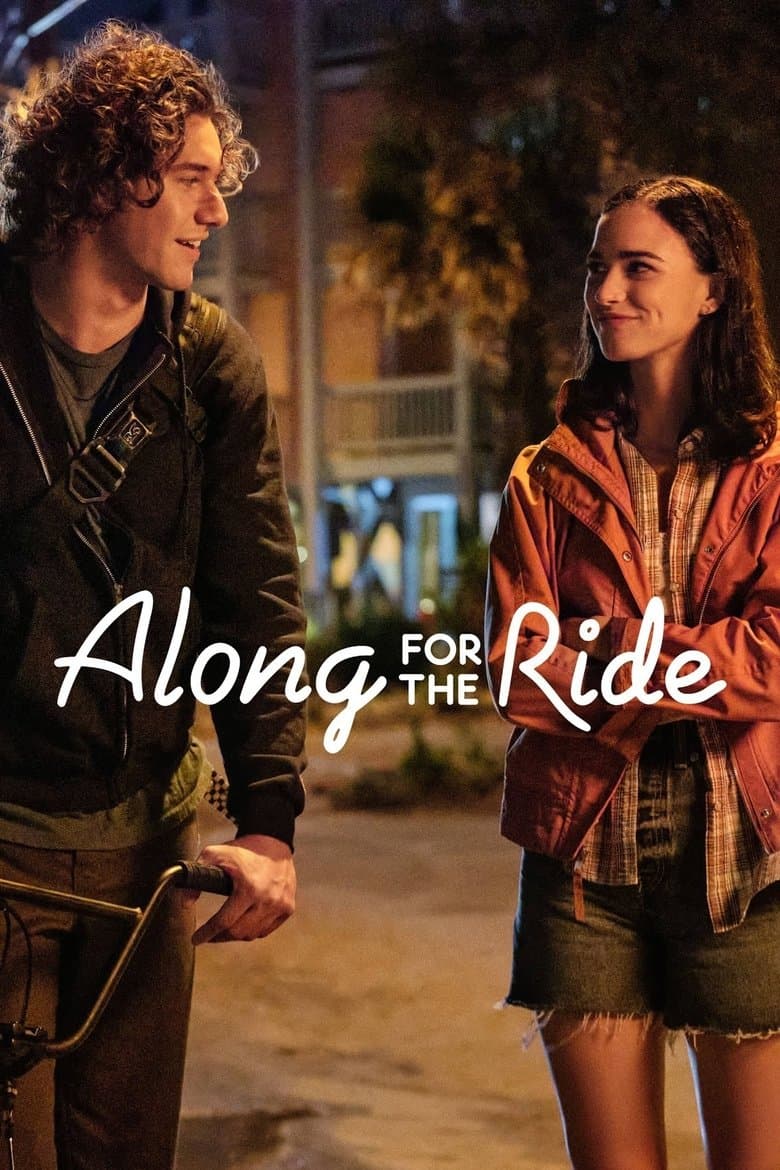
Movie · 2022
The summer before college, Auden meets the mysterious Eli, a fellow insomniac. While the seaside town of Colby sleeps, the two embark on nightly quests to help Auden experience…
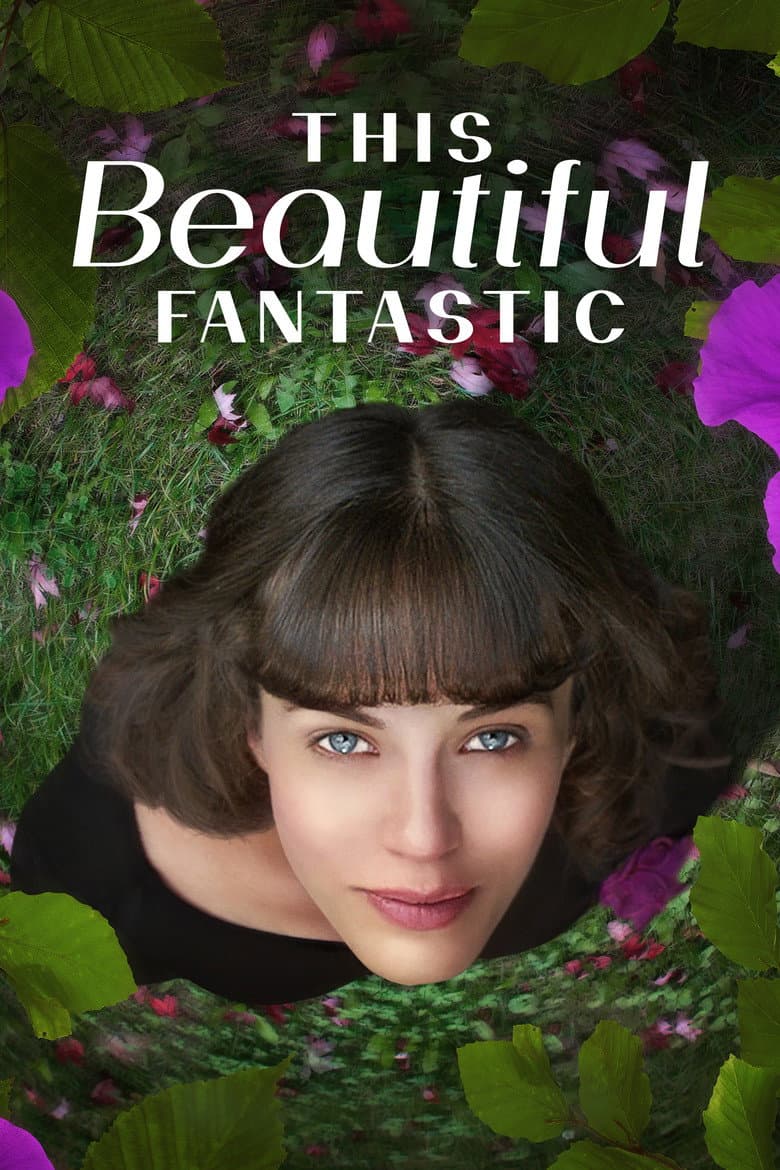
Movie · 2016
Set against the backdrop of a beautiful garden in the heart of London, this contemporary fairy tale revolves around the unlikely friendship between a reclusive young woman and a…
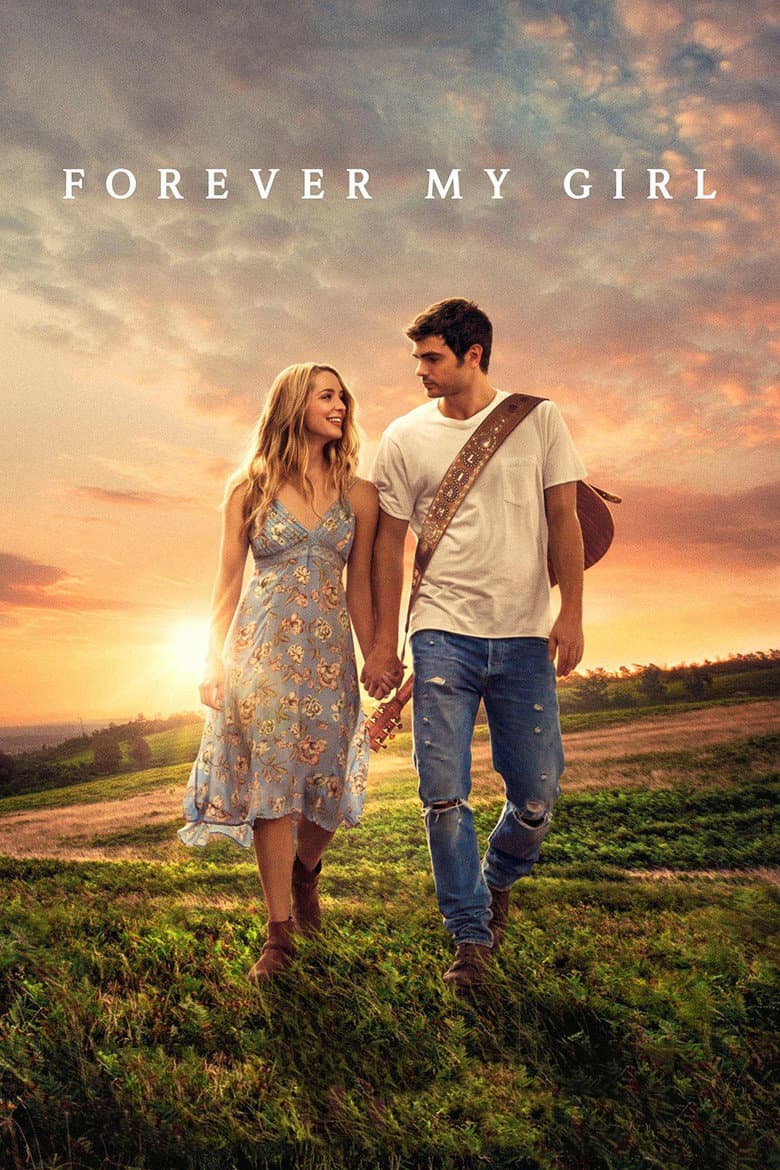
Movie · 2018
Years after leaving his fiancée at the altar to pursue fame and fortune, country music star Liam Page returns home hoping to win her back.

Movie · 2018
An astronomer becomes obsessed with searching the cosmos for signs of life beyond Earth which leads to a shocking discovery.
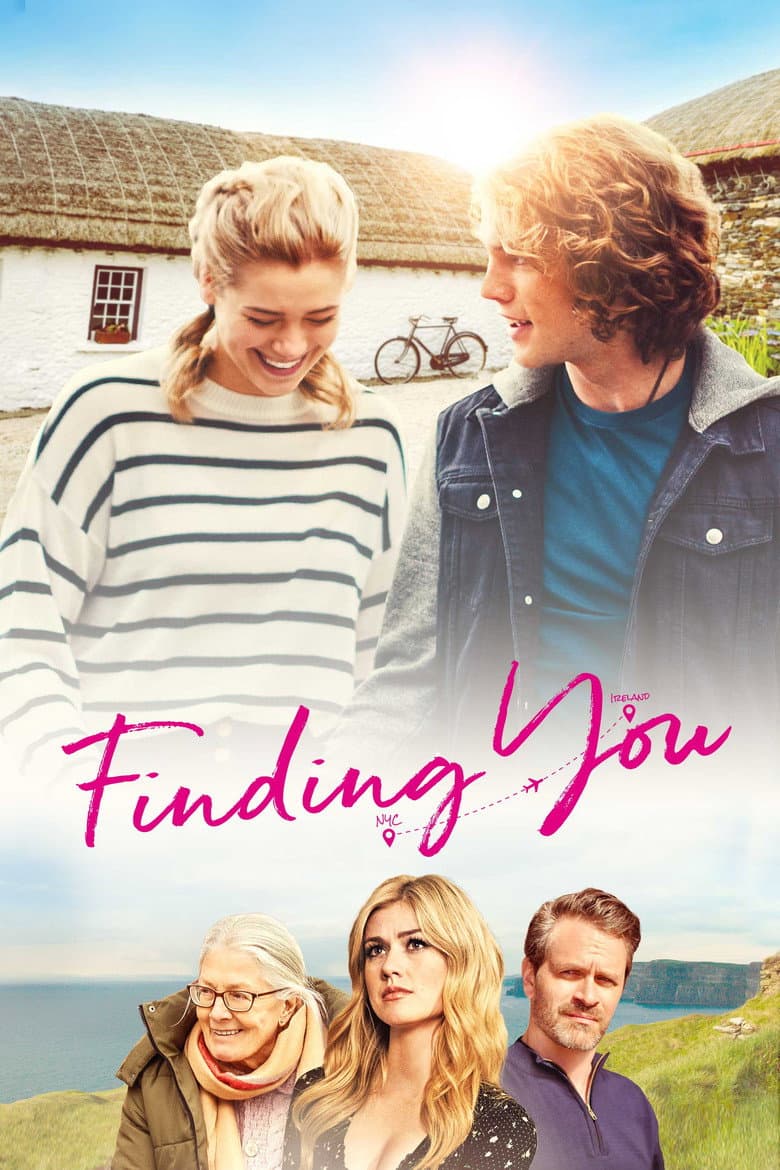
Movie · 2021
Finley, a talented aspiring violinist, meets Beckett, a famous young movie star, on the way to her college semester abroad program in a small coastal village in Ireland.
