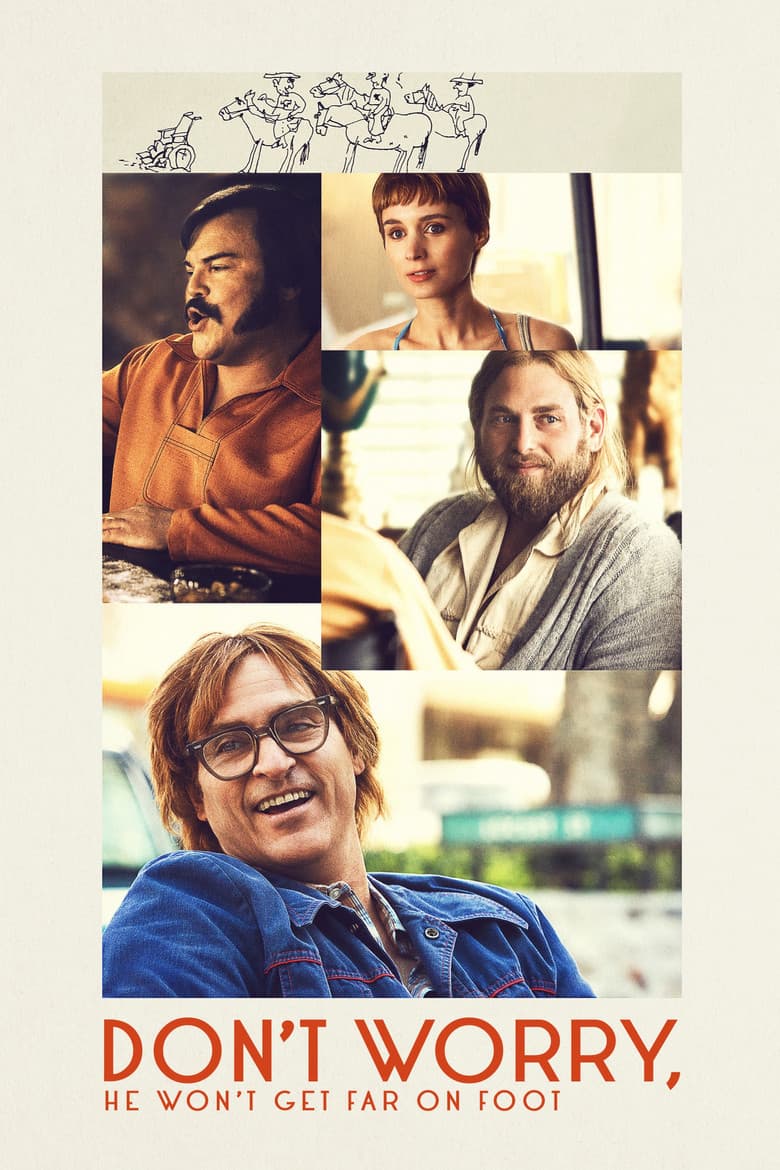
John Callahan is a young Portland man whose heavy drinking ends in a car crash that leaves him paralyzed from the neck down. He resists sobriety and struggles with pain, anger, shame, and the need for help. An AA sponsor named Donnie pushes him to face his past and take responsibility. John slowly rebuilds his life by drawing sharp, rude cartoons that turn his pain into a career. The movie moves between dark comedy, sad memories, recovery meetings, and moments of hope.
The clearest identity element is Donnie, an openly gay man who appears often as John's sponsor and guide. The film also shows a mixed recovery group with women and a black member, but the group serves the recovery plot instead of becoming its own identity story. John is the main focus, and the story centers on addiction, disability, forgiveness, faith, and art. Callahan's cartoons often mock political correctness and offend Catholics, feminists, lesbians, disabled people, and others. Its social message is mainly about personal recovery and human connection rather than modern activist politics.
Community feedback
Was our 44% Woke rating accurate?
Breakdown
These are the editorial factors and ratings behind our score for Don't Worry, He Won't Get Far on Foot.
Woke representation / casting
The film casts the able-bodied Joaquin Phoenix as John, a real man who was paralyzed from the neck down. The choice puts a non-disabled actor in the central disabled role, and disability advocates publicly criticized it. The film also gives major screen time to an openly gay AA sponsor and includes a gay activist in the recovery group. The casting is visible, but the movie does not present its supporting group as a diversity-first set of lead heroes.
42%
Woke political dialogue
A group member calls himself a “gay activist” during an AA meeting. Donnie mentions a gay disco and his sex life in another scene. These lines are brief and do not become a sustained political lesson.
23%
Identity-driven story themes
The film makes John's disability a central part of his life after the crash, but it treats that fact as part of a true story about addiction and recovery. Donnie's openly gay identity shapes a major friendship, and his later AIDS illness adds a queer-related emotional thread. Another group member calls himself a gay activist. The main arc still follows sobriety, forgiveness, faith, and art.
35%
Western institutional / cultural critique
Not present. The movie shows a benefits office, medical staff, and a caretaker dealing with John's disability, but it does not turn those conflicts into a modern attack on Western institutions, family, Christianity, or traditional gender roles.
0%
Woke character or canon changes
Not relevant. The film changes timing and combines several women into Annu, but no race, gender, or sexuality swap is shown. These changes shape the story but do not change a person's identity.
0%
Anti-woke backlash and complaints
Not present. No right-leaning complaint found that the movie pushes woke, DEI, or identity politics. One conservative review praised it as hostile to political correctness, while the main casting dispute came from disability advocates.
0%
Creator track record context
Gus Van Sant has a strong record in queer cinema and social-justice work, including Milk and When We Rise. He also said he chose to highlight Donnie as an openly gay sponsor and the friendship between a straight man and a gay man. John Callahan's work centered on disability, addiction, and offensive humor, not modern activism. The other credited writers, producers, and casting directors have little clear activist record in the available context.
55%
Production

Movie · 2019
A young Scottish singer, Rose-Lynn Harlan, dreams of making it as a country artist in Nashville after being released from prison.
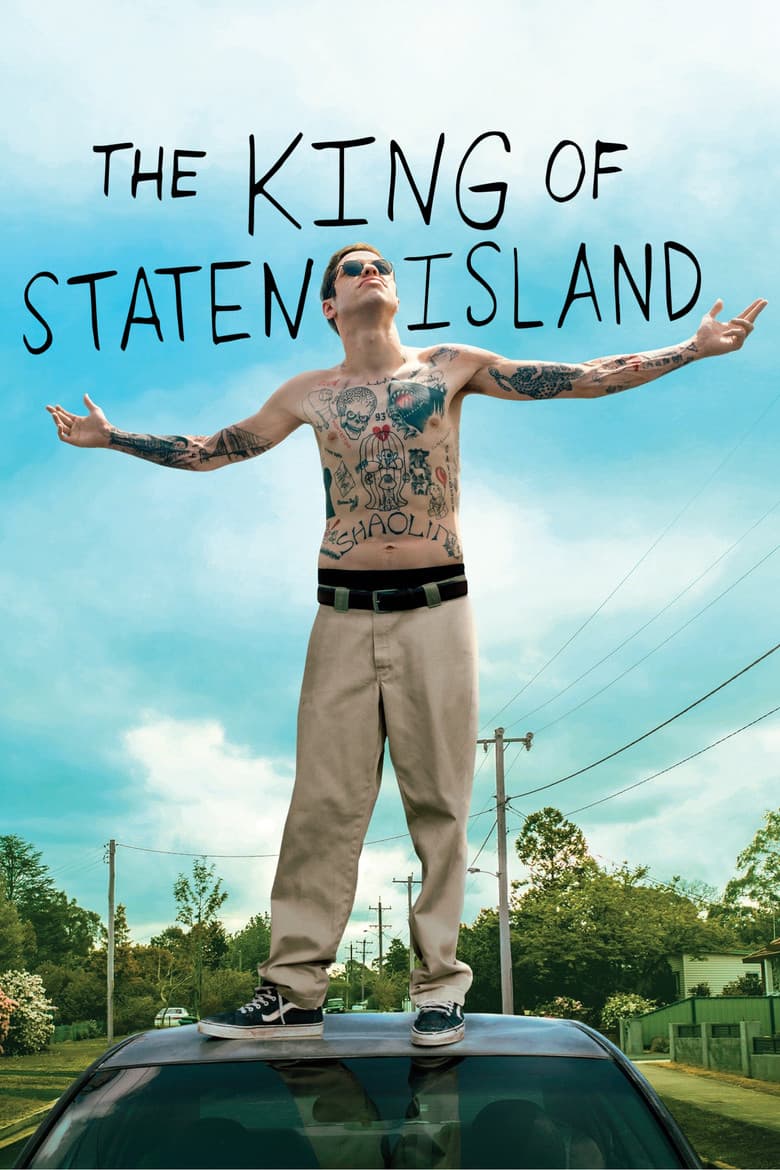
Movie · 2020
Scott has been a case of arrested development ever since his firefighter father died when he was seven. He's now reached his mid-20s having achieved little, chasing a dream of…
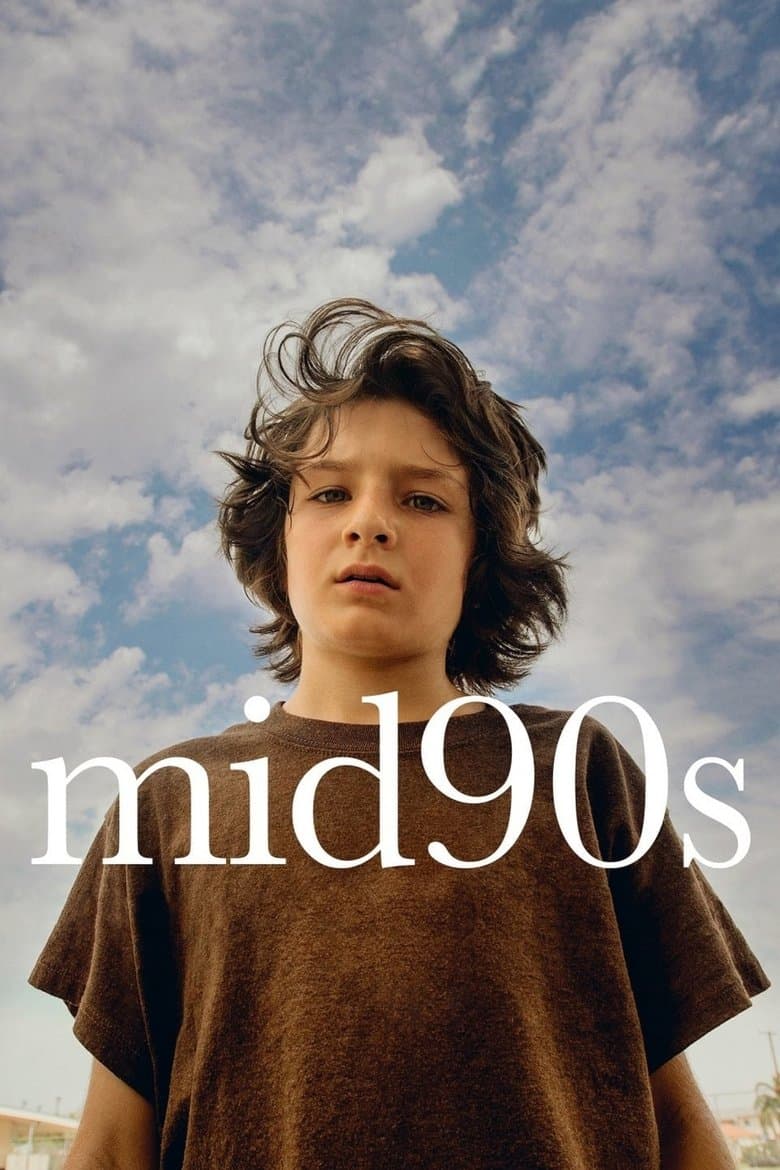
Movie · 2018
In 1990s Los Angeles, a 13-year-old spends his summer navigating between a troubled home life and a crew of new friends he meets at a skate shop.
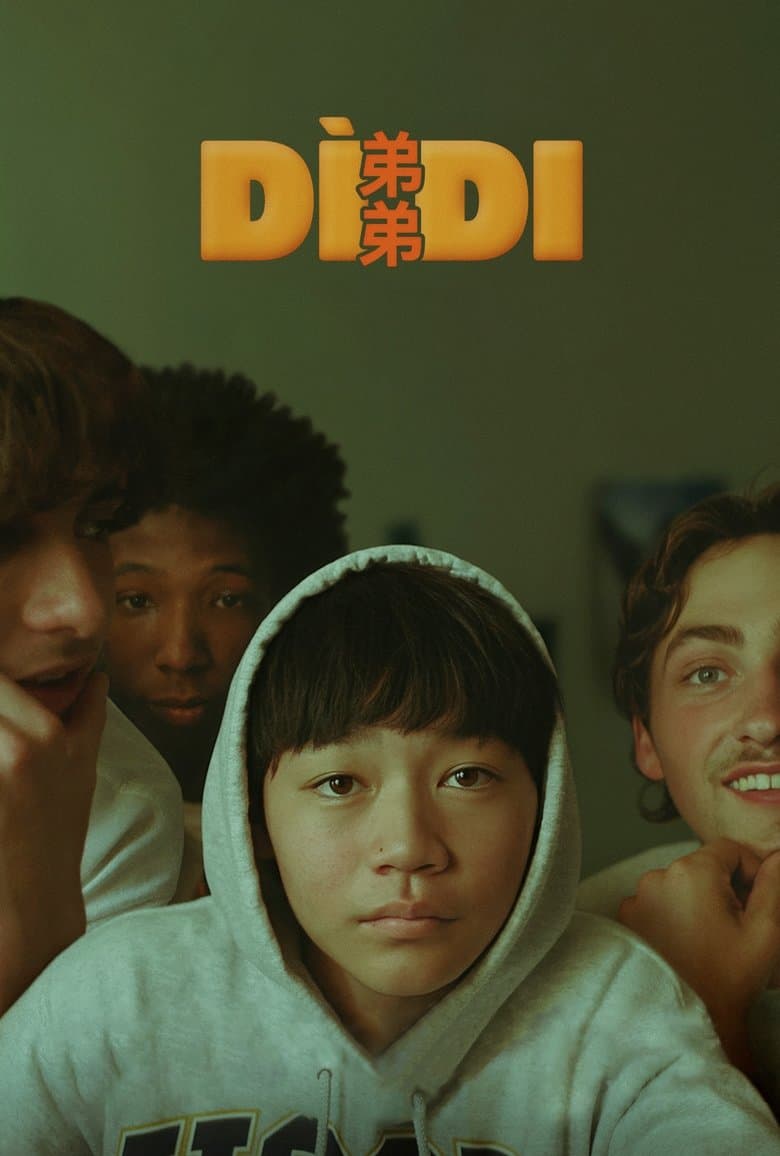
Movie · 2024
In 2008, during the last month of summer before high school begins, an impressionable 13-year-old Taiwanese American boy learns what his family can't teach him: how to skate, how…
Movie · 2018
Thirteen-year-old Kayla endures the tidal wave of contemporary suburban adolescence as she makes her way through the last week of middle school — the end of her thus far…
Movie · 2023
Single mom Flora is at a loss about what to do with her rebellious teenage son, Max. Her efforts to keep him out of trouble lead to a beat-up acoustic guitar, a washed-up LA…
Movie · 2018
Vignettes weaving together the stories of six individuals in the old West at the end of the Civil War. Following the tales of a sharp-shooting songster, a wannabe bank robber, two…
Movie · 2022
Two lifelong friends find themselves at an impasse when one abruptly ends their relationship, with alarming consequences for both of them.
