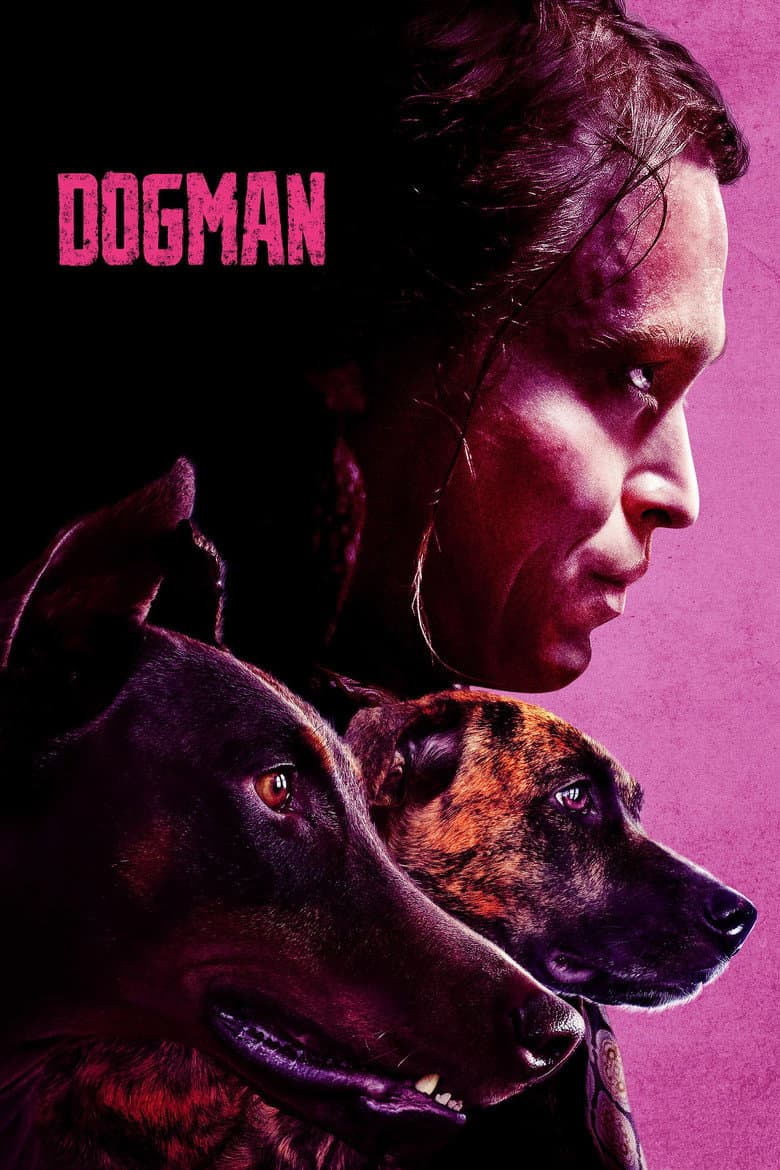
Douglas Munrow is a lonely man in New Jersey who was abused by his father and left in a wheelchair after a shooting. He lives in an abandoned school with a large pack of dogs that obey his commands and help him survive. A police psychiatrist hears his story after officers arrest him while he drives a truck full of dogs. The film mixes grim family violence, strange humor, crime, and fantasy.
Douglas performs in drag at a cabaret, and the film treats the stage as a place where he can escape his pain and feel fully alive. He also says that he believes in redistribution of wealth and that rich people write laws to control poor people. The movie links these ideas to his thefts and to his role as a protector of people in his neighborhood. These themes matter, but the film spends more time on abuse, dogs, crime, faith, and grief than on politics.
Community feedback
Was our 44% Woke rating accurate?
Breakdown
These are the editorial factors and ratings behind our score for Dogman.
Woke representation / casting
Not present. The film does not make casting or demographic variety part of its story or message. Douglas is played by a man, and the other prominent roles do not create a clear identity-based pattern.
0%
Woke political dialogue
The film gives these ideas a full exchange with Evelyn. Douglas directly says he believes in wealth redistribution. He says rich people write laws to control poor people. He says society can turn a rejected child into an outcast, and he uses that idea to explain his crimes. These lines are important to his motive, but they are not repeated through the whole film.
42%
Identity-driven story themes
Douglas is a male character who performs as a drag queen in several cabaret scenes. He says costumes and poetry let him become someone else and feel fully alive after the real world rejects him. The cabaret group gives him a place where his disability and unusual presentation do not block his performance. This makes crossing usual gender roles an important subplot, but the film does not make a gay or trans identity the main subject.
48%
Western institutional / cultural critique
The film shows a violent father and brother using Christian words and a cross to control Douglas. It also shows public services cutting shelter funding while a developer takes the land. Douglas says rich people write laws to control poor people, and he links social rejection to his criminal life. The movie presents these systems as harmful, but it also keeps religious ideas and personal pain in the story, so the critique is limited.
38%
Woke character or canon changes
Not relevant. Dogman is an original story with no established character, franchise, or real historical figure to recast or rewrite.
0%
Anti-woke backlash and complaints
Not present. The supplied X pass found no anti-woke complaints, and the broader search found no sustained campaign saying that Dogman pushes DEI or identity politics. Public criticism mostly targeted its odd plot, drag scenes, violence, or Luc Besson’s personal controversy, which is not anti-woke backlash against the title.
0%
Creator track record context
Luc Besson has opposed far-right candidates in France and supported film education for students from diverse and poor backgrounds. Those are real social causes, but his films are mainly action and fantasy rather than identity-focused work. Virginie Besson-Silla has a commercial producer profile without a known representation-first campaign. Dogman’s focus on an abused outsider gives this context a mild link, not a strong one.
18%
Production
Movie · 2020
David Cuevas is a family man who works as a gangland tax collector for high ranking Los Angeles gang members.
Movie · 2024
When an army commando finds out his true love is engaged against her will, he boards a New Dehli-bound train in a daring quest to derail the arranged marriage.
Movie · 2018
The amazing true story of Billy Moore, an English boxer incarcerated in Thailand’s most notorious prison. Thrown into a world of drugs and violence, he finds his best chance to…
Movie · 2019
One memorable night in the life of veteran patrol officer Ray Mandel and his trainee, ambitious rookie cop Nick Holland in the LAPD's Olympic Division.
Movie · 2023
Set in the fictional dystopian city-state of Khansaar, the film follows the friendship between Deva, a tribesman, and Varadha, the prince of Khansaar.
Movie · 2016
As Batman hunts for the escaped Joker, the Clown Prince of Crime attacks the Gordon family to prove a diabolical point mirroring his own fall into madness.
Movie · 2016
In the fourth installment of the fighting franchise, Boyka is shooting for the big leagues when an accidental death in the ring makes him question everything he stands for.
Movie · 2023
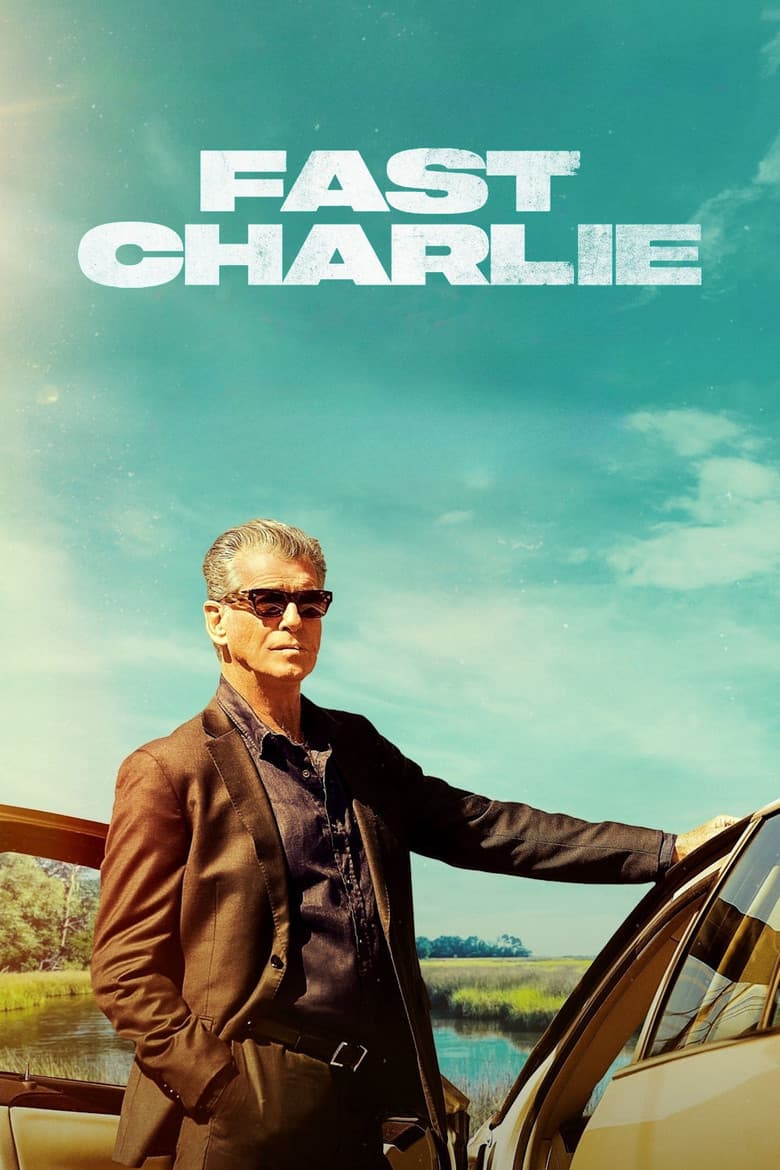
When his aging mob boss is whacked, Charlie Swift, a loyal friend and hired gun, will stop at nothing to destroy the upcoming crew that took him out.
