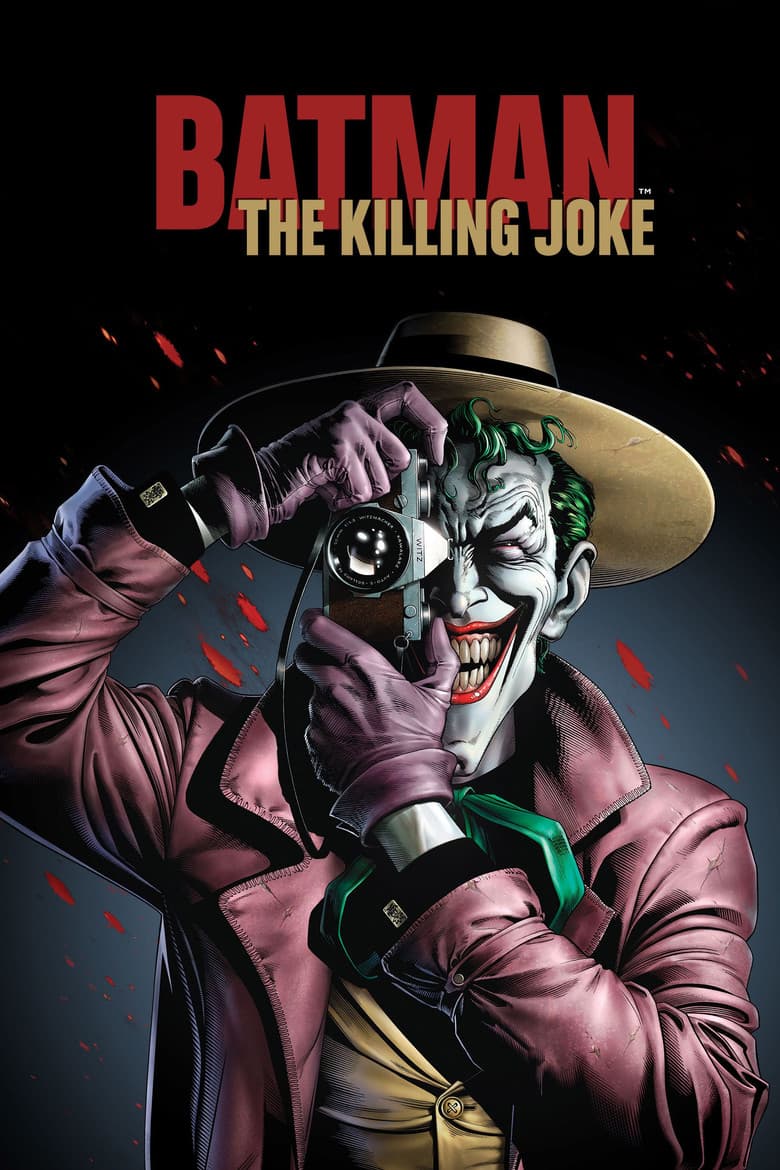
Batman: The Killing Joke follows Batman as he searches Gotham for the Joker, who has escaped from Arkham and taken over an old amusement park. The Joker wants to prove that one terrible day can break a good man, so he shoots Barbara Gordon and uses her father, Commissioner Gordon, as the target of a cruel test. The film moves between the present attack and flashbacks to the Joker’s life as a failed comedian before he became a killer. Its tone is dark, violent, grim, and sometimes bitterly funny.
The film opens with a long Batgirl story that was not in the original graphic novel. Barbara Gordon fights a criminal who is obsessed with her, argues with Batman about control and respect, sleeps with him, and then leaves the Batgirl role after losing control during the case. The story also shows her gay library coworker, but that detail stays in the background. The main story returns to Batman, Joker, and Gordon, and it focuses on madness, trauma, revenge, and the thin line between order and chaos. The added gender and sexuality material is clear in the first part, but it is not the film’s main message.
Community feedback
Was our 14% Woke rating accurate?
Breakdown
These are the editorial factors and ratings behind our score for Batman: The Killing Joke.
Woke representation / casting
The voice cast returns Kevin Conroy, Mark Hamill, and Tara Strong in their long-used Batman, Joker, and Batgirl roles. The added prologue includes a male library coworker who is presented as gay. The film does not build a broad identity-based cast or sell the casting as a diversity message. The identity element is limited to a small supporting role.
8%
Woke political dialogue
Not present. Batman and the Joker debate madness, choice, and violence. The film has no clear activist or identity-based political speech.
0%
Identity-driven story themes
The added opening gives Barbara a long story about her place beside Batman. Barbara argues that Batman controls her and says she wants respect as more than a sidekick. The film also shows her gay library coworker and makes her sexual relationship with Batman part of her arc. These elements center gender, sex, and one gay character for about the first third, but the film does not turn them into a broad political message.
16%
Western institutional / cultural critique
Not present. Batman’s control of Barbara and the Joker’s attack on order are part of the characters’ conflict. The film does not turn them into a modern critique of patriarchy, capitalism, or Western institutions.
0%
Woke character or canon changes
Not relevant. The film adds a Batgirl prologue, a Batman-Batgirl sexual relationship, and a temporary retirement from the role. Those changes are dramatic adaptation choices, not a clear DEI or identity campaign.
0%
Anti-woke backlash and complaints
A few small X accounts mocked “SJW” critics of the Batgirl sex scene and treated the pushback as an attack on the film. Heat Street used “SJW tears” while amplifying a boycott of DC, but this was a small right-leaning reaction. No clear campaign said the film itself promoted DEI, race or gender swaps, girlboss writing, or LGBT messaging. The reaction was fringe rather than a broad backlash.
8%
Creator track record context
Sam Liu, Isamitsu Kashima, and Kazuyoshi Takeuchi have no known activist or identity-politics pattern in the cached summaries. The producers and casting director also have standard industry profiles. Alan Moore has classical left-leaning and anti-authority views, but no modern focus on DEI or representation. Brian Azzarello has no known activist record. The overall creator signal is weak.
12%
Production
Movie · 2021
As Gotham City's young vigilante, the Batman, struggles to pursue a brutal serial killer, district attorney Harvey Dent gets caught in a feud involving the criminal family of the…
Movie · 2020
David Cuevas is a family man who works as a gangland tax collector for high ranking Los Angeles gang members.
Movie · 2023
When his aging mob boss is whacked, Charlie Swift, a loyal friend and hired gun, will stop at nothing to destroy the upcoming crew that took him out.
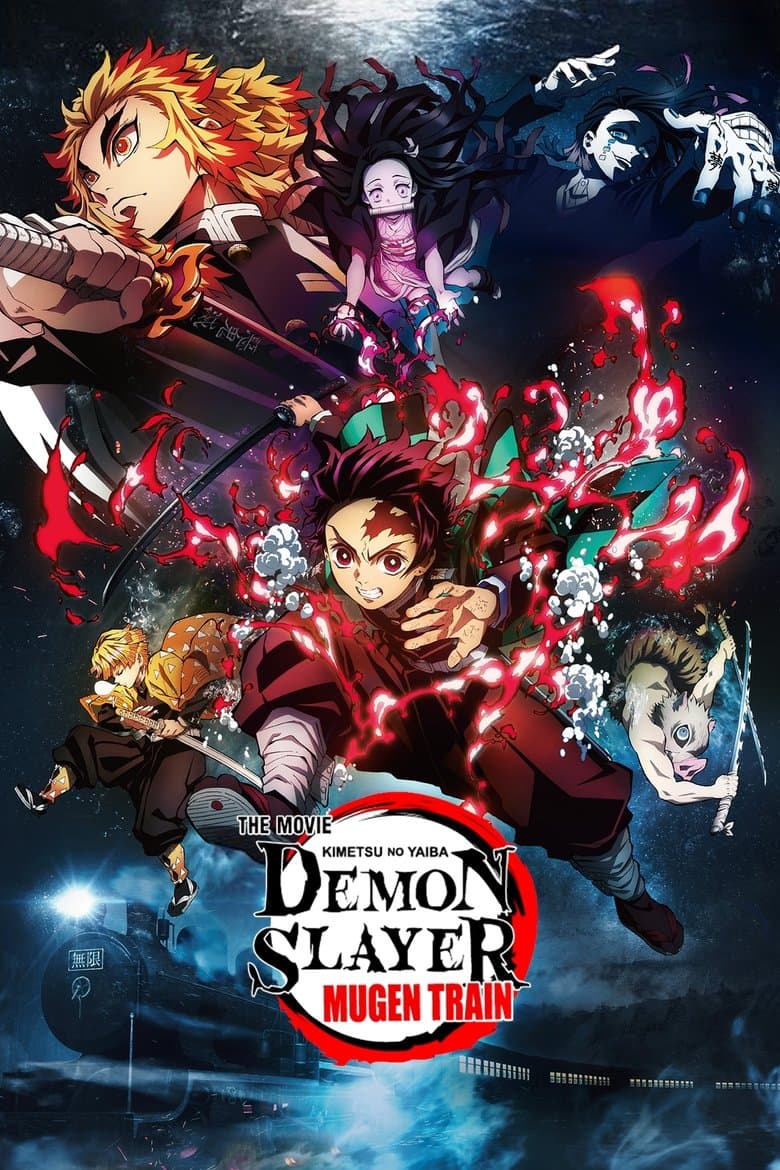
Movie · 2020
Tanjiro Kamado, joined with Inosuke Hashibira, a boy raised by boars who wears a boar's head, and Zenitsu Agatsuma, a scared boy who reveals his true power when he sleeps, boards…

Movie · 2023
The hardened son of a powerful industrialist returns home after years abroad and vows to take bloody revenge on those threatening his father's life.
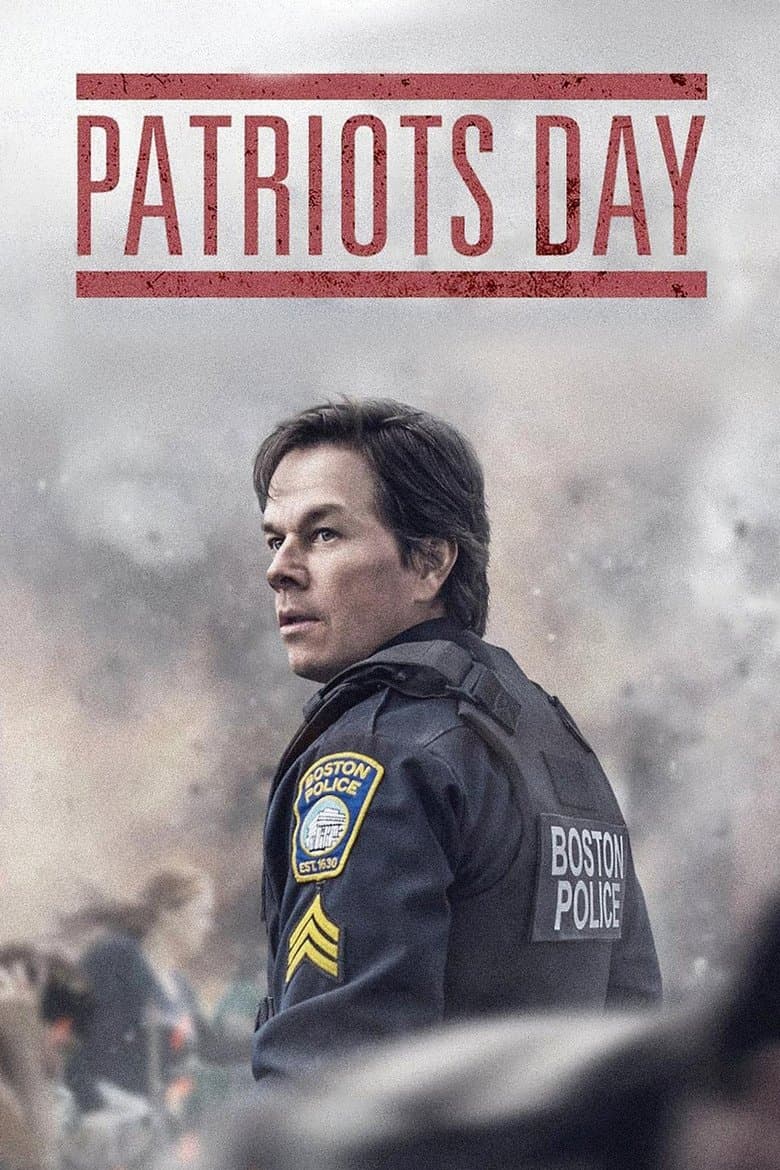
Movie · 2016
In the aftermath of an unspeakable act of terror, Police Sergeant Tommy Saunders joins courageous survivors, first responders and investigators in a race against the clock to hunt…
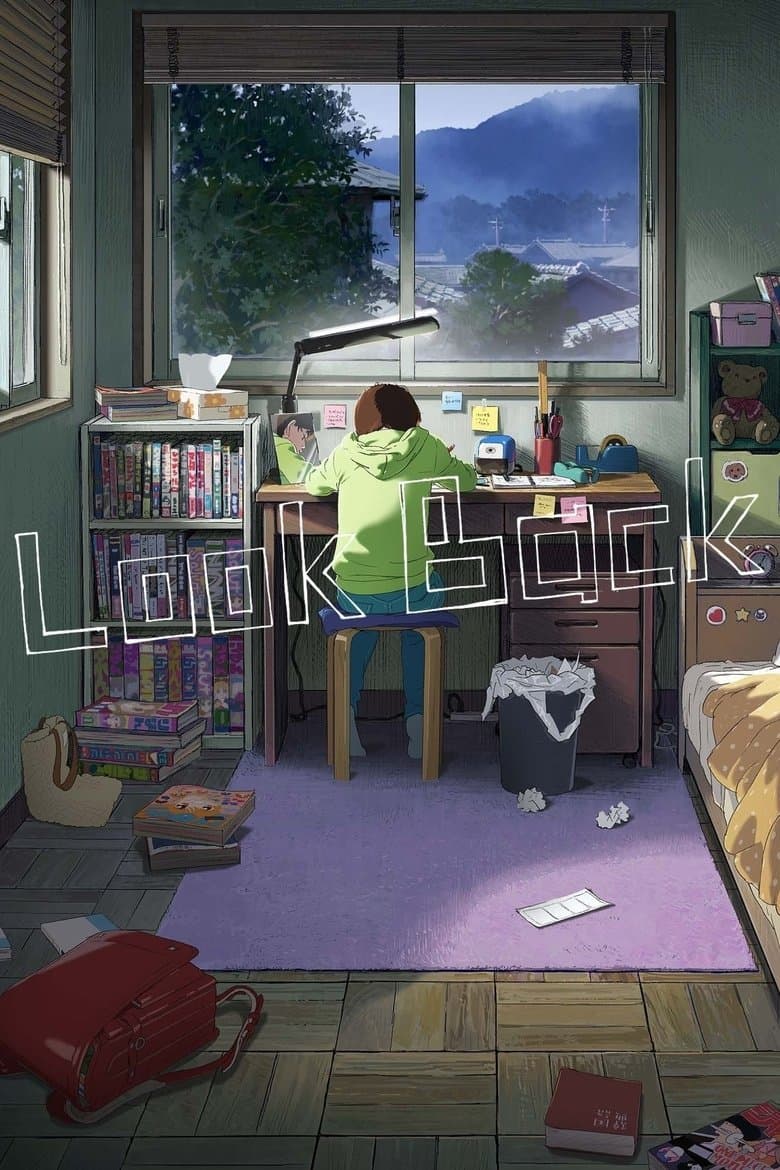
Movie · 2024
Popular, outgoing Fujino is celebrated by her classmates for her funny comics in the class newspaper. One day, her teacher asks her to share the space with Kyomoto, a truant…
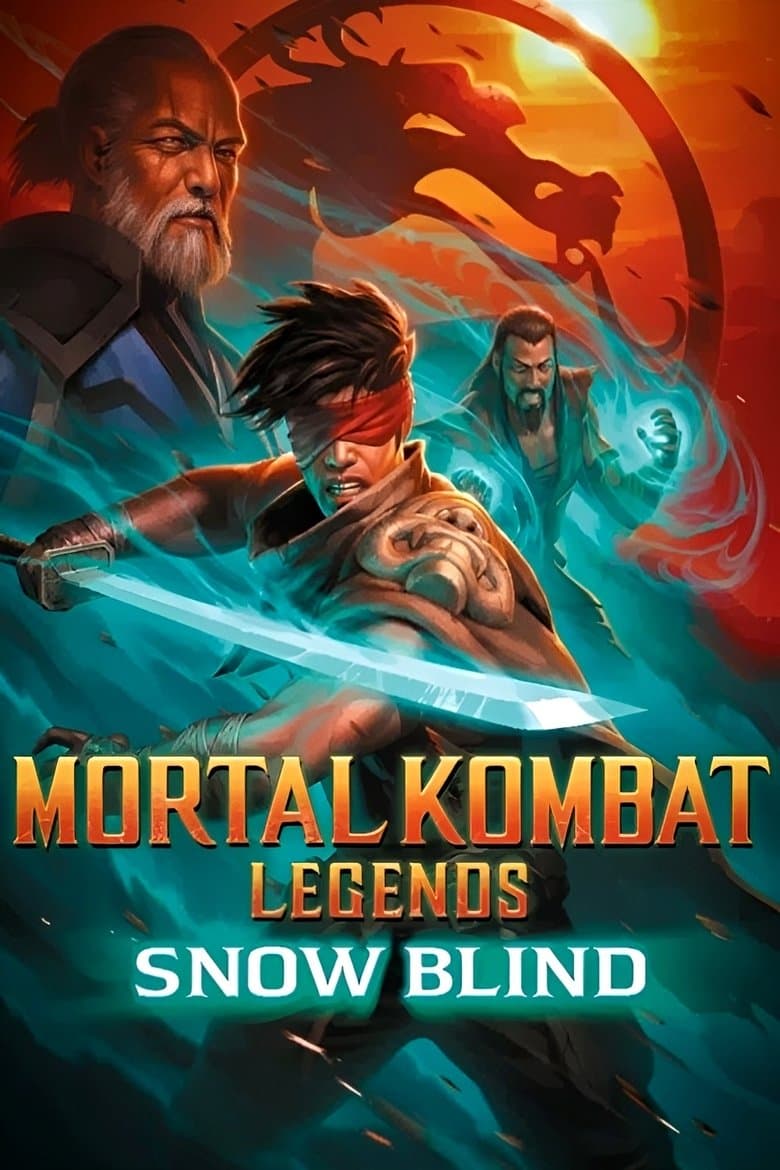
Movie · 2022
The vicious, power-mad Kano is determined to take over Earthrealm, one soul at a time. Assisted by a trio of cold Black Dragon mercenaries, he embarks on a brutal assault from…
