Movie review
May 4, 2022 · 126 min · PG-13 · Fantasy · Action · Adventure
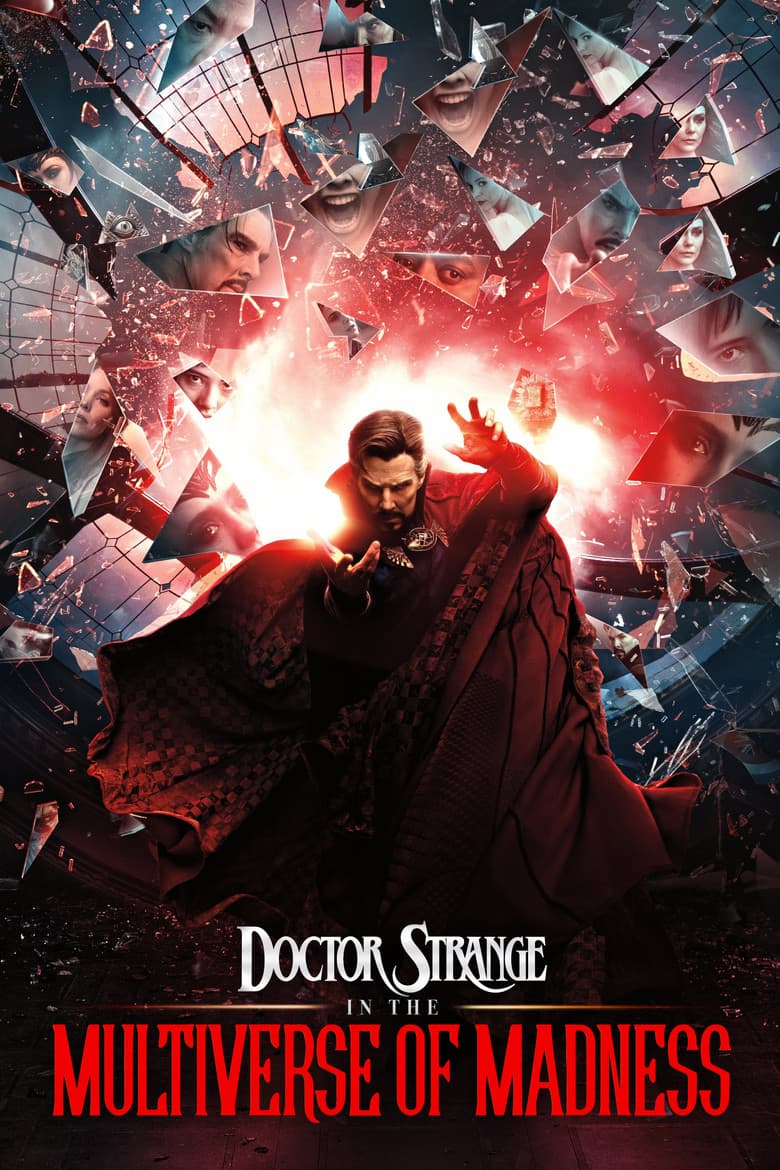
Doctor Strange is a powerful wizard who must protect a teenage girl named America Chavez. She can jump between different universes, and a dark force is hunting her for that power. The danger turns out to be Wanda, the Scarlet Witch, who wants America's power so she can find her lost children. The movie jumps through strange worlds, mixes superhero action with scary horror moments, and follows Strange as he faces his own mistakes and fear.
The story is mainly about grief, power, and not facing hard choices alone. Clear woke-facing elements still show up for a normal viewer. America Chavez is a big new Latina hero, and the film and marketing treat her as a diversity milestone. She talks about her two moms, wears a pride pin, and is widely presented as a lesbian character from the comics. Director Sam Raimi publicly praised her as a heroic face for people who were "underrepresented." An alternate black woman Captain Marvel and a woman Captain Carter also appear. The main plot is still horror and multiverse adventure, not a long political lecture, but the representation push and light queer details are hard to miss.
Community feedback
Was our 70% Woke rating accurate?
Breakdown
These are the editorial factors and ratings behind our score for Doctor Strange in the Multiverse of Madness.
Woke representation / casting
America Chavez is a co-lead Latina teen hero sold as a representation win. She has a pride pin and two moms on screen. Maria Rambeau appears as Captain Marvel and Captain Carter leads the Illuminati. Casting and marketing treat identity as a clear selling point, not a tiny background detail. Queer signals raise this further. Still not wall-to-wall quota casting of every role.
62%
Woke political dialogue
Almost no modern activist speeches about race, gender systems, or politics. The main identity line is America's short "two moms" mention. Other talk is about magic, kids, fear, and Strange's ego. Light and easy to miss if you are not watching for it.
10%
Identity-driven story themes
The heart of the story is Wanda's grief and Strange's pride, told as multiverse horror. America's Latina and queer identity is present and marketed, but her arc is about fear, power, and trust, not a lesson about identity politics. Wanda's power and the female-led climax are very visible. Queer content is brief but confirmed, so it lifts this score.
48%
Western institutional / cultural critique
The Illuminati act like a secret elite that kills a dangerous Strange. That is generic "power is dangerous" storytelling, not a modern attack on Western culture, family, faith, or "toxic masculinity" as activist themes. No anti-Christian focus.
0%
Woke character or canon changes
America is aged down into a teen lead and kept as a lesbian-coded character with two moms, matching comics identity in light form. Multiverse versions put a black woman as Captain Marvel and Peggy Carter as a Captain America-style hero. Strange himself is not race- or gender-swapped. Changes are real and partly identity-facing, but many fit multiverse rules rather than full rewrites of one legacy hero.
40%
Anti-woke backlash and complaints
Clear anti-woke pushback called the film "M-She-U," forced diversity, and a vehicle for America Chavez and Wanda over Strange. Online creators and fans framed Phase 4 identity choices as the problem. Middle East cuts/ban fights were about LGBTQ content, which fed that debate. Real and noticeable, not the loudest MCU blowup.
48%
Creator track record context
Director Raimi and writer Waldron score low on activist history. Studio leaders Feige and Alonso, plus casting director Finn, score higher for public diversity and LGBTQ representation goals. That studio side matches the film's America Chavez push more than Raimi's personal record alone.
38%
Production
Movie · 2022
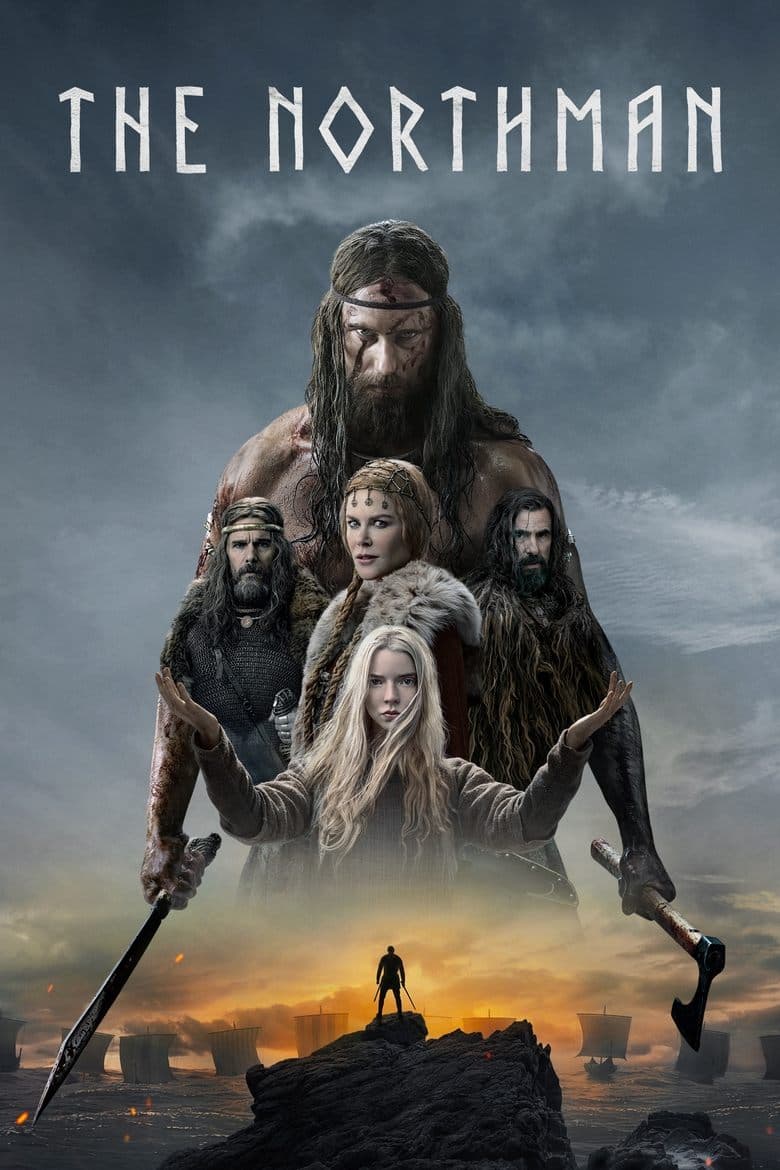
Prince Amleth is on the verge of becoming a man when his father is brutally murdered by his uncle, who kidnaps the boy's mother.
Movie · 2020
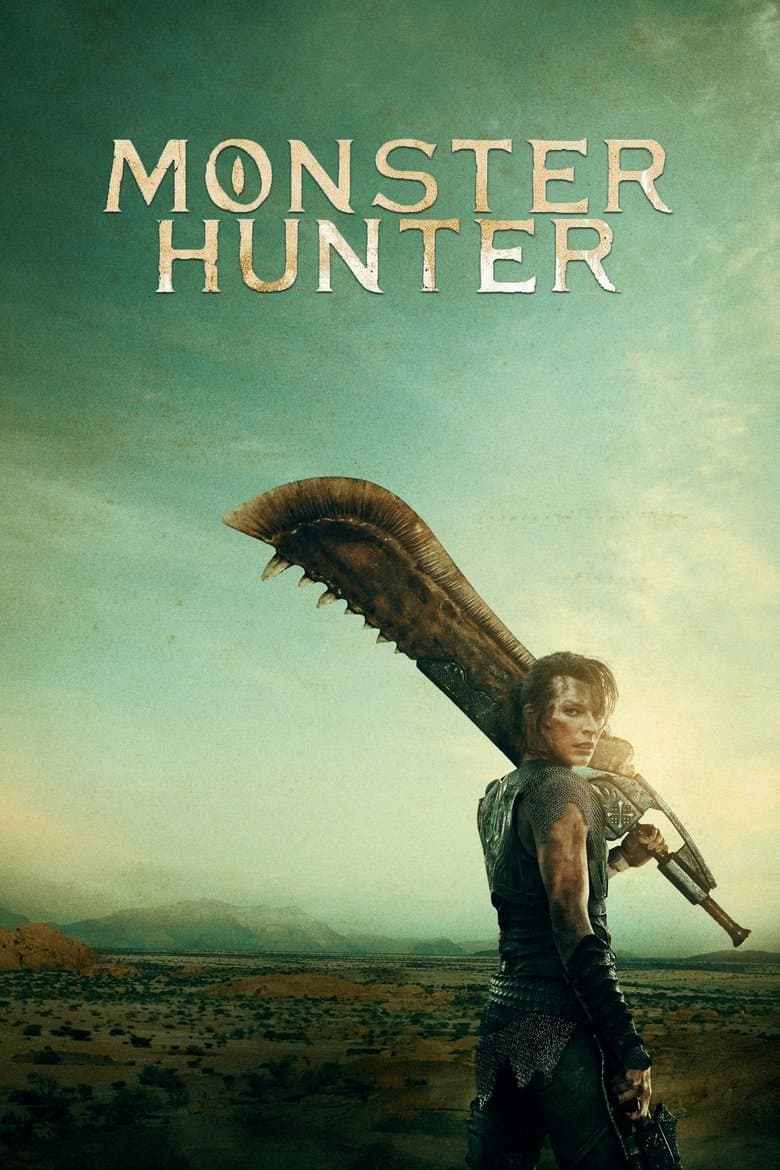
A portal transports Cpt. Artemis and an elite unit of soldiers to a strange world where powerful monsters rule with deadly ferocity.
Movie · 2016
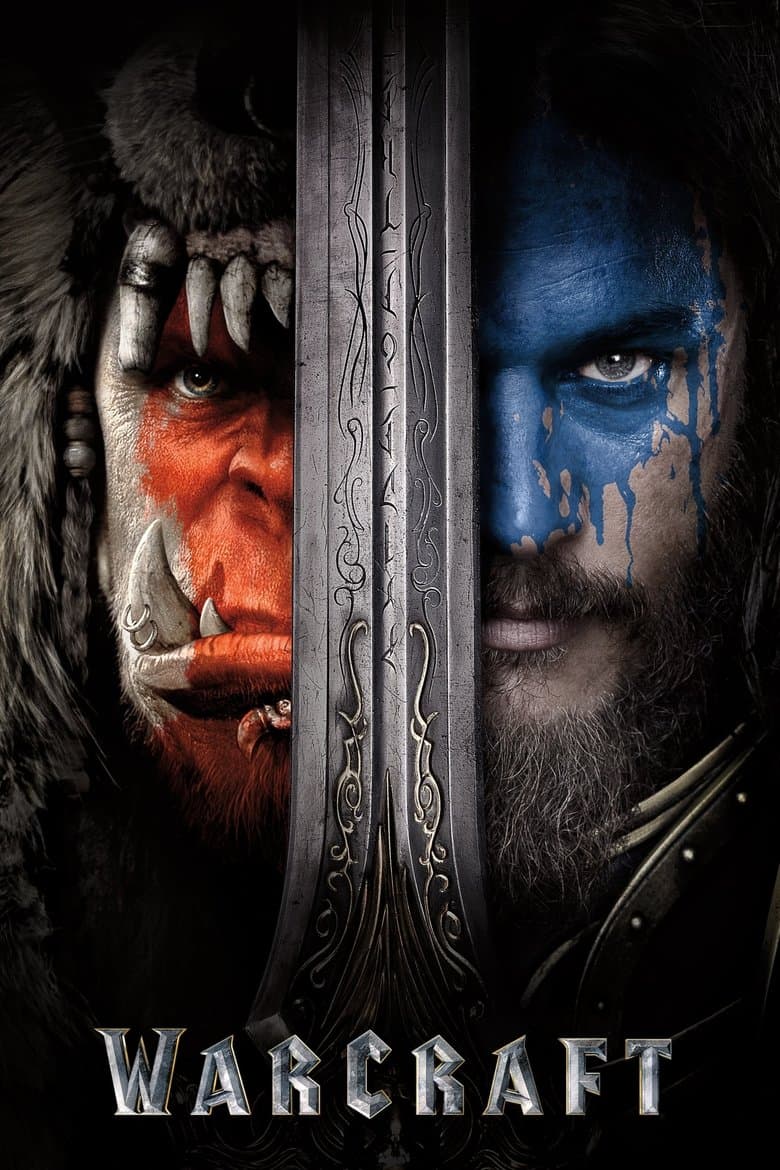
The peaceful realm of Azeroth stands on the brink of war as its civilization faces a fearsome race of invaders: orc warriors fleeing their dying home to colonize another.
Movie · 2026
The fan favorite champions—now joined by Johnny Cage himself—are pitted against one another in the ultimate, no-holds barred, gory battle to defeat the dark rule of Shao Kahn that…
Movie · 2016
A common thief joins a mythical god on a quest through Egypt.
Movie · 2023
Black Manta seeks revenge on Aquaman for his father's death. Wielding the Black Trident's power, he becomes a formidable foe.
Movie · 2016
Fearing the actions of a god-like Super Hero left unchecked, Gotham City’s own formidable, forceful vigilante takes on Metropolis’s most revered, modern-day savior, while the…
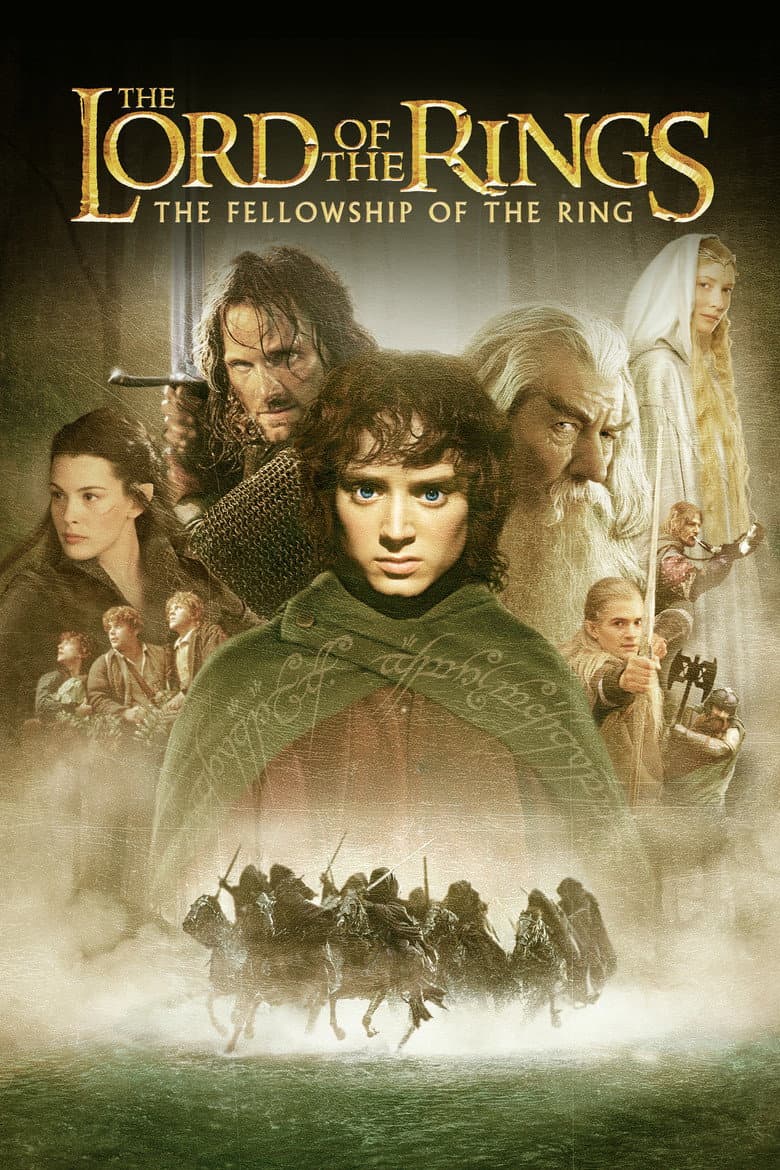
Movie · 2001
Young hobbit Frodo Baggins, after inheriting a mysterious ring from his uncle Bilbo, must leave his home in order to keep it from falling into the hands of its evil creator.
