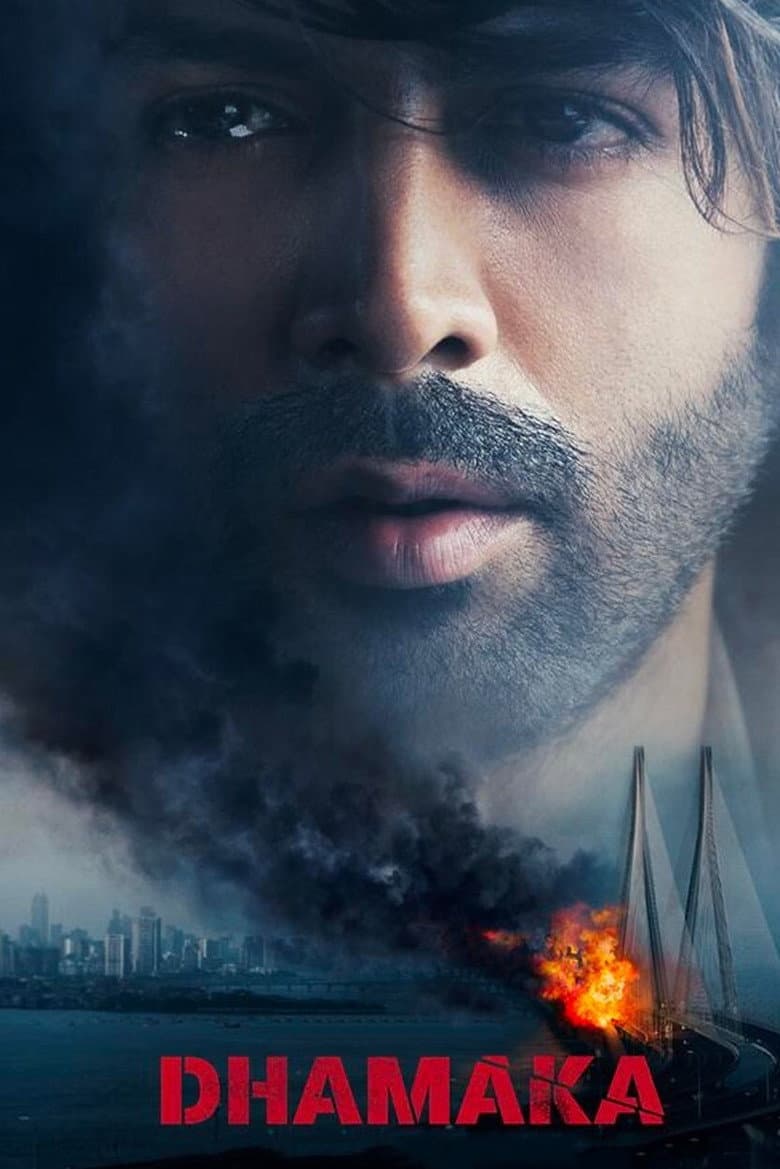
Dhamaka follows Arjun Pathak, a disgraced television anchor who now hosts a small radio show in Mumbai. A caller says he has bombed the Sea Link and will strike again unless a minister apologizes. Arjun hides the call from the police and uses the crisis to win back his prime-time job. The film is a tense crime thriller about fear, ambition, marriage, and the price of chasing ratings.
The film’s social message targets media greed, government neglect, and the ignored labor force. Arjun’s female boss turns the crisis into a ratings contest, while his reporter wife shows the human cost of his choices. Her brave actions drive his late change of heart. The movie keeps its focus on media ethics, personal ambition, and a worker’s demand for an apology.
Community feedback
Was our 46% Woke rating accurate?
Breakdown
These are the editorial factors and ratings behind our score for Dhamaka.
Woke representation / casting
Not present. The film uses a modern Indian newsroom with a male anchor, a female boss, and a female reporter. Those jobs fit the setting, and the film does not frame the cast as a diversity statement.
0%
Woke political dialogue
Raghubeer repeatedly speaks about poor workers, deaths on the Sea-Link, government lies, and the need for a minister to apologize. Arjun and the station staff repeatedly discuss truth, ratings, and news responsibility. Those lines support accountability and class fairness, but they do not use identity politics, gender politics, or DEI language. The dialogue stays inside the thriller instead of becoming a long political speech.
29%
Identity-driven story themes
The plot gives a construction worker’s grievance a serious place after workers die while building the Sea-Link. The story shows poor workers as ignored people whose deaths are hidden by a development story. Arjun’s arc asks him to hear people without power and face the damage caused by his own ambition. The theme is a recurring class and social justice thread, but Arjun’s moral crisis remains the main story.
34%
Western institutional / cultural critique
The film repeatedly criticizes Indian television news, ratings culture, and government image-making. The story places profit and public image above ordinary people. The film does not attack Western culture, Christianity, family norms, or conservative social beliefs. The result is a mild institution-critique signal rather than a culture-war message.
18%
Woke character or canon changes
The film is an official remake of the Korean thriller The Terror Live. The original news boss was male, while Dhamaka makes Arjun’s powerful boss Ankita a woman. The change gives a prominent woman control over the newsroom and a key part in the ratings plot. The movie does not present the swap as a political message, so the score stays moderate.
40%
Anti-woke backlash and complaints
A small Reddit thread and a few X posts accused the film of using a Hindu-sounding terrorist to push anti-Hindu propaganda. The posts had limited reach, and no major news outlet reported a boycott or organized campaign. The movie never states that the bomber is Hindu or gives his violence a religious motive. The complaint therefore stayed fringe and is partly unproven.
18%
Creator track record context
Ram Madhvani’s cached record shows repeated interest in women’s agency, racism, colonialism, and humane filmmaking. Puneet Sharma has a stronger activist profile and has written protest poetry about injustice and citizenship. Kim Byung-woo and Manohar Verma have little public identity-driven or activist context, while Ronnie Screwvala is mainly a mainstream producer and philanthropist. Amita Madhvani’s work supports women’s participation behind the camera, so the combined context is moderate but mixed.
35%
Production
Movie · 2020
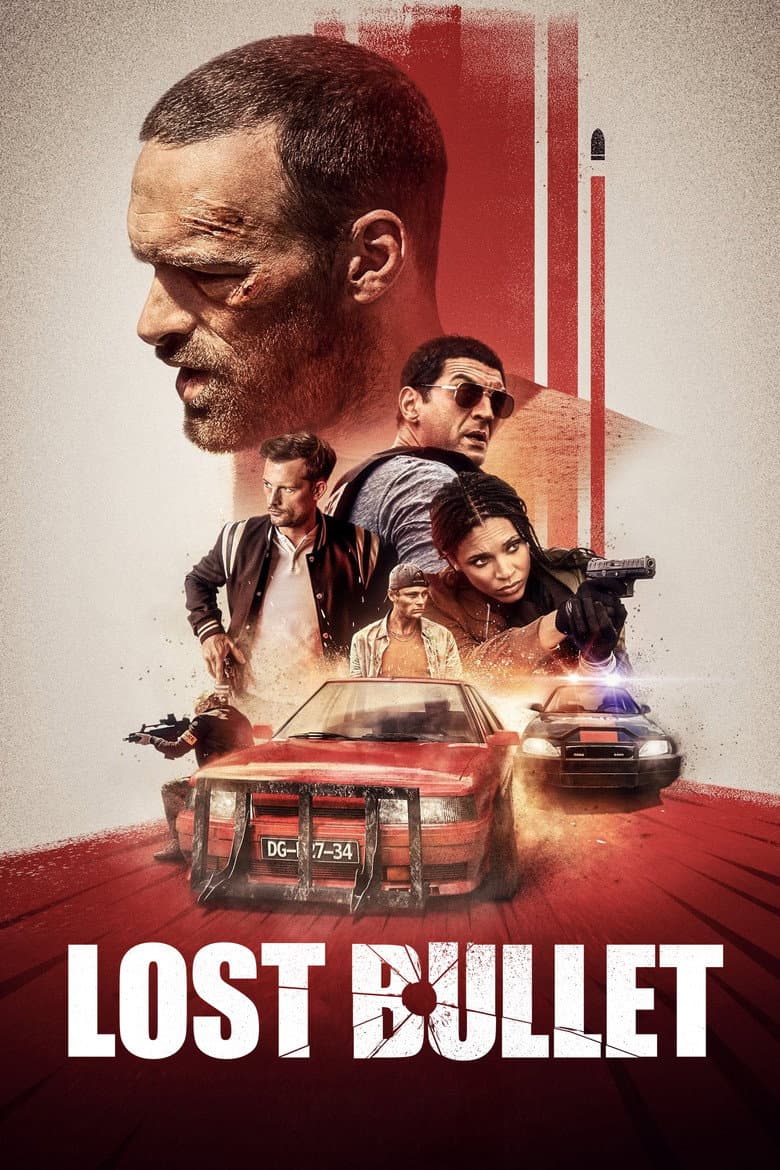
A small time delinquent, turned police mechanic for a go fast task force, is forced to defend his innocence when his mentor is killed by dirty cops.
Movie · 2019
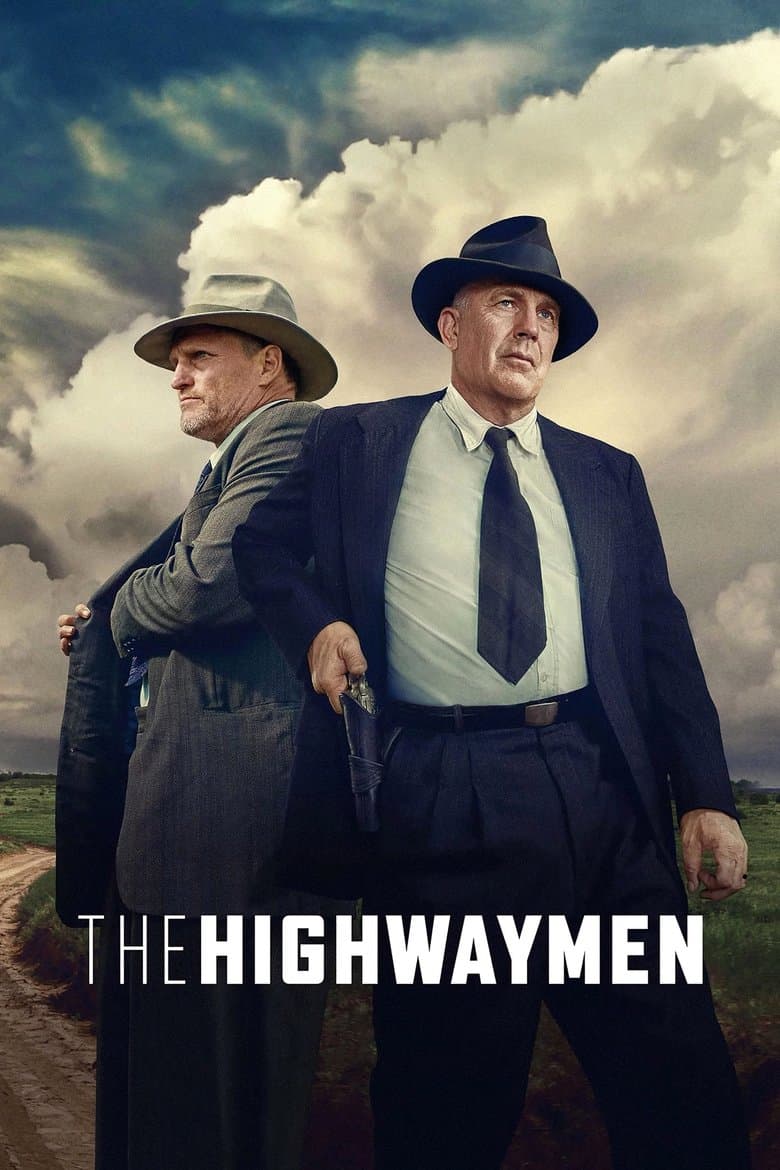
In 1934, Frank Hamer and Manny Gault, two former Texas Rangers, are commissioned to put an end to the wave of vicious crimes perpetrated by Bonnie Parker and Clyde Barrow, a…
Movie · 2021
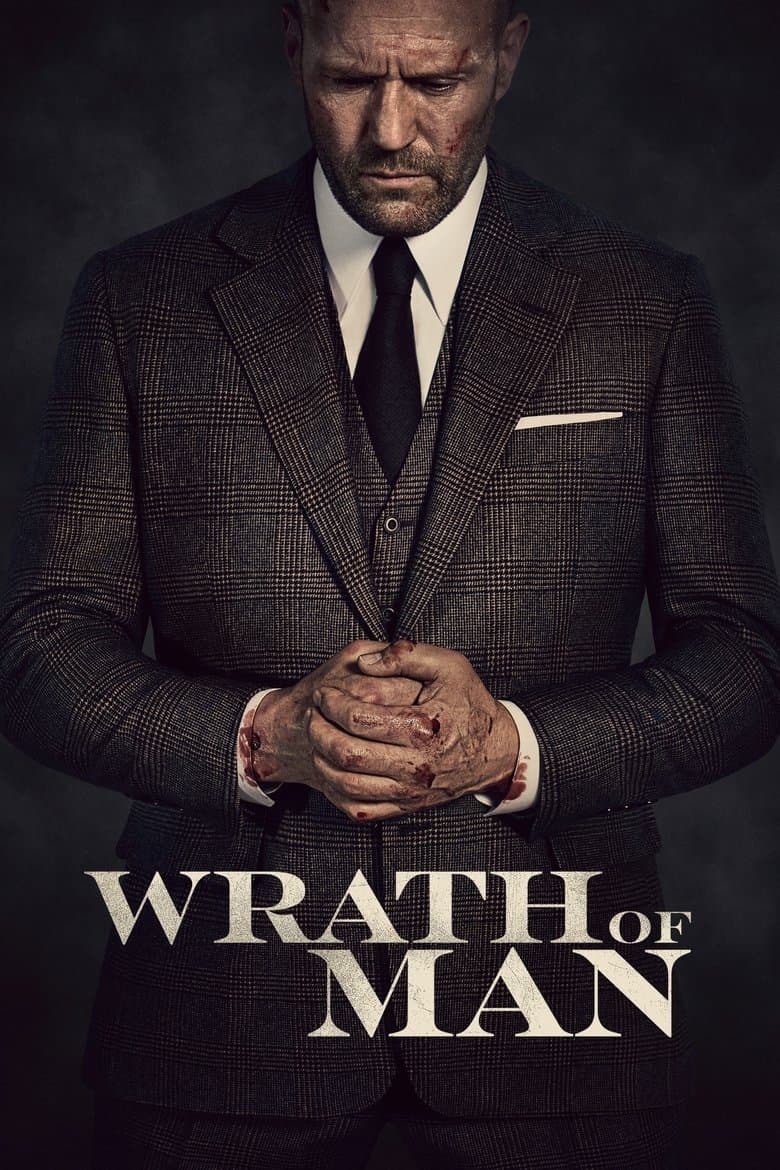
A cold and mysterious new security guard for a Los Angeles cash truck company surprises his co-workers when he unleashes precision skills during a heist.
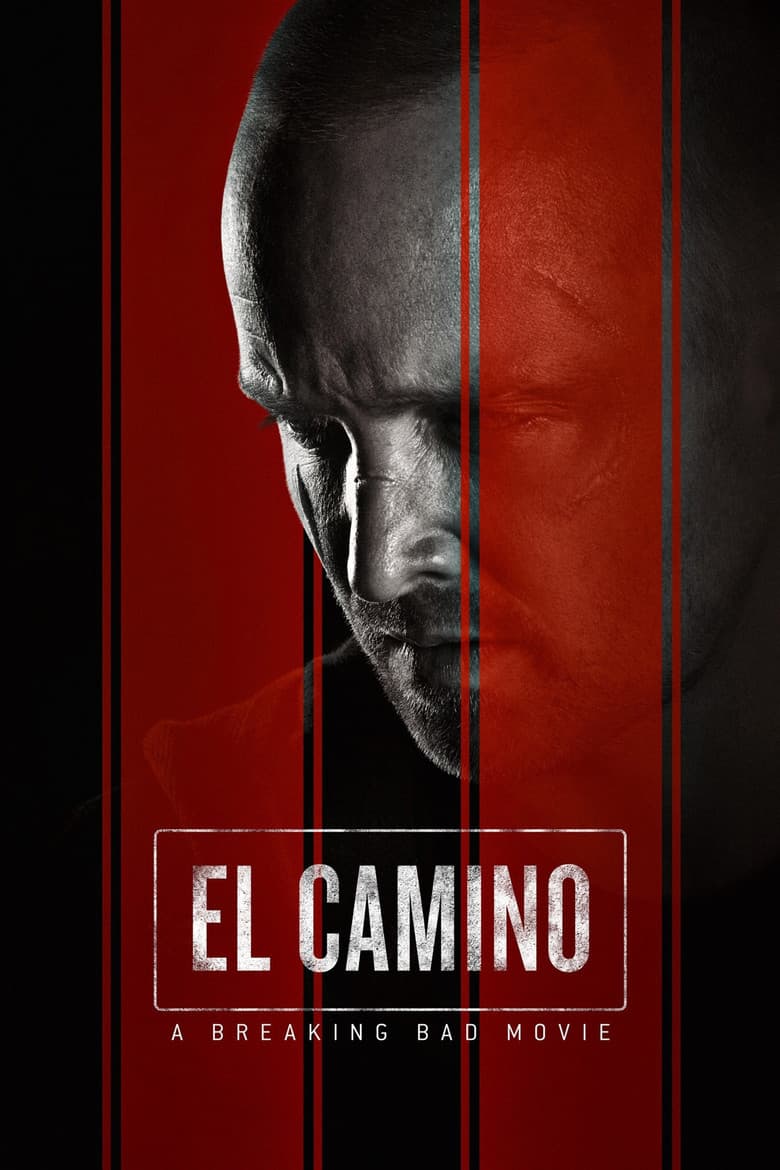
Movie · 2019
In the wake of his dramatic escape from captivity, Jesse Pinkman must come to terms with his past in order to forge some kind of future.

Movie · 2023
Based on a true story. 15-year-old Kara Robinson was kidnapped, assaulted and held captive for 18 hours. With her survival instincts kicking in, she plots a daring escape from the…
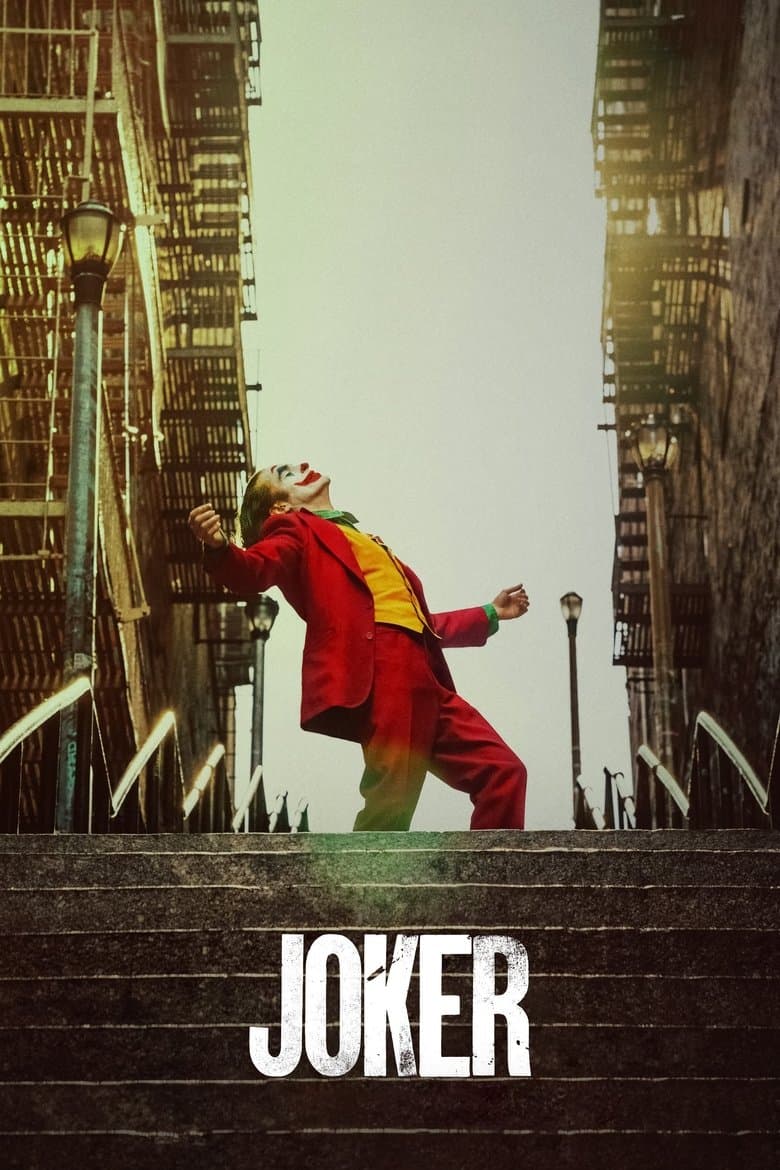
Movie · 2019
During the 1980s, a failed stand-up comedian is driven insane and turns to a life of crime and chaos in Gotham City while becoming an infamous psychopathic crime figure.
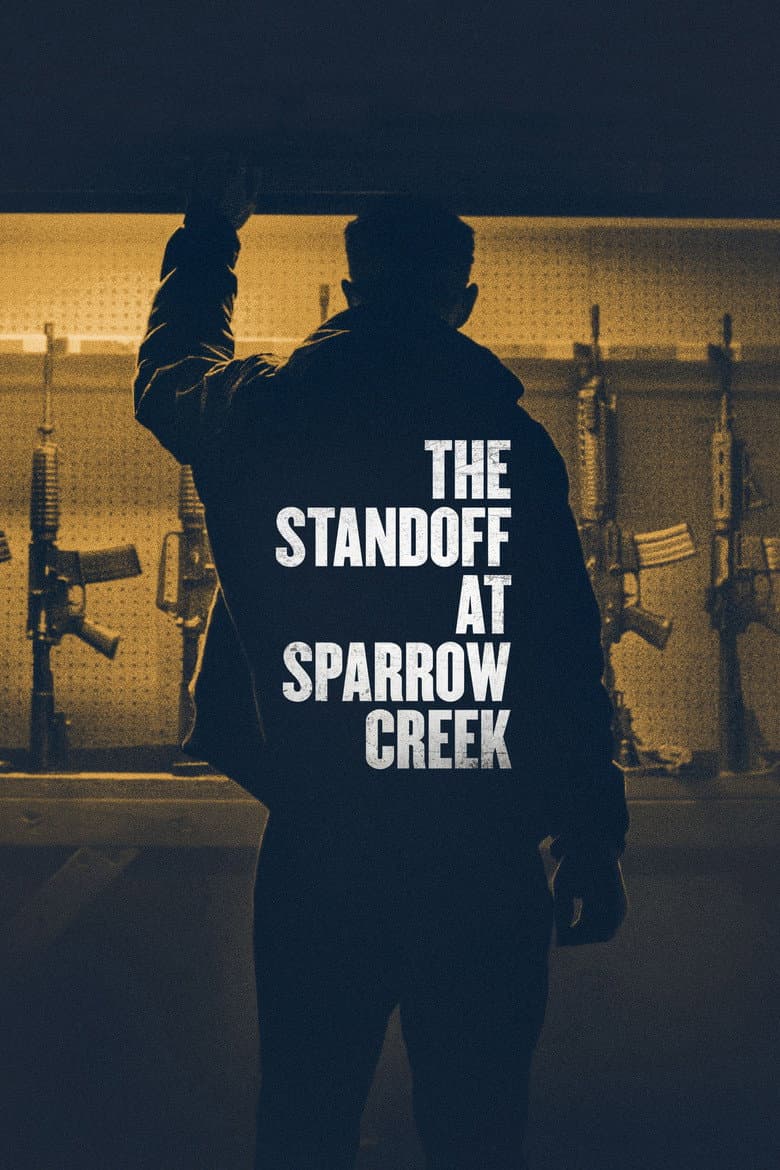
Movie · 2019
After a mass shooting at a police funeral, reclusive ex-cop Gannon finds himself unwittingly forced out of retirement when he realizes that the killer belongs to the same militia…
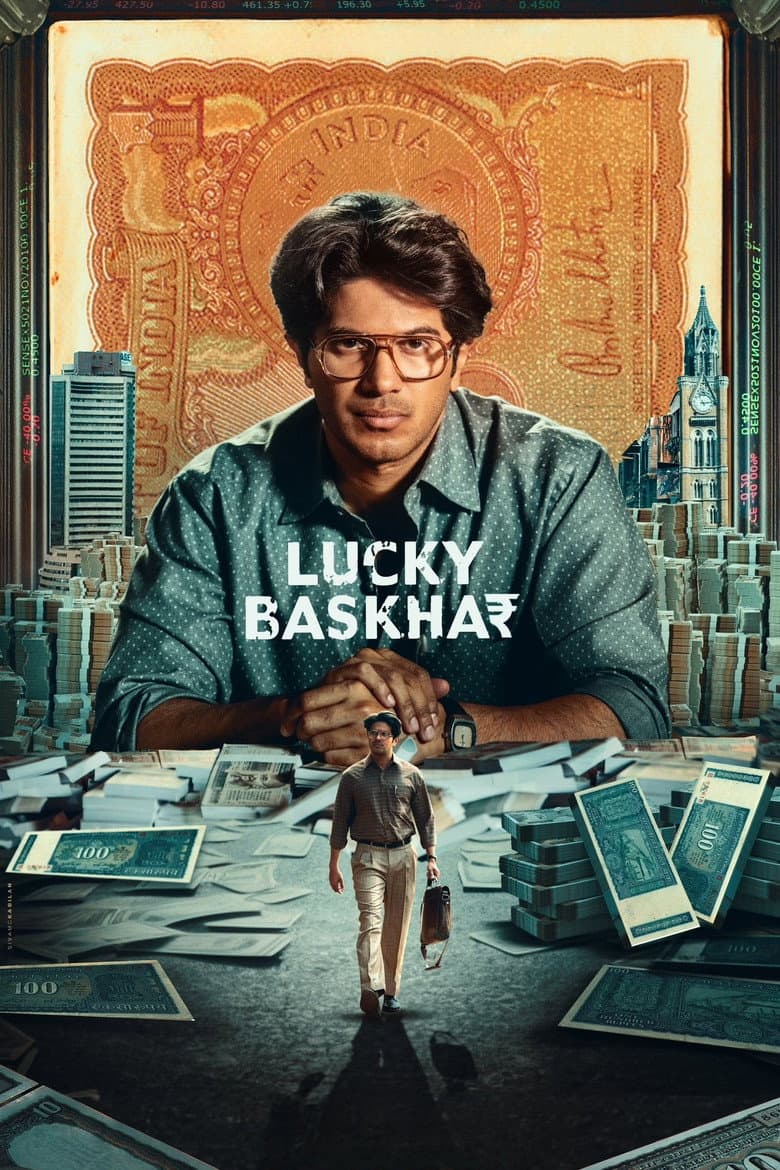
Movie · 2024
A middle-class bank clerk who longs to trade stability for adventure gets more than he bargained for when he unexpectedly becomes a wealthy man.
