
Movie review
February 11, 2023 · 88 min · PG-13 · Crime · Thriller · Drama
In June 2002, 15-year-old Kara Robinson waters plants at a friend's home in South Carolina when Richard Evonitz kidnaps her at gunpoint. He takes her to his apartment, restrains her, assaults her, and holds her for 18 hours. Kara stays calm, studies the room and his habits, and waits for a chance to escape. The movie uses a tense, serious tone and follows both the captivity and the police search that follows.
The film presents Kara as a strong survivor and centers a girl's ability to outthink a violent man. It uses language about being more than a victim and gives her credit for helping police find the killer. The story also shows early police doubt before they act on her account. Its message stays close to personal courage, self-protection, and respect for survivors.
Community feedback
Was our 17% Woke rating accurate?
Breakdown
These are the editorial factors and ratings behind our score for The Girl Who Escaped: The Kara Robinson Story.
Woke representation / casting
Not present. The lead is cast to match the real Kara Robinson. The black police officer and female deputy are supporting roles that fit the setting, and the movie does not frame them as a diversity statement.
0%
Woke political dialogue
Not present. The dialogue covers fear, survival, family, police work, and the criminal case. No modern speech about race, gender, sexuality, DEI, or partisan politics drives the story.
0%
Identity-driven story themes
The film centers on a teenage girl surviving sexual violence from a male predator. The story gives repeated focus to her calm thinking, self-control, and role in saving herself. Police tell her that some people may call her a victim, while the ending gives her credit for helping catch the killer. This creates a recurring female-empowerment and survivor-respect message, but it stays tied to one true crime case.
24%
Western institutional / cultural critique
Not present. The police briefly treat Kara's disappearance as a possible runaway case, but the film does not turn that mistake into a broad attack on law enforcement, family life, religion, or Western culture.
0%
Woke character or canon changes
Not relevant. The movie presents Kara Robinson as the real survivor whose case it retells. No identity-driven change to the real case appears.
0%
Anti-woke backlash and complaints
Not present. Public complaints focus on the Lifetime style, pacing, drama, and how much violence the movie shows. No meaningful complaint says the film pushes woke, DEI, or identity politics.
0%
Creator track record context
Simone Stock has a cached 20/100 score and a mild record of exploring marginalized voices. Haley Harris has a cached 0/100 score and no well-documented activist or identity-politics profile. Elizabeth Smart has a cached 55/100 score because of survivor advocacy, #MeToo support, and child-safety work. The other producers have cached scores from 0 to 10, so the overall creator track record context is mild.
25%
Production

Movie · 2017
A middle-aged Irish farmer, who still lives at home with his mother, sets off on a mission of revenge when the old lady is murdered.
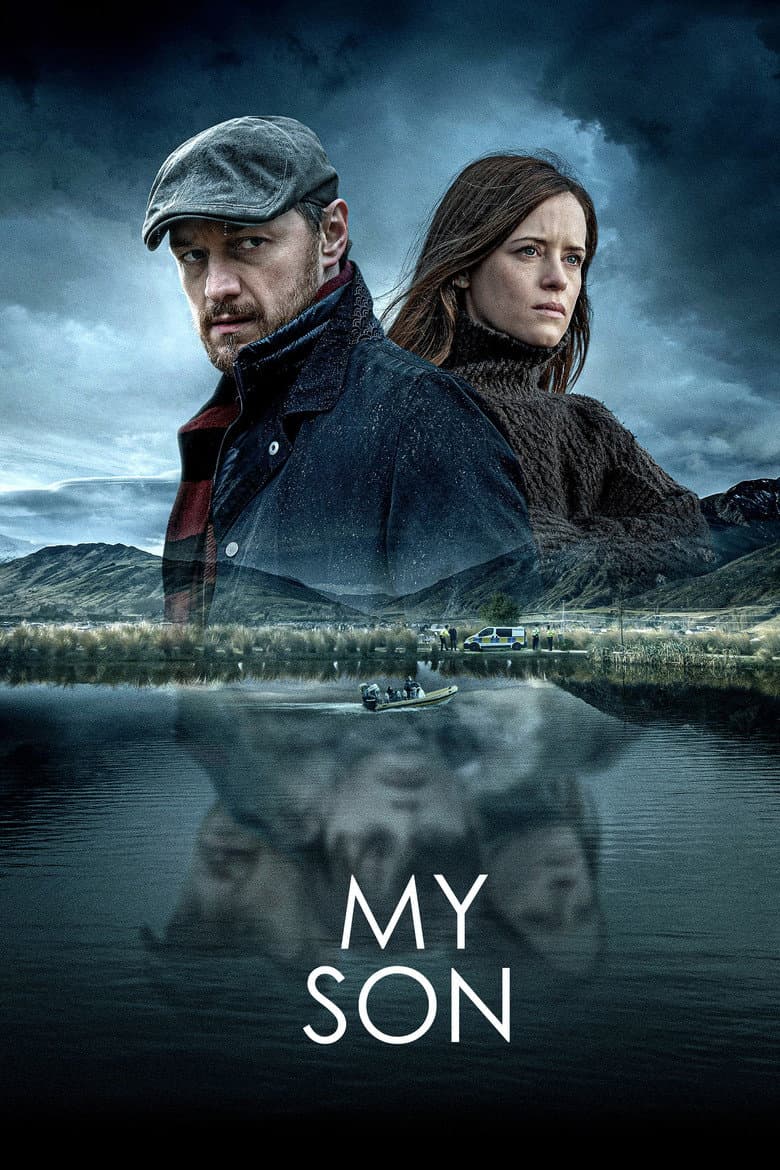
Movie · 2021
When a man's only son goes missing, he travels to the town where his ex-wife lives in search of answers. [To play a man whose life is clouded by mystery, McAvoy will not be given…

Movie · 2020
A small time delinquent, turned police mechanic for a go fast task force, is forced to defend his innocence when his mentor is killed by dirty cops.
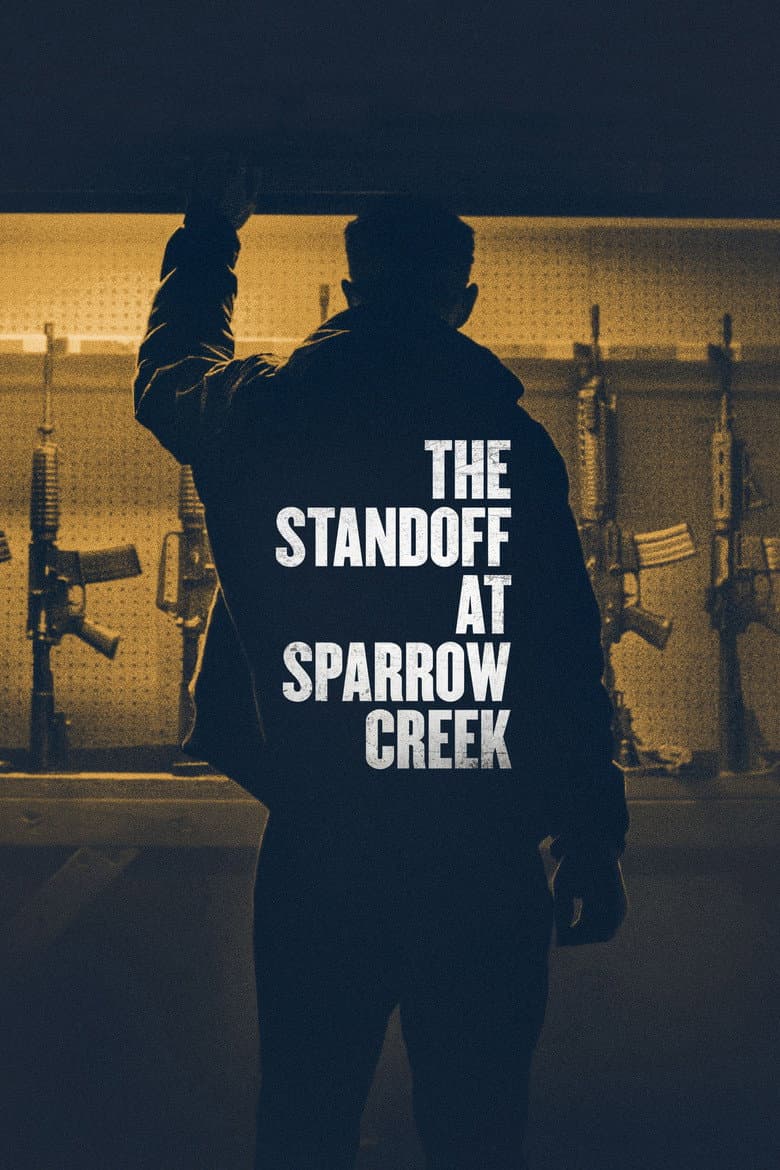
Movie · 2019
After a mass shooting at a police funeral, reclusive ex-cop Gannon finds himself unwittingly forced out of retirement when he realizes that the killer belongs to the same militia…
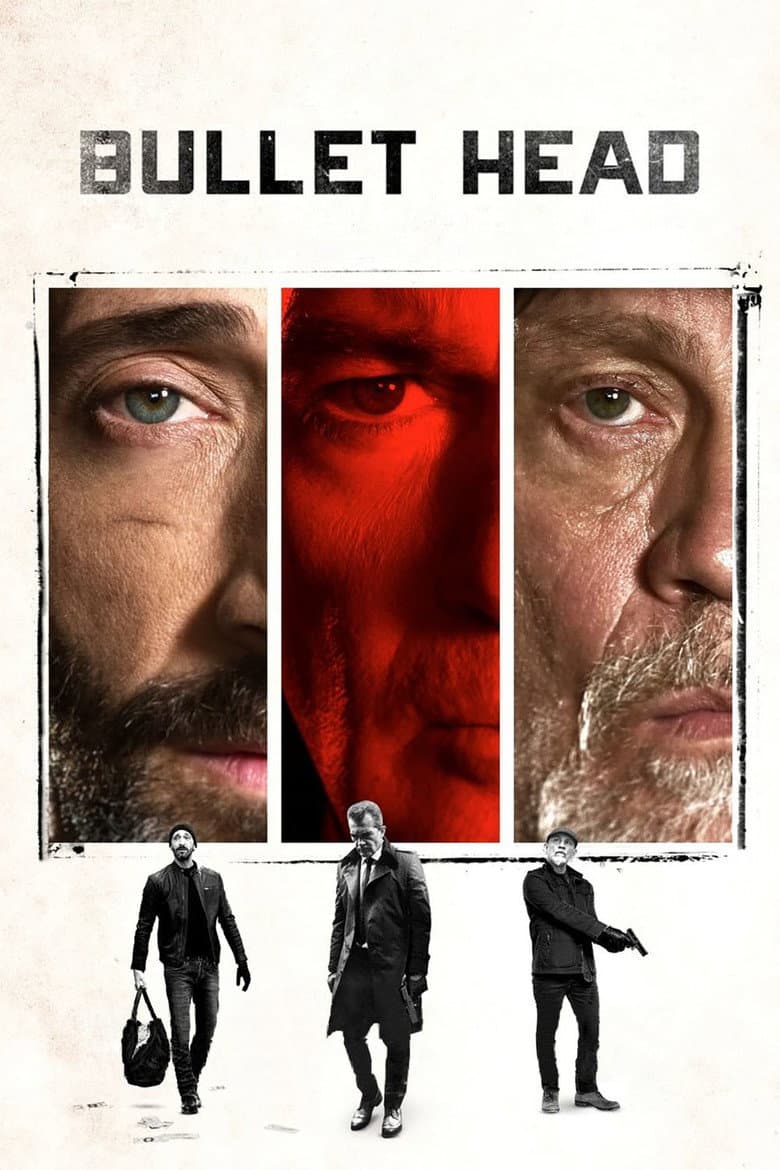
Movie · 2017
A group of career criminals finds itself trapped in a warehouse with the law – and an Attack Dog named DeNiro closing in.

Movie · 2019
In New York, former convict Pete Koslow, related to the Polish mafia, must deal with both Klimek the General, his ruthless boss, and the twisted ambitions of two federal agents…

Movie · 2019
A young agent is tasked with investigating a tangled web of corruption and fraud in New York.

Movie · 2024
A middle-class bank clerk who longs to trade stability for adventure gets more than he bargained for when he unexpectedly becomes a wealthy man.
