
Frank and Lindsay are two bitter adults who meet while traveling to a wedding in California wine country. Frank is the groom's half-brother, and Lindsay is the groom's former fiancée. They dislike the couple, the guests, and each other, but the long weekend keeps forcing them together. Their sharp arguments slowly turn into a strange romance, and the film uses a dry, dark, and often rude tone.
The film includes repeated talk about politically correct speech, racism, misogyny, privilege, and corporate power. Lindsay prosecutes companies for culturally insensitive speech, while Frank mocks her as the politically correct police. The pair also discuss a pansexual wedding officiant, gender identity, Caitlyn Jenner, and police shootings, usually as crude jokes or bitter arguments. These subjects are easy to notice in the dialogue, but they stay secondary to the romance and the two characters’ fear of getting hurt.
Community feedback
Was our 37% Woke rating accurate?
Breakdown
These are the editorial factors and ratings behind our score for Destination Wedding.
Woke representation / casting
Not present. The film centers on two established stars without making ethnicity or identity part of the casting message. The pansexual officiant is a brief supporting figure, not part of a wider representation pattern.
0%
Woke political dialogue
The film returns to political correctness, racist or misogynist speech, gender identity, privilege, and police violence. Lindsay says she prosecutes companies for culturally insensitive speech, while Frank calls her the politically correct police. The pair also explain pansexuality and joke about Caitlyn Jenner and people who cross gender lines. These lines appear in several parts of the weekend, but the film presents them as bitter banter instead of a clear lesson.
43%
Identity-driven story themes
The main story follows a man and a woman who slowly lower their defenses and form a romance. Lindsay’s job ties her to complaints about culturally insensitive speech, and the film returns to jokes about pansexuality, gender identity, and modern dating. The two leads are not made into activist heroes, and the story does not make identity the main conflict. The larger theme is that damaged people may risk love again.
29%
Western institutional / cultural critique
The film attacks costly destination weddings and the rich guests who treat the event as a grand show. Lindsay attacks the companies she prosecutes, and the pair discuss privilege, the top one percent, and people who fear being shot by police. Frank’s marketing job is placed against Lindsay’s legal work, which creates a small clash about corporate power. The movie uses these points as cynical talk, not as a sustained political story.
33%
Woke character or canon changes
Not relevant. The film is an original story about fictional people. It does not change a known character, source work, or real event.
0%
Anti-woke backlash and complaints
Not present. The X research pass found no anti-woke reaction, boycotts, or review-bombing. Web audience complaints focused on the film’s trans and pansexual jokes, not on the film pushing woke ideas.
0%
Creator track record context
Victor Levin’s public work is mainly about relationships and flawed adults, not identity activism. Cassian Elwes and Elizabeth Dell have some public work tied to gender parity and industry diversity. The other listed creators show little public evidence of an activist pattern connected to this film.
15%
Production

Movie · 2023
College freshman Abby tries to distance herself from her dark past while resisting her attraction to bad boy Travis.
Movie · 2022
Divorced couple Georgia and David find themselves on a shared mission: they team up and travel to Bali to stop their daughter Lily from making the same mistake they once made 25…

Movie · 2020
A teenager lives out the hilarious and often tragic consequences of being lethally attractive, until he meets a girl with a congenital defect.
Movie · 2020
Lonely college freshman Alex has closed himself off from his peers, who all appear to have this whole "college thing" figured out.
Movie · 2023
A novelist's longstanding marriage is suddenly upended when she overhears her husband giving his honest reaction to her latest book.
Movie · 2016
Mia, an aspiring actress, serves lattes to movie stars in between auditions and Sebastian, a jazz musician, scrapes by playing cocktail party gigs in dingy bars, but as success…
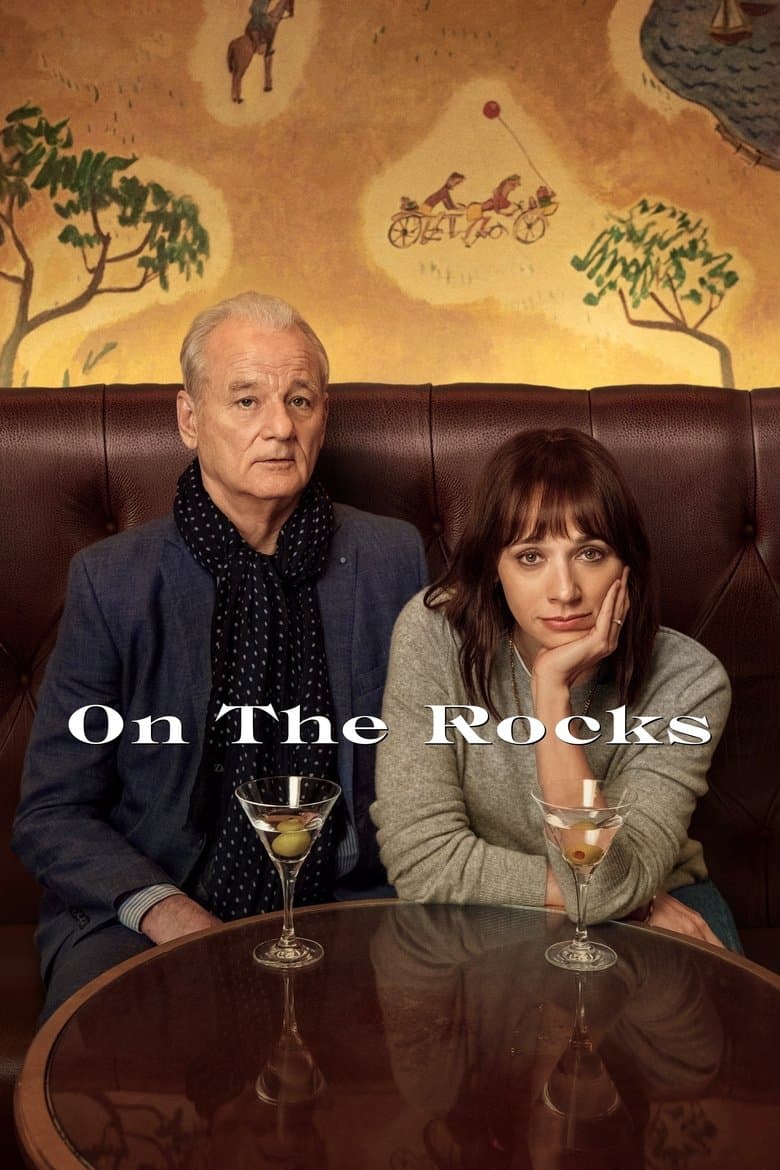
Movie · 2020
Faced with sudden doubts about her marriage, a young New York mother teams up with her larger-than-life playboy father to tail her husband.
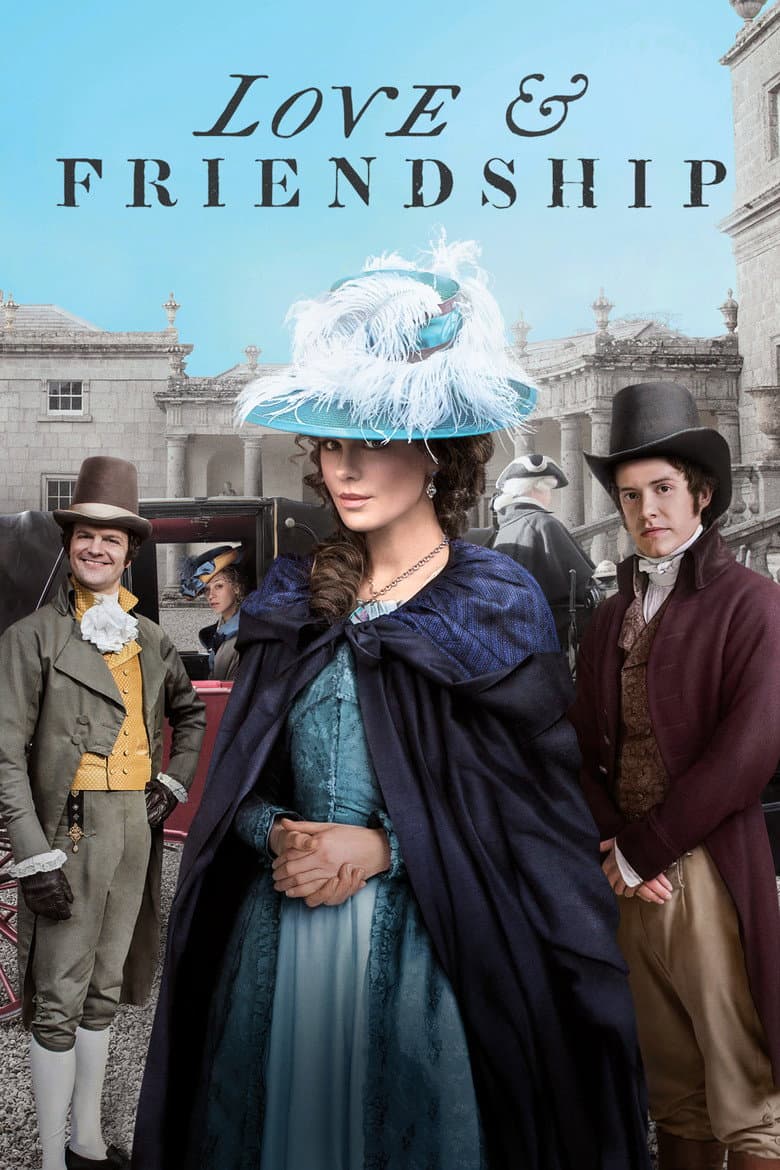
Movie · 2016
From Jane Austen’s novella, the beautiful and cunning Lady Susan Vernon visits the estate of her in-laws to wait out colorful rumors of her dalliances and to find husbands for…
