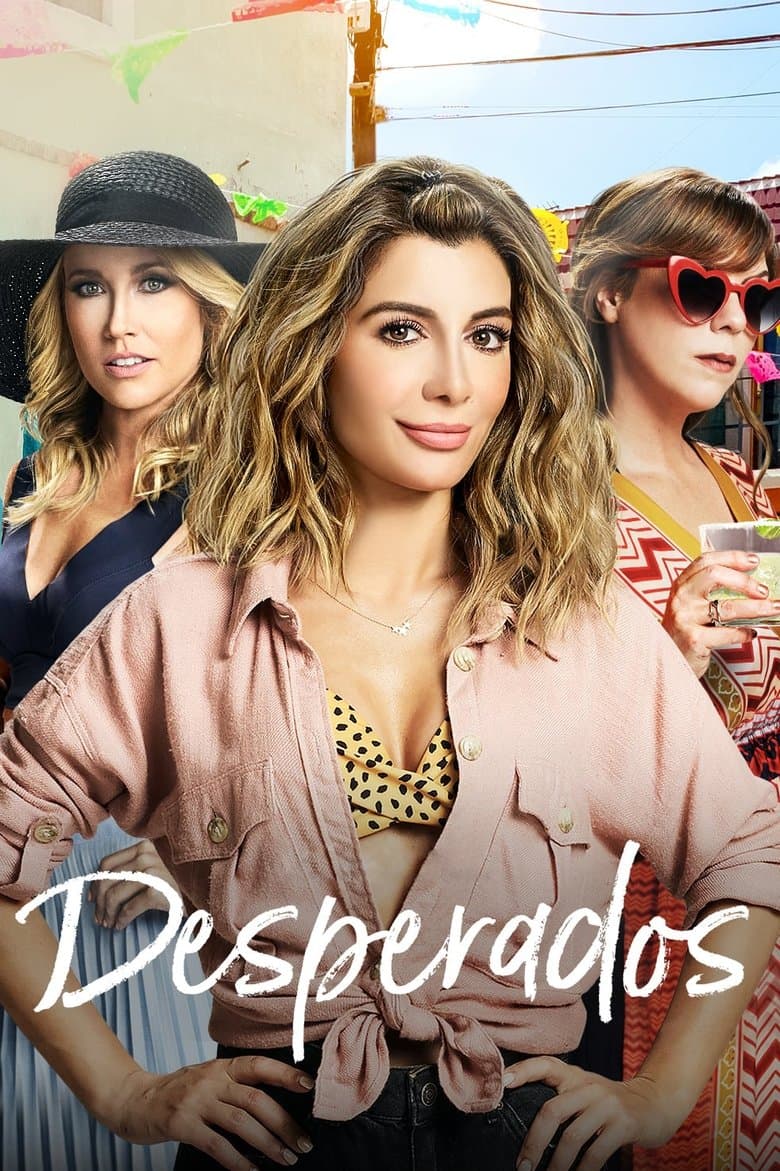
Desperados follows Wesley Darya, an unemployed Los Angeles woman who wants a job, a husband, and children. After a new boyfriend stops answering her, Wesley and her best friends, Brooke and Kaylie, fly to Cabo to delete a cruel email before he can read it. Their plan turns into a chain of break-ins, jail time, lies, and fights with the hotel staff. The movie uses loud sex jokes, awkward romance, and broad slapstick while Wesley slowly learns to face her own bad choices.
The film gives repeated attention to women’s friendship, sexual choice, and the pressure to look normal for men. In the opening job interview, Wesley says a Catholic school should adapt with the times, rejects abstinence as a full answer, and says a girl can satisfy herself without a boy. The story also backs her choice to stop pretending for Jared, questions the idea that women must marry and have children, and lets Brooke have sex with a female shaman after her husband cheats. These ideas are clear and recurring, but the movie stays a raunchy romance and does not build a larger political or identity campaign around them.
Community feedback
Was our 50% Woke rating accurate?
Breakdown
These are the editorial factors and ratings behind our score for Desperados.
Woke representation / casting
The film puts three women at the center of the main story. The lead is played by Iranian-born actress Nasim Pedrad, and the final romantic lead is played by black actor Lamorne Morris. The modern Los Angeles setting makes this casting plausible, so the identity signal is visible but not a major mismatch. The movie does not present the casting as a political lesson.
30%
Woke political dialogue
Wesley says a Catholic school should adapt with the times. She rejects abstinence as a full answer and says a girl can satisfy herself without a boy. She also jokes openly about masturbation, sex toys, and women’s sexual choices. These ideas appear most clearly in one early job interview and several raunchy jokes, so they are noticeable but not the main subject.
33%
Identity-driven story themes
The story repeatedly follows women dealing with dating, marriage, trouble having children, and sexual choices. Wesley changes herself to fit Jared’s idea of a normal woman, then learns to be honest about her real personality. Brooke leaves an unfaithful husband, and Kaylie considers adoption after struggling to become pregnant. The movie puts female friendship and self-acceptance ahead of the first romance, although Wesley still ends with a man.
50%
Western institutional / cultural critique
The opening job interview treats Catholic school rules and abstinence teaching as old-fashioned. Wesley says religion should adapt and says a girl can meet her own physical needs. The film questions pressure on women to marry, have children, and act normal for men. These ideas return in dating and friendship scenes, but the movie does not attack Western culture or build a broad political case.
29%
Woke character or canon changes
Not relevant. The film is an original romantic comedy with no established character or source story to change.
0%
Anti-woke backlash and complaints
Not present. No qualifying anti-woke backlash was found. Reviews argued about the film’s quality, crude jokes, and feminist message, but they did not call it woke propaganda or object to its identity politics. The separate X search also found no anti-woke complaints.
0%
Creator track record context
LP’s supplied record shows repeated female-centered comedy but no strong activist public profile. Ellen Rapoport’s supplied record shows a stronger focus on feminist themes and women’s sexual freedom. That context fits the film’s women-centered story and sexual humor. The other supplied producers have mainly commercial careers with no clear activist pattern.
44%
Production

Movie · 2018
A quirky couple spends their three-year dating anniversary looking back at their relationship and contemplating whether they should break up.
Movie · 2020
Fed up with being single on holidays, two strangers agree to be each other's platonic plus-ones all year long, only to catch real feelings along the way.

Movie · 2019
No beau? No problem! To earn money for college, a high schooler creates a dating app that lets him act as a stand-in boyfriend.

Movie · 2024
Ana is an ambitious intern dreaming of a career in the art world while trying to impress her demanding boss Claire.
Movie · 2026
Poppy's a free spirit. Alex loves a plan. After years of summer vacations, these polar-opposite pals wonder if they could be a perfect romantic match.

Movie · 2019
Oh, Ramona! seeks the transformation of Andrew from a teenager into an adult who lives candidly and selflessly his first love story, innocent and uninvolved, alternating with the…
Movie · 2022
Peter and Emma thought they were on the precipice of life’s biggest moments – marriage, kids, and houses in the suburbs – until their respective partners dumped them.
Movie · 2020
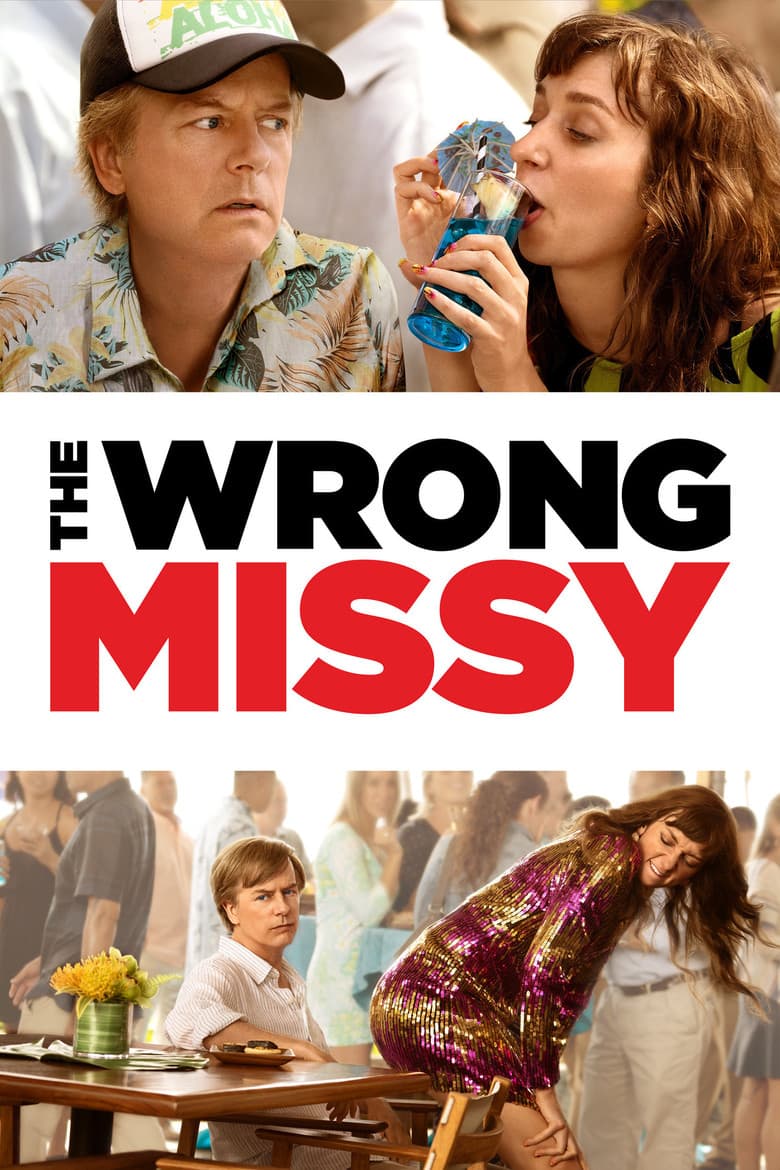
A guy meets the woman of his dreams and invites her to his company's corporate retreat, but realizes he sent the invite to the wrong person.
