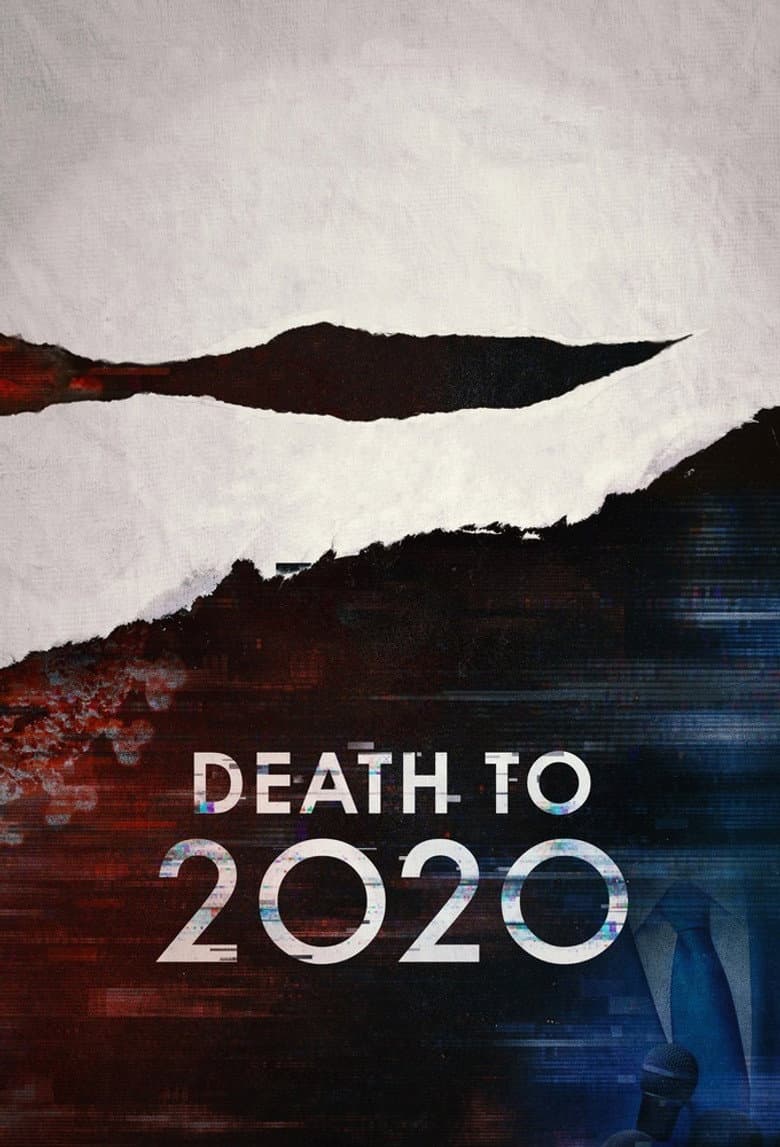
Death to 2020 looks back at the year through a fake documentary. Laurence Fishburne narrates while fictional reporters, experts, officials, and ordinary people explain what happened. The main conflict is the struggle to make sense of a year filled with sickness, fear, and political fights. Samuel L. Jackson plays a tired news reporter, Hugh Grant plays a proud historian, and Lisa Kudrow plays a White House spokeswoman who lies for Trump. The group moves from wildfires and COVID-19 to protests, lockdowns, and the US election in a dark, fast, rude, and sarcastic story.
The special gives a long, serious section to George Floyd's killing, Black Lives Matter protests, racial injustice, and police violence. It also mocks white people who use public support for Black causes to look good, and it makes a young online worker perform the same kind of support. A soccer mom becomes a racist conspiracy believer after following internet videos, while a conservative spokeswoman repeats false claims. The show attacks Trump, anti-maskers, climate inaction, and other right-leaning ideas, but it also mocks woke slogans and corporate virtue signals. These points appear across the recap, yet the main goal stays broad political comedy rather than an identity-centered story.
Community feedback
Was our 60% Woke rating accurate?
Breakdown
These are the editorial factors and ratings behind our score for Death to 2020.
Woke representation / casting
The cast puts Black and South Asian performers in several major roles, including a reporter, scientist, behavioral psychologist, narrator, and tech billionaire. The jobs and the plot do not depend on these characters’ race. The group creates a clear audience-visible diversity pattern in roles that could have been played by anyone. The special never markets the cast as a diversity message, so the score stays moderate.
34%
Woke political dialogue
The special repeatedly names Black Lives Matter, racial injustice, police brutality, climate action, and gender-neutral parties. The reporter treats racial profiling and police violence as serious issues, while other characters joke about woke lords and online virtue signals. The dialogue also attacks Trump, anti-maskers, election claims, and conservative talking points. The material runs through several sections, but it uses quick satire instead of a long activist speech.
49%
Identity-driven story themes
The special gives a substantial section to George Floyd’s killing, Black Lives Matter protests, racial injustice, and police violence. The story treats the subject seriously even when it mocks white people who use public support for Black causes to look good. The soccer mom’s racist behavior and the young worker’s pretend support turn race into recurring character comedy. These themes matter to one major part of the recap, but they do not control the whole story.
43%
Western institutional / cultural critique
The special repeatedly attacks the Trump White House, conservative news talk, anti-mask protesters, election conspiracy claims, and failures by police. The Black Lives Matter section presents racial inequality and police violence as public problems. The satire also targets tech billionaires, Netflix, the media, and the British monarchy, so the criticism is spread across many institutions. The title does not attack Christianity or family life, and much of its politics stays in the form of current-events jokes.
40%
Woke character or canon changes
Not relevant. The special uses new fictional talking heads and real news footage. It does not change an established character or a real person’s race, sex, or identity.
0%
Anti-woke backlash and complaints
The supplied X pass found a handful of small accounts calling the special anti-Trump or liberal propaganda. A Reddit discussion also included scattered claims that it was propaganda or tried to divide viewers, while many replies liked the jokes and cast. No large boycott, review-bombing campaign, or major news controversy was found. The backlash is real but limited and mostly comes from low-reach posts.
29%
Creator track record context
Charlie Brooker’s public work is mainly broad political and media satire and does not center on identity politics. The directors have little public record of activist work. Several writers have a history of discussing black identity, migration, gender, sexuality, or representation. Producer Dionne Harmon and Jesse Collins have long records of black-centered and representation-focused projects. This context raises the score, but the special itself is broad news comedy.
44%
Production
Movie · 2023
A chaotic intervention. An action-packed stay in rehab. After a weird couple of years, John Mulaney comes out swinging in his return to the stage.
Movie · 2018
Adam Sandler takes his comical musical musings back out on the road, from comedy clubs to concert halls to one very unsuspecting subway station.
Movie · 2023
From his onstage tackle to the slap heard round the world, Dave Chappelle lets loose in this freewheeling and unfiltered stand-up comedy special.
Movie · 2022
Exploring every facet of ‘Weird Al’ Yankovic’s life, from his meteoric rise to fame with early hits like ‘Eat It’ and ‘Like a Surgeon’ to his torrid celebrity love affairs and…
Movie · 2016
Two teenage boys from inner-city Cork steal bicycles and ride off on a 160km quest to find an unrecovered bale of cocaine worth 7,000,000 euros.
Movie · 2024
Inseparable best friends AJ and Moose decide to run the local pool's snack shack after their plan to sell home-brewed beer goes down the drain.
Movie · 2016
A comedy that follows a group of friends as they navigate their way through the freedoms and responsibilities of unsupervised adulthood.
Movie · 2018
Vignettes weaving together the stories of six individuals in the old West at the end of the Civil War. Following the tales of a sharp-shooting songster, a wannabe bank robber, two…
