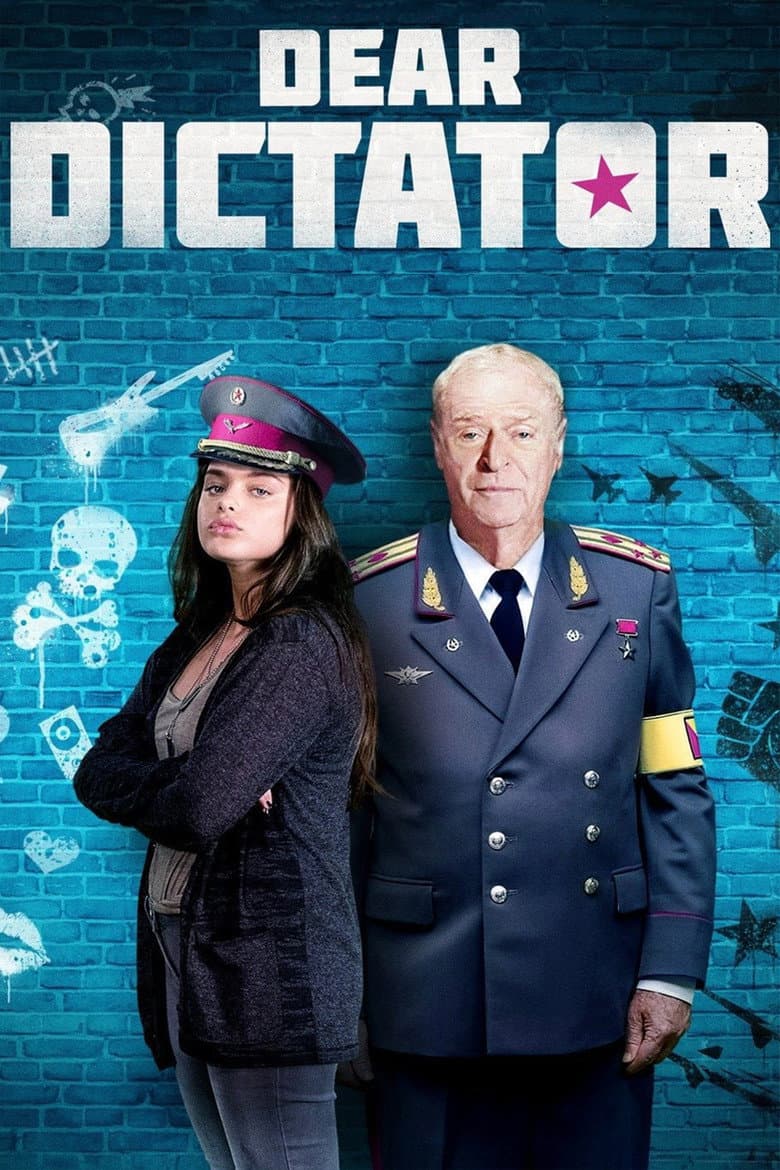
Dear Dictator is a dark comedy about Tatiana Mills, a lonely teenage girl who feels trapped by her mother, her school, and its popular girls. She writes to Anton Vincent, a violent British-Caribbean ruler, for a class project because she likes his style. After a coup removes him, Anton hides in Tatiana’s suburban home and becomes her strange mentor. He teaches her how to challenge the girls who control the school, while the family tries to hide him from the police. The film mixes teen rebellion, family trouble, political satire, and crude jokes, but it treats executions, torture, and a suicide attempt as part of its comedy.
The clearest woke elements come from the film’s praise of rebellion and its attack on fitting into normal American life. Anton teaches Tatiana to call the popular students the bourgeoisie and herself the proletariat, then urges her to seize power. Darlene says women should take power because men wrote history unfairly. Darlene also jokes that she wishes she could be a lesbian. These ideas are noticeable, but the story treats them as messy satire instead of a focused identity campaign.
Community feedback
Was our 53% Woke rating accurate?
Breakdown
These are the editorial factors and ratings behind our score for Dear Dictator.
Woke representation / casting
Michael Caine, a white actor, plays Anton, the British-Caribbean ruler. The film says Anton comes from an old colonial ruling family, which gives the choice some story logic. The country’s visible people are mostly Black, so the lead still creates a noticeable mismatch. The rest of the cast does not show a repeated identity-first pattern.
19%
Woke political dialogue
The film repeatedly gives Anton political lessons about capitalism, the bourgeoisie, the proletariat, and revolution. Anton says Americans accept consumer life and should question the system. He also says majority interests can override minority rights and blames American action for part of his country’s trouble. Darlene adds a gender speech that says women should take power because men have written history unfairly. These ideas appear in several scenes, although jokes keep the message loose.
42%
Identity-driven story themes
Tatiana’s main arc says an outsider should reject fitting in and take control of her social world. The film turns a teenage girl into the leader of a school revolution and calls her a commander. Darlene says women should take power because men wrote history unfairly. The film also praises self-expression and staying different as the path to real friendship. Anton remains the main strategist, so the story does not become a full girlboss or female-dominance story.
37%
Western institutional / cultural critique
The film repeatedly compares American life with consumer goods, big homes, mortgages, and empty acceptance. Anton calls Tatiana’s classmates the bourgeoisie and tells her to rise as the proletariat. The story mocks American military action, adult male power, and a Bible-centered teen’s sexual shame. These ideas shape Anton’s lessons and several school scenes, but the satire is messy rather than a full attack on Western culture.
44%
Woke character or canon changes
Not relevant. The film uses a fictional dictator and does not alter an established character, source character, or real historical figure.
0%
Anti-woke backlash and complaints
X research found no anti-woke posts or specific complaints about the film. One right-leaning review called the film’s rebellion jokes “socialist tics” and mocked its idea of “woke teens” caring about small threats. One Letterboxd review also mentioned revolutionary leftist talking points. Other audience reactions focused on weak comedy and poor filmmaking. The record shows a small fringe complaint, not a broad controversy.
21%
Creator track record context
Lisa Addario and Joe Syracuse have prior scores of 37 and a history of stories about outsiders, unusual families, and young people facing adult power. Their public record does not show a strong DEI or activist persona. Casting director Chad Darnell has a prior score of 82 because of LGBTQ-centered work and representation activism. Most listed producers have low prior scores and no clear activist profile.
43%
Production
Movie · 2023
A chaotic intervention. An action-packed stay in rehab. After a weird couple of years, John Mulaney comes out swinging in his return to the stage.
Movie · 2018
Adam Sandler takes his comical musical musings back out on the road, from comedy clubs to concert halls to one very unsuspecting subway station.
Movie · 2016
A comedy that follows a group of friends as they navigate their way through the freedoms and responsibilities of unsupervised adulthood.
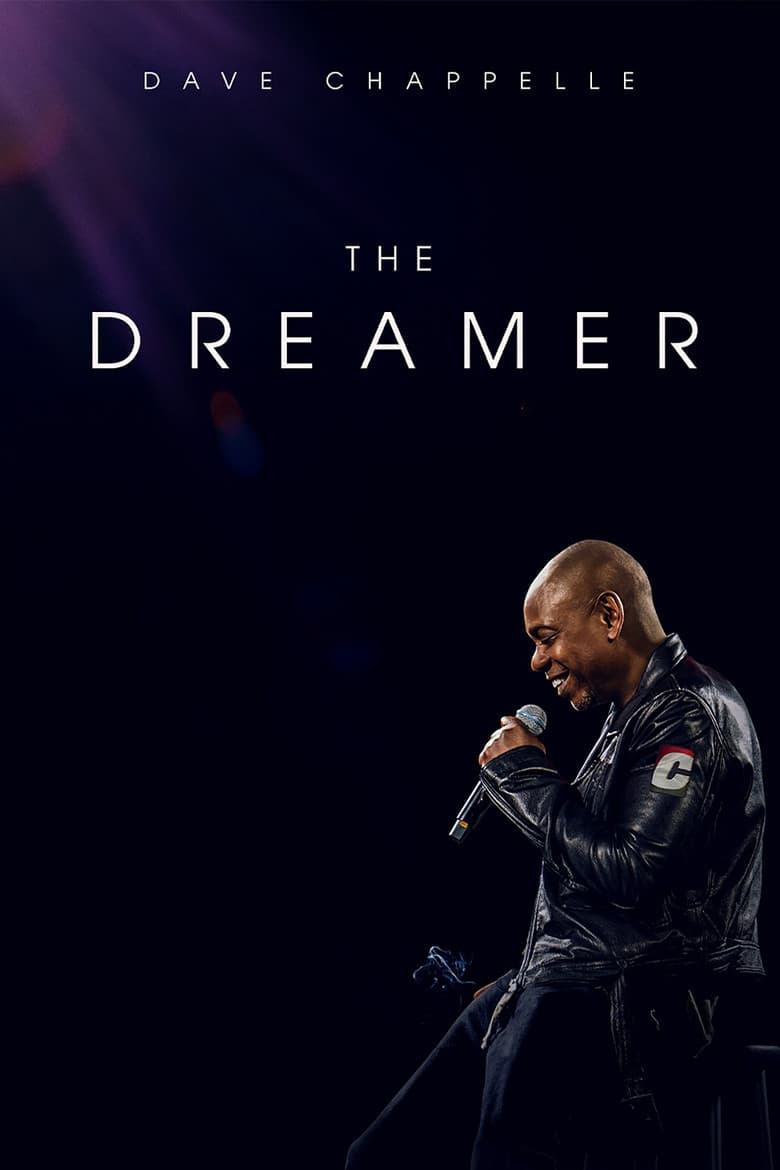
Movie · 2023
From his onstage tackle to the slap heard round the world, Dave Chappelle lets loose in this freewheeling and unfiltered stand-up comedy special.
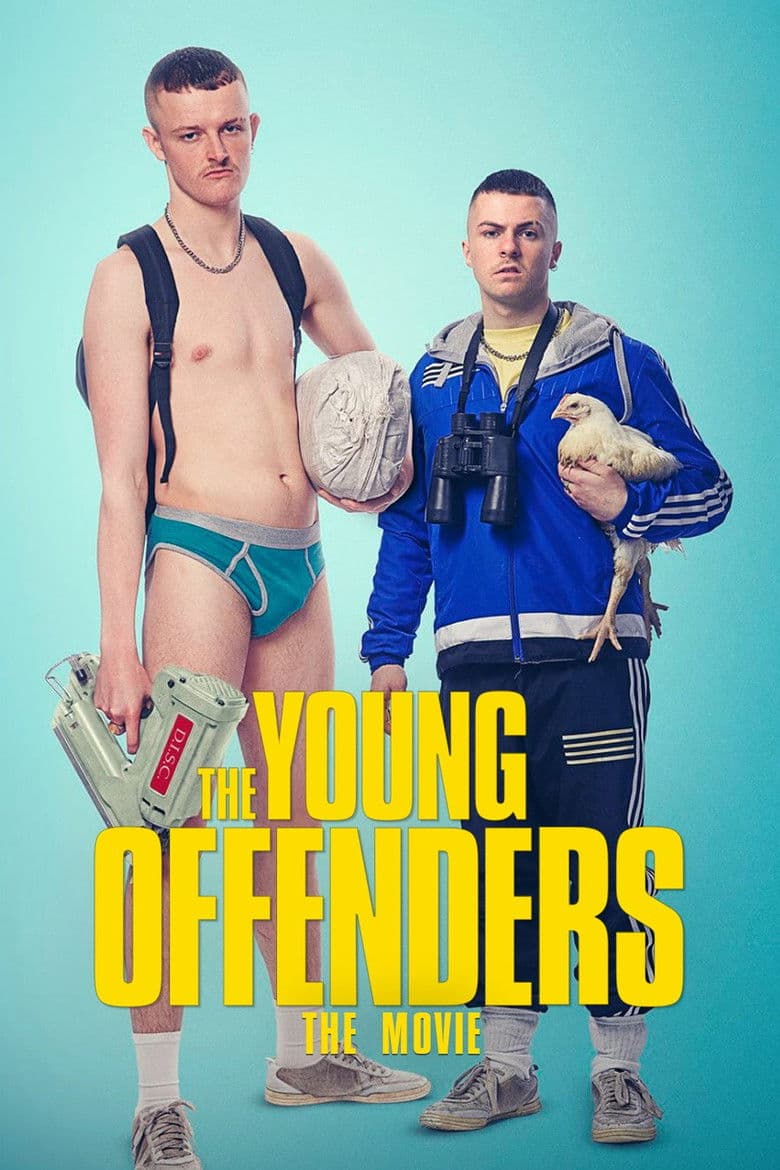
Movie · 2016
Two teenage boys from inner-city Cork steal bicycles and ride off on a 160km quest to find an unrecovered bale of cocaine worth 7,000,000 euros.

Movie · 2024
Inseparable best friends AJ and Moose decide to run the local pool's snack shack after their plan to sell home-brewed beer goes down the drain.
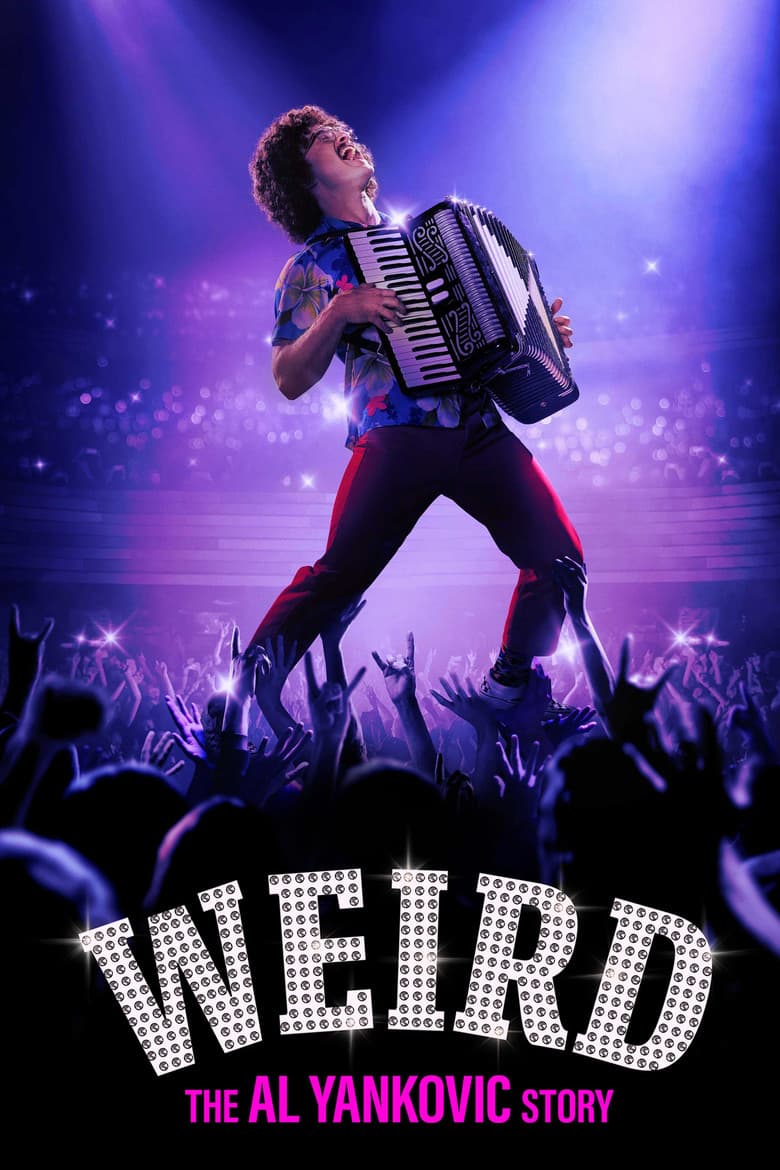
Movie · 2022
Exploring every facet of ‘Weird Al’ Yankovic’s life, from his meteoric rise to fame with early hits like ‘Eat It’ and ‘Like a Surgeon’ to his torrid celebrity love affairs and…
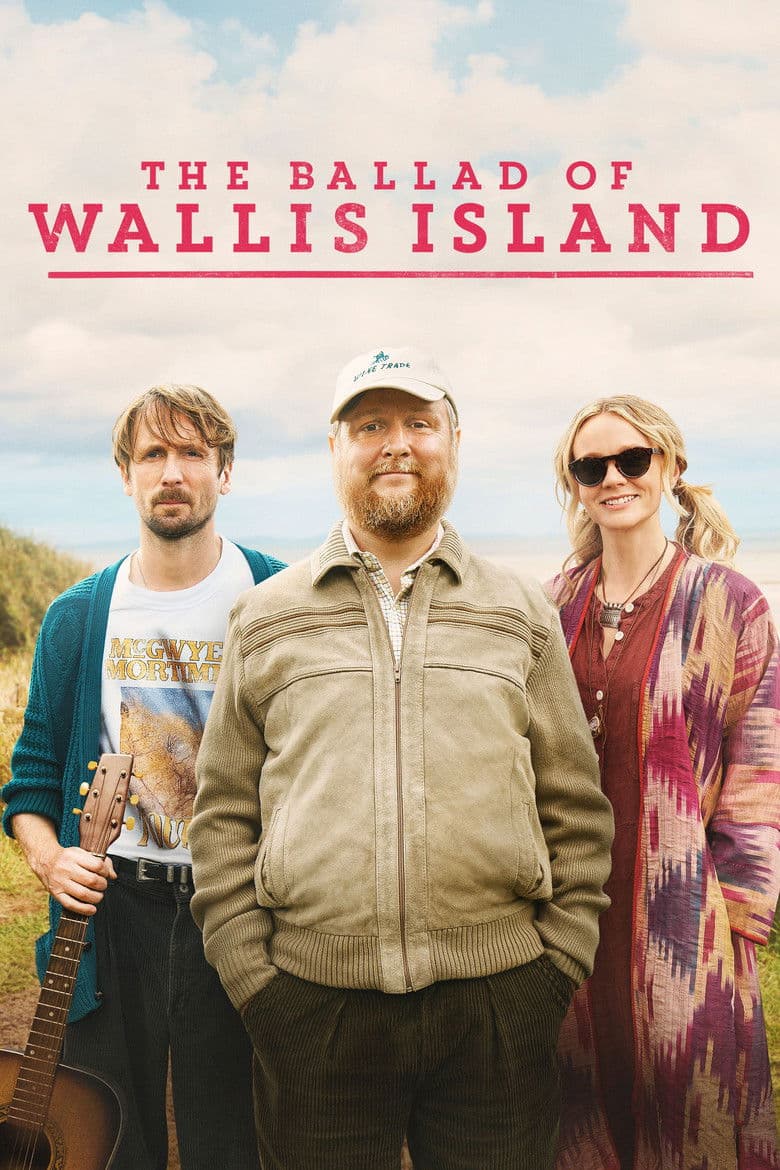
Movie · 2025
An eccentric lottery winner who lives alone on a remote island tries to make his fantasies come true by getting his favourite musicians to perform at his home.
